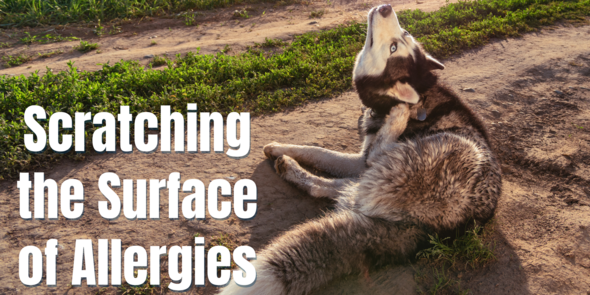
  August is Itchy Pet Awareness month. While we might be tempted to only blame biting pests like mosquitoes and fleas this time of year, some itches begin where no one can scratch. Just as it’s common for a dog or cat to be relinquished to a shelter because someone in the home is allergic, pets are also relinquished because they too suffer from allergies. Their allergies can be so severe that the pets suffer from poor health and require both time and money (especially for large animals) to manage.
Allergies, just as in humans, may be seasonal or present year-round. Examples of seasonal allergens would be pollen, mold, and fleas (different from the typical itch associated with a flea bite). While fleas are more common in the spring or summer, they can live indoors year-round. Allergens get into the body by being inhaled, ingested, or especially through the skin. Signs of allergies in pets can include scratching their body (especially ears), rubbing their face, licking their paws, etc. This repeated self-trauma can result in inflammation, ulcerations, crusts, and hair loss. The itchiness can start at 1-3 years of age in the spring or summer but can worsen over time to be year-round.
A veterinarian exam is critical to evaluate for other causes of pruritus (itchiness) and often a veterinarian will recommend flea control and possibly starting a food trial. At the shelter we see many dogs and cats come in with chronically infected/inflamed ears and skin and it’s amazing how many improve during a food trial. We often also give medicated baths, anti-inflammatory leave-on lotions, ear cleaning/medications, fish oils, antibiotics/antifungals if indicated, antihistamines and even immune modulating medications to help relieve the immediate symptoms. Allergy testing (not for food) is also available and customized shots can be given that often help alleviate clinical signs. Cytopoint and Atopica have been used at DCAS for pets with severe allergies when other medications have been inadequate. Some pet insurance policies will cover the cost of allergy treatment. It’s important to talk to your veterinarian about the best options available for your family.
Treatment often helps manage (not cures) the signs to where there is a comfortable quality of life. Learning how to help the pet by treating topically and/or systemically is key to providing possible relief. Luckily, there are many ways to help pets with allergies, but it does take commitment.
 Dr. Barbara Hanek,
Veterinarian Administrator

Food allergies in humans may present as hives, itching, respiratory or digestive distress. For our pets, one of the common signs is also easy to confuse with other issues: chronic ear problems.
Common signs of ear infections are:
- Head scratching or shaking
- Redness in the ear
- Hair loss on the ear or around the head
- Discharge or odd smells from ear
Ears suffering from histamine inflammation due to allergies will produce more wax - creating the perfect environment for yeast and other bacteria to flourish. And costing you another trip to the vet for assessment and treatment.
While skin tests can reliably diagnose environmental allergies, the only way to determine a food allergen is through a rigorous food trial - limiting what our pets eat and then slowly adding things back in one at a time to see what causes a reaction. This includes everything they eat, from kibble to treats and even supplements! Your veterinarian will advise you on the best method. If food allergies are the cause behind those ear infections, eliminating the allergen will help both you and your pet avoid unnecessary head scratching!
|
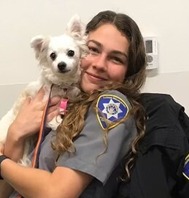
DCAS is pleased to welcome our newest Animal Control Officer: Shannon Walsh. Originally from Naperville, Shannon moved to Colorado to attend college majoring in Natural Resource Management with a minor in Zoology. After college, Shannon worked for several years as an Animal Protection Officer for a local humane society, assisting police officers with animal-related field calls.
Shannon returned to Illinois to be closer to family and is thrilled to be back working in animal welfare. She said, "It's so great to be surrounded by such hard-working people dedicated to helping animals again. It's something people don't really understand about this profession. We do it because we love animals and want to help them and the people who care for them."
In her off time, Shannon can most likely be found enjoying the outdoors: backpacking, hiking, camping, and attending music festivals. She's seen over 100 music artists live! With her pet dogs, Koto, a 6 year old pitsky and River a shepherd husky mix, Shannon is ready to embrace the Chicagoland life again and we are so happy to have her on the team to help DuPage County residents, wildlife, and pets!
|
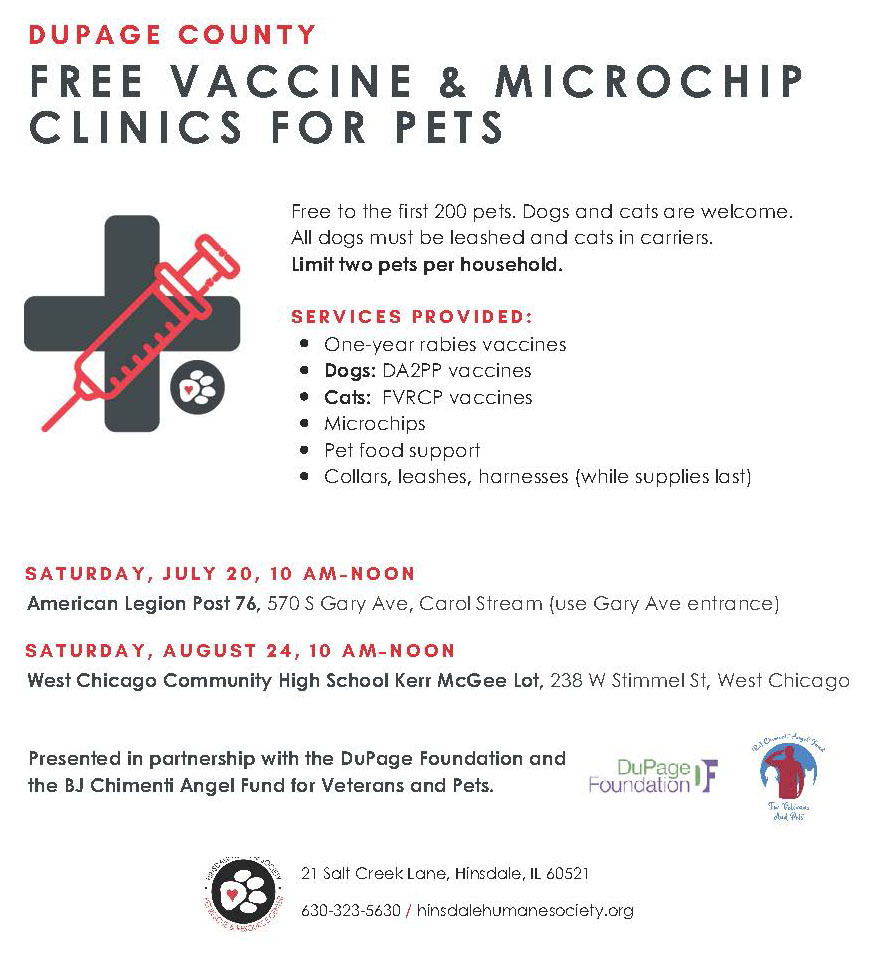
DCAS is partnering with Hinsdale Humane Society to provide free microchips and vaccines to residents around DuPage County throughout the summer.
Check out the details below or visit their website!
August 24th: West Chicago
10am-12pm
Kerr McGee Parking Lot
138 W Stimmel St, West Chicago, IL 60185
Did you know DCAS provides $20 microchipping year-round? Call our office today for more details!
|