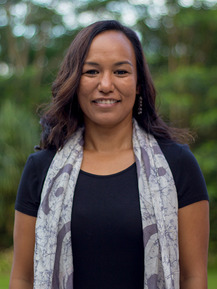
Kananinohea Mākaʻimoku
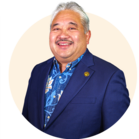
Occupation: Hope Polopeka, Ka Haka ʻUla o Keʻelikōlani ke Koleke ʻŌlelo Hawaiʻi ma ke Kulanui o Hawaiʻi ma Hilo. Luna Hoʻolaukaʻi, Papahana Hoʻomākaukau Kumu ʻŌiwi ʻo Kahuawaiola
Associate Professor, Ka Haka ʻUla o Keʻelikōlani College of Hawaiian Language, University of Hawaiʻi at Hilo Program Coordinator, Kahuawaiola Indigenous Teacher Education Program
What school you grad? Ke Kula ʻo Nāwahīokalaniʻōpuʻu ‘99
Location: Keaʻau, Puna, Hawaiʻi
He hua ʻo Kananinohea Mākaʻimoku o ka Papahana Kaiapuni Hawaiʻi. Ua hoʻonaʻauao ʻia ʻo ia ma o ka ʻōlelo Hawaiʻi mai ka Pūnana Leo o Honolulu a i kona puka ʻana ma ka papa mua i ka makahiki 1999 mai Nāwahīokalaniʻōpuʻu. Ua hoʻi ʻo ia i ka papahana ma ke ʻano he kumu a aʻo ma ka lumipapa no 16 mau makahiki. He Hope Polopeka ʻo ia ma Ka Haka ʻUla O Keʻelikōlani, ke Koleke ʻŌlelo Hawaiʻi, ma ke Kulanui o Hawaiʻi ma Hilo. ʻO ia ka luna hoʻolaukaʻi o ka papahana hoʻomākaukau kumu ʻo Kahuawaiola. ʻElua āna keiki ma Nāwahī. ʻO ka ʻōlelo Hawaiʻi ka ʻōlelo ma ka home a me ka ʻohana.
Kananinohea Mākaʻimoku is a product of the Papahana Kaiapuni. She was educated primarily in Hawaiian from Pūnana Leo until graduating in the first class in 1999 from Nāwahīokalaniʻōpuʻu. She returned to Kaiapuni as a teacher and taught for 16 years. She is an Associate Professor at Ka Haka ʻUla O Keʻelikōlani College of Hawaiian Language at UH Hilo and serves as the program coordinator for Kahuawaiola Indigenous Teacher Education Program. Both of her children are students at Nāwahī and ʻŌlelo Hawaiʻi is the primary language of her home and family.
Q: What are you up to these days?
A: Na koʻu ʻiʻini e hoʻōla ai i ka ʻōlelo Hawaiʻi a e kākoʻo ai i nā kumu i hoʻokele aku iaʻu i kaʻu hana i kēia wā. ʻO au ka Luna Hoʻolaukaʻi o ka Papahana Hoʻomākaukau Kumu ʻŌiwi ʻo Kahuawaiola a he Hope Polopeka ma Ka Haka ʻUla o Keʻelikōlani. Noʻu ka hanohano a me ka pōmaikaʻi o ka hoʻomākaukau ʻana i ka hanauna kumu hou no nā kula kaiaʻōlelo a kaiapuni Hawaiʻi a me nā papahana ʻōlelo a moʻomeheu Hawaiʻi. Ke ʻimi nei au i ke kēkelē kauka ma ka Hoʻōla ʻŌlelo a Moʻomeheu Hawaiʻi a ʻŌiwi. Kālele kaʻu noiʻi laeʻula ma luna o nā hiʻohiʻona hoʻoulu a lawelawe lāhui o nā kumu kaiaʻōlelo Hawaiʻi a me nā kiʻina e hoʻoulu ai i ia mau hiʻohiʻona i mea e paepae ʻia nā papahana hoʻōla ʻōlelo ʻōiwi.
Noʻu ponoʻī, ʻaʻole kaʻu hana he kūlana hana wale nō — he hoʻohiki ia e noke ana au ma nā hana e ola ai ka ʻōlelo Hawaiʻi no nā hanauna ma hope mai. Komo nui au i nā hana like ʻole i pili i ka hoʻomākaukau kumu, ke kūkā ʻana no nā loina a me nā kulekele hoʻonaʻauao, a me ka hana pū ʻana me nā kumu, nā alakaʻi kaiaulu, a me nā lālā ʻē aʻe e hoʻoikaika ana i ka hoʻonaʻauao ma Hawaiʻi a ma ka hoʻonaʻauao ʻōiwi a puni ka honua. Ma o kaʻu hana a me kaʻu noiʻi, e komo ai au i nā hana e hoʻoholomua ana i ka hoʻonaʻauao ma Hawaiʻi a e hoʻomau ana i ka hoʻonaʻauao Hawaiʻi no nā hanauna e hiki mai ana.
Komo ke kūpaʻa ʻana ma ka ʻōlelo Hawaiʻi ma loko o koʻu nohona pilikino kekahi. Ua hānai ʻia kaʻu mau keiki ma ka ʻōlelo Hawaiʻi, ʻo ia kā lāua ʻōlelo mua. He mau haumāna lāua ma Nāwahī, i mea e hoʻomau ai lāua i ka hoʻoilina ʻōlelo a moʻomeheu Hawaiʻi. ʻO ke kumu o kaʻu hana, ʻo ia ka hōʻoia ʻana i ka hiki i kaʻu mau keiki a me nā hanauna e hiki mai ana ke koho e hoʻonaʻauao ʻia ma o ka ʻōlelo Hawaiʻi. ʻAʻole i pili wale nō kaʻu moemoeā i ke ola o ka ʻōlelo Hawaiʻi ma nā home a me ke kula. Ua pili nō i ke ola ehuehu o ka ʻōlelo Hawaiʻi ma nā kihi a pau o ka nohona.
My passion for Hawaiian language revitalization and teacher preparation led me to my current role as program coordinator of the Kahuawaiola Indigenous Teacher Education Program and an Associate Professor at Ka Haka ʻUla o Keʻelikōlani, where I have the honor and privilege of training the next generation of educators for Hawaiian medium and immersion education and Hawaiian language and culture programs. I am also pursuing a Ph.D. in Revitalizing Hawaiian and Indigenous Language and Culture, with my research focusing on the nation-building qualities of Hawaiian language medium educators and strategies for cultivating those qualities to sustain Indigenous language programs.
For me, this work is more than a career — it is a lifelong commitment to ensuring that the Hawaiian language thrives for generations to come. Much of my time is dedicated to developing teacher training programs, engaging in educational policy discussions, and collaborating with educators, community leaders, and key stakeholders to strengthen education in Hawaiʻi and globally alongside Indigenous language and education stakeholders and partners. Through my research and work, I remain committed to advancing education in Hawaiʻi and ensuring that future generations have access to high-quality, culturally grounded education in Hawaiian language.
This commitment extends beyond my profession and into my own ʻohana. Both of my children have been raised with ʻŌlelo Hawaiʻi as their first language, and they are both students at Nāwahī, continuing the legacy of Hawaiian language and culture. Ensuring that my children — and all future generations — have access to Hawaiian language education is at the heart of my work. My vision is not only that the Hawaiian language remains a living language in homes and schools but that it thrives across all aspects of society.
Q: Why did you choose this career path and what do you enjoy most about it?
A: Ua lilo mua au i kumu no ka lawelawe a hoʻihoʻi ʻana i koʻu kula a me koʻu kaiaulu ma ka hoʻoili ʻana i ka ʻike ma o ka ʻōlelo Hawaiʻi. Pōmaikaʻi au i ka ʻike maka ʻana i nā ʻano like ʻole e hoʻoikaika ai ka hoʻonaʻauao Hawaiʻi i nā haumāna, nā ʻohana, a me nā kaiaulu. Kākoʻo kaʻu hana o kēia wā i nā kaiaulu i ʻiʻini e hoʻōla i ka ʻōlelo Hawaiʻi ma ka hoʻomākaukau a me ke kākoʻo ʻana i nā kumu e lawelawe ana i ka ʻōlelo Hawaiʻi ma ia mau kaiaulu. ʻO ke keupono o ia hana ʻo ia ka maopopo e ʻoi aku ana nā ʻohana i hiki ke hānai a hoʻonaʻauao i kā lākou mau keiki ma ka ʻōlelo a me ke kuanaʻike Hawaiʻi. E like me ka hana a ka hanauna i waele i ke ala no koʻu pono, ke noke nei au e hoʻomau a e hoʻoholomua i kā lākou i hoʻokahua ai.
I became an educator, first as a classroom teacher, to give back to my school and community and help continue the legacy of learning through the Hawaiian language. I have been fortunate to see the ways that Hawaiian language education strengthens students, families, and entire communities. What I do now allows me to support others on this journey by helping to train and guide teachers who will bring the Hawaiian language into their own communities. The most rewarding part of this work is knowing that more families have the opportunity to raise and educate their children through Hawaiian as both a language and a worldview, just as past generations worked hard to make this possible for me and for generations up until now.
Q: What makes you #PublicSchoolProud?
A: Haʻaheo au i ka puka ʻana mai ka Papahana Kaiapuni Hawaiʻi, ka papahana i kahukahu i koʻu pikoʻu a haʻaheo hoʻi i koʻu lāhui a me koʻu one hānau. He hōʻailona ka lanakila o kēia papahana i ke kūpaʻa o nā ʻohana a me ke kaiaulu i noke paupauaho ʻole i ke ola mau o ka ʻōlelo Hawaiʻi a hiki i kēia lā.
Ma waho aʻe o Hawaiʻi, kū aʻe kēia papahana he hōkū welowelo no nā ʻōlelo ʻōiwi ʻē aʻe i ʻike ʻole ʻia a i ʻane halapohe. Hōʻike hoʻi ʻia ka hiki ke ola ka ʻōlelo, ma ke kūpaʻa, ka laulima, a me ka lōkahi ʻana ma luna o ka hoʻōla ʻōlelo. ʻAʻole wale nō no ka ʻōlelo Hawaiʻi, no nā ʻōlelo ʻōiwi ʻē aʻe hoʻi a puni ka honua.
I am proud to be a graduate of the Papahana Kaiapuni Hawaiian Language Immersion Program, which nurtured my cultural identity and pride in who I am and where I come from. The success of this program is a testament to the dedication of families and communities who have worked tirelessly to ensure that ʻŌlelo Hawaiʻi continues today.
Beyond Hawaiʻi, the program stands as a symbol of hope for other Indigenous languages that are severely underrepresented and endangered. It proves that with commitment and collective effort, language revitalization is possible, not just for Hawaiian but for Indigenous peoples around the world.
Q: Name of teacher or mentor you’d like to thank?
A: He paʻakikī ka wae ʻana i hoʻokahi wale nō kumu, ʻoiai ua nui nā kumu ikaika i piha i ke aloha a me ke kūpaʻa i aʻo mai iaʻu. Eia naʻe, he wahi kūikawā ko Kumu Alohalani Kaina Housman ma koʻu huakaʻi hoʻonaʻauao. ʻO ia kaʻu kumu ma ka Papa 1 a me koʻu kahu aʻoākumu iaʻu e ʻimi ana i ka palapala hōʻoia kumu aʻo. Ua hoʻoulu ʻo ia i koʻu aloha no ke aʻo ʻana, ua alakaʻi ʻo ia iaʻu ma ka hoʻokāʻoi ʻana i kaʻu hana, a ua hōʻike mai ʻo ia iaʻu i ke ʻano o ke kumu kūpaʻa. He kumu hoʻohālike ʻo ia noʻu. Mau nō ke alakaʻi ʻana o kona ʻike iaʻu ma kaʻu mau hana i kēia lā.
It is difficult to choose just one teacher or mentor, as I have been fortunate to learn from so many passionate and dedicated educators. However, Kumu Alohalani Kaina Housman holds a special place in my journey. She was my first-grade teacher and later became my cooperating teacher when I was earning my teaching certificate. She nurtured my love for teaching, guided me in refining my craft, and modeled what it means to be a committed educator. She remains a role model for me, and her wisdom continues to guide me in my work today.
Q: Favorite subject in school?
A: Ma kahi o ka hoʻokaʻawale ʻana i nā maʻiʻo, ʻo nā māhele waiwai loa o koʻu hoʻonaʻauao ʻia ʻo ia nā papa i hoʻokaʻawale ʻole ʻia nā maʻiʻo. Nā papa hoʻi e ʻāwili ana i nā maʻiʻo like ʻole ma loko o hoʻokahi kumuhana nui e kaunānā ai. ʻO kekahi o nā kumuhana hoihoi loa aʻu i aʻo ai ma ke kula kiʻekiʻe ʻo ia ka hoʻokele waʻa. Ma ka hoʻokele waʻa i aʻo ai au i ka mōʻaukala, ka pili helu, ka ʻepekema, a me ka mākau ʻōlelo ma ke kuanaʻike o ka hoʻokele waʻa. Na ia kiʻina aʻo i hoʻokūhohonu i ke aʻo ʻana ma ka hoʻopili ʻana i ka ʻike maʻiʻo me ka hana kuʻuna a me ka hana lima ma ka pōʻaiapili ola maoli.
Rather than focusing on individual subjects, many of the most meaningful parts of my education were interdisciplinary, weaving multiple subjects together to explore meaningful topics. One of my favorite learning experiences was voyaging, where I studied history, math, science, and language arts through the lens of traditional navigation and wayfinding. This approach made learning deeply engaging and relevant, connecting academic knowledge to cultural practices and real-world applications.
Q: What advice do you have for students?
A: E hoʻoulu i kou pilina kūhohonu me Hawaiʻi, ko kākou home, a e pili aku me nā kānaka e paipai, e hoʻohoihoi, a e hoʻoulu ana iā ʻoe.
Cultivate a deep connection to Hawaiʻi, the place we call home, and surround yourself with people who uplift, challenge and inspire you.
|