|
|
News From the City of Treasure Island • February 25, 2026
City Hall • 10451 Gulf Blvd. • 727-547-4575
|
|
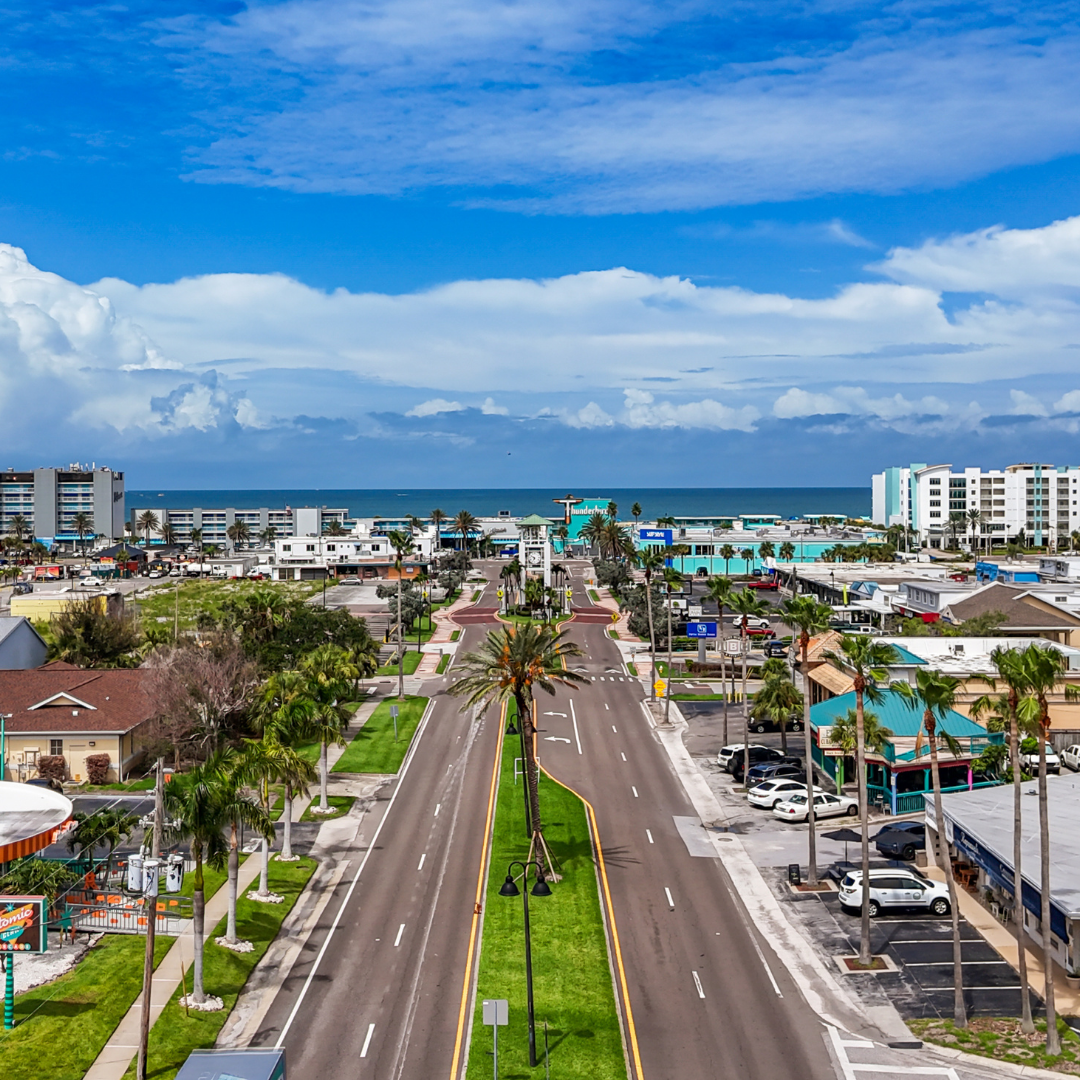 During a Special City Commission Meeting on February 24, the City Commission, acting as the evaluation committee, selected its top three consultants for the city’s master plan. These top contenders are:
- Cotleur & Hearing,
- Raftelis Financial Consultants,
- Calvin, Giordano & Associates.
Each team will present its proposals to the city commission at a special meeting scheduled for March 10 at 5 p.m., in the Commission Chambers.
|
|
|
This week is Rip Current Awareness Week, and in Florida, it’s especially important for both residents and visitors to understand what rip currents are, how to recognize them, and what to do if you encounter one. Each day, we’re sharing key safety tips to help everyone stay safe on our coastline.
How to Escape a Rip Current
It’s not always obvious when you’ve been caught in a rip current. One of the first signs is that—despite swimming toward shore—you aren’t making progress and may quickly become tired. In stronger rip currents, you may feel yourself being pulled away from the beach.
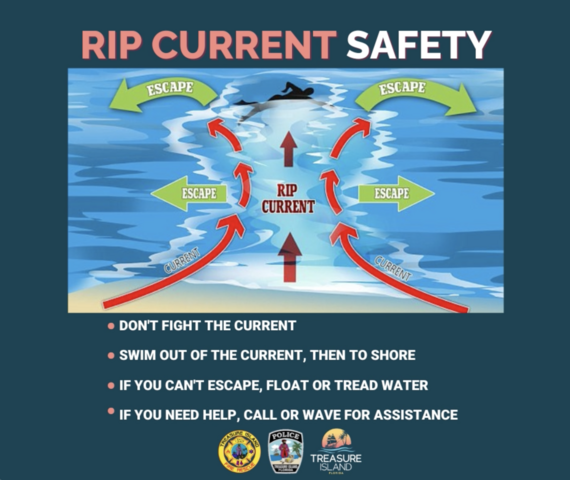
If you find yourself caught in a rip current, remember these steps:
• Stay calm and conserve energy
• Do not fight the current
• Swim parallel to the shoreline to move out of the current
• Once free of the current, angle back toward shore
• If you can’t escape, float or tread water and signal for help
• Face shore, wave your arms, and call out for assistance when needed
How to Spot a Rip Current
Rip currents often form where waves are not breaking, which can make the water look deceptively calm. The water may appear darker and you may notice a visible stream of foam, seaweed, or debris moving away from the beach. They are easier to identify from elevated areas, such as beach access walkways, and are more common near low tide or close to jetties and piers.
How Rip Currents Form
Rip currents develop when waves push water toward the beach and that water needs a path to return seaward. When the excess water funnels through a narrow area in the surf zone, a rip current forms. They occur more easily when waves approach straight-on, but can still develop in surf as low as one to two feet. While most common within a few hours of low tide, rip currents can form at any time.
Understanding Rip Current Forecasts
A vital part of beach safety is knowing the conditions before you go. The National Weather Service (NWS) issues daily nearshore surf forecasts using wave models and reports from local beach officials and lifeguards. These forecasts are published early each morning and updated as needed when conditions change.
The NWS uses three risk levels to describe rip current potential: low, moderate, and high. A high‑risk forecast means conditions are extremely favorable for numerous dangerous rip currents, making the surf hazardous for swimmers of all experience levels.
Rip Current Awareness Week is a reminder that preparedness saves lives. By knowing how to spot a rip current, how to escape one, and how to check daily forecasts, you can help keep yourself and others safe at the beach. Let’s enjoy Florida’s coastline safely
|
|
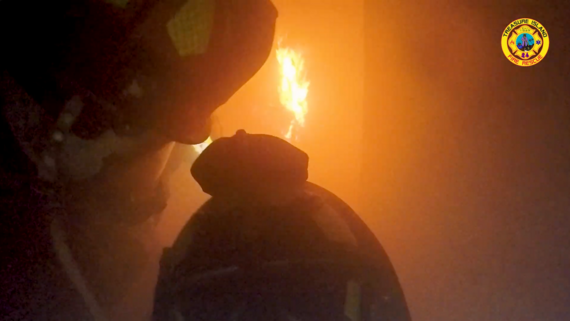 Ever wonder what separates everyday drills from the real deal? Live-fire training is where Treasure Island Fire Rescue firefighters step into controlled live burns with real flames, heat, and smoke — no simulators, no fake stuff.
It's hands-on practice that lets them:
- Push hoses deep into burning structure
- Search for victims in thick smoke
- Ventilate to control fire behavior
- Stay calm and work as a tight team when it gets loud, hot, and zero-visibility
Why it matters: This training builds the confidence and instincts needed to handle real emergencies. And it's done 100% safely — following strict NFPA standards, with safety officers, escape plans, full gear, and backup crews ready. Check out this video from our latest live-fire session.
FOLLOW THIS LINK for a video of TIFR's Live Fire Training.
|
|
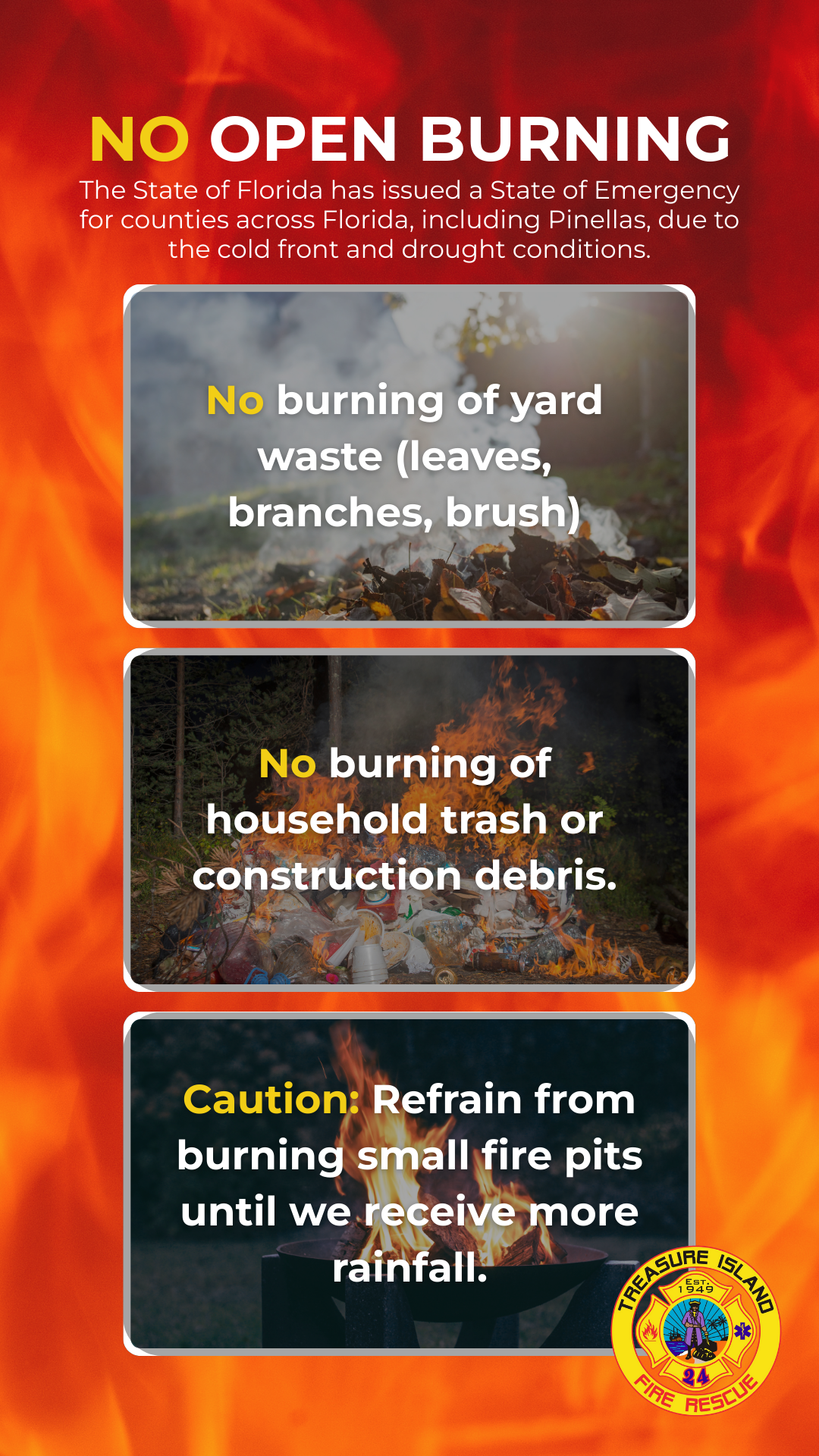 The State of Florida has declared a State of Emergency (Executive Order 26-33) because Mother Nature is clearly auditioning for the lead in “Extreme Weather: The Revenge.”
First, a frigid cold snap rolled through that had iguanas falling out of trees, and now we're baked into a drought. Over 95% of the state is drier than yesterday’s leftover pizza crust.
Here in Pinellas County, we're right in the crosshairs. That means NO OPEN BURNING. Pinellas County Ordinance Sec. 58-206: Burning yard debris (leaves, branches, brush, etc.) has always been a hard no here. But right now? With everything tinder-dry, even your innocent little backyard fire pit is basically auditioning for "Florida's Next Top Wildfire." One rogue spark + gust of wind = faster fire spread than tourists snapping pics of the sunset.
Quick safety recap:
- Yard waste (leaves, branches, brush) - Permanent nope.
- Trash, construction debris, household junk - Big nope.
- Recreational fires (fire pits, bonfires, s'mores sessions) - Hold off for now.
Thank you!
|
|
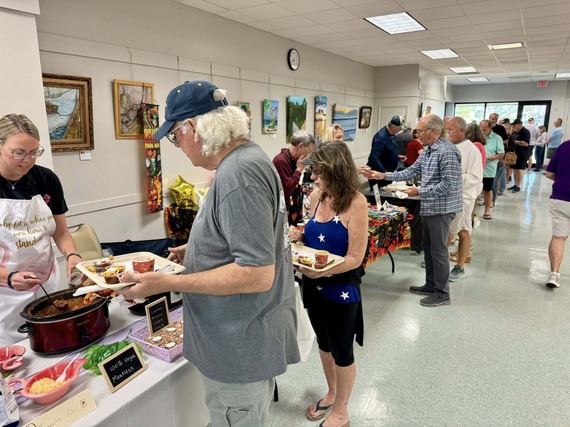 At the Treasure Island Fire Rescue Chili Cook-Off on February 20, the only thing hotter than the competition was the chili!
The chefs understood the assignment and brought flavors so bold they needed their own incident report. There were secret spices, surprise extras, and enough beans in one room to qualify as a natural gas warning system.
This Year’s Winners:
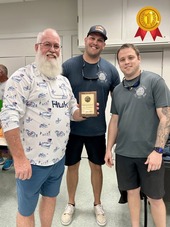
- 1st Place – Pat Wenzel
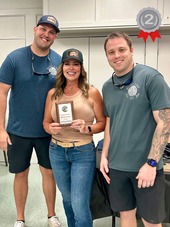
- 2nd Place – Vice Mayor Tammy Vazquez
- 3rd Place – Dot & Gary
- Best Decorated Table – Dot & Gary
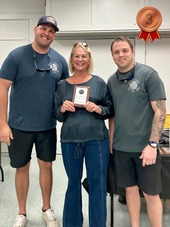
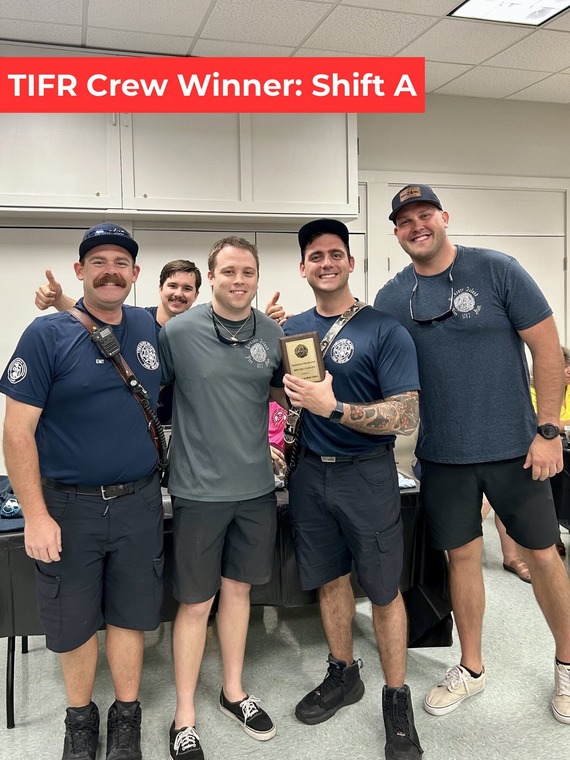
- And let’s hear it for the Treasure Island Fire Rescue Crew – Shift A! They took home Best Recipe out of all three shifts. Bragging rights secured.
Thanks to everyone who came out to stir the pot, spice up the night, and support your local heroes.
|
|
 The City of Treasure Island currently has several openings on its advisory boards and committees. These include two vacancies on the Code Enforcement Board, one vacancy on the Local Planning Agency/Planning and Zoning Board, and two vacancies on the LIFT Board.
|
|
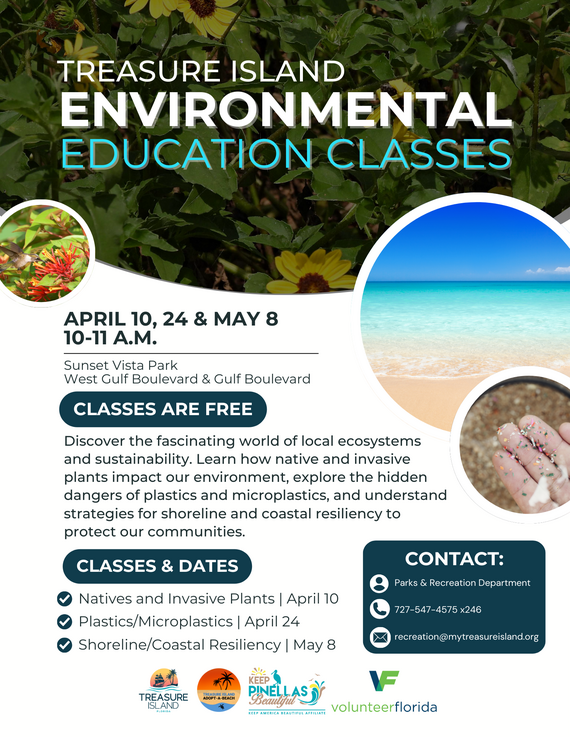 The city of Treasure Island, in partnership with Treasure Island - Adopt A Beach, Keep Pinellas Beautiful, and Volunteer Florida, is offering a few environmental education classes beginning next month to help you better understand our local ecosystems. The following classes are offered free of charge:
-
April 10: Natives and Invasive Plants
-
April 24: Plastics/Microplastics
-
May 8: Shoreline/Coastal Resiliency
Each class will be at Sunset Vista Park from 10 to 11 a.m.
|
|
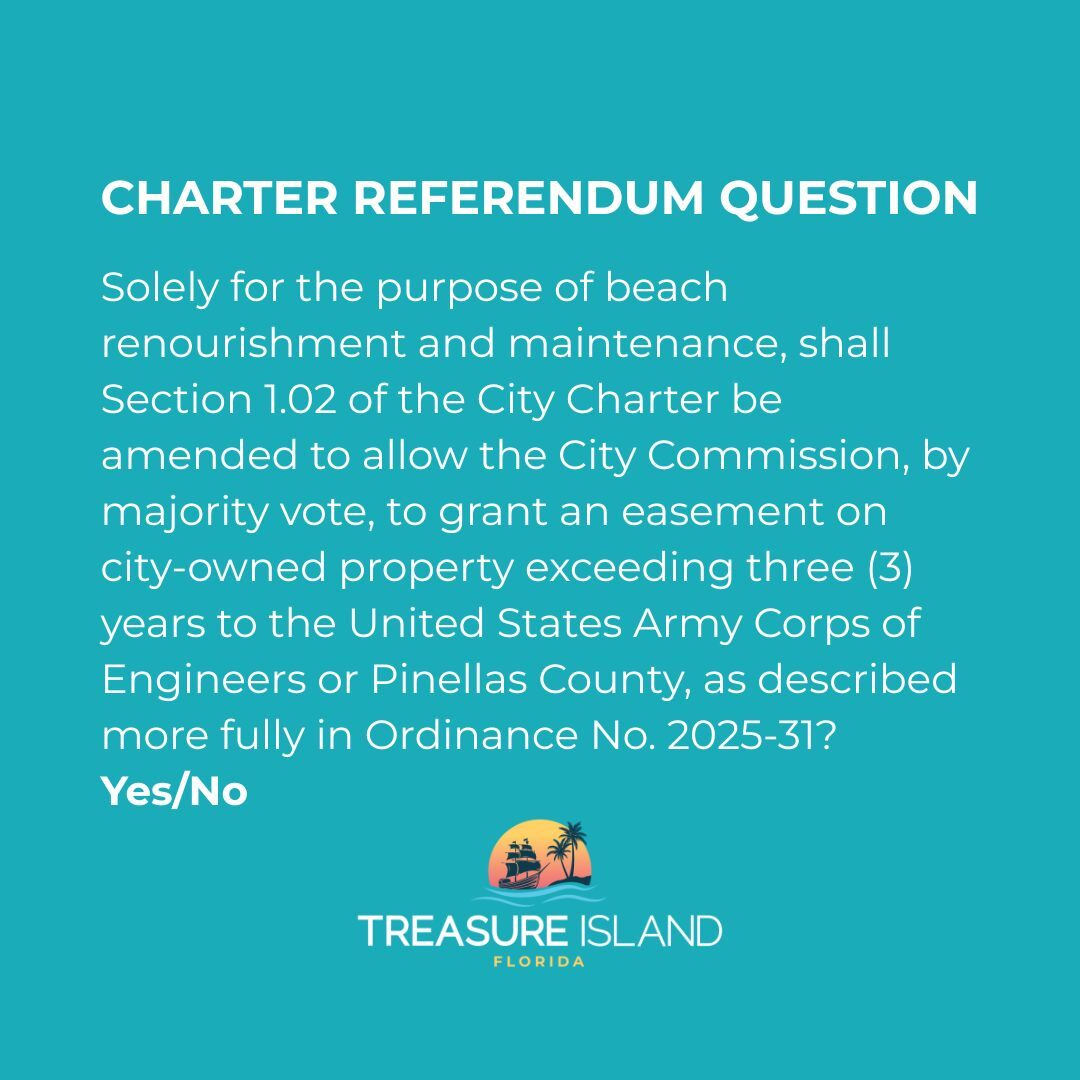 On Tuesday, March 10, 2026, Treasure Island voters will decide a key charter referendum at the Community Center. Polls are open 7 a.m. to 7 p.m. The question on the ballot:
Solely for beach renourishment and dune maintenance, should the City Charter be amended to let the City Commission — by a simple majority vote — grant easements (longer than 3 years) on city-owned property to the U.S. Army Corps of Engineers or Pinellas County?
✅ Yes, means the Commission can more quickly approve these easements to support vital beach restoration projects.
✅ No, keeps the current restrictions in place.
This change would help enable timely beach renourishment and dune work — critical for protecting our shoreline, preventing erosion, and maintaining our beautiful beaches after recent storms.
Follow THIS LINK to learn more details about the referendum, including background and the full ballot language.
|
|
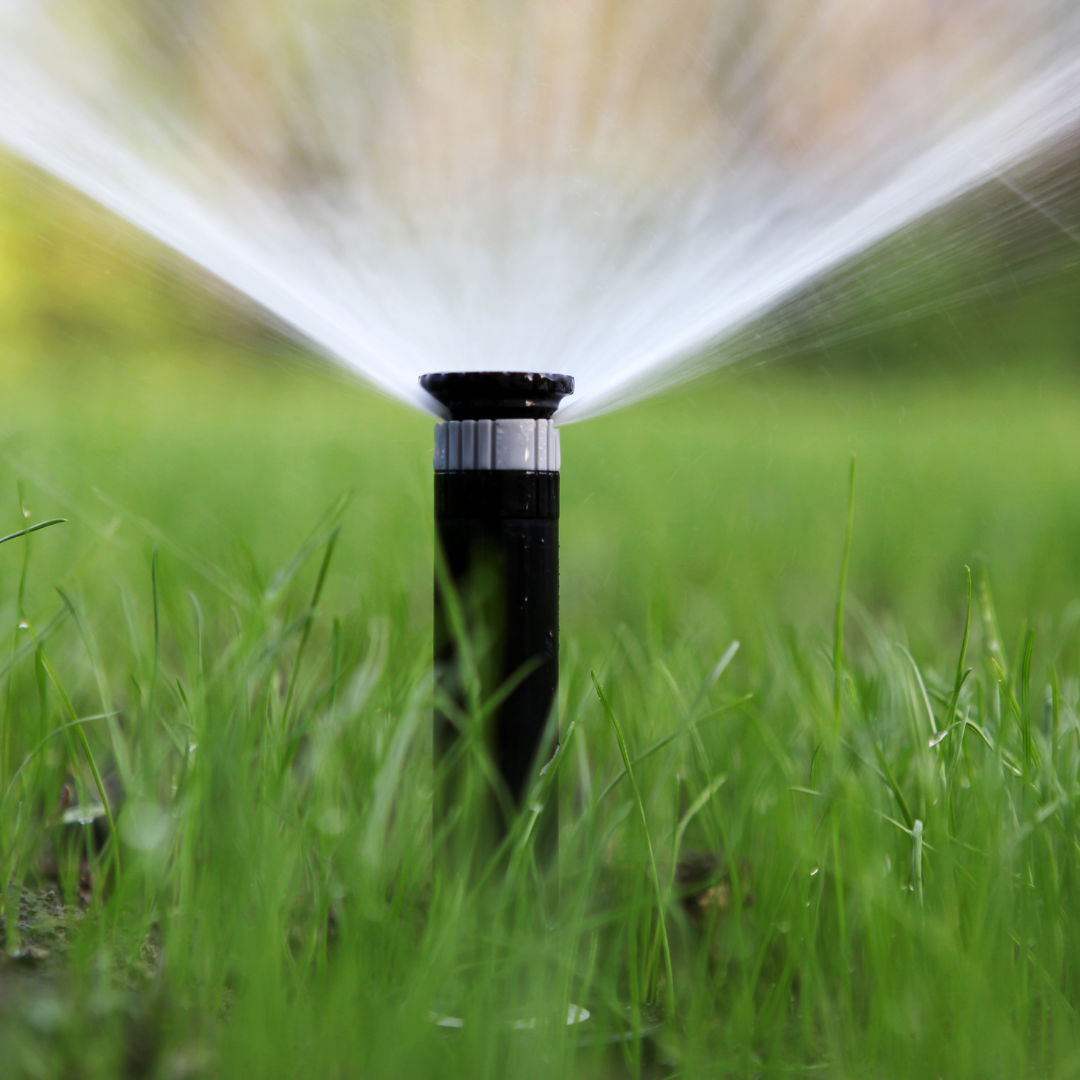 Due to below-average rainfall and declining water supply throughout the region, the Southwest Florida Water Management District (SWFWMD) has issued a Phase II Water Shortage Order that includes Pinellas County and other surrounding counties under its jurisdiction.
Pinellas County Utilities will move to one-day-per-week watering for all customers. Customers should monitor Pinellas County Utilities’ water restrictions webpage at pinellas.gov/watering-schedule-and-rules for up-to-date information, as restrictions can change at any time.
- Order remains in effect through July 1, 2026
- One-day-per-week watering restrictions issued countywide
- Customers should reduce unnecessary water use to conserve resources
Customers south of SR580 (all of Treasure Island)
- Addresses ending in even numbers (0, 2, 4, 6, 8): Tuesdays
- Addresses ending in odd numbers (1, 3, 5, 7, 9): Thursdays
- Mixed or No Address (such as common areas, entry areas/office complexes, shopping centers and other “no address” locations): Thursdays
- Watering using either potable or reclaimed water is not permitted between 10 a.m. and 4 p.m.
For more watering schedule and rules, visit pinellas.gov/watering-schedule-and-rules
|
|
|
|
|