November 2-5: The Waterbird Society’s 50th Annual Meeting will take place in Cape May, New Jersey. Register here by October 15.
October 2, 9 a.m.-12 p.m. (EST): Charlotte/Lee/Collier Partnership Meeting. Teams. Contact Megan Hatten or Jacob Wozny
October 6, 12 p.m.-2 p.m. (EST): Suncoast Partnership Meeting. Zoom. Contact Beth Forys or Kara Durda
October 9, 11 a.m.-1 p.m. (EST): Volusia Partnership Meeting. Beach Safety Headquarters, 515 S. Atlantic Ave., Daytona Beach. Contact Jennifer Winters
October 19, 9 a.m.-12 p.m. (EST): Space Coast Partnership Meeting. Nyami Nyami River Lodge at Brevard Zoo. Contact Yagen Gutierrez or Amanda Hipps
October 20, 10 a.m.-12 p.m. (EST): Nature Coast Partnership Meeting. Lovett E. Williams, Jr. Wildlife Research Laboratory, Gainesville. Contact Taylor Bell, Janell Brush or Blair Hayman
October 21, 10 a.m.-3 p.m. (CST): Florida Panhandle Partnership. Gibson Lecture Hall at Gulf Coast State College. Contact Collette Lauzau or Nick Vitale
October 22, 10 a.m.-12 p.m. (EST): Treasure Coast Partnership. Teams. Contact Niki Desjardin
October 28, 2 p.m.-3:30 p.m. (EST): Southeast Partnership. Teams. Contact Natasha Warraich
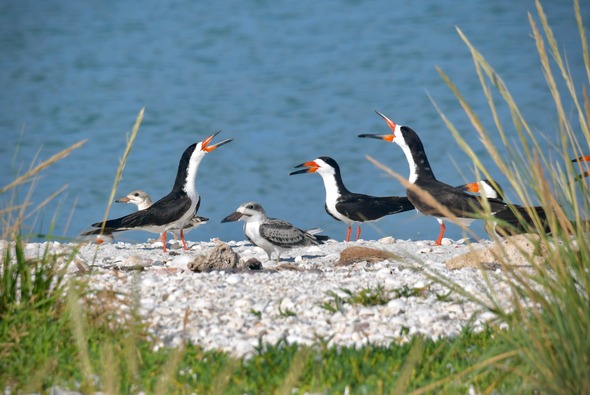 Black skimmers at Second Chance Critical Wildlife Area. Photo by Patrycja Lawryniuk
Every breeding season brings its own set of challenges, from unpredictable weather to human disturbance, and the ever‑changing coastal landscape. Yet each year also offers bright spots that remind us why FSA partners’ tireless efforts matter. Celebrating these successes helps keep hope at the center of Florida’s conservation story and emphasizes the importance of long-term planning and action to protect imperiled shorebirds and seabirds like state-threatened least terns and black skimmers. Despite the hurdles, 2026 gave us inspiring wins across the state.
For the first time since 1993, black skimmers successfully hatched chicks along the Sanibel Causeway. After more than three decades without a successful nesting attempt at this site, seeing chicks on the ground again demonstrates how persistence in monitoring and habitat protection pays off.
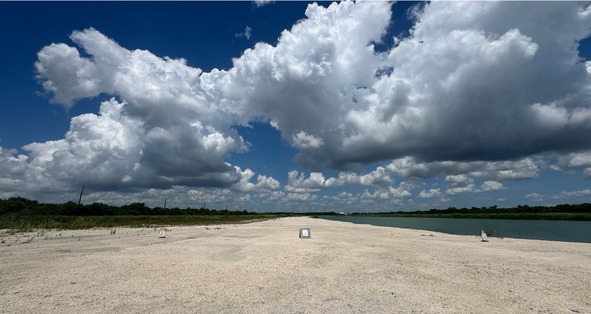 Least tern colony at Biscayne Bay Coastal Wetlands. Photo by Natasha Warraich
Least terns took advantage of improved habitat and established a ground‑nesting colony in Biscayne Bay’s newly restored coastal wetlands. The completion of the Biscayne Bay Coastal Wetlands (BBCW) Project created expansive, high-quality coastal habitat designed to restore natural freshwater flow and support wildlife.
Cayo Costa State Park had a pleasant surprise this year. Historically, the island has hosted one least tern colony near the lagoon. This breeding season, a second, unexpected colony nested on the southern portion of the island. Together, these colonies produced around 100 chicks!
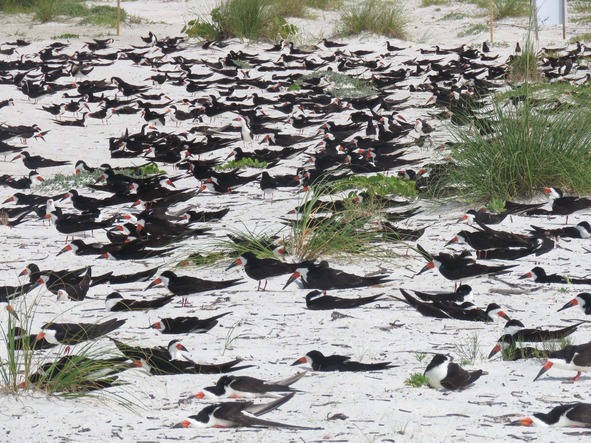 Black skimmer colony at North Lido Beach. Photo by Abby O'Donnell
North Lido Beach saw one of the season’s standout black skimmer colonies, with more than 400 fledges! This exceptional productivity shows what can happen when protected habitat, community support, and consistent monitoring come together.
Second Chance Critical Wildlife Area supported hundreds of nesting seabirds, including black skimmers and least terns. This year, black skimmers hatched about 200 chicks on the three‑acre sandbar, contributing to one of the strongest years on record.
Sheepshead Bayou, in the St. Vincent National Wildlife Refuge, hosted its first successful least tern colony in over a decade - at least 12 fledglings were produced from the small colony! Close coordination among FSA partners ensured important protections for the birds.
Drought conditions exposed an island on Porter Lake, a small inland lake in the Panhandle. Least terns were quick to notice the excellent new nesting habitat. FSA partners visited the site in July and documented at least 30 fledged chicks!
These successes only represent a portion of the positive seabird outcomes documented throughout the state this breeding season. They show that even in a challenging season, Florida’s seabirds continue to respond to protection, restoration, stewardship, and community support. Every successful colony, every fledged chick, and every restored piece of coastline strengthen statewide recovery efforts. Thank you to the partners, volunteers, land managers, law enforcement officers, students, interns, biologists, and researchers who made these achievements possible. Your dedication keeps hope alive on Florida’s shores.
Look out for shorebird season highlights in the November issue of the Wrack Line!
Partner Spotlight: Audrey Albrecht, Sanibel-Captiva Conservation Foundation
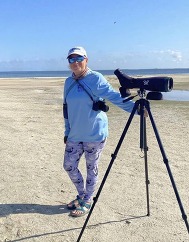
beach‑nesting birds, coordinating posting and stewardship, and staying in close communication with partners throughout the region.
Audrey grew up along the Connecticut coast and earned her degree in wildlife conservation biology and management from the University of Rhode Island. Before arriving in Florida, she worked in a wide range of wildlife positions across the country. These included shorebird monitoring in New England, habitat projects in California and Wyoming, and multi‑year banding and monitoring efforts with Virginia Tech and the U.S. Geological Survey. Her field experience eventually led her to Sanibel, where she celebrated her 10th anniversary with SCCF earlier this year.
In Lee County, Audrey works closely with Audubon staff, FWC biologists, local law enforcement, state parks, county personnel, and dedicated volunteers. Over the years, she has helped bring attention to overlooked nesting sites, maintained communication during restoration projects, and assisted partners in navigating monitoring needs during construction and storm recovery.
Audrey has witnessed both the long-term challenges and the remarkable resilience of coastal wildlife, such as the moment when familiar banded royal terns and local bald eagles returned to their usual spots just days after the islands were heavily damaged after Hurricane Ian. More recently, she celebrated the first successful black skimmer chicks to hatch at the Sanibel Causeway in more than 30 years. Alongside her shorebird work, Audrey also contributes to sea turtle monitoring, bald eagle surveys, and horseshoe crab tagging.
Through all the trials that come with conservation work, Audrey remains committed to keeping Lee County’s shorebirds protected. She recognizes how invaluable Florida’s coordinated shorebird efforts are, and she’s proud to be part of the continuing collaboration that supports imperiled bird species across the peninsula.
|

It’s possible that you’ve already heard from an FSD data reviewer. Please know that this is a normal part of the quality control process, and these conversations ensure your data will most effectively guide conservation, research, and management of these species. Additionally, partners can provide site-specific context regarding the shorebirds & seabirds that are breeding within a given region. This is invaluable information! Thank you in advance to all partners involved in this process.
If you have any questions, need assistance, or have additional information to provide about the data you’ve entered for 2026, please email us at FLShorebirdDatabase@MyFWC.com.
Thank you for being an essential partner in the shorebird monitoring program!
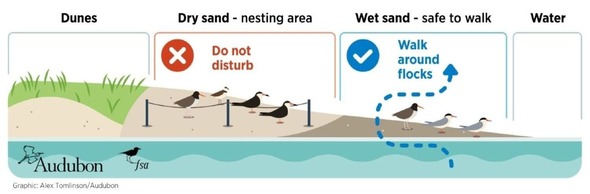
A new study published this summer shows that community-based social marketing (CBSM) can help reduce human disturbance and improve conditions for breeding shorebirds. The strongest benefits came from “walk‑around‑flocks” campaigns paired with on‑site stewards. These findings support the CBSM strategies already used by Florida Shorebird Alliance partners, who work directly with beachgoers to encourage bird-friendly behavior and create safer conditions for Florida’s shorebirds and seabirds during the breeding season.
You can read the full publication here.
You can help shorebirds by using best practices for shorebird-friendly photography: How to Be a Shorebird-friendly Photographer.
|