|
This year, Florida’s Wildlife
Management Areas turn 75. The fact that Florida has more conservation
land now than it had in 1941 is remarkable, and a just cause for celebration.
Florida was a much different state when the
seeds of today’s WMA system started to grow. Just under two million people
lived in the state and, in the face of widespread logging and development, few
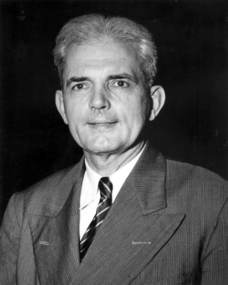
land parcels were safe. This changed with a forward-thinking move by Florida
Governor Spessard Holland.
 |
|
In late 1941, Governor Holland successfully
persuaded the Florida Legislature to enable Florida to accept federal funds for
conservation land acquisition.
The state purchased a huge tract of land just north of
Fort Myers, and the wildlife management area system was born with what is now
known as Fred C. Babcock/Cecil M. Webb WMA. Governor Holland tasked the Florida
Game and Fresh Water Fish Commission, today’s FWC, with the management of this
new property. Little did they know how much their workload would grow over the
ensuing 75 years.
|
What began as one 19,200-acre property in
south Florida evolved into an almost six-million-acre, statewide assemblage of
natural habitat. The areas play a critical role in helping FWC accomplish their
mission: managing fish and wildlife resources for their long-term well-being
and the benefit of people. Carrying out this mission requires foresight and
creativity as Florida continues to change. Today, over 20 million people call
Florida home with about 1,000 new arrivals each day.
The pressures on our remaining natural
heritage grow in step with that of the population. Increasingly, wildlife
management areas exist as islands surrounded by a sea of urbanization. Their
size and the complexity of the natural ecosystems they preserve maintain
important populations of many imperiled species. Without them, several species
would likely cease to exist.
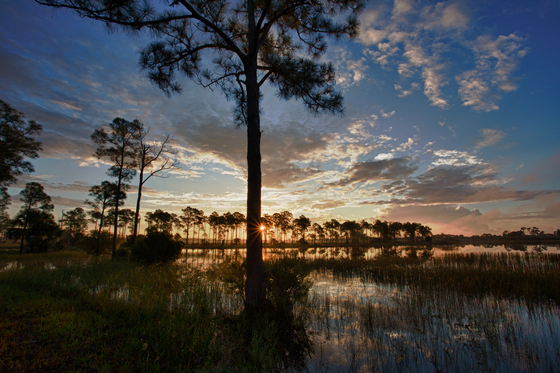 Babcock-Webb Wildlife Management Area
But it isn’t just species that would go
away. Many of the opportunities to hunt, fish and have a true Florida adventure
would vanish if WMAs ceased to exist. In some parts of Florida, where nature
must be sought out, wildlife management areas serve as an oasis for outdoor
enthusiasts.
“Our philosophy with wildlife management
areas is that we provide a more wild experience,” states David Johnson, section
leader for FWC’s Wildlife and Habitat Management Section. “It’s just nature, in
all its wildness.”
Due to the wisdom of past generations, millions of Florida residents have been able to experience this “wildness” over the past 75 years and will continue to do so into the future.
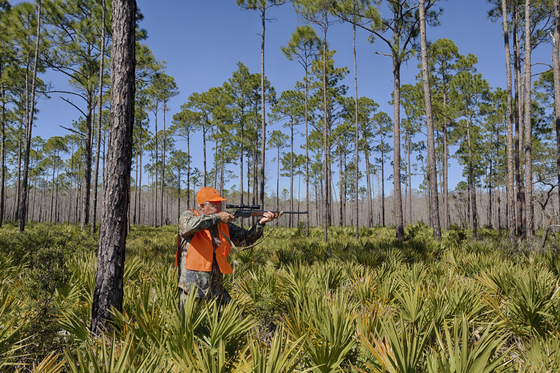
“Most people just don’t realize that there is likely a WMA close to them,” David says emphatically. “We want to reach out to the public of today and let them know what opportunities we have. And if they are interested in nature, we probably have something that they might enjoy.”
Whether
you want to view wildlife in natural surroundings, experience premier hunting
and fishing opportunities or simply escape from the hustle and bustle of daily
life, a WMA probably exists within an hour of you.
If the founders of the WMA system could look forward 75
years, they’d surely be celebrating right along side us.
|
Help Us Celebrate!
The 75th anniversary celebration will
feature a number of events throughout the year. These include citizen science
bioblitzes, a statewide geocaching challenge and many other events that cater
to all ages and interests.
|
|
 |
Having trouble viewing this email? View it as a Web Page.
|