|
OP, in partnership with the DC Preservation League, has published the History of the Latino Community in Washington, DC. This project, funded by the National Park Services’ Underrepresented Communities Grant Program, has resulted in new nominations to the D.C. Inventory of Historic Sites and the National Register of Historic Places.
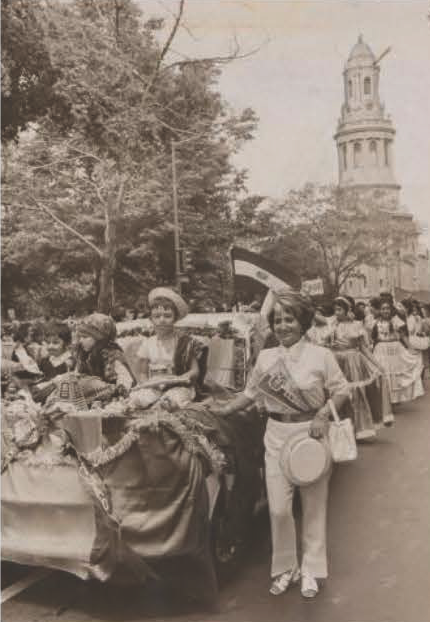
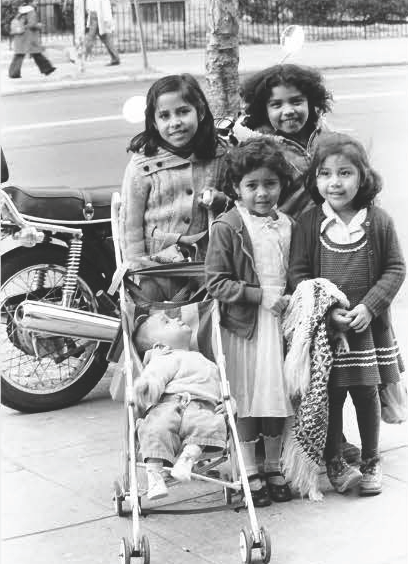
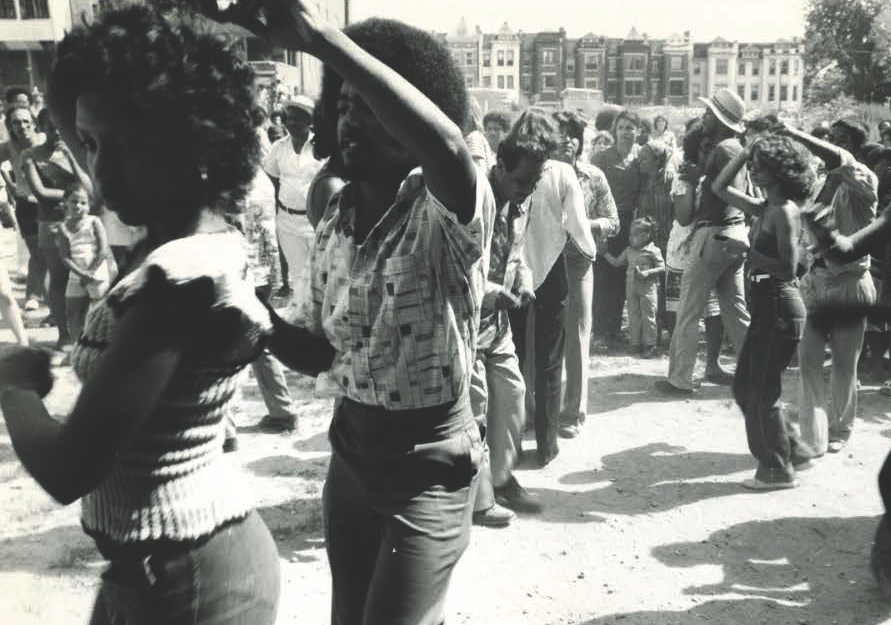
The legacy of DC’s Latino community can be seen in businesses, organizations, and public spaces across the city, especially in the neighborhoods of Adams Morgan, Mount Pleasant, and Columbia Heights. This community’s history in DC dates back to the early 1940s when Puerto Ricans and Mexican Americans arrived in the capital to obtain work in the expanding federal government and fill in labor shortages in other trades during World War II. In the 1950s and 1960s, Latin American diplomats brought embassy staff to Adams Morgan, moving in alongside an influx of Dominicans and Cubans entering America for economic opportunity and an escape from political conflict in their home countries. By the 1970s, the city even considered rebranding Adams Morgan as “The Latin Quarter” due to the prolific number of Spanish-speaking and Latin-owned businesses, restaurants, and shops. The growing Latin-American community continued its expansion into Mount Pleasant and Columbia Heights through Salvadoran and Central American immigration in the 1970s and 1980s, as civil war and domestic unrest unfolded in various nations. This influx of immigrants throughout the years was not entirely without strife, most obviously demonstrated by the Mount Pleasant Uprisings of 1991, but the impact of the Latino community on the District is undeniable.
Today, the Hispanic and Latino populations combined make up 11.3% of DC residents. Yet only five entries in the DC Inventory of Historic Sites represent this community in any way. The nomination for the Mount Pleasant Historic District, written in 1986, makes no mention of the neighborhood’s substantial population of Salvadorans (DC’s largest immigrant population) or the historic uprisings of 1991. This context study has resulted in two new landmark nominations – the House of Mercy/Rosemount Center and the Latin American Youth Center – and an amended nomination for the Mount Pleasant Historic District. The existing Mount Pleasant Historic District nomination will be updated to include Latino, specifically Salvadoran, history.
View the History of the Latino Community in Washington, DC. The report is available in English and Spanish.
|