|
Kristen Sigg, Communications Specialist |
|
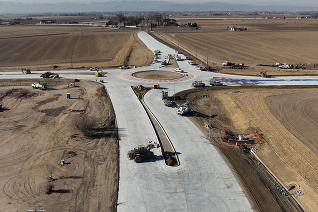
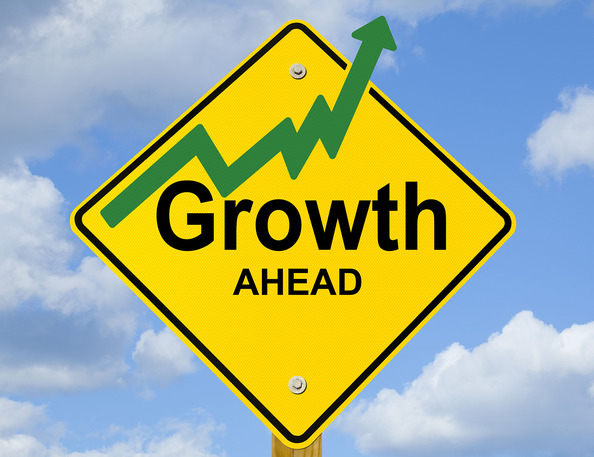
Growth is not a new concept for Weld County. It’s been happening for years, and it’s becoming ever more visible. Roundabouts are popping up in rural areas, more apartment complexes are being constructed in Weld County municipalities, and in 2015, the first county-controlled stoplight was installed at the intersection of Weld County Road 60.5 and WCR 47.
Growth is no longer coming; it is here, and it is something that affects everyone differently. To ensure smart growth throughout Weld County, the Weld County Planning and Zoning Department and the county’s 32 municipalities are working together to develop growth goals that work for everyone.
Such a task is challenging because some municipalities favor oil and gas development over solar, for example, while others have their own vision for agricultural growth that differs from the county’s. Growth is not a “one size fits all” approach. Municipalities are responsible for growth within their jurisdiction, while the county governs growth in unincorporated Weld County. Despite having different roles, coming together is critical to maintain sustainable development.
"Weld County’s size is unique at just over 4,000 square miles and home to 32 municipalities. Most counties this size have around six to seven municipalities,” said Elizabeth Relford, Interim Director of the Weld County Planning Department. “While our goals and visions may be different, it is important to have discussions to ensure we are collaborating and partnering effectively and efficiently.”
Before collaboration begins, municipalities take an active approach in their own growth goals through comprehensive and 3-mile plans — an action required in state statute. Ft. Lupton and Eaton are among two of the municipalities that have worked on 3-mile plan updates this year. This long-range plan is important because it helps municipalities consider where they want to annex, how they will provide service in the newly annexed areas, and how they will sustain adequate levels of service throughout the rest of the municipality. It also ensures that the municipality will annex land only when it is consistent with pre-existing plans for the surrounding area.
Since 2018, Ft. Lupton's population has steadily increased, presenting both exciting prospects and the responsibility to provide necessary resources, services, and amenities. While the city of Ft. Lupton has just over 8,500 residents, the areas outside the town are growing as well as the current population within 10 miles of the city is over 118,000, according to facts and statistics related to Ft. Lupton’s growth.
|
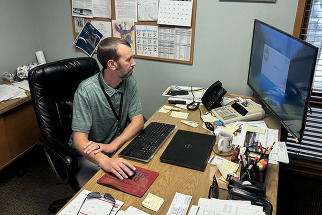
Chris Cross, a native of Ft. Lupton and the current City Administrator for the town, sees growth as an opportunity. However, he also recognizes the challenges it brings and emphasizes the importance of a partnership with Weld County. One of the fundamental principles of this partnership is the recognition that managing growth requires a unified effort, as the 3-mile plans include areas in unincorporated Weld County next to municipal boundaries that could possibly be annexed.
Cross stressed the importance of involving all parties in decision-making, advocating for the involvement of all stakeholders, including property owners, developers, and municipalities, in shaping the county's future. Something to note is that annexation into a municipality from a growth area cannot happen without the property owner’s consent.
"Every voice counts, and you need to have everyone involved from the very beginning of the planning process," Cross said, speaking on the importance of being involved in planning discussions. “Whether a resident starts their process at the county or the municipality, if it is in a growth area, all respected parties should be included as the decisions made will affect the county, Ft. Lupton, and the property owner."
|
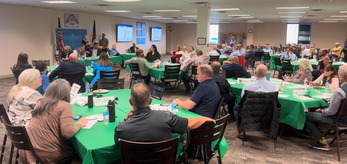
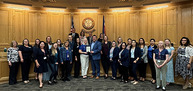
To bring everyone to the table, the Board of Weld County Commissioners organized a community meeting on April 11. Municipal leaders, elected officials, and planning staff from all associated entities were invited to discuss the future of growth in the county and update coordinated planning agreements to ensure that growth occurs in the right areas within designated growth boundaries between the county and municipalities. This meeting also helped everyone better understand what a healthy coordinated planning agreement would entail.
Coordinated planning agreements are just one example of how Weld County collaborates with municipalities. Through these partnership agreements, agencies work together to ensure that growth is managed strategically, taking into account the needs and priorities of all involved. During the meeting, attendees had the opportunity to envision future land developments while considering the impact on residents and land in both incorporated and unincorporated areas. They also heard from other neighboring municipalities on what they would like to see in their growth boundaries. More than 70 participants engaged in discussions.
Relford emphasized the value of the meeting, stating, "It's important to have these discussions. It's important to hear from each entity as to how they define appropriate uses in their agricultural areas and how they want to see county growth near those areas. We respect the unique attributes of each municipality.”
While no formal decisions were made during the meeting, it served as a successful step in continuing the discussion on growth. The next steps will involve continued collaboration and individual meetings with municipalities to make informed decisions. Eaton Mayor Scott Moser recognizes the benefits of collaborative planning and expressed his appreciation in a letter to the Weld County Board of Commissioners following the April meeting. He thanked them for their commitment to updating coordinated planning agreements, which he considers important documents that share the collective vision for the future of development within municipal urban growth areas. Moser emphasized the collaborative relationship between Eaton and Weld County and looks forward to continuing coordinated land management practices that prioritize the well-being of communities and residents.
One can expect growth to continue. Weld County’s population has increased approximately 30% in the last decade, according to U.S. census data, and the county is one of the fastest growing in the state, with a population expected to exceed 600,000 by 2050, according to the state demographer’s office.
That could mean more roundabouts, apartments and stoplights, but the discussions and collaboration happening today can help keep the county growing in a way that ensures land use is efficient and aligned — and that helps municipalities stay uniquely tailored to their residents.
|
|
|
If needed, the county is prepared to create 32 coordinated planning agreements (one for each of the county’s incorporated municipalities). |
Weld County's 32 municipalities differ between urban and rural lifestyles, making collaboration important in the face of continued growth. |
A second community meeting was held May 20. A second reading of code changes pertaining to growth will occur June 12, 2024, during the BOCC meeting at 9 a.m. |
|
|
miscellany: a group of or collection of different items.
- The publication of this issue of County Roots marks the 125th issue since it debuted in 2019.Through our many different stories, we've enjoyed showing the important work county government is doing on behalf of you, our residents, and we look forward to telling many more great stories in the future. We know this effort wouldn't be possible without our readers and subscribers — a number that has grown from a few hundred in 2019 to well over 5,000 today. Thank you for your support! If you aren't yet subscribed, consider doing so to receive issues directly to your email inbox. Learn more about County Roots and subscribe!
- June 15 will be proclaimed World Elder Abuse Awareness Day at the Board of County Commissioners meeting on June 12. Weld County’s Area Agency on Aging’s Adult Protective Services and community partners are committed to the support and protection of at-risk adults through advocacy, investigations of mistreatment, and arrangement of services. Weld County’s older adults are valued members of society, and it is our collective responsibility to ensure they live safely and are treated with dignity. Learn more about Weld County Adult Protective Services.
-
Staff with Weld County’s Community Development Block Grant (CDBG) program wants to hear residents’ thoughts on the 2024 Annual Action Plan. Feedback can help determine if this year’s action plan meets the program’s national objectives of benefiting low- and moderate-income individuals. Review the plan. Feedback and thoughts can be shared by emailing erelford@weld.gov by 5 p.m. on Sunday, June 9, 2024.
|
|
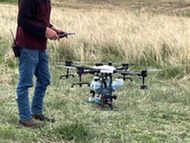
Every year, staff within the Weld County Weed Division works to control, suppress or eliminate noxious weeds throughout Weld County. Recently, a new high-tech team member joined the battle and it's expected to bring greater efficiency to the fight. Learn more in the next issue of County Roots.
|
|
|
|
Welcome to County Roots, the official newsletter of Weld County Government. For those of us who work in county government, we think what we do is pretty interesting. So the goal of this newsletter is to highlight some of the partnerships, technology and efficiencies we are using to make government stronger and more effective for its residents.
Our goal is to establish regular communication with residents, spur interest in county projects, highlight county accomplishments and provide meaningful information to the public. In fact, our goal is to live up to the name “County Roots.” Want to know more about the meaning behind the name? Please visit our webpage, where you can also find previous editions of this newsletter.
|
|
|
|
|