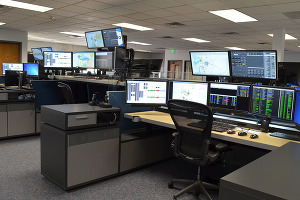
The support Powell speaks of from past and current commissioners has resulted in the continual implementation of Next Generation 911 technology. Shortly after the WCRCC moved to its new home, the Front Range Communications Consortium was created — a radio system to improve communications between public safety personnel from the 43 law, fire and EMS agencies that Weld County dispatches for as well as public safety personnel in Adams County.
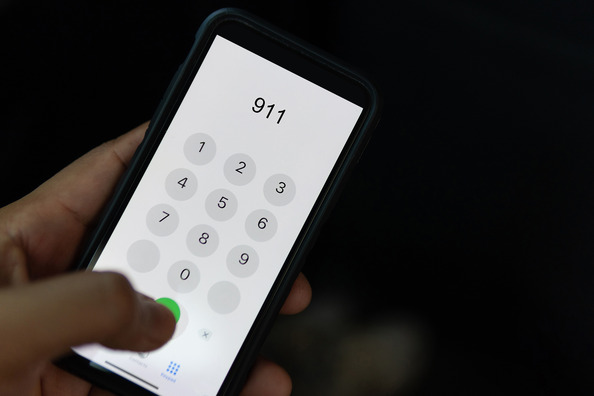
Text-to-911 debuted in 2017, an option that brought the public increased accessibility in emergencies. Text-to-911 allows residents to contact 911 when talking isn’t an option or would put them in danger. Since its debut, more than 1,500 text sessions have been initiated into the WCRCC.
Another, more recent , technological advancement was the implementation of CentralSquare in 2022, an effort that resulted in in a new computer aided dispatching system with many features that allow dispatchers to more quickly pinpoint someone’s location and route emergency responders.
The investment in technology has brought the vision for the WCRCC to reality. Today, staff — 911 dispatchers, call-takers, radio technicians, and an administrative and training team — meet a much bigger demand. Weld County, one of the fastest growing in the state, is now home to approximately 350,000 residents as of 2022, the latest data available from the U.S. census. The figure, a 26% increase from 2014, has resulted in a greater need for 911 service. In 2023, the number of 911 calls taken totaled 147,605 — a 51% increase over 10 years — and the number of administrative calls totaled 313,027.
Technological tools have aided Weld County Public Safety Communications in keeping up with the demand for 911 dispatching service, but the true success and advancement of the department comes down to the professionals who answer 911 calls.
It’s in both personal achievement and a continued commitment to quality service that Laurie Pfeiler, Deputy Director of the Weld County Department of Public Safety Communications, takes the most pride. Like Powell, she also witnessed the transition of public safety communications and has seen its continued progression.
“As the county has grown, we’ve been able to grow with it,” she said. “Our ability to grow and evolve has been critical to our success.”
To Pfeiler, that growth and evolution has less to do with technological achievements and more to do with the desire of staff to continue providing the best 911 services possible. Over the years, the space in the WCRCC, a 10,316 square-foot facility, has allowed for the addition of training and quality assurance teams, both of which have created a more well-rounded approach to emergency response.
The quality assurance team reviews individual calls to help dispatchers meet proficiency standards that ensure the best service during emergencies. The result of this work can be seen in the many Lifesaver and Stork Awards received by dispatchers who are proficient in call-taking standards and help save a life or deliver a baby. Dispatchers have also been recognized by outside agencies, such as the City of Greeley and Platteville-Gilcrest Fire Protection District.
There is also an added emphasis on training, something the department does in its fully functioning backup center. It mirrors the WCRCC, which Pfeiler said is a big benefit to new dispatchers. It also provides redundancy if the WCRCC becomes inoperable, along with more space for staff. Adding to the backup center’s benefit is an agreement the county has with Adams County, which allows its public safety communications team to use it if needed.
|