Bringing you updates on California's Outdoors for All movement
November 2026
California’s Fall and Winter Hunting Seasons Are in Full Swing
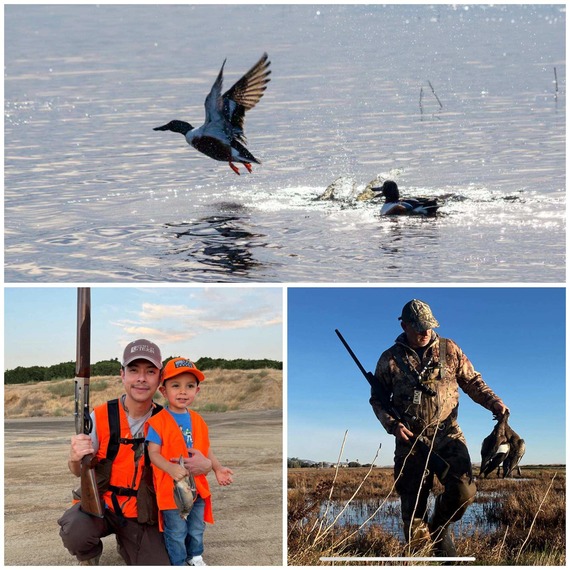
California’s fall and winter hunting seasons offer opportunities to take part in wildlife recreation across the state, from dove hunting in inland valleys to waterfowl hunting in wetlands and coastal habitats. The California Department of Fish and Wildlife (CDFW) offers public hunting opportunities at wildlife areas and ecological reserves across California. License and validation fees pay for habitat restoration and wildlife management that benefit species far beyond the birds themselves.
-
Dove season: The second segment is scheduled for November 14–December 28. Hunters may pursue mourning and white-winged doves from a half-hour before sunrise to sunset. View dove hunt information to learn more.
-
Waterfowl season: California’s 2026–27 waterfowl season began October 24 in most zones, offering opportunities to hunt ducks and geese in wetlands, flooded fields and other waterfowl habitats. Opening and closing dates, daily bag limits and possession limits vary; consult the 2026–27 hunting and public lands regulations for details.
-
Free hunts at Eden Landing: CDFW is offering free waterfowl hunts at Congressman Pete Stark Ecological Reserve at Eden Landing in Alameda County. Check-in is at 4:30 a.m. on the following dates: 2026: November 21 and 24; December 5, 8, and 19; 2027: January 2, 5,16,19, and 30. Learn more here.
Visit SNO Parks this Winter

Enjoy California’s winter recreation season at 18 SNO-PARKS and 29 snowmobile trailheads operated by California State Parks’ Off-Highway Motor Vehicle Recreation (OHMVR) Division, in partnership with the U.S. Forest Service, Caltrans, counties and local landowners. These sites offer opportunities for snow play, cross-country skiing, dog sledding, snowshoeing and snowmobiling.
Know Before You Go: A SNO-PARK permit is required. Permits cost $15 per day or $40 for a season pass, valid November 1 through May 30.
Celebrate Native American Heritage Month
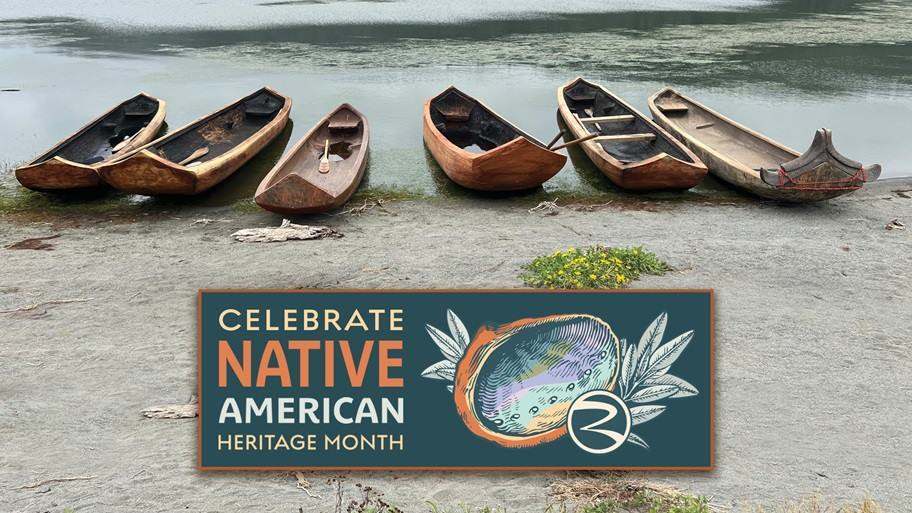
November is Native American Heritage Month, a time to recognize and honor the diverse history, cultures, traditions and contributions of California Native Americans as first peoples.
The month’s celebrations at CNRA began with the latest installment of the Secretary Speaker Series, “A Look to the Future: Tribal Youth Stewards.” Secretary Wade Crowfoot spoke with tribal youth—the next generation of tribal stewards—to listen to their visions for the future of California’s lands and waters. The agency also hosted a career panel titled “Native Women in Leadership” that highlighted the journeys, accomplishments experiences, and challenges of Native women at CNRA. The discussion aimed to inspire more people to help create a future where people and nature thrive together.
Thank you to everyone who plans and supports commemorative months throughout the year. Through this work, CNRA deepens its understanding of and ability to serve California’s diverse communities while recognizing the important roles that culture, community, and stewardship play in fostering more inclusive relationships with California’s natural and cultural resources.
Celebrate Off-Highway Vehicle Safety Week, November 14-22
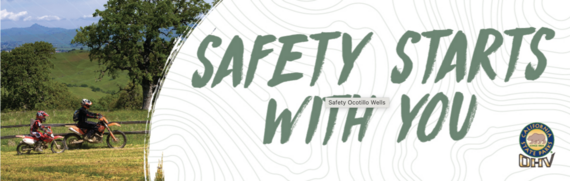 Join California State Parks and its Off-Highway Motor Vehicle Recreation Division in celebrating the fifth annual Off-Highway Vehicle Safety Week! Starting tomorrow through November 22, free ATV, side-by-side and motorcycle safety classes will be offered statewide in collaboration with RideOHV.com. California’s state vehicular recreation areas will offer OHV safety-focused programming, such as junior ranger programs, informational pop-ups and a poker ride. The week will culminate by celebrating Ocotillo Wells SVRA’s 50th anniversary on Saturday, November 21.
California and Tribal Leaders Celebrate Opening of the California Indian Heritage Center’s First Phase, Now Open to the Public
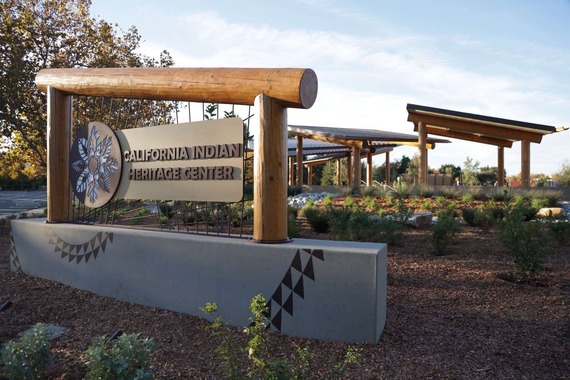
On November 6, the Newsom Administration joined Tribal leaders and members of the public to celebrate the opening of the project’s first publicly accessible phase of the California Indian Heritage Center (CIHC), located at the confluence of the American and Sacramento rivers in West Sacramento. It features an interpretive shade structure, seating and gathering areas, trails, walkways and interpretive exhibits. The site is also where the Governor issued a formal apology in 2019 for the state’s role in historic atrocities committed against Native Americans. Once completed, the center will serve as a statewide hub for cultural preservation, education and exchange.
Today’s ribbon cutting is the culmination of decades of hope, adaptability, and effort by generations of California Native people and partners who have worked tirelessly to realize a place that honors all California tribal communities,” said Tribal Affairs Secretary Christina Snider-Ashtari. “As we look forward to the full buildout of the California Indian Heritage Center in coming years, the new welcome area creates a beautiful entry point to exploring these lands and waters as well as learning more about the first people of this place in a way that embraces Native and non-Native Californians alike.
City of South Lake Tahoe Completes Tahoe Valley Greenbelt Project
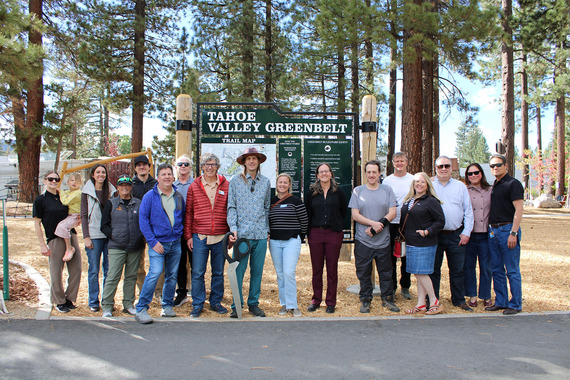
The City of South Lake Tahoe recently celebrated the ribbon-cutting for the Tahoe Valley Stormwater and Greenbelt Improvement Project in the South Tahoe “Y” area. The Greenbelt provides new trails for walking, biking and rolling, by creating connected green spaces for residents and visitors.
The project also includes stormwater improvements designed to reduce pollution flowing into Lake Tahoe and improve drainage from storms and snowmelt, helping to address flooding in the area.
More than $2.8 Million Awarded to 33 Community Organizations for Arts in California Parks
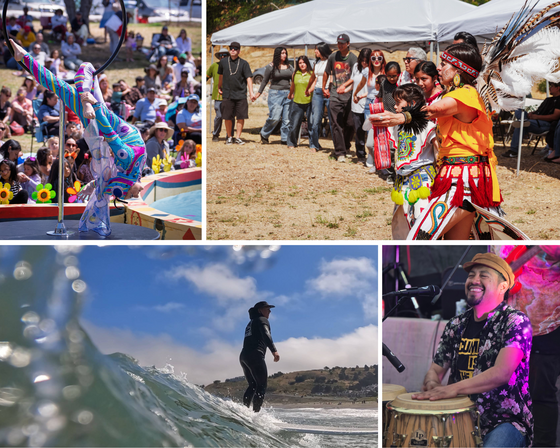
California State Parks, the California Arts Council, and Parks California have announced $2.8 million in grants to 33 organizations statewide as part of the Arts in California Parks partnership. The five-year pilot initiative has invested more than $8.2 million to support 94 organizations and more than 300 community arts events across California parks.
The grants enable culture bearers, tribes, and local and nonprofit organizations to create accessible community art experiences in parks. Projects include large-scale performances, hands-on workshops, and culturally focused installations that foster creativity, honor cultural heritage, and connect communities with nature and local history.
California Advances Proposals for New and Expanded Marine Protected Areas
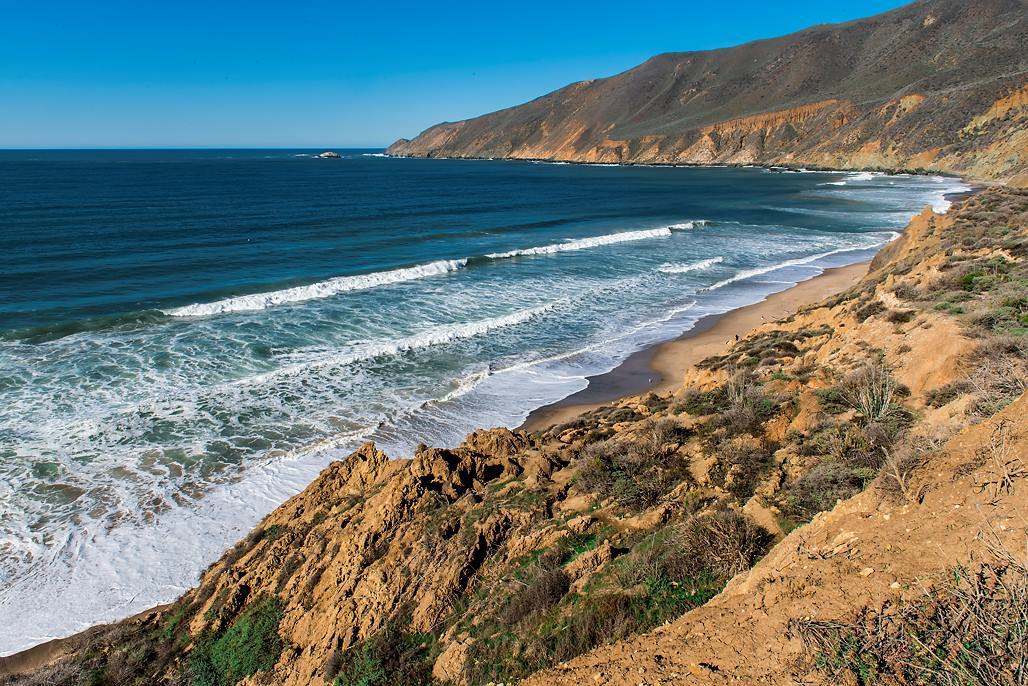
The California Fish and Game Commission has advanced seven marine protected area petition actions for consideration in future rulemaking, including two tribally led proposals for new protected areas at Point Sal in San Luis Obispo County and Carpinteria Reef in Santa Barbara County. The proposals will undergo environmental review and further rulemaking before any new protections take effect. The Commission also supported moving four non-regulatory actions forward. The next meeting is scheduled for De.15–16, 2026, in Sacramento, with options to participate in person, by Zoom, or by phone.
California State Parks and Partners Improve Access to Outdoor Spaces
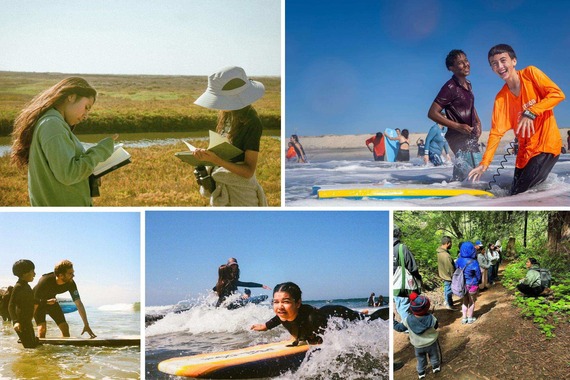
California State Parks partnered with nonprofits Friends of Santa Cruz County Parks, Outdoor Outreach and Un Mar de Colores, as part of a first-of-its-kind pilot program in San Diego and Santa Cruz aimed at breaking down barriers to parks and outdoor recreation. Through the pilot, youth and families who have historically faced barriers to the outdoors have taken part in activities including surfing, kayaking, camping, guided nature walks, environmental education and outdoor leadership opportunities at state parks and beaches.
California State Parks Director Armando Quintero affirmed the importance of this work, stating, “removing barriers to state parks and promoting a sense of belonging is at the heart of Outdoors for All, and this pilot program is a great example of how to make that a reality.”
The pilot program will continue through Jan. 1, 2029. State Parks will collect data and prepare annual reports evaluating the agreements’ effectiveness, benefits and impacts. Findings from the pilot will help inform a final report to the Legislature due Dec. 31, 2028, and could help shape future partnerships aimed at making California’s state parks more accessible and welcoming to all.
Emerald Necklace Mobility Hub Opens at Santa Fe Dam
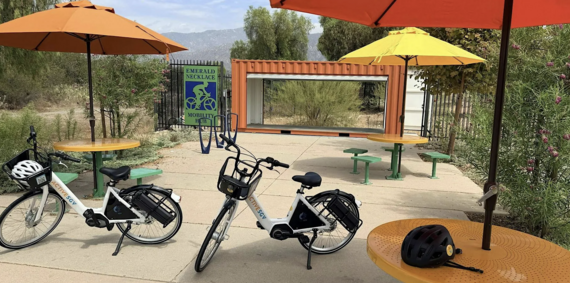
The Emerald Necklace Mobility Hub at Santa Fe Dam has opened as the first community activation of Los Angeles County’s Urban Natureways Initiative, a countywide effort to connect parks, trails, waterways, green spaces and communities while expanding access to nature and active transportation.
The Rivers and Mountains Conservancy has supported the vision for the Emerald Necklace for decades, including a $200,000 feasibility study grant in 2010 and a recent $760,786 award to Los Angeles County Parks and Recreation for the mobility hub project.
Operated and programmed by ActiveSGV in partnership with LA County Parks, the hub offers free resources for bicyclists, including bike racks, e-bike rentals and helmets, helping reduce cost barriers to outdoor recreation. It is the first of three planned mobility hubs along the 17-mile trail network, which aims to create a continuous loop connecting parks and natural spaces throughout the San Gabriel Valley.
California State Parks Awards More Than $28 Million for 136 Off-Highway Vehicle Recreation Projects
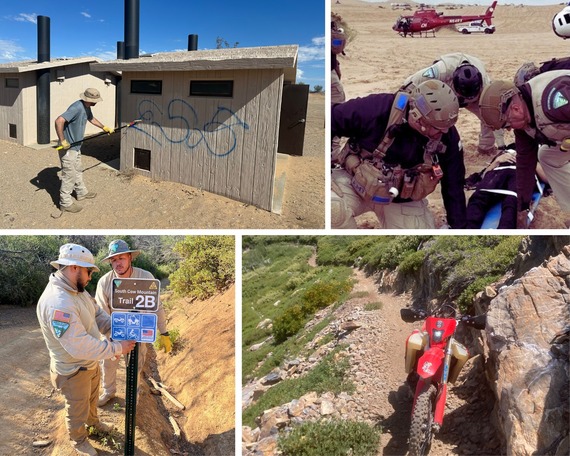
California State Parks’ Off-Highway Motor Vehicle Recreation Division awarded $28.1 million through its 2026 (G26) Grants and Cooperative Agreements program. Eighty-one local and federal agencies, districts, and nonprofit organizations will receive funding for a total of 136 off-highway vehicle OHV recreation projects.
Supporting California’s Outdoors for All initiative to expand access to nature, these grants support a range of efforts, including maintaining trails for OHV use and for motorized access to non-motorized recreation, educating the public about safe and responsible OHV recreation, protecting wildlife, property, and natural and cultural resources, and restoring habitat damaged by both legal and illegal OHV use.
Anza-Borrego Foundation Opens New Paths to Desert Discovery
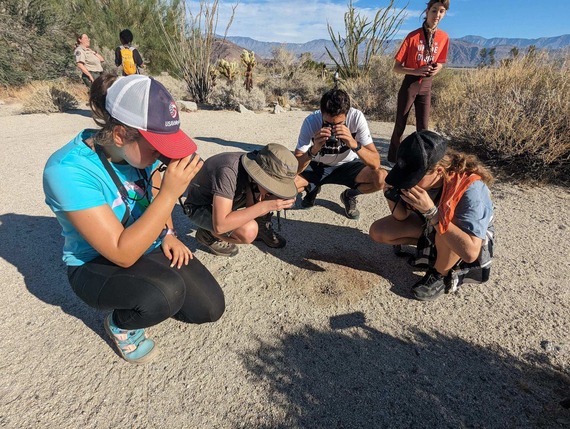 Photo: Anza-Borrego Foundation
From its expansive desert landscapes and remarkable plant diversity to its dark, star-filled skies, Anza-Borrego Desert State Park offers a distinctive way to experience California’s outdoors. At 650,000 acres, it is California’s largest state park as well as its most biodiverse, home to more than 600 native plant species. Recognized as an International Dark Sky Park and a Quiet Conservation Area, Anza-Borrego is a place for visitors to explore, learn and connect with the desert.
Anza-Borrego Foundation (ABF) helps make these experiences accessible to more people through programs that, as Education Director Samantha Young describes, “guide people of all ages and backgrounds outdoors to experience the beauty and peace of Anza-Borrego Desert State Park.” Offerings include guided hikes and four-wheel-drive trips, California Naturalist courses, school and family camping trips, photography and art workshops, and digital resources for nature exploration and classroom learning. Over the past four years, the Foundation has expanded to offer five times more programs, reach six times more participants, and provide 14 times the number of free or reduced-fee programs.
Below is a list of current grant opportunities offered by government and private entities. A list of all California State Grant opportunities can be found online at www.grants.ca.gov. Please review the eligibility requirements and application deadlines for each opportunity, and feel free to share this information with others who may benefit. Also consider subscribing to CNRA’s Bonds and Grants distribution list for updates on grants, including application cycle dates, technical workshops, and staff office hours.
Due December 11
-
James E. Cook Nature’s Classroom Grant: Western National Parks offers K–12 educators up to $750 for virtual or in-classroom experiences and up to $2,000 for in-park experiences developed with a participating park. The grant is designed to expand park access for underrepresented youth and can help cover transportation, park and program fees, and educational supplies.
Due December 17
-
Statewide Park Development and Community Revitalization Program. Proposition 4 (Climate Bond) provides approximately $188.5 million to create new parks and recreation opportunities or renovate and expand existing parks in critically underserved and climate-vulnerable communities, particularly areas with limited or no nearby public outdoor recreation. Applicants may request $200,000 to $8.5 million per project, and no match is required.
Due January 14
-
Land and Water Conservation Fund: Approximately $27.5 million is available statewide to support land acquisition and park development projects that creates outdoor recreation opportunities. Applicants may request up to $6 million per application, with a 50% match requirement.
Due February 1
-
Boat Launching Facilities Grant: California State Parks’ Division of Boating and Waterways invites public agencies to apply for funding to design, engineer, permit, and construct new public recreational boat-launching facilities or improve existing facilities serving motorized and non-motorized vessels.
Rolling Deadline
|
The Trailblazer newsletter is issued each month to deliver updates on the Outdoors for All Initiative. This initiative (movement) is expanding parks and outdoor spaces in communities that need them the most, supporting programs to connect people who lack access, fostering a sense of belonging for all Californians outdoors, and much more. For questions or comments, please contact: outdoors@resources.ca.gov.
|
|
 |
Not a subscriber yet? Click here to subscribe. When prompted, simply choose Outdoors for All.
If you have a story, photo, or event that supports CNRA's Outdoors For All mission, we'd love to feature it in our newsletter! Please email outdoors@resources.ca.gov with your submission.
|