ADVENTURE OF THE MONTH
Celebrating California’s Latino Heritage at Old Town San Diego State Historic Park
Story from: Andreas Agocs, Communications and Marketing Division
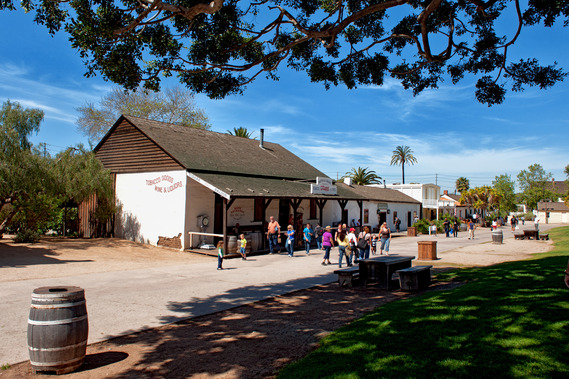 Old Town San Diego State Historic Park preserves Latino heritage in a city with deep Spanish-speaking roots. Photo from Brian Baer, Communications and Marketing Division.
Latino Heritage Month (Sept. 15-Oct. 15) is a great occasion to visit Old Town San Diego State Historic Park (SHP). San Diego's roots go back all the way to 1769, when it became the site of the first mission and presidio in the Spanish colonial province of Alta California. Spanish-speaking traditions continued and expanded under Mexican rule. Since then, the city has been at the center of the evolving representation of the state’s Latino heritage. Old Town San Diego SHP, which offers free entrance year-round, commemorates this legacy while also preserving the influences of many cultures that shaped the Southern California town in the mid-19th century.
Old Town San Diego’s establishment as a state park in 1967 stood for a renewed commitment to preserving, restoring and presenting the past. Today, interpreters like Alexandra Latona convey a more nuanced approach to California’s heritage. “The park is working on a number of projects to highlight the park’s diverse history,” said Latona, “including the African American History and Engagement Project, whose researchers have highlighted the Afro-Latino roots of many San Diegans.”
Old Town San Diego SHP regularly celebrates Mexican Independence Day on Sept. 16 each year, and it is now gearing up for the Día de los Muertos (Day of the Dead) festivities. The event includes “La Calavera Catrina,” a gallery sponsored in part by Arts in California Parks featuring the intricate costumes created by artists honoring the most iconic Day of the Dead symbol: La Catrina, an elegant female skeleton wearing traditional hat and dress.
In addition, the park will display and conduct tours of the traditional seven-layer altars of the dead (ofrendas), honoring important Old Town citizens as well as visitors’ loved ones, with a new altar this year honoring Allan Light, Richard Freeman and Anita Freeman, black pioneers of Old Town San Diego. Oct. 31 through Nov. 2, the park will host its largest event of the year with an anticipated 70,000 attendees honoring their loved ones on the park’s Community Ofrenda, adding a memorial butterfly, creating papel picado and paper marigolds, and enjoying the live entertainment inspired by the traditions of Día de Los Muertos.
Old Town San Diego SHP’s Día de los Muertos events offer one of the most colorful and memorable celebrations of Latino heritage in California, and all visitors are invited to participate in the festivities this year.
Read the full story on the State Parks blog.
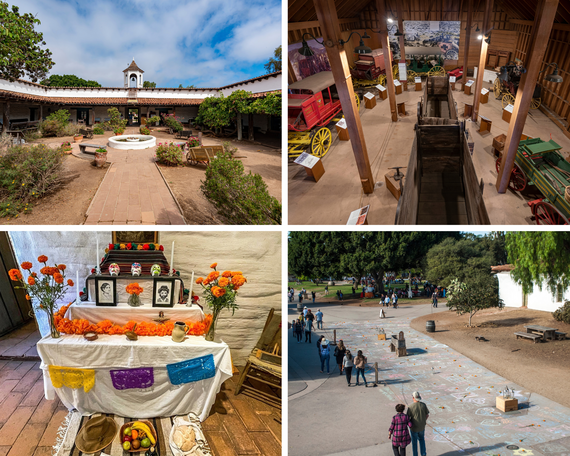 Clockwise from top left: Casa de Estudillo; historic carriages at the Seely Stable museum; chalk art on the sidewalk during Día de los Muertos festivities; altar in the Casa de Machado and Stewart. Top photos from Brian Baer, bottom photos from Megan Curtis, Communications and Marketing Division.
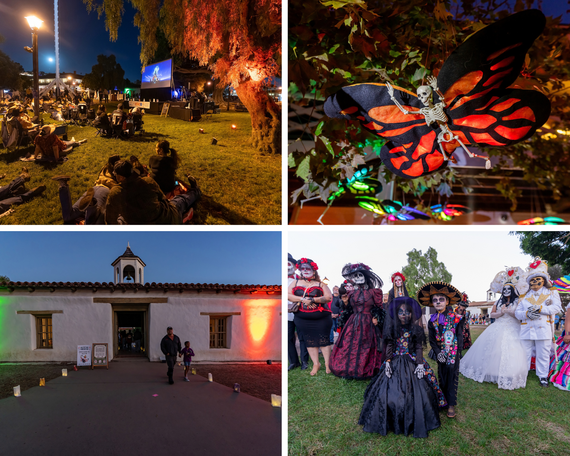 Images from past Día de los Muertos celebrations at the park. Photos from Brian Baer, Communications and Marketing Division.

From the Sky to the Screen: Statewide GIS Team Captures New 3D Imagery for State Parks
Story from: Kim Milruya, Communications and Marketing Division
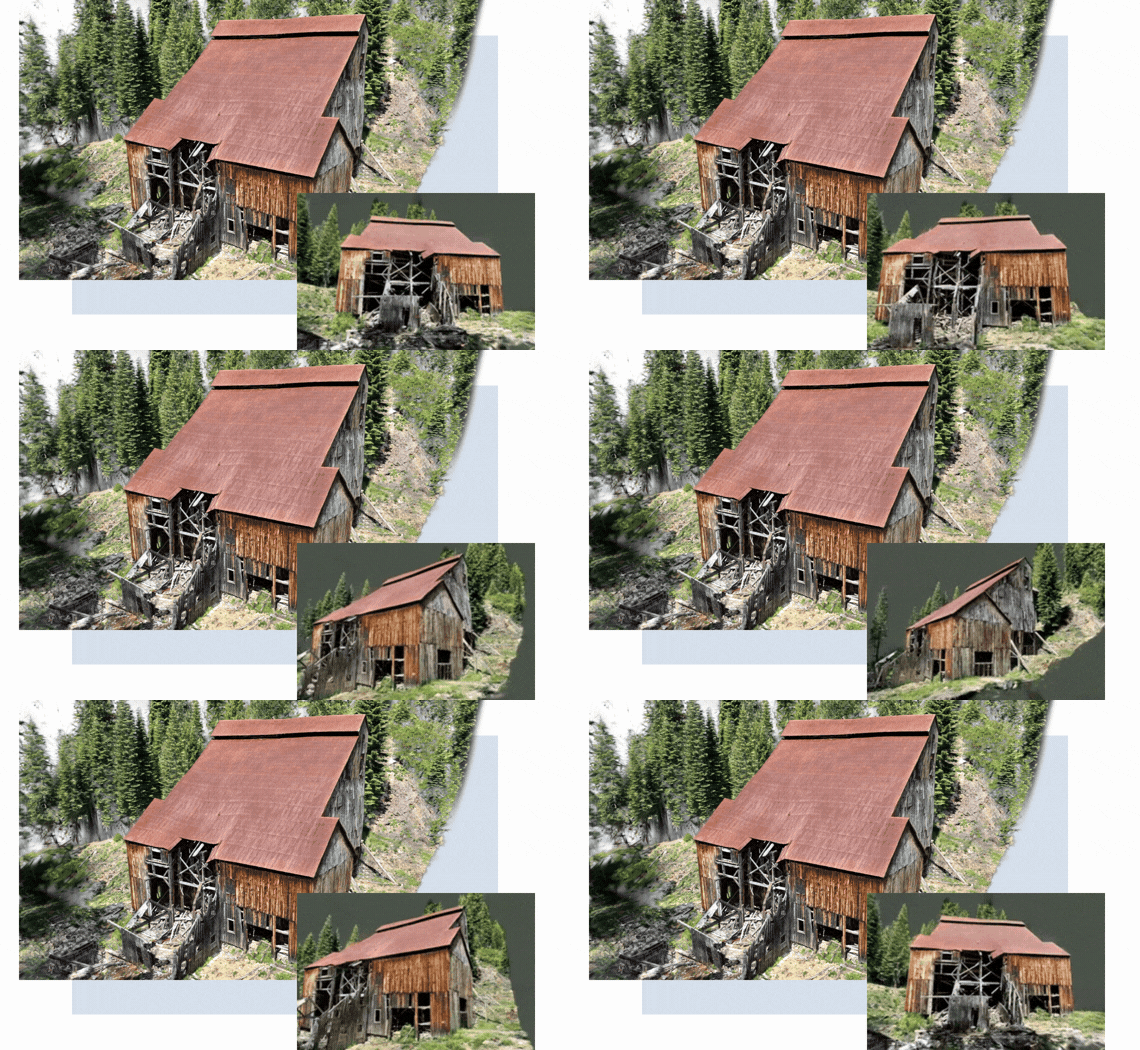
Sample animation of the 3D model of the Mohawk Mill, produced in-house by the Statewide GIS Team and funded partially by Sierra District.
At Plumas-Eureka State Park, a drone took off on a distinctive mission: capturing high-resolution imagery to build a complete 3D model of the historic, five-story-tall Mohawk Mill — inside and out. Constructed in 1878, the Mohawk Mill is one of the historic buildings that allow park visitors a glimpse into California’s rich Gold Rush past. However, decades of snowy winters and aging have taken a toll, leaving the wooden structure in a precarious state and closed to the public.
To help preserve this engineering feat built into the mountainside, members of State Parks’ Statewide GIS team spent several days on-site at the request of Sierra District. With Research Data Manager Seth Paine, Research Data Analyst II Andrew Capistrano and Research Data Specialist II Kyle Deutsch piloted drones and operated a hand-held 360-degree camera, collecting data from all angles.
This imagery can be processed in-house to create:
-
Interactive, large-scale 3D models for digital exploration and interpretive exhibits
-
360-degree photos to allow visitors to safely experience and learn about the interior
-
Video and photo records for historical references for restoration efforts, research and more
While you cannot walk inside the mill today, this digital preservation project ensures its story continues to live on.
The Statewide GIS team is part of the Strategic Planning and Recreation Services Division and is led by Paine. This team manages statewide applications such as Facilities Navigator (a database of park roads, trails and facility information) and DocEx document explorer (a database to catalog documents and historical records like general plans). The team also provides data sharing and mapping solutions and supports users throughout the department. Visit the team’s Sharepoint site to learn more about how they can support your park, now including large-scale 3D modeling!
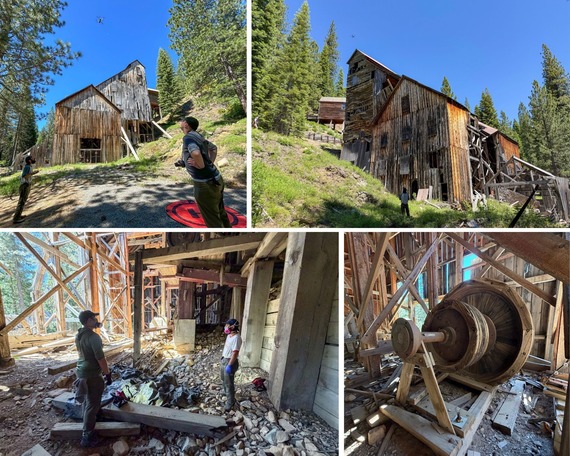 Top photos: Andrew Capistrano and Kyle Deutsch pilot a drone high above Mohawk Mill at Plumas-Eureka State Park to capture exterior imagery. Bottom photos: Capistrano and Deutsch survey the interior of the mill to plan the hand-held image gathering. Photos from Seth Paine, Strategic Planning and Recreation Services Division.
San Onofre State Beach Sets the Stage for World Surf League Competition at Trestles
Story and photos from: Michelle Figueroa, Orange Coast District
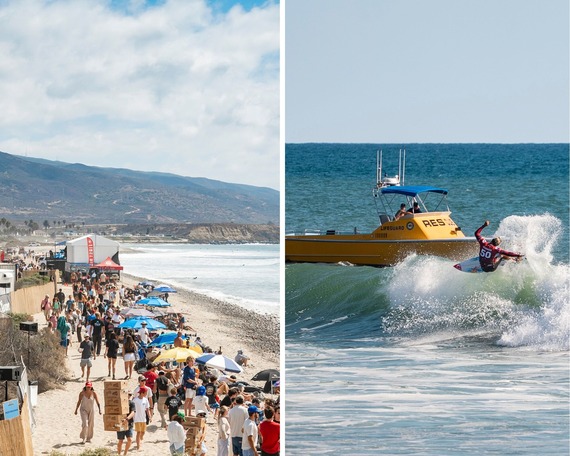 Left: The crowd assembles for the 2026 World Surf League Lexus Trestles Pro competition at San Onofre State Beach. Right: A surfer tackles a wave under the watchful eye of State Parks lifeguards.
San Onofre State Beach (SB) proudly hosted the 2026 World Surf League (WSL) Lexus Trestles Pro event Sept. 11-18, with professonal surfers from across the globe showing off their skills on the water in the fight for the world title. Following a week of back-to-back heats, State Parks offered its congratulations to Miguel Pupo and Erin Brooks on their unforgettable wins on finals day, launching them into favorable rankings in the world title race.
Serving as a stop along the WSL’s championship tour, Lower Trestles (within San Onofre SB) is a world-renowned surfing spot, revered for its consistent, high-quality waves. A beloved stretch of coastline known not only for its waves but also for its rich culture and history, Trestles’ reputation has earned San Onofre SB the opportunity to set the stage for the LA28 Summer Olympics surfing competition. Attracting millions of visitors every year, the Orange Coast District is honored to host such a momentous event where world-class athletes will battle it out for Olympic gold.
Historic Preservation Training Pilot Expands Hands-On Learning Opportunities
Story and photos from: Ricky Roldan, Training Section
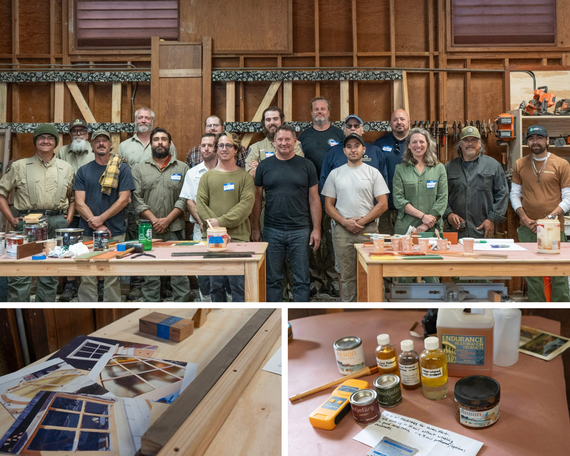 Top: Group photo of the Historic Preservation Pilot Training class at the Mott Training Center. Bottom photos: Some of the historic wood restoration products and materials.
The William Penn Mott Jr. Training Center recently hosted a new historic preservation training pilot in partnership with Aramark, creating additional hands-on learning opportunities for State Parks employees who care for and maintain the department’s historic resources.
The pilot featured two courses led by preservation instructor Katherine Wonson, who previously worked with the National Park Service overseeing preservation training.
“The Art of Preservation Decision Making” was a three-day interactive course designed for field staff, project managers, architects and others who work with historic buildings. Participants explored preservation concepts and terminology and put that knowledge into practice through real-world examples, place-based activities and hands-on learning. The course provided practical tools to help employees make informed preservation decisions when caring for historic resources.
“Beyond Latex: Using Traditional Materials to Protect Wood” was a one-day course combining classroom instruction with hands-on training in traditional wood finishes, including linseed oil, linseed oil paint, linseed oil-based varnish and pine tar. Participants also explored painting project design, color matching, maintenance cycles, lifecycle costs and common challenges associated with protecting historic wood.
The inaugural offerings included a limited number of spaces for State Parks maintenance employees representing districts from throughout the state. The Training Section and Mott Training Center will use feedback and lessons learned from the pilot to help evaluate opportunities for additional historic preservation training in the future.
This partnership supports the department’s ongoing efforts to strengthen specialized skills across our workforce while giving employees practical knowledge and techniques they can bring back to the historic resources they maintain throughout the state park system.
Stay tuned for future historic preservation training opportunities at the Mott Training Center located within Asilomar State Beach and Conference Center.
Story from: Ileana Maestas, Capital District
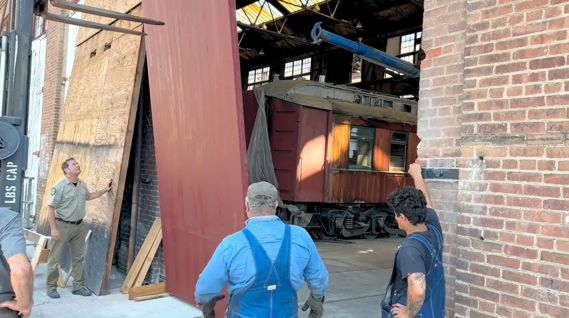 Capital District Maintenance Chief II Tim White (left) and the State Parks Restoration Team install the new doors in this screenshot. Video from Amy Greer and Tim White, Capital District. View the video here or click on the photo above.
A new video documents the rebuild of a pair of original doors at the erecting shop, part of the Sacramento Shops Historic District located in Old Sacramento State Historic Park. The Sacramento Shops Historic District is listed in the National Register of Historic Places and is significant in the completion of the transcontinental railroad and served as the largest railroad terminus in the western United States for several decades.
The building opened as the Erecting and Machine Shop in early 1869 and was expanded in 1873, 1888 and 1905. The pair of doors that were rebuilt are in a portion of the building that was completed in 1905. Doors and hardware original to that construction can be seen in the video along with images of the building when it was in use. Watch the video by clicking the photo above or click here.
Latino Conservation Week Community Pachanga Celebrates Culture, Community and Conservation
Story and photos from: Angeles District
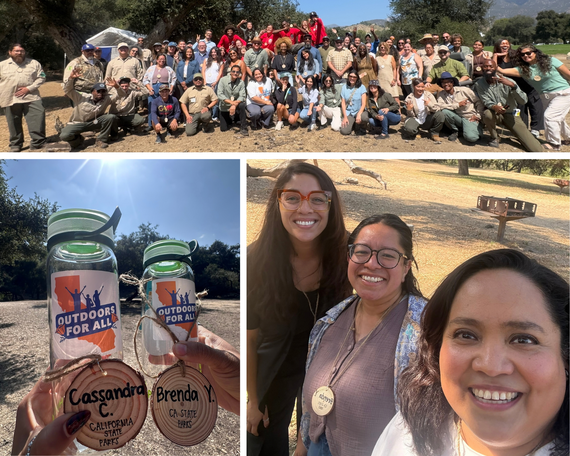
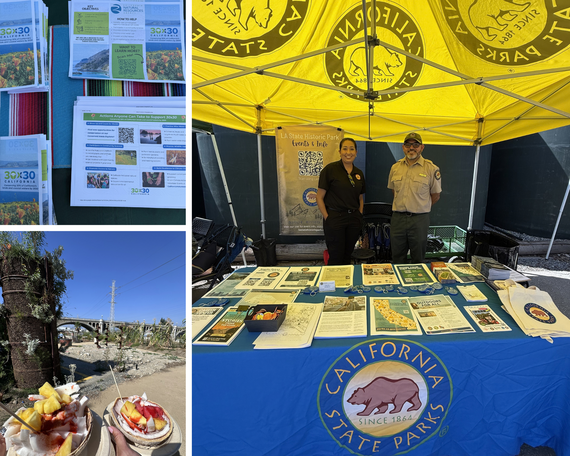 Clockwise from top left: 30x30 Initiative information available at event; Angeles District staff Dayana Doroteo (left) and Luis Rincon; enjoying a fruta bowl with chile, limón y sal with a beautiful view of Metabolic Studios.
The Latino Conservation Week Community Pachanga brought together neighbors, families, community organizations and conservation leaders for an afternoon celebrating culture, connection and the shared responsibility to protect urban nature across Los Angeles.
Held at Metabolic Studios, the vibrant gathering highlighted Latino leadership in conservation while creating opportunities for community members to learn, connect and have fun. Throughout the event, local organizations shared resources and information during tabling sessions, helping attendees discover ways to get involved in protecting green spaces and creating healthier neighborhoods for people, birds and wildlife.
The day offered something for everyone. Participants explored the beauty of urban parks with a guided nature hike, connecting with the natural world in the heart of the city. A hands-on clay-making workshop inspired creativity and encouraged participants to draw inspiration from nature. Attendees also enjoyed a lively bachata class, bringing movement, music and cultural celebration to the event.
A highlight of the afternoon was the community panel, “30x30 y Nuestra Comunidad: A Conversation for the Future.” Local conservation leaders discussed California’s 30x30 initiative — which calls for the conservation of 30% of the state’s land and coastal waters by 2030 — and its connections to urban parks, environmental justice and equitable access to nature. The conversation emphasized the importance of ensuring that all communities have opportunities to experience and benefit from healthy, accessible green spaces.
Guests also had the opportunity to explore the artwork and spaces of Metabolic Studios through a guided tour. The afternoon concluded with music and community time, providing a welcoming space for neighbors to celebrate together.
The Latino Conservation Week Community Pachanga demonstrated that conservation is about more than protecting natural spaces, it is also about building stronger communities, celebrating culture and creating a greener future together. Through education, creativity, connection and collective action, participants were reminded that everyone has a role to play in caring for Los Angeles and its urban nature.
Law Enforcement and Emergency Services Division Completes Red Dot Sight Training
Story and photos from: Justin McHenry, Law Enforcement and Emergency Services Division
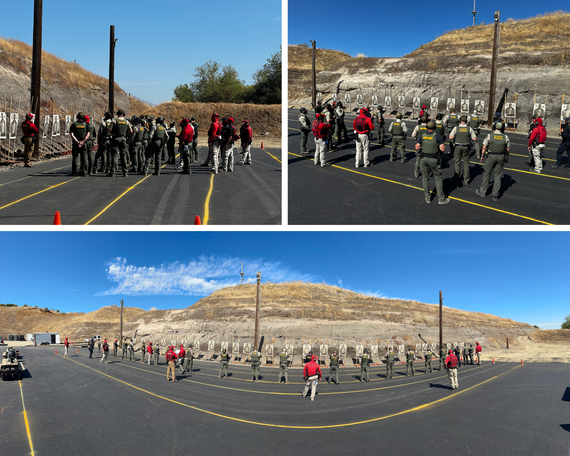 State Parks law enforcement staff participating in the training at Prairie City State Vehicular Recreation Area.
This month, 44 firearms instructors from every district and law enforcement program completed the department’s first Red Dot Sight (RDS) transition courses at Prairie City State Vehicular Recreation Area.
A red dot sight is a non-magnifying gun optic that projects an illuminated red dot onto a lens to give the shooter a simple point of aim. It allows the shooter to keep their focus on the target and not the gun sights.
Approved for use on June 11, RDS technology marks an important modernization effort aimed at improving officer safety and performance in the varied environments where state park peace officers operate.
Law Enforcement and Emergency Services Division Chief Alex Luscutoff joined one of the training sessions and spoke with both groups, emphasizing the department’s commitment to providing tools that support enhanced safety.
With the LEESD armory funding equipment and the Training Section supporting instruction, these newly trained instructors will now return to their districts to begin the statewide transition. Thanks to LEESD, the Training Section, Firearms Program Improvement Team and armory staff for bringing this project to completion.
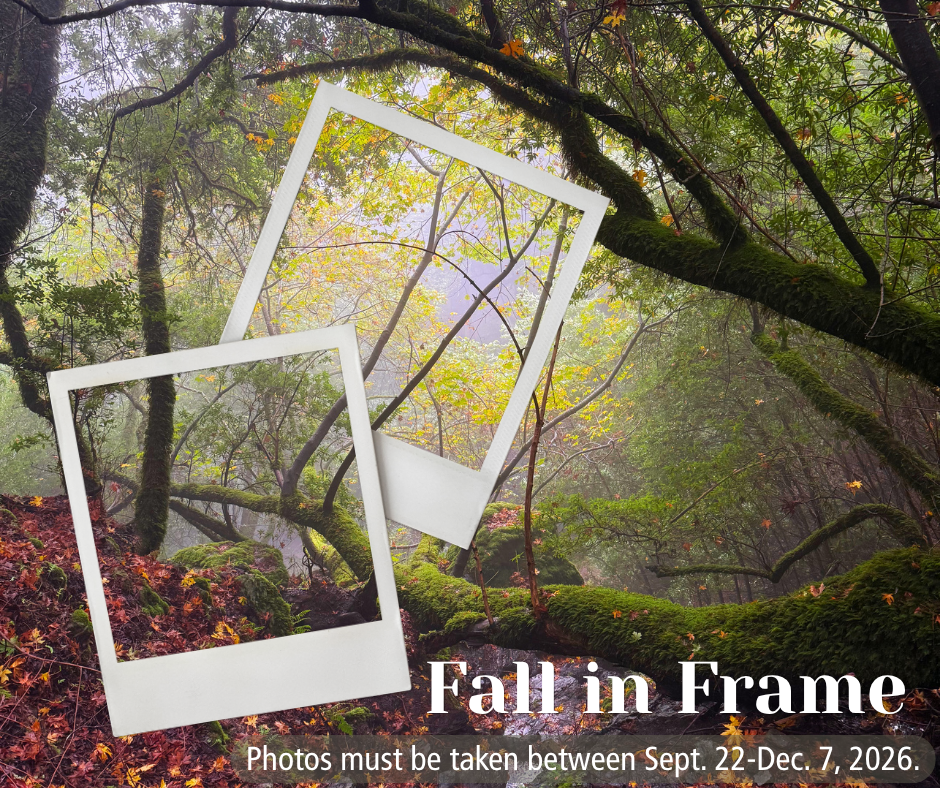
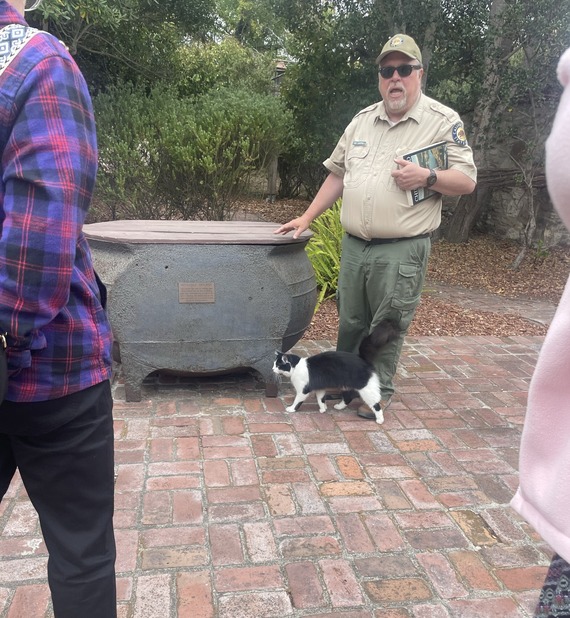
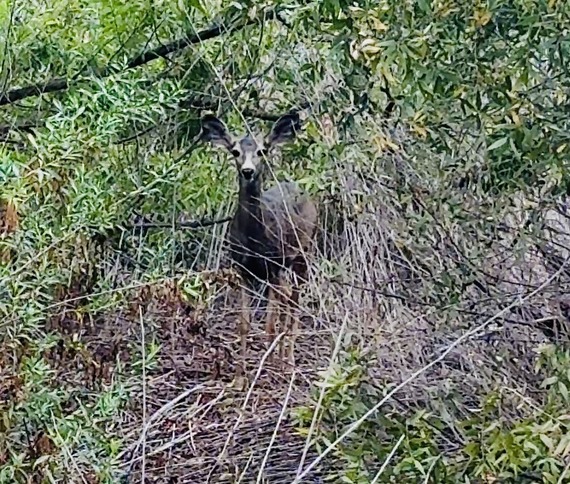
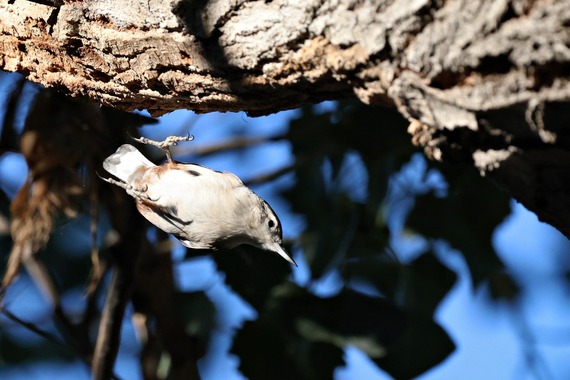
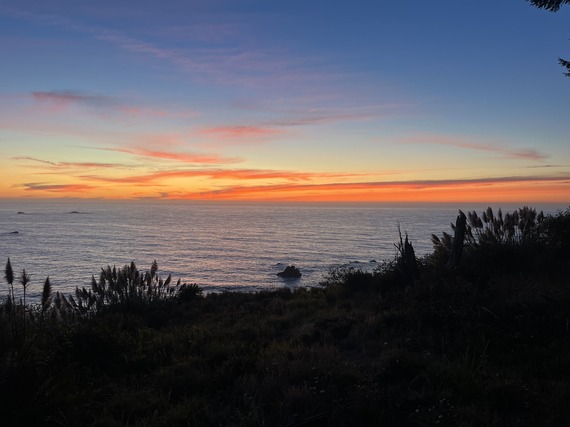
  Submit your photos via this Weekly Digest Submission Form or send them to WeeklyDigest@parks.ca.gov with the subject line “Fall in Frame Photo Contest.”

|