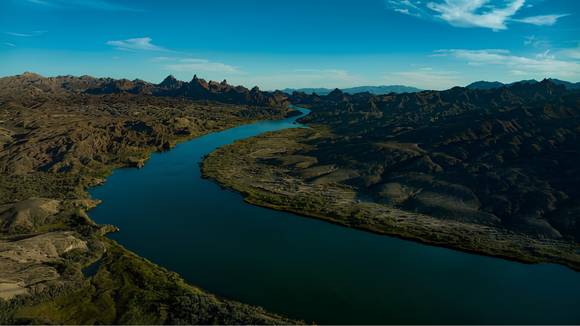
The Colorado River provides water to 40 million Americans, half who live in California, and is essential to farms and businesses across the Southwest. It’s one of the most important—and imperiled—water systems in America and is suffering through a climate change-driven multi-decade drought.
Late last week, the federal government released a long-awaited plan outlining Colorado River operations for the next two years as Basin states continue working toward a longer-term agreement. Governor Newsom called this plan, which is based on recommendations from California, Arizona and Nevada, a necessary step that stabilizes water supplies in the near-term. Moving forward, legal challenges and worsening drought conditions make the path ahead far from certain. One thing is clear though: California will continue working with all seven Basin states on a durable long-term solution that fairly shares responsibility for conservation and protects all who depend on the Colorado River.
California's Coast Belongs to All of Us
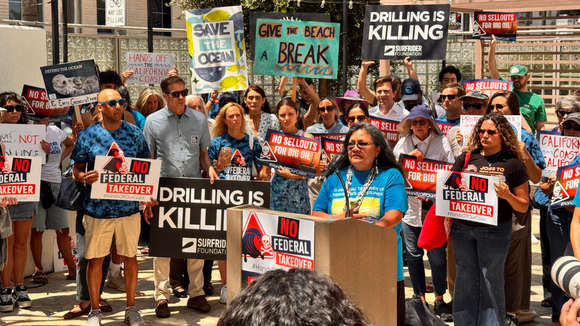
“Our coast is not for sale.” We joined hundreds of Californians in Santa Monica earlier this month to oppose the federal government’s unprecedented, political review of California's Coastal Management Program. It may sound like a technical government process, but it's really about something much simpler: whether we continue to have a voice in federal decisions that affect the future of our coast. As the Trump administration works to expand offshore oil drilling and restart dangerous pipelines, our voice matters more than ever.
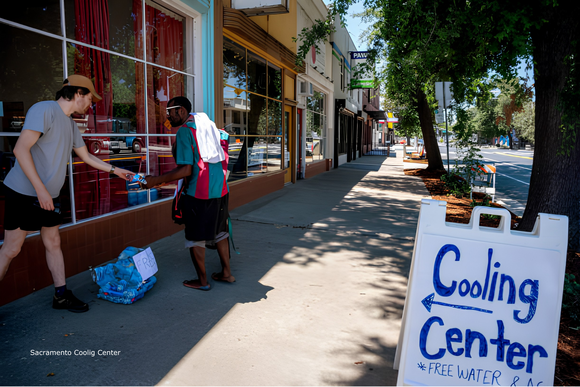
Extreme heat isn't a future problem, it's already here. Hotter days (and nights) are arriving earlier, lasting longer and affecting nearly every part of daily life. Our new Extreme Heat Action Plan drives immediate actions to keep people safe during heat waves and guides long-term investments that make communities more resilient for decades to come.

California continues to notch world-leading clean energy milestones. The state recently surpassed 21,000 megawatts of battery storage, the largest battery fleet in the nation, and enough to power nearly 16 million homes for about four hours. Batteries complement solar and wind energy and help California during the busiest hours of the day, keeping the lights on during extreme heat and other times when electricity demand is highest. We’re also helping Californians drive cleaner (and faster and quieter) cars through expanded car purchase rebates, including MyFirstEV, which offers eligible first-time electric vehicle buyers instant rebates of up to $3,500.
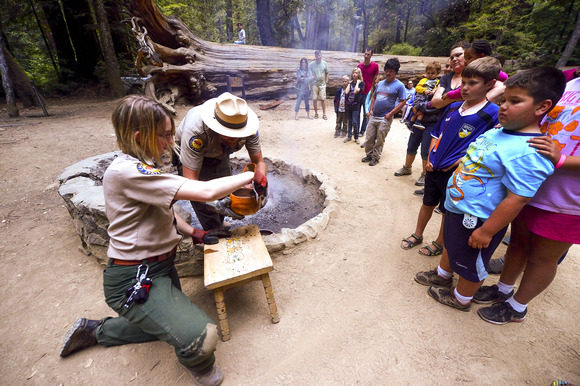
Calling all fourth graders and their families! You can visit 54 California State Parks for free with the newly relaunched Free Fourth Grade Pass.
The pass gives families a chance to explore California's outdoors during an important year for helping kids build a lifelong connection to nature.
You can also check out a California State Library Parks Pass at your local library.
And California is continuing to invest in new parks and outdoor spaces so more people can enjoy the benefits of nature close to home.
Download the Free Fourth Grade Pass today.
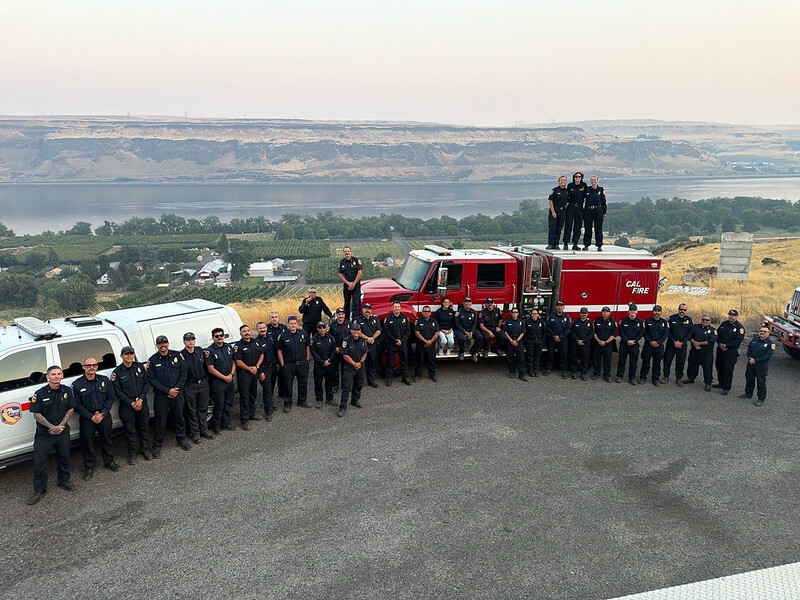
California has sent CAL FIRE strike teams to Oregon and Washington this summer (pictured above) to help fight huge wildfires and protect local communities, part of longstanding mutual aid agreements. Our wildfire agencies are also sharing expertise with partners in Canada, where British Columbia is facing another severe wildfire season, and with Mediterranean-climate regions across Europe through the Mediterranean Climate Action Partnership (MCAP) to exchange strategies on forest management, prescribed fire and community resilience.
Preparing for wildfire starts long before the first spark. That's the foundation of California's Wildfire and Forest Resilience Action Plan: restoring the health of our forests and landscapes, expanding safe prescribed fire, and strengthening communities’ resilience to wildfire before disasters occur.
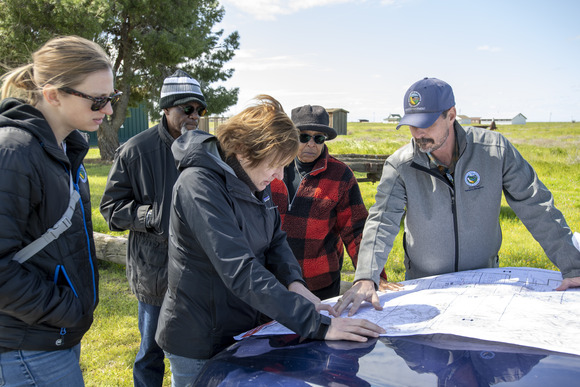
California has made significant progress over the last decade to bring groundwater use into balance - protecting our aquifers and helping secure future water supplies. That also means rethinking how we use land that can no longer depend on groundwater.
We recently sat down with the Department of Conservation to learn how the Multibenefit Land Repurposing Program is helping communities put that land to new use in ways that improve groundwater supplies, support local economies, restore habitat, reduce flood risk and strengthen communities.
It's a great example of how one investment can deliver multiple benefits for Californians.
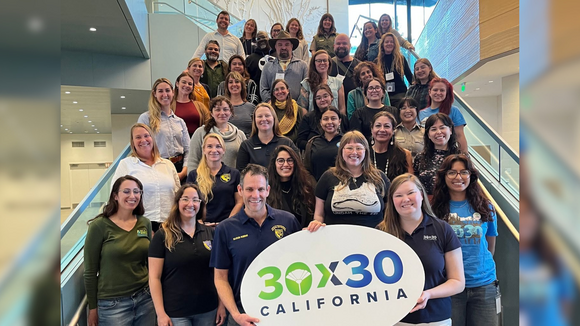
California's progress is driven by people working together. That's why we're continuing to bring together scientists, tribal leaders, local governments, nonprofits, businesses and community members to tackle some of California's biggest challenges and opportunities. Please join us!
-
Film Clips & Conversation: The Invisible Mammal: You’re invited to a special lunchtime event exploring the remarkable role bats play in California's ecosystems. The program will feature clips from the documentary The Invisible Mammal, a panel discussion on bat conservation and biodiversity, and an opportunity to meet live bats with the Yolo Basin Foundation's Mobile Visitor Center. Register online.
-
Nature-Based Solutions Summits: Help shape how California uses forests, farms, wetlands, coasts and communities to yconfront climate change through nature-based solutions that benefit people, wildlife and the economy. Register online.
-
Outdoors for All Field Convenings: Help shape what's next for Outdoors for All by joining one of seven regional summits to break down barriers and connect more Californians with parks, nature and outdoor recreation. Register online.
-
30x30 Summit: Join the waitlist to take part in learning how California is working to conserve nature, expand access to the outdoors and protect biodiversity as we advance California's goal of conserving 30% of the state's lands and coastal waters by 2030. Join the waitlist online.
-
Resilient California Summit: Hear the latest on climate science, policy and on-the-ground solutions while connecting with leaders working to help California prepare for climate impacts and build more resilient communities. Register online.

|