Crystal Cove State Park Celebrates Community and Culture at California State Parks Week Event
Story from: Winter Bonnin, Orange Coast District
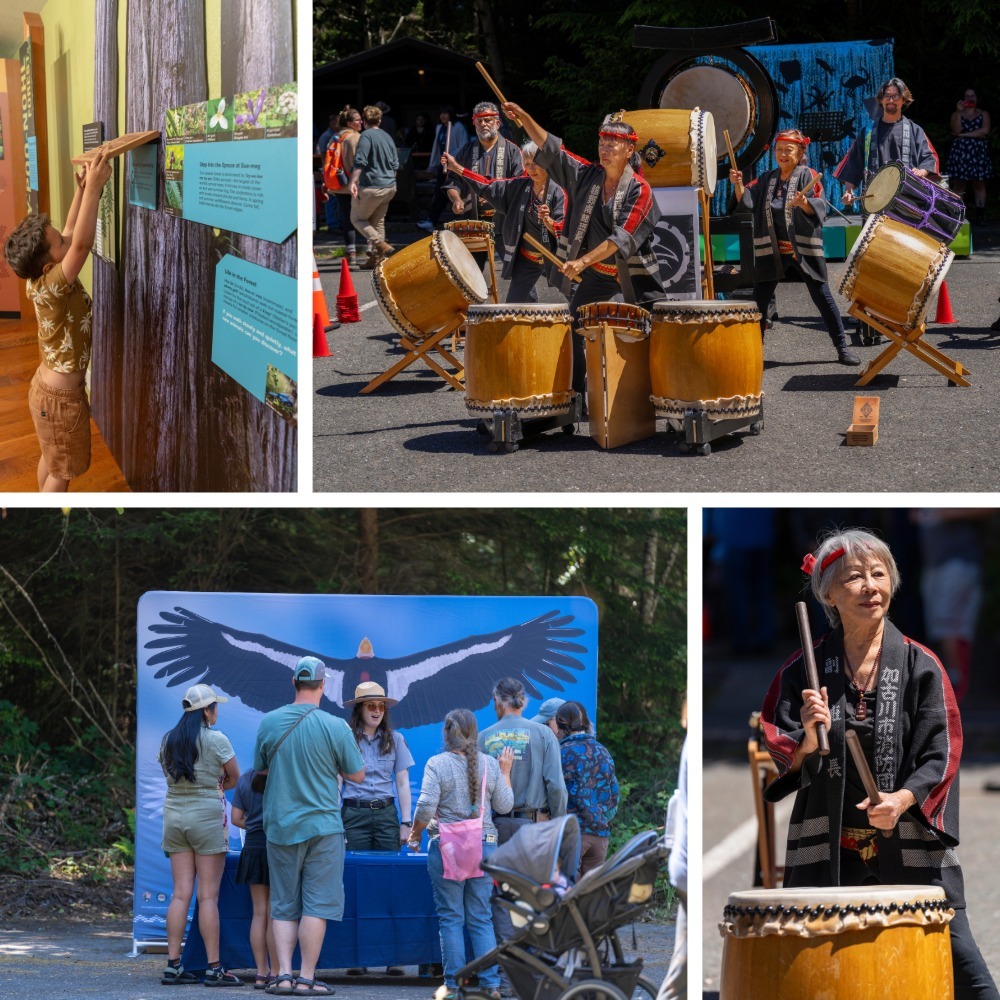
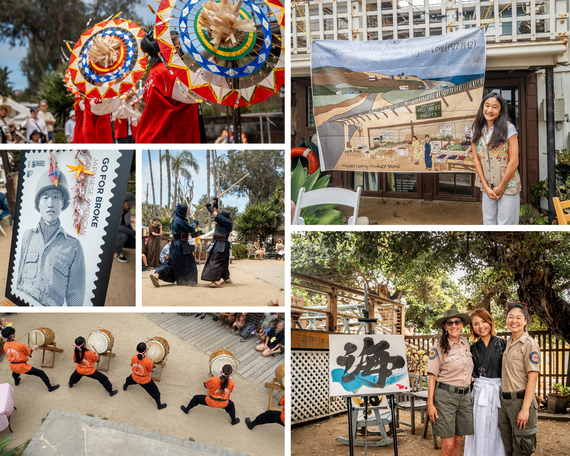 Clockwise from top left: Umbrella dancers; Girl Scout Silver Award candidate Emi Fu with her mural painting; State Park Interpreter II Winter Bonnin, Calligrapher Chiami Moriyama and State Park Historian I Diana Chang; Taiko drummers; Go For Broke commemorative card. Middle: Kendo demonstration. Photos from Michelle Figueroa, Orange Coast District.
Crystal Cove State Park (SP) hosted a spectacular California State Parks Week 2026 event on June 13. In honor of the pre-World War WII Japanese American farming history, our “Celebrating Japanese American Culture” extravaganza was a colossal success. With an all-star lineup of art and performances including taiko drumming, mochi pounding, calligraphy, traditional dancing, origami and a kendo martial arts demonstration, the bustling event garnered accolades and appreciation from the local community.
There were a lot of moving parts leading up to the celebration but when the day finally came, every piece of the puzzle flawlessly fell into place. The “biggest” problem, which turned out not to be a problem at all: an overflow crowd tried to squeeze into Cottage 00, the Historic District Visitor Center, to hear Janice Munemitsu, author of “The Kindness of Color,” explore the rich legacy of Japanese Americans in Orange County.
Additionally, Silver Girl Scout awardee, 13-year-old Emi Fu, debuted her impressive farm stand mural painting taken from a famous 1940s photo, and Wayne Osako, founder of Stamp Our Story, created a commemorative postcard depicting “Go For Broke,” the motto used by Japanese American soldiers during World War WII. Finally, the day ended with State Historian I Diana Chang, regaling a roomful of visitors about the Japanese American farming community that once lived at what is now Crystal Cove SP.
A Milestone for Accessibility at the Tijuana Estuary's California State Parks Week Event
Story and photos from: Haley Calhoun, San Diego Coast District
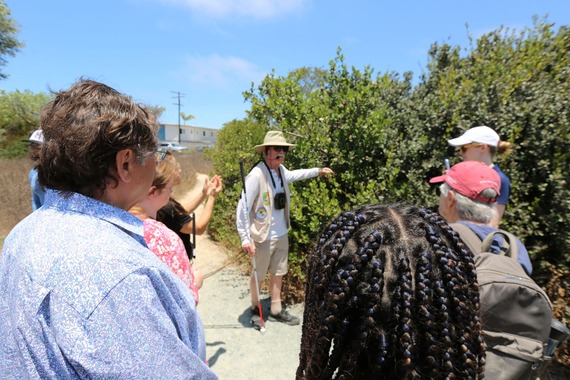 Docent Ron Peterson leads his nature walk, 'An Eye-Opening Experience Without Sight,' inviting participants to experience the Tijuana Estuary through senses other than vision.
Border Field State Park and the Tijuana River National Estuarine Research Reserve (NERR) celebrated California State Parks Week by hosting “All Are Welcome: Celebrating Accessibility at the Tijuana Estuary.” The event on June 13 highlighted several recent accessibility improvements at the reserve, including the launch of a new NaviLens wayfinding and interpretation system.
Seventy-seven people attended, exceeding expectations for what might be considered a niche event. Attendees included members of the blind, low-vision, deaf and neurodivergent communities. Throughout the day, visitors participated in guided nature walks with American Sign Language interpretation, tested the NaviLens system, learned about new accessibility resources and explored the reserve. The turnout was a powerful reminder that these kinds of opportunities are needed and that many people are eager for outdoor spaces where they feel welcomed, included and supported.
About a year ago, docent Ron Peterson approached staff with an idea for making the estuary easier to navigate for blind and low-vision visitors using assistive technology. After losing his vision while volunteering at the estuary, Ron became passionate about improving accessibility so others could explore the reserve more independently. Earlier this year, the interpretation team began working on the project with Ron and students from the University of San Diego's Engineering Exchange for Social Justice initiative.
Today, visitors can use the free NaviLens app to follow a self-guided tour along North McCoy Trail and learn about native plants near the visitor center. The system uses colorful codes that can be detected by a smartphone camera from a distance, allowing users to receive audio directions and interpretive information as they move through the reserve.
The event also highlighted several other accessibility initiatives completed over the past year, including trail maintenance projects to improve access, sensory kits available for checkout at the visitor center and a social narrative designed to help neurodivergent visitors know what to expect before arriving.
While the technology was exciting to demonstrate, the most meaningful part of the day was watching people connect with one another and with the estuary. Deaf attendees gathered in conversation with American Sign Language interpreters, visitors shared experiences and new connections formed throughout the day. More than anything, there was a sense that people felt welcomed, included and free to participate fully as themselves.
The project is far from finished. Over the coming year, we plan to expand the system with additional interpretive content, including videos featuring American Sign Language interpretation. But the event felt like an important milestone and a reminder that accessibility is about more than removing barriers. It's about creating opportunities for more people to experience, enjoy and build a connection with California's natural and cultural resources.
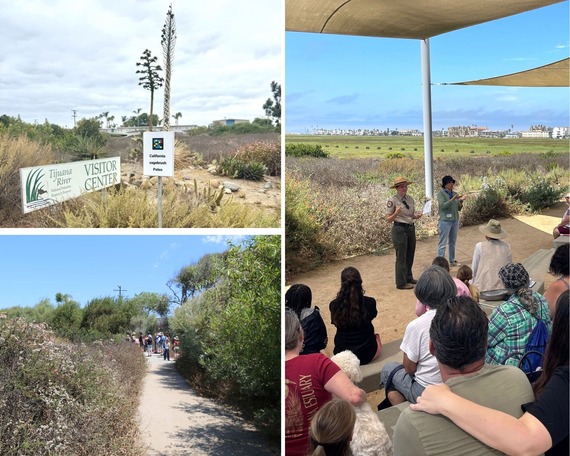 Clockwise from top left: A newly installed NaviLens code allows visitors to access interpretive information about a native plant using the NaviLens smartphone app; K–12 Access Interpreter II and Tijuana River NERR Education Coordinator Haley Calhoun welcomes visitors and shares recent accessibility improvements at the reserve; Interpreter I Jessie Looney leads a nature walk.
California State Parks Week at Dos Rios Honors Native Heritage
Story and photos from: Caitlin Torres, Central Valley District
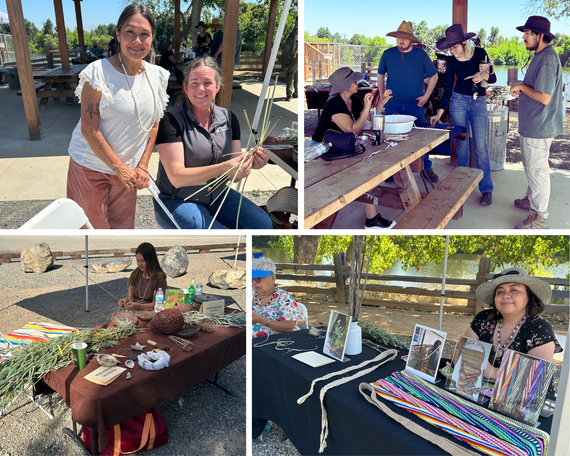 Clockwise from top left: Visitors learn traditional basket-weaving techniques during the Community and Culture Celebration at Dos Rios; guests participate in a hands-on cultural demonstration; tribal artisans share the art of finger weaving and clamshell bead jewelry making; a basket weaver showcases traditional materials and techniques.
During California State Parks Week (June 10-14), Dos Rios came alive with the sights, sounds and traditions of California Native cultures as local tribes returned to the California’s newest state park for the annual Community and Culture Celebration.
Hosted in partnership with River Partners and the California State Parks Foundation, the event invited visitors to connect with the rich cultural heritage of the region through hands-on demonstrations and storytelling traditions passed down through generations. Guests watched basket-weaving and finger-weaving demonstrations, learned about traditional acorn preparation, tried their hand at black walnut games and explored the art of clamshell bead jewelry making.
Visitors also boarded shuttles for tours to the park’s Native Use Garden, where Indigenous plants and their cultural significance were highlighted, before joining guided walks to the confluence of the San Joaquin and Tuolumne rivers. Along the way, participants learned how the landscape has sustained Native communities for thousands of years and continues to serve as a place of cultural connection today.
The celebration showcased the power of partnerships and the importance of creating opportunities for Californians to experience, learn from and celebrate the diverse cultures that have shaped the state’s history.
State Parks Staff Celebrate at the Sacramento Pride March
Story and photos from: Emma Silverman, Capital District
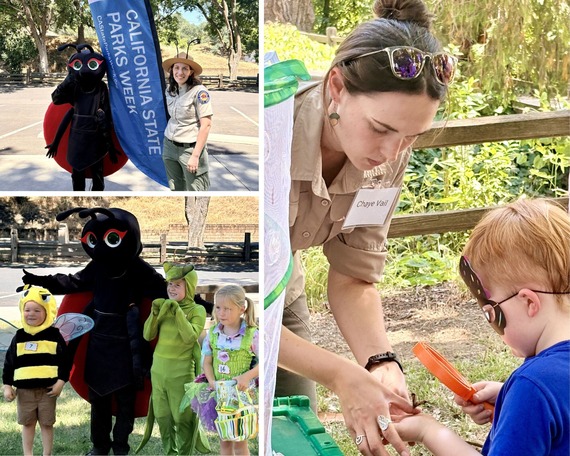
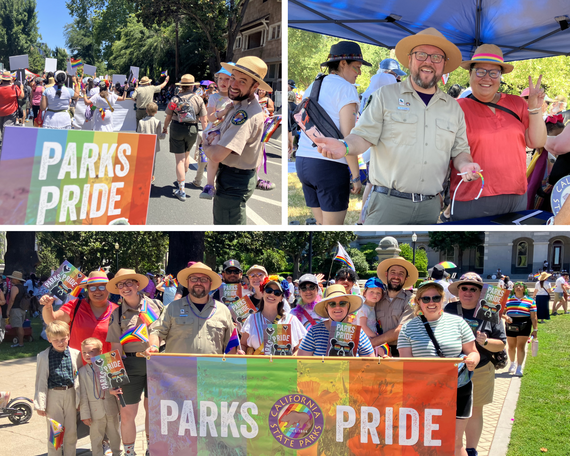 Clockwise from top left: Interpreter II Devin McCutchen and daughter walking as part of the State Parks contingent in the Pride March; Interpreter I Kyle Floyd and Park Interpretive Specialist Pua Tennyson pose at the State Parks tent in Southside Park, where participants gathered before the Pride March; California State Parks staff and families pose in front of the Capitol at the end of the Pride March.
District and headquarters staff celebrated Pride Month by representing California State Parks at the Sacramento Pride March on June 14. They joined a contingent of over two hundred marchers from the California Natural Resources Agency (CRNA) and associated state agencies.
California State Parks’ participation in the Pride March is making a significant statement. State Parks staff, including uniformed interpreters wearing the Pride Bear patch, held colorful signs and a large banner. They were greeted by frequent cheers of “We love Parks!” from the crowds watching the parade.
CNRA-sponsored Pride events will continue through the month of June. To access Pride logos, social media graphics and digital backgrounds, visit here.
If you are interested in joining a new affinity group for the State Parks LGBTQIA2S+ community, please email Emma Silverman (emma.silverman@parks.ca.gov) and Devin McCutchen (devin.mccutchen@parks.ca.gov).
New Virtual 3D Experience at Austin Creek State Recreation Area Brings Pond Farm Pottery to Life
Story from: Andreas Agocs, Communications and Marketing Division
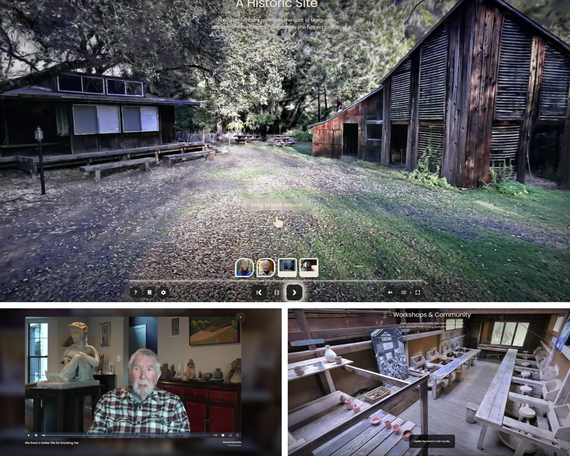 Screenshots of the Pond Farm Pottery guided virtual tour. The interactive and immersive experience takes visitors inside the studio and workshop and provides access to historic material and oral history interviews with "Pond Farmers," former students at the artists' colony. Photos from California State Parks and CyArk.
Pond Farm Pottery, the historic site that is part of Austin Creek State Recreation Area, is now accessible to a wider audience. State Parks recently launched a new virtual experience in collaboration with the nonprofit CyArk, Parks California and Stewards of the Coast and Redwoods.
Pond Farm Pottery preserves the former home and studio of Bauhaus-trained master ceramicist Marguerite Wildenhain. After fleeing Europe during World War II, Wildenhain founded Pond Farm, an experimental studio and artists’ colony, in the redwoods of Northern California, with the aim of grounding art in nature. In 2023, Pond Farm Pottery was designated a National Historic Landmark.
Developed by CyArk, the guided, photoreal 3D Tapestry tour creates an immersive experience. Virtual visitors explore the site alongside state park interpreters and “Pond Farmers,” former students of Wildenhain’s, who share their firsthand stories and reflections on this transformative place. Interactive panels provide access to oral histories, archival images and video, and more.
“This tour creates a space-based experience that enables virtual visitors to feel a connection with Pond Farm Pottery,” says Elizabeth Lee, CyArk’s vice president of programs and development. While CyArk has developed 3D tours of other California State Parks before — including Chumash Painted Cave State Historic Park and China Camp State Park — this is the nonprofit’s first immersive education program with Parks California and the PORTS (Parks Online Resources for Teachers and Students)® Program.
For visitors who won’t be able to travel to the California redwoods this summer, Pond Farm Pottery’s legacy has been brought to life in a whole new way.
You can find the Tapestry Tour of Pond Farm Pottery here.

New Video Highlights PORTS Program’s 21st-century Field Trip Model
Story and photo from: Parks California
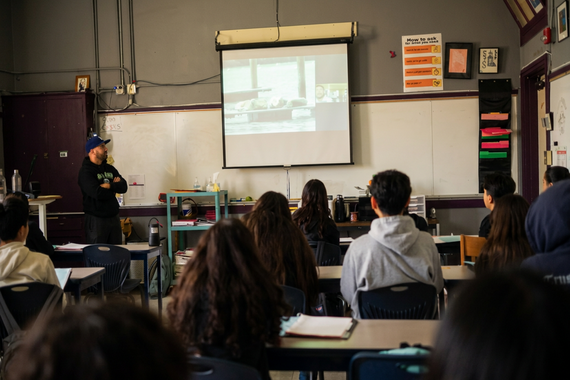 Park Interpretive Specialist Andrew Ramos leads a PORTS virtual field trip with eighth graders.
Parks California has released a new video showcasing California State Parks’ PORTS (Parks Online Resources for Teachers and Students)® Program, an innovative approach to field trips that helps students build lasting connections to state parks through a blend of virtual learning and in-person experiences.
Working in partnership with California State Parks, the California Association for Leading Innovation in Education and Oakland Goes Outdoors, PORTS introduces students to parks before they visit, helping spark curiosity and create more meaningful learning opportunities. The program supports a 21st-century model for field trips that meets the needs of today’s classrooms and inspires the next generation of park stewards.
Watch the video to learn how Parks California, State Parks and partners are connecting classrooms to our public lands.
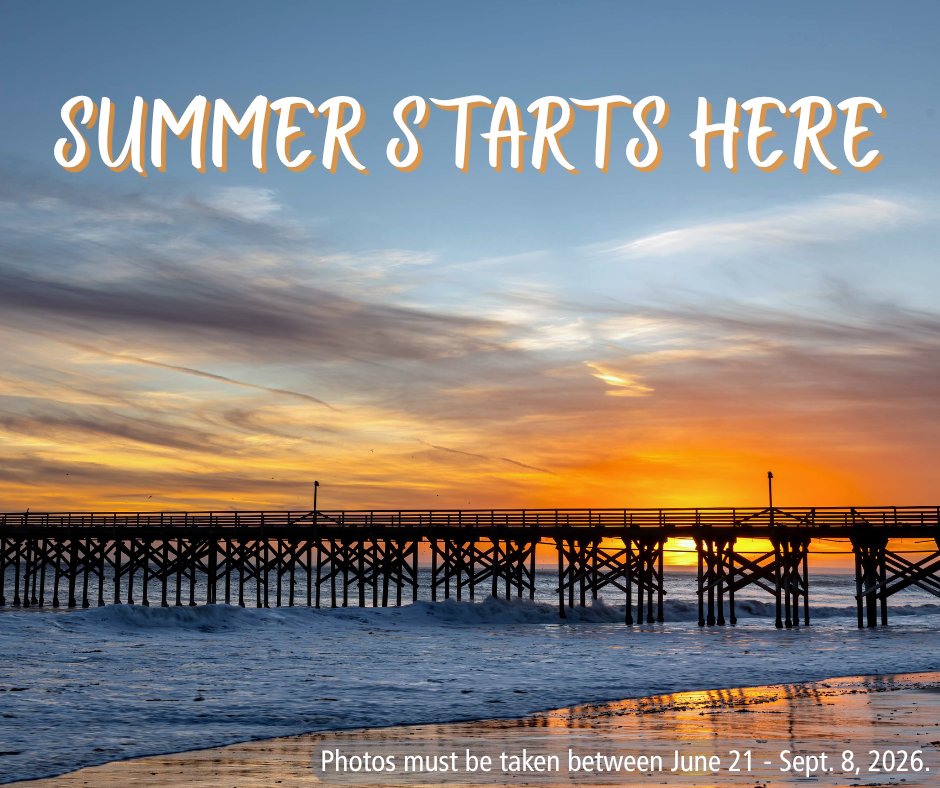
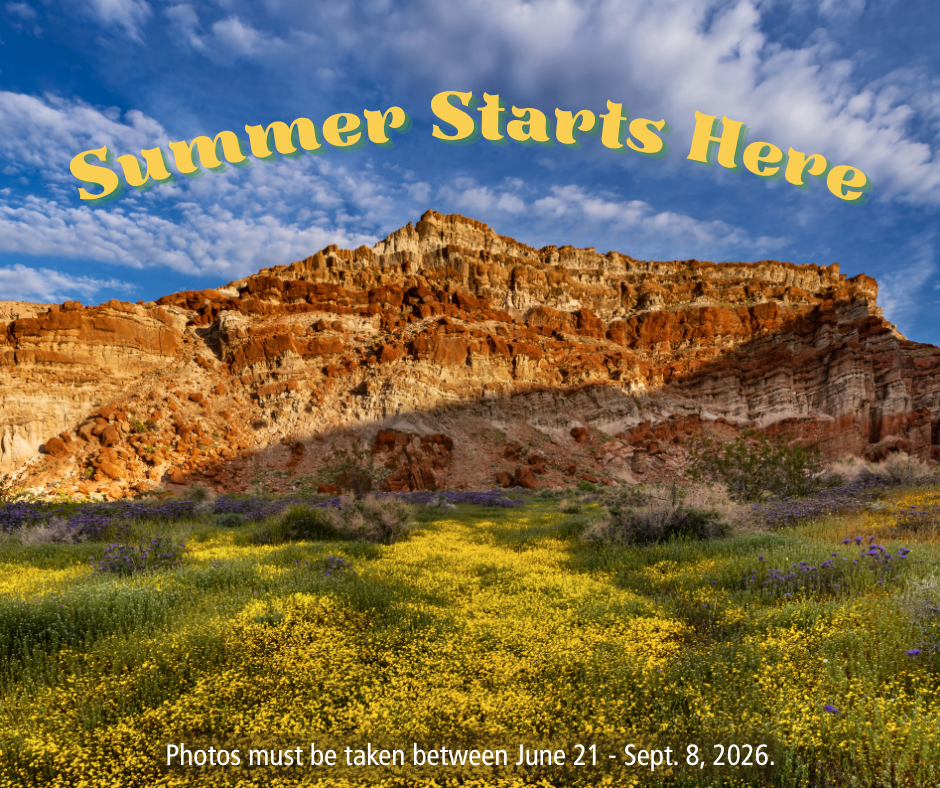
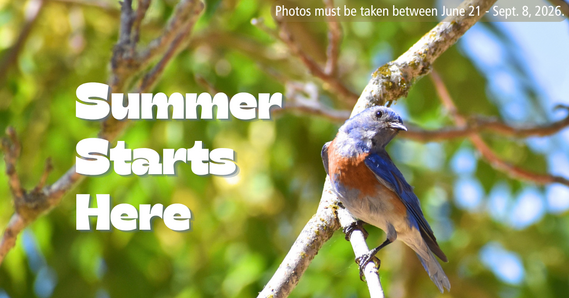
 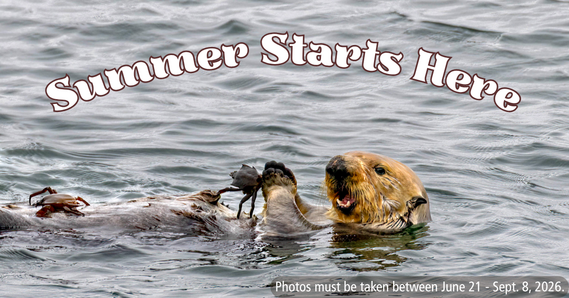 Submit your photos via this Weekly Digest Submission Form or send them to WeeklyDigest@parks.ca.gov with the subject line “Summer Starts Here.”

|