'WINTER ESCAPES' CONTEST: TOP PHOTOS
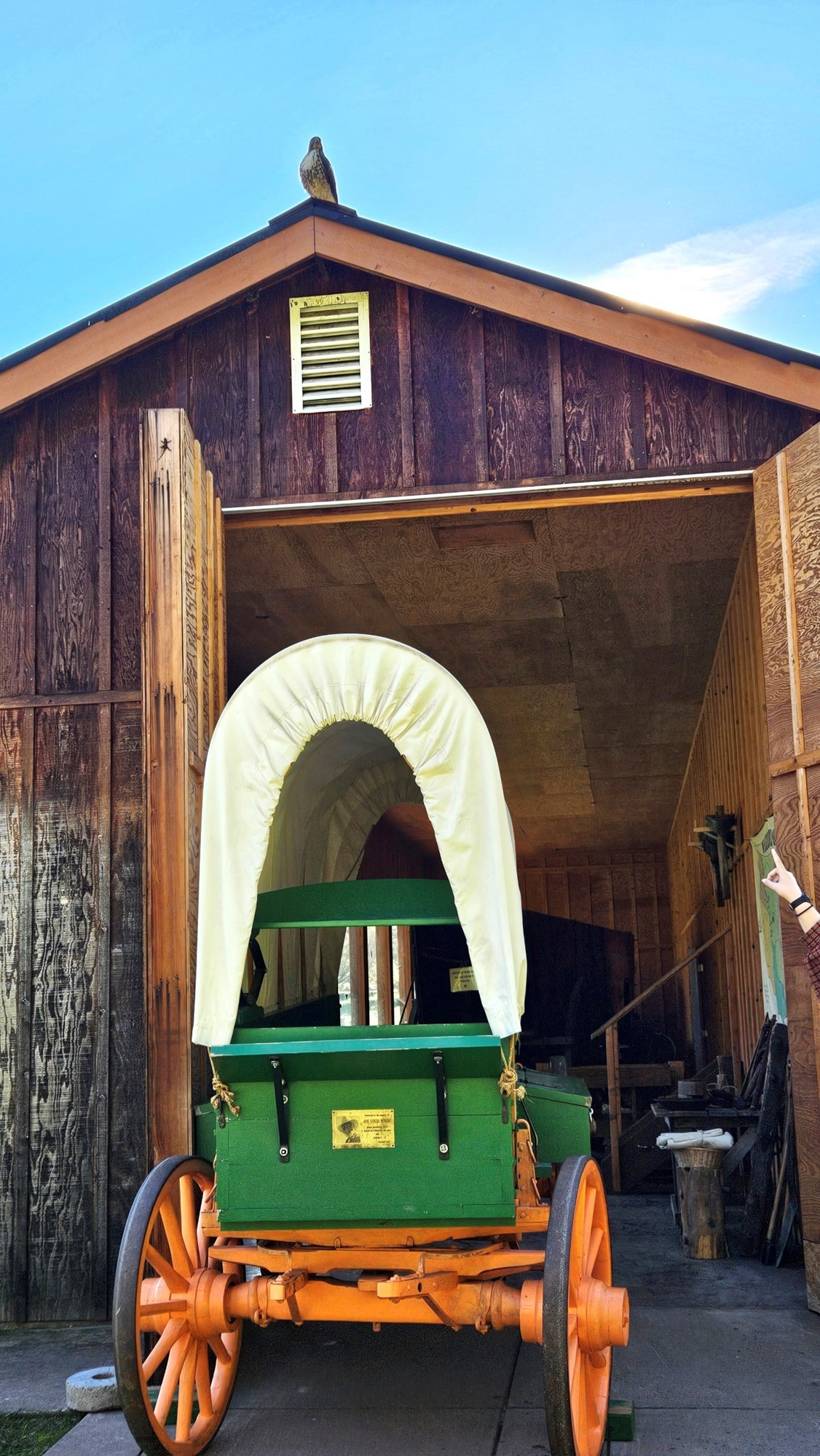
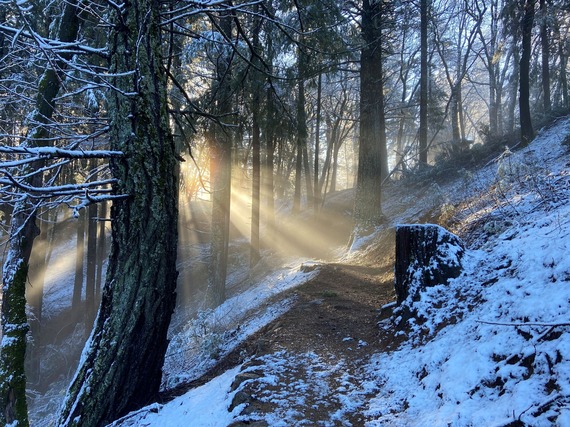 Castle Crags State Park
Photo title: "Winter in the Crags"
This is "winter escapes": "This is the early morning sun shining through the trees on the way up to the park’s vista point. After a recent dusting of snow, the woods always feel very different."
Photo taken: Dec. 27
Photo by: Blair Pubols, Northern Buttes District. Blair has been with the department since 2011 and is a supervising state park peace officer (ranger).
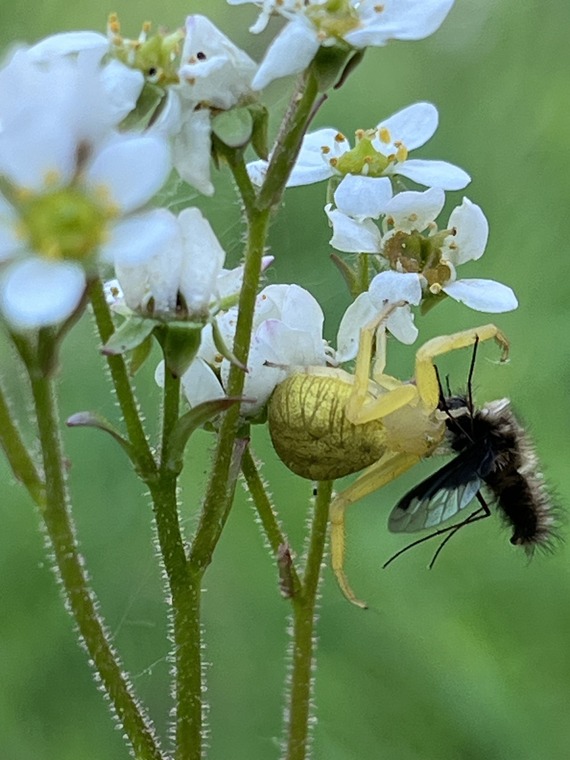
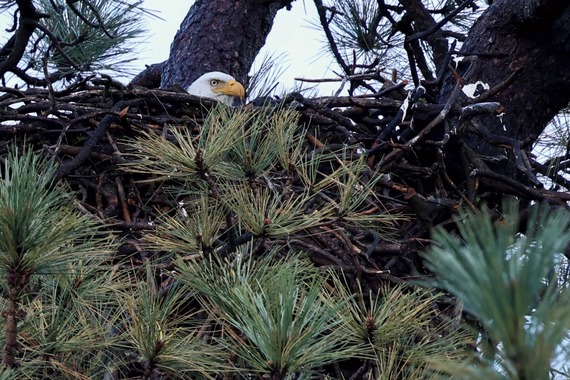 Cuyamaca Rancho State Park
Photo title: "Anticipation"
This is "winter escapes": "The bald eagles start nesting in the winter. It’s always a thrill to see them using the nest again and to watch what happens as the winter turns into spring."
Photo taken: January 2026
Photo by: Michele Hernandez, Colorado Desert District. Michele is a park interpretative specialist and has been with the department for 11 years.
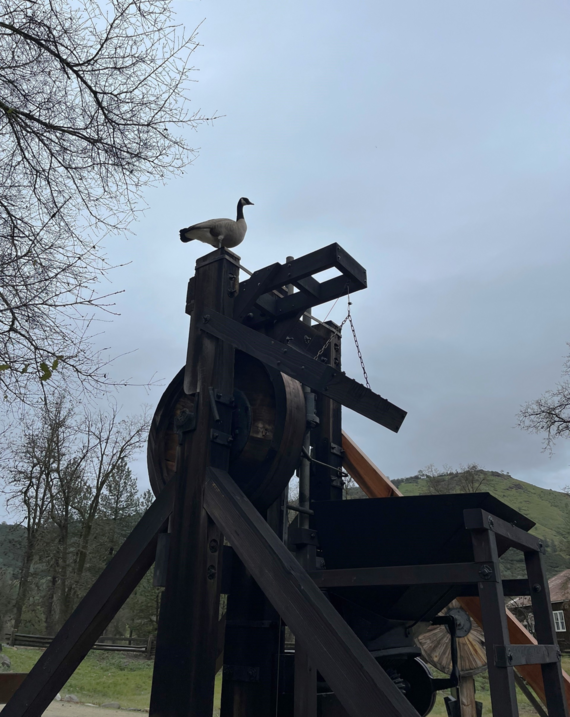
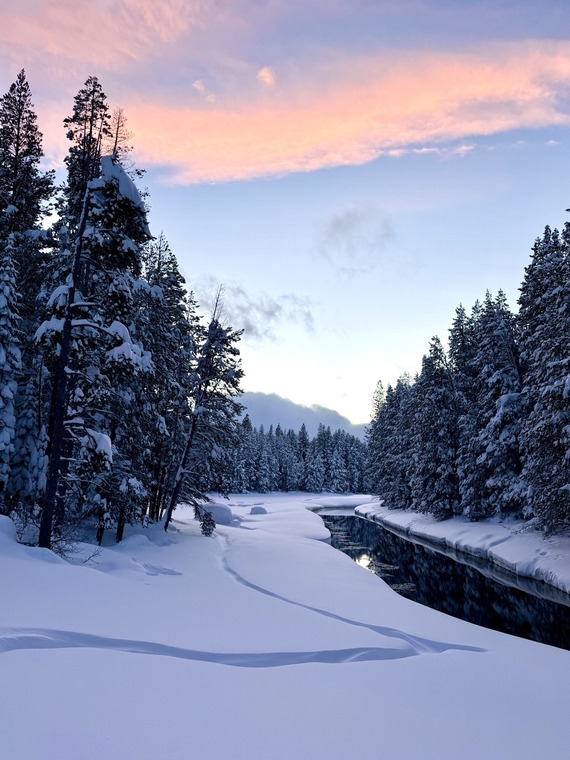 Donner Memorial State Park
Photo title: "Quiet After the Storm"
This is "winter escapes": "This was taken following a multiday snowstorm that dropped several feet of snow across the Sierra. After storms like this one, the landscape is always so still and quiet."
Photo taken: Feb. 19
Photo by: Emily Rolland, Sierra District. Emily is a park aide in the Lake Sector and has been with the department for five years.
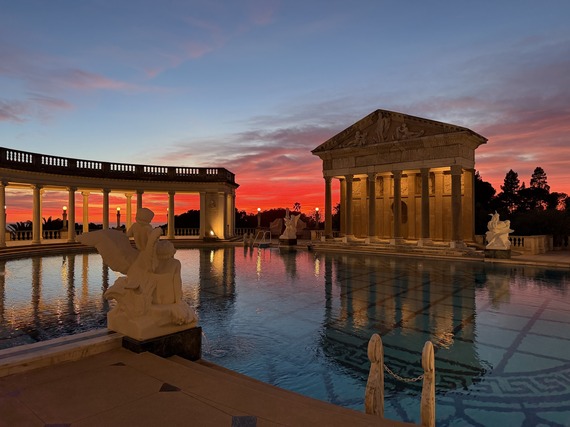 Hearst San Simeon State Historical Monument (Hearst Castle)
Photo title: "Winter Sunset at Hearst Castle's Neptune Pool"
This is "winter escapes": "This was the last night of evening tours at the castle before the time change. It was still chilly and breezy. And it was a nice moment to be among fellow guides before the tours of the evening began."
Photo taken: March 7
Photo by: MJ Teater, San Luis Obispo Coast District. MJ is a guide I and has been with State Parks for two and a half years.
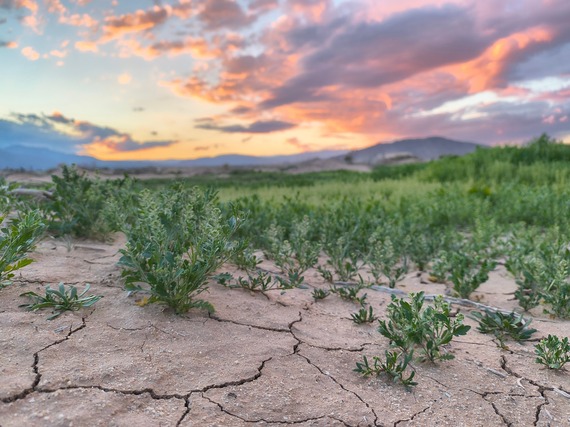 Ocotillo Wells State Vehicular Recreation Area
Photo title: "Wet Winter Wonderment"
This is "winter escapes": "The winter rains brought the whole of California out of drought and seeing the abundance of plants that sprang to life in the light of a beautiful Colorado Desert sunset truly felt like an escape from dry conditions."
Photo taken: Jan. 24
Photo by: Eric Kung, Ocotillo Wells District. Eric is a park and recreation specialist and has been with the department for four and a half years.
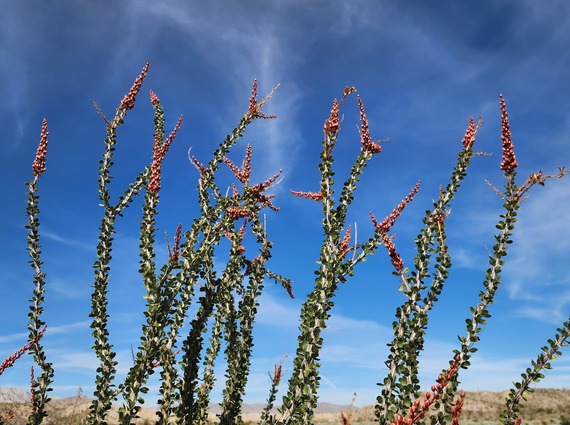
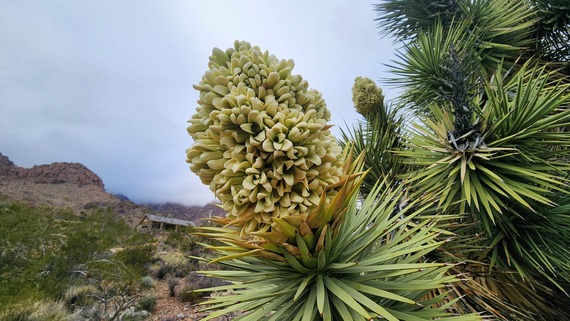 Providence Mountains State Recreation Area
Photo title: "New Year, New Bloom"
This is "winter escapes": "We received about one inch of rain between New Year’s Eve and New Year’s Day. Although it does snow here, this was a slow soaking winter rain. With all the additional autumn rain, on Jan. 2, I noticed the ornamental Joshua trees (Yucca brevifolia) were already budding flowers. The cool and comparatively wet winters of the Mojave Desert are a seasonal escape from the hot summers and dry winds."
Photo taken: Jan. 2
Photo by: Andrew Fitzpatrick, Inland Empire District. Andrew has been with state parks for 17 years and is an interpreter I.
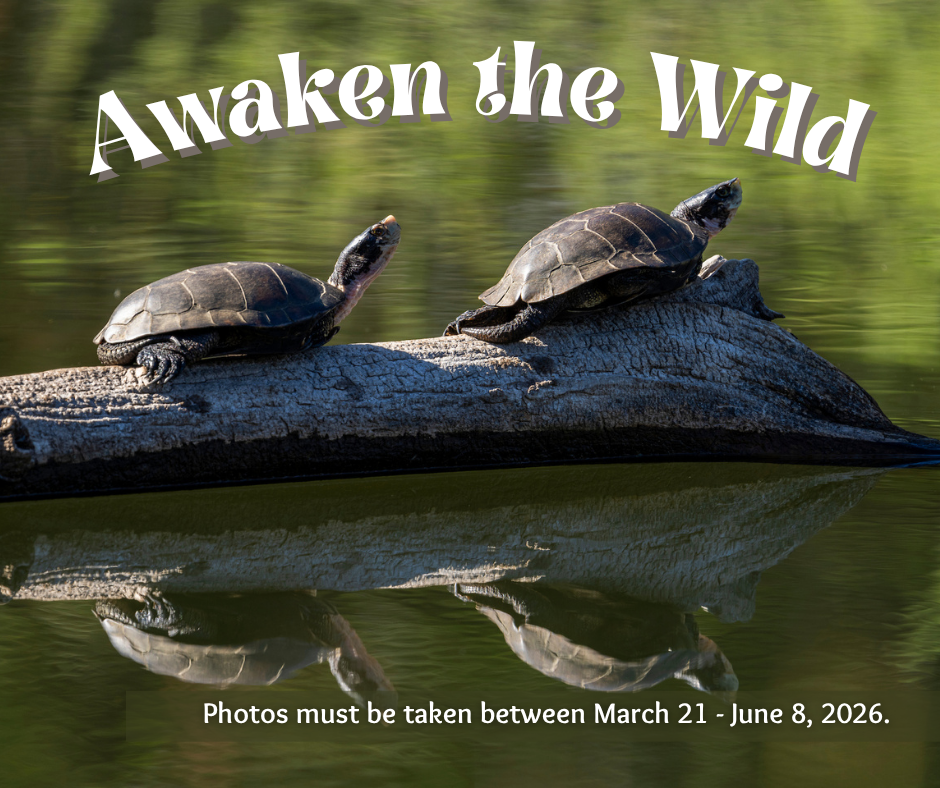
‘Awaken the Wild’ in State Parks With Our Spring Photo Contest
Story from: Communications and Marketing Division
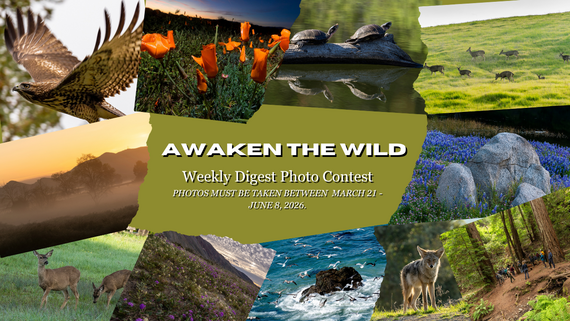 Thank you to everyone who submitted photos to the “Winter Escapes” contest; we appreciate everyone sharing why state parks are a place to escape to at any time of the year. The top photos selected above will be shared next week (March 22-27) on California State Parks' social media accounts (Instagram, Facebook, and X). If you don’t already follow the department’s social media channels, click the links above and share these photos.
For the upcoming contest, “Awaken the Wild,” we invite you to capture the moments when California’s state parks rouse from their winter slumber. Spring seems to awaken the wild side of state parks: Waterfalls and scenic rivers fed by melting snow; deserts and meadows blooming with wildflowers; primeval forests, breathtaking coastlines and craggy mountains; and, of course, the wildlife and plants that call these parks their home.
If you like your state park more mild than wild, no problem! Capture people discovering their wild side by trying a new recreational activity, like a hike of any challenge level (remember that we need a media release form for all non-State Parks employees depicted). Go wild with whatever is thrilling and exciting about California state parks in spring!
Photos for the “Awaken the Wild” contest must be taken at one of the 280 California state parks between March 21 and June 8, 2026. If your photos include people who are non-State Park employees or volunteers, remember you must have a photo release form.
The rules are simple:
- Only California State Parks employees and volunteers are eligible to participate.
- Photos must be taken between March 21 and June 8, 2026.
- Photos must be taken at one of California’s 280 state parks.
- Photos with images of non-State Parks staff or volunteers must include a filled and signed photo Visual Media Consent form (DPR 993).
- Photos will be judged on quality, uniqueness, the moment captured and content.
- The top five photos chosen will be announced in June and shared on California State Parks’ social media channels and in the Weekly Digest. Photos that didn’t make the top five might also be published on social media.
- Photos will be judged by the Communications and Marketing team (whose members are not eligible to participate in the contest).
- Photo images should be a minimum of 1920×2400 ppi.
Questions? Reach out to us at WeeklyDigest@parks.ca.gov and we’ll be happy to answer them. If you have a photo contest idea, let us know. And happy exploring!

Join Us at the 23rd Annual Director's Recognition Awards Next Thursday
Story from: Jorge Moreno and Jo Biswas, Communications and Marketing Division
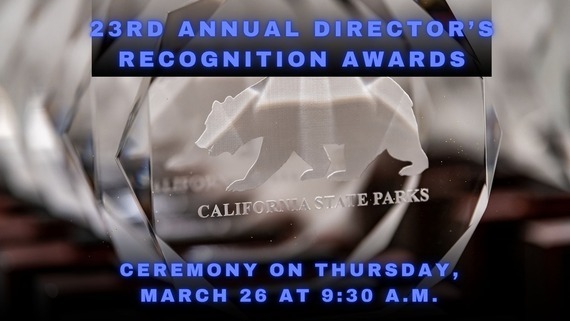 Join us next week as we celebrate your colleagues and park partners receiving Director’s Recognition Awards for their outstanding accomplishments over the past year. The 23rd Annual Director’s Recognition Awards ceremony will be held in person on Thursday, March 26, in Sacramento.
The annual awards program honors State Parks employees, volunteers and park partners’ passion, tenacity and innovative contributions. Some of this year’s recipients are being recognized for working tirelessly during and after the Palisades Fire, others for delivering outdoor education and leadership programs for diverse communities statewide, and others for risking their own lives to save others. This year’s recipients are leading with integrity and are setting standards that continue to lift the department.
A special thank you to those who took the time to nominate colleagues and partners — your recognition helps shine a light on the inspiring work happening across the department and strengthens our culture of appreciation.
The Director’s Recognition Awards are a celebration of the shared mission of State Parks, a moment to reflect on why we do what we do and the people who make it all happen. We hope you join us in celebrating these fantastic achievements and we look forward to seeing what you accomplish next!
The ceremony will be streamed live beginning at 9:30 a.m. and will be available to view at parks.ca.gov/DirectorAwards.
 
Women's History Month: Where Women Made History
Story and photos from: Office of Historic Preservation
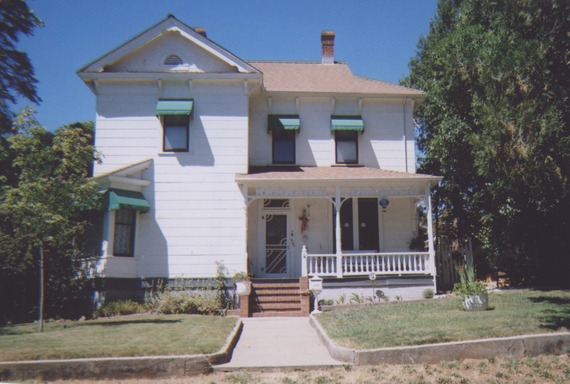 Irene Burns' Auburn home was listed on the National Register of Historic Places in 2013.
As part of Women’s History Month, the Office of Historic Preservation wanted to highlight some places where women made history. Below you’ll find the stories of some incredible women and their lasting impression in California’s history and beyond.
Alice Piper and Big Pine High School
In 1924, Alice Piper was a 15-year-old Paiute student who, along with other Native American students, was denied enrollment at the newly built Big Pine High School. She and six other students sued the school district. In Piper v. Big Pine School District of Inyo County, the California Supreme Court unanimously ruled in Piper's favor. The case served as precedent for another California school desegregation case, Mendez v. Westminster, in 1947, and later in Brown v. Board of Education, in 1954. After high school, Piper worked with Native American youth until she retired in 1968.
In 2014, a statue of Piper was installed in front of the school. On June 2, 2024, the California Legislature honored Piper's legacy with "Alice Piper Day." Later that year, Piper was inducted into the California Hall of Fame.
Irene Burns
Irene Burns was the first woman elected to public office in Placer County, serving three terms as the county superintendent of schools, from 1914 to 1926. She was also one of the first women in the county to drive an automobile. In 1930, she moved to San Francisco and established a school for children with developmental disabilities. In 1942, Burns returned to Placer County and converted her Auburn home into a school for disabled students.
Irene Burns' Auburn home was listed on the National Register of Historic Places in 2013. More can be read about Irene Burns and her home in the National Register nomination.
Rosie the Riveter World War II Home Front National Historical Park
In 1997, what began as a memorial to recognize the women who made up Richmond's World War II home front workforce soon became the founding of a national park. The art installation, "Keel Walk," designed by landscape architect Cheryl Barton and visual artist Susan Schwartzenberg, became the backbone of what would become the Rosie the Riveter World War II Home Front National Historical Park. This park comprises several historic locations in the Richmond area. The National Park Service works in partnership with the site and building owners.
During World War II, an estimated 5 to 6.5 million women entered the workforce as part of the home front war effort. Many of these jobs were considered nontraditional, such as operating heavy machinery, driving trucks, welding and riveting, earning women the nicknames "Wendy the Welder" and "Rosie the Riveter" or "Rosies," respectively.
The concentration of manufacturing plants and shipyards in Richmond brought an influx of people, increasing the population from 24,000 to over 100,000. An estimated 30% of workers in the shipyards and manufacturing plants were women. Federal funds helped to build infrastructure, including housing, a field hospital and childcare facilities. Many of these sites have been preserved as park sites or are still in use today.
 Rosie the Riveter World War II poster.
Asilomar State Beach Hosts Annual Women's History Month Celebration
Story from: Isabella Brown, Monterey District
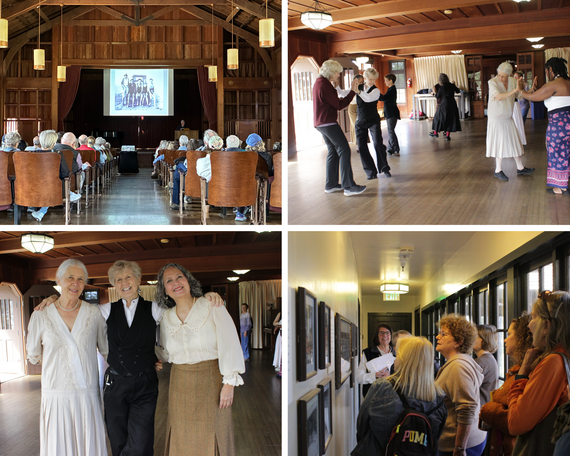 Clockwise from top left: Dr. Kathryn Davis delivers the keynote address; photo from Julia Madden-Fulk, Monterey District. Instructor Joan Walton leads a dance workshop. Volunteer Linda Pagnella leads a history tour. Walton poses with volunteers Karen Shaffer and Lisa Bradford. Photos by Lucy Larios, Monterey District volunteer.
Community members gathered at Asilomar State Beach and Conference Grounds for its annual Women’s History Month celebration on March 14. Asilomar was established as a YWCA retreat site where middle school and high school-aged girls would learn life skills to prepare them to be independent women. The grounds were built by Julia Morgan, California’s first woman to hold an architect's license. Given this rich backstory, Asilomar is the perfect place for a Women’s History Month event. Participants enjoyed a variety of free programs throughout the day.
State Parks staff and volunteers led four tours of the Julia Morgan buildings, interpreting the history of the grounds and its many connections to women’s empowerment and advancement. Instructor Joan Walton led three workshops of dances coinciding with the YWCA era in Monterey (1913-1935). Participants embodied the spirit of Asilomar through learning the Charleston, Jiffy Mixer and more.
A keynote address in the Grace Dodge Chapel topped off the event. Dr. Kathryn Davis, professor emeritus at California State University, San Jose, spoke about “Fearless Curiosity: Reclaiming the Legacy of California’s Women Scientists and Explorers.” Dr. Davis' research focuses on women explorers and scientists of the late-19th and early-20th centuries, bringing them out of the shadows and into their rightful place in the histories of science, geography and exploration. Roughly 100 attendees learned about these incredible women and the contributions they made to their fields.
A huge thank you to the wonderful State Parks staff and volunteers for the time and energy they brought to this celebration! Thanks to Asilomar’s concessionaire, Aramark, for providing refreshments and event support.
Behind the Reopening: Facilities Development at Will Rogers State Historic Park
Story and photos from: Facilities Development Team, Angeles District
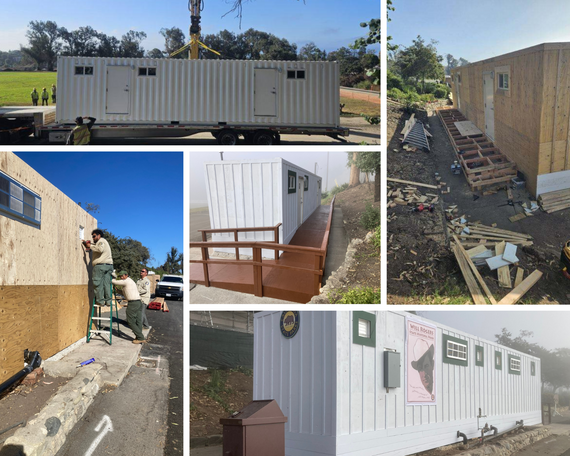 How do you transform a simple container into a state park restroom? Top left: Container being delivered. Top right: Construction begins on transforming the container. Bottom left: Staff from across the district transform the container into the bathroom that now stands on site. Center: The ramp is looking great. Bottom right: Full view of the transformed container.
Will Rogers State Historic Park (SHP) reopened to the public last November. For many visitors, it meant getting back to their favorite trails and taking in those familiar coastal views. But for the park to reopen, Angeles District staff worked diligently to ensure everything was ready. Today, we want to highlight the work of the facilities development team.
While most of the work happened behind the scenes, it made all the difference. One major project was the container bathroom, led by Lucas Abel and Desirae Renta from the Angeles District trail team. Staff from a range of reporting locations and skill levels, including district trails, Will Rogers SHP, Los Angeles SHP and Topanga State Park, came together, each contributing to the final construction. What began as a simple container was transformed into an Americans with Disabilities Act-compliant bathroom with wood detailing on the exterior. Staff built everything themselves and by the day of the reopening, it was hard to imagine it had once been just a container.
Another key project was rebuilding the entrance to the Betty Rogers Trail with a series of double-sided interlocking steps. The new steps replaced retaining walls that were burned in the Palisades Fire and now serve to hold the hillside in place while helping to mitigate ongoing erosion along the steep trail alignment. The crew constructed the structure piece by piece, carefully measuring and cutting each board to ensure a secure, long-lasting build. It’s the kind of job that requires patience and precision.
The reopening wasn’t just about opening the gates, it was about making sure the park was truly ready. Thanks to the hard work and professionalism of our maintenance team, it was.
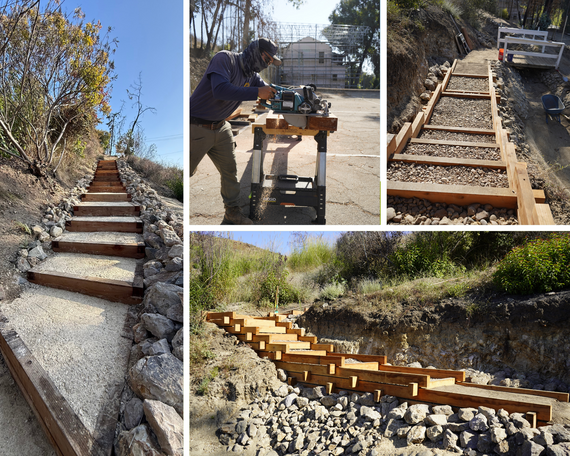 Rebuilding the steps to the Betty Rogers Trail, clockwise from left: View looking up the interlocking steps. Senior Maintenance Aide (Seasonal) Lucas Abel cutting wood to the precise size to perfectly fit the staircase. Almost finished—the stairs before the final touches.Side view of the interlocking steps at the beginning of the trail.
California State Railroad Museum Presents ‘Black & African American Railroad Experience: A Work in Progress, Building the Exhibit Together’
Story from: California State Railroad Museum
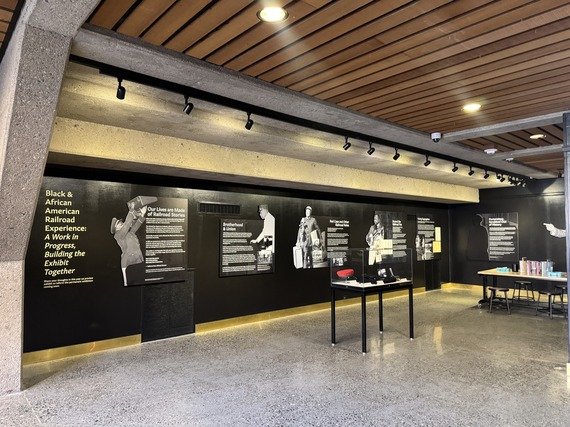 “Black & African American Railroad Experience: A Work in Progress, Building the Exhibit Together” is on display in the lobby of the California State Railroad Museum through June 2026. Photo from Kim Whitfield, Capital District.
The California State Railroad Museum is proud to present “Black & African American Railroad Experience: A Work in Progress, Building The Exhibit Together” on display now in the museum lobby. Curated in collaboration with the African American Experience Committee, this compelling exhibit is part of a community-building engagement project designed to gather data, input and stories for a future Black and African American exhibit that, once completed, will be on permanent display in the museum. Following an overarching “Our Lives are Made of Railroad Stories” focus, the Railroad Museum is committed to incorporating the full diversity of perspectives and experiences in the museum.
“Representation matters,” said Museum Director Dr. Ty Smith. “Through collaboration and cocreation, we want to ensure the stories of individuals, families and communities enrich our understanding of history and inform our lives and futures. The committee is actively and intentionally gathering personal stories, objects, photos and collections in an effort to build future permanent exhibits that will convey the richness of Black and African American Experiences, which lie at the very heart of American railroading.”
The temporary exhibit highlights topics, stories and themes that are part of the museum’s impressive collection, but is also calling out for the community to share insight into areas of focus for which more information is sought.
Outlined below are a few examples of individuals and elements highlighted in the exhibit:
-
Phillip Randolph – writer, magazine publisher and activist who urged African Americans to resist being drafted into World War II.
-
The Ladies’ Auxiliary of the Brotherhood of Sleeping Car Porters (BSCP) – Black and African American women (often wives of porters) who worked in secret to recruit porters for the BSCP, collect union dues and to educate porters’ families on the benefits of unionizing.
-
“Red Caps” – mostly African American men who volunteered at a railroad station to carry baggage and earn tips from passengers.
“Black & African American Railroad Experience: A Work in Progress, Building The Exhibit Together” is on display through June 2026. Find more information here.
Docent Enrichment at Carrizo Plain National Monument
Story from: Callista Turner, Great Basin District
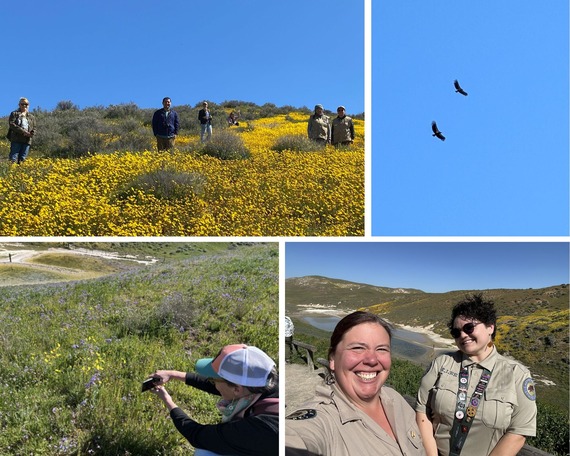 Clockwise from top: Volunteer docents from Great Basin District stand above a field of coreopsis at Carrizo Plain National Monument. Photo from Callista Turner. California condors soaring above the national monument. Photo from Kirsten Schwarz, Great Basin District volunteer. Interpreter II Callista Turner and Park Aide Kady Lee take a selfie. A volunteer docent captures wildflowers on her smartphone. Photos from Callista Turner.
Docent enrichment is the official State Parks term for extracurricular programs offered to docents to cultivate a deeper knowledge and respect for California and to increase volunteer comradery. It is often one of the few times when groups of volunteers get together and have a chance to catch up. Given everyone’s mutual love of wildflowers, I organized a visit to Carrizo Plain National Monument (NM) for Antelope Valley California Poppy Reserve State Natural Reserve and Saddleback Butte State Park docents.
Carrizo Plain NM is a stunning wildflower location that is considered one of the best in the state. Participating docents and Park Aide Kady Lee were treated to hillsides of coreopsis, purple Great Valley phacelia, California endemic Lemmon’s mustard and the federally listed as endangered Kern mallow. At the end of the day, as the caravan headed back, I looked out the window and saw a black bird high up in the sky…a really big black bird! After pulling into a pull out, everyone was treated to the sight of a mated pair of California condors from the local release site of Bitter Creek. A truly amazing end to a very special day.
Volunteer docent Kirsten wrote, “It was a real treat to spend time in such a magical place with plant friends. I’ve been sitting at my desk all morning looking at pictures.” Volunteer docent Sandy texted, “It was an amazing way to spend the day, and it was so great to meet new volunteers and Kady. Lots of laughs, learning and beautiful scenery.”
Marconi Conference Center State Historic Park Holds District Maintenance Chief Training
Story and photos from: Jerry West, District Facilities Management Program
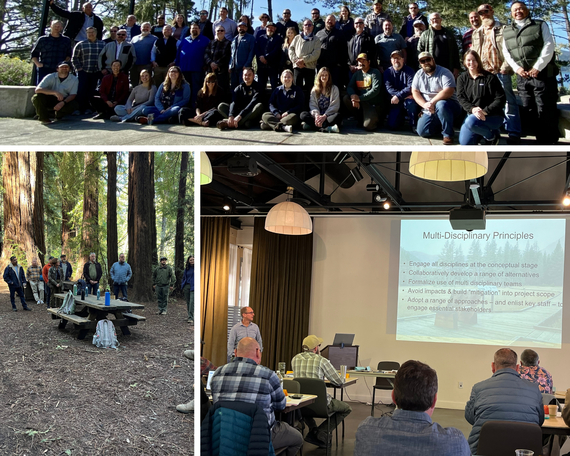 Clockwise from top: Group photo of the District Maintenance Chief Training 2026 class. Instruction in the classroom (botttom right) and outdoors (bottom left).
The District Maintenance Chief Training and Update, held March 8–13 at Marconi Conference Center State Historic Park, brought together facilities leaders from nearly every district for a week of collaboration, training and strategic discussion. This long-standing annual gathering, held for decades but paused last year, returned with renewed purpose, underscoring the importance of bringing field leaders together in person to exchange knowledge, strengthen professional networks and align efforts in support of State Parks’ mission.
Participants represented the highest level of district facilities leadership and engaged with presenters spanning natural resources, workforce development, strategic planning, cultural resources, equipment and operations, energy and sustainability, statewide crews, public safety programs and the Office of Water Programs at California State University, Sacramento. Throughout the week, presenters and participants consistently emphasized the growing need for multidisciplinary collaboration in project development and delivery across the State Parks System.
Hands-on demonstrations and field applications were also central to the training. Representatives from RIDGID Tools provided instruction on newly purchased utility locating equipment supplied to districts through District Facilities Management, while also showcasing additional tools beneficial for field operations. Midweek, the Bay Area District hosted a working lunch at Samuel P. Taylor State Park, highlighting successful defensible space work completed by the California Conservation Corps and a collaborative trail realignment project at Devils Gulch. These efforts demonstrated how partnerships and cross-disciplinary coordination lead to stronger outcomes on the ground.
The training reinforced that gatherings like this are more than informational meetings, they are a critical investment in the statewide leadership network responsible for maintaining and improving park facilities. The expertise shared, caliber of presenters, and collaboration fostered throughout the week underscore the continued importance of this long-standing training as a key venue for leadership engagement, knowledge exchange and statewide collaboration in support of the State Parks mission.
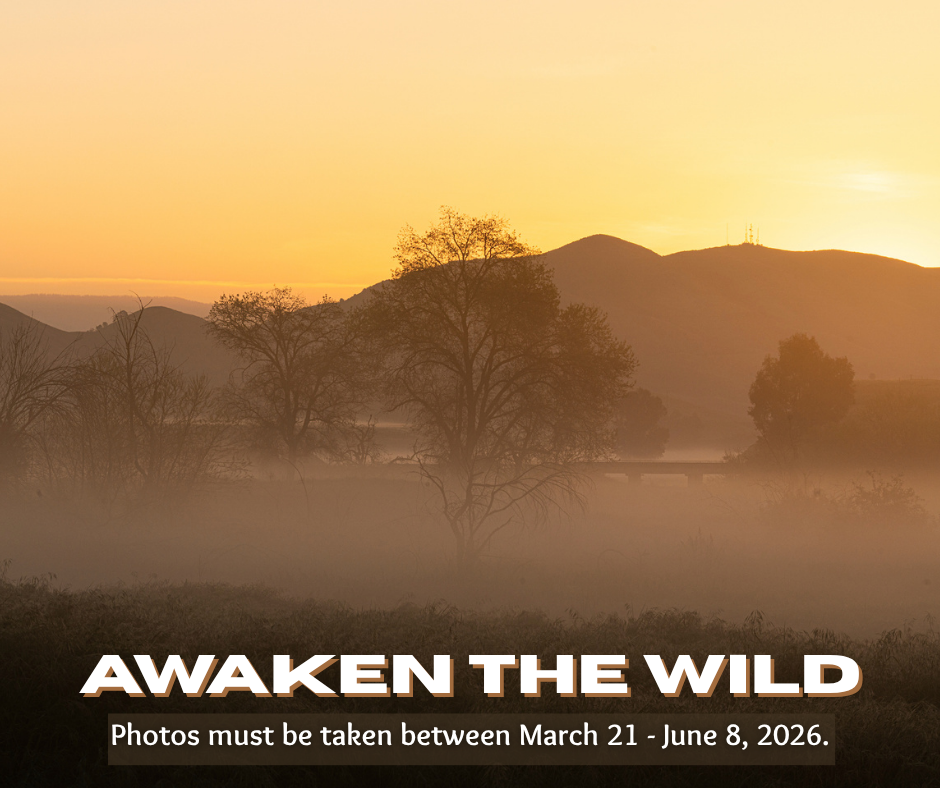 Submit your photos via this Weekly Digest Submission Form or send them to WeeklyDigest@parks.ca.gov with the subject line “Awaken the Wild Photo Contest.”
|