2025 was a big year for California.
The new year witnessed one of the worst natural disasters in our state’s history. The Eaton and Palisades wildfires devastated portions of Los Angeles with suffering beyond words. Californians quickly united to support Angelenos in countless ways, and we’re focused on helping LA continue to recover almost a year later.
During the rest of the year, we made big progress with our partners in many areas, even as we navigated federal attacks on our environmental programs.
Here are 5 highlights from our shared progress in 2025:
 Bone-dry conditions in LA that fueled those devastating wildfires is the latest example of extreme events driven by climate change. We’re not sitting on our hands as these threats mount:
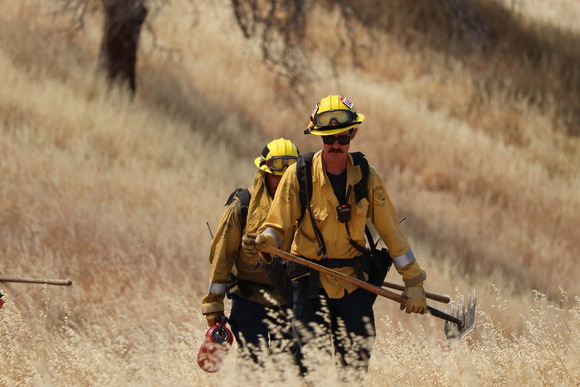
🔥Wildfire: Since March, we’ve accelerated some 200 critical wildfire prevention projects – in part supported by early action Climate Bond funding. We also have a new tool in our wildfire arsenal with the Governor’s executive order expanding the use of beneficial fire, which includes prescribed and cultural fire. To further boost our response capabilities, CAL FIRE continues building the world’s largest aerial firefighting fleet with new C-130 air tankers going into service and a fleet of 16 Fire Hawk helicopters. They also graduated a record 650+ Company Officers, adding even more brave heroes to the front lines of firefighting.
🌡️Extreme heat: We’re continuing to invest in projects that prepare communities for extreme heat by implementing our Extreme Heat Action Plan. These projects include cooling centers, microgrids for energy resilience, urban forestry, shade, smart surfaces, home retrofits, and green school yards. California also launched CalHeatScore, a tool that ranks extreme heat and provides communities with vital data.
💧Flooding and drought: While the federal administration pulls back on storm monitoring and river forecasting, we’re focused on protecting communities. The Department of Water Resources continues to lead efforts to keep people safe from flooding with over $2 billion in active flood projects across the state, including a critical Central Valley flood protection project we broke ground on in April, and active coordination with local governments. We also remain focused on the hotter, drier climate – ramping up investments in water storage projects and improving underground water storage.
🌊Sea level rise: The Coastal Conservancy is investing in key projects protecting Californians from the impacts of sea level rise, including critical levee work in San Jose and adaptation along the Pajaro River Estuary near Santa Cruz. State funding is also helping 17 coastal communities develop plans to adapt to rising sea levels.
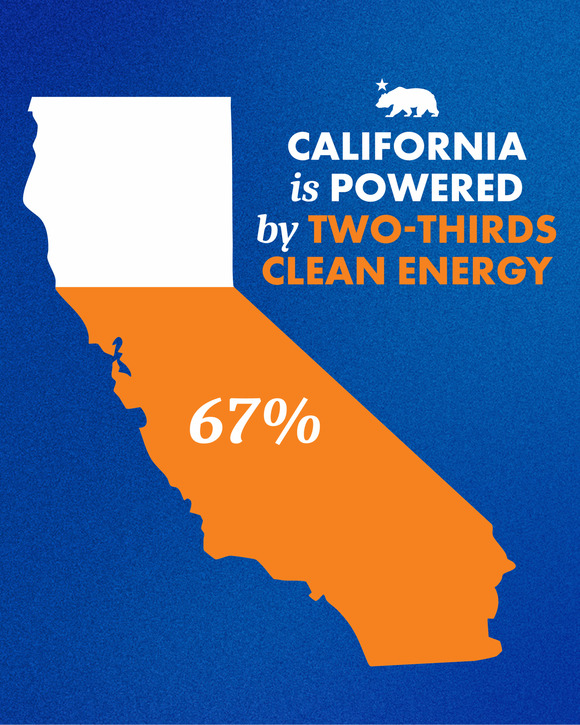 We made big strides this year building our clean energy grid. The California Energy Commission approved the world’s largest solar and battery storage project. That project builds on new records California shattered this year, with more clean energy capacity added to our grid than ever before. And we now have the most battery storage in the world, save China. If that weren’t enough, California is now the largest economy in the world to achieve being powered by two-thirds clean energy.
Our clean energy progress got major attention at the UN Climate Change Summit in Brazil – a major contrast to the federal administration that was missing in action.
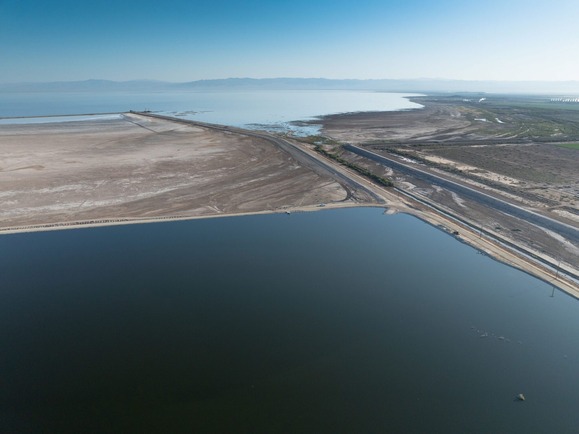 Our initiative to conserve 30% of California’s lands and coastal waters by 2030 – 30x30 – reached new heights adding over 1 million acres of conserved land and waters in a year’s time. For anyone keeping track, that’s larger than the size of Rhode Island!
We helped establish two new national monuments, launched a major project restoring shallow water habitats at the Salton Sea, and received international recognition for our work protecting marine habitats. And we’re also creating new opportunities for ALL Californians to access our unparalleled natural wonders with programs like State Parks’ discount pass programs and our Youth Community Access Program.
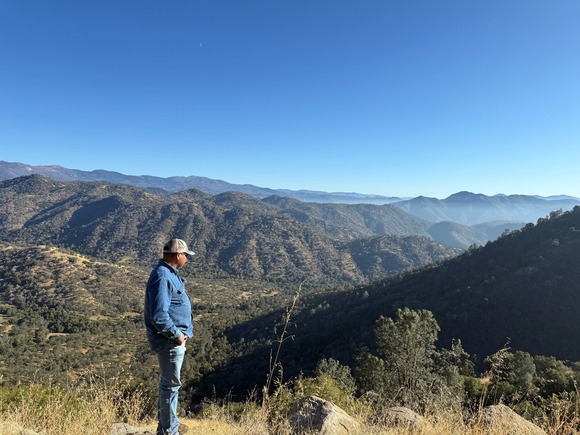 California returned over 26,000 acres of ancestral lands to California Native American tribes in 2025 – a powerful testament of our partnership with tribal communities and supporting tribal environmental leadership.
We celebrated progress like returning over 17,000 acres to the Tule River Indian Tribe and 10,000 acres to the Washoe tribe, made possible by the state’s Wildlife Conservation Board and our state conservancies. We’re also glad to welcome new leadership to our Native American Heritage Commission, which protects cultural resources across California.
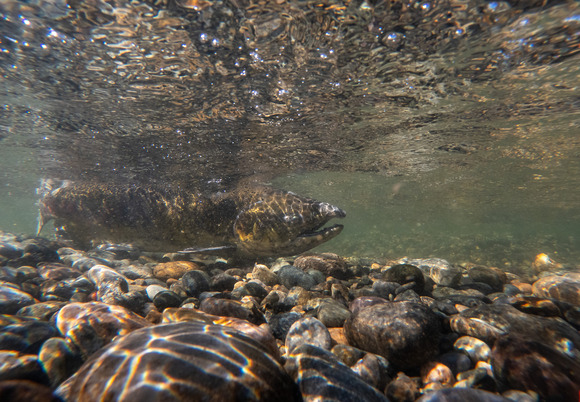
Salmon also had a big year in California. We continue making great progress implementing the California Salmon Strategy led by the California Department of Fish and Wildlife and so many partners – and we’re seeing the results in real-time.
Species of salmon are now regularly being discovered in places they haven’t been seen for decades. Coho salmon were spotted in the upper Russian River for the first time since 1991 and salmon are being seen “everywhere” in the Klamath following the state’s successful removal of four dams.
On the infrastructure side, we officially completed big salmon projects like the Big Notch fish passage along the Sacramento River and approved new funding for salmon restoration projects in the Central Valley.

|