🚨Just in!
We recently launched our new Climate Bond website to make applying for grants more accessible and easier to understand than ever before.
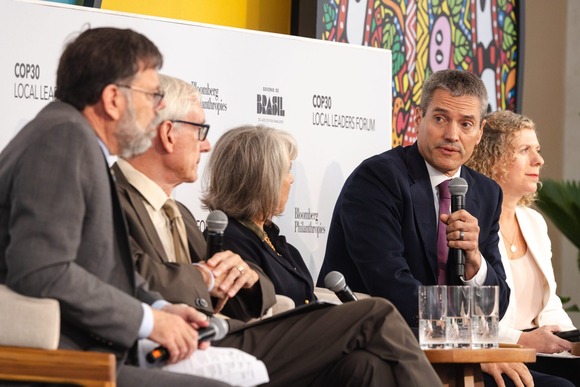
We just got back from a whirlwind trip to Brazil for the UN Climate Change Summit (COP30) – and California was at the center of the global convening. In Rio de Janeiro, we joined with subnational leaders from across the globe to learn from one another and explore how we can move faster together. After all, we share one atmosphere so global climate action benefits all of us.
With Governor Newsom, we signed new partnerships that directly benefit California. For example, we launched a new partnership with the Brazilian state of Pará, which will support wildfire response and prevention efforts in both of our states.
Our presence in Brazil was a contrast to the federal administration, which was one of the few governments on the planet not in attendance. We sent a clear message: America is still very much in this climate fight.
As the federal administration proposes to open up California’s coastal waters to new offshore oil drilling, not only are we holding firm in our opposition to no new drilling, we’re making big progress on clean energy.
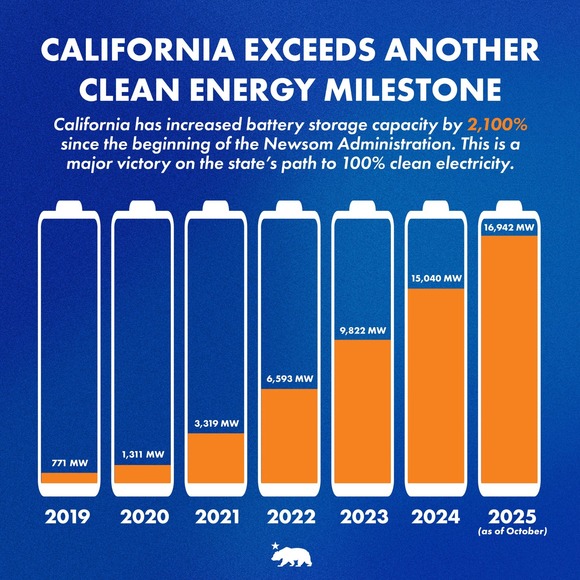
We just hit a major milestone of nearly 17,000 megawatts of battery storage capacity in California. That’s 2,100% more battery storage than the start of the Newsom administration in 2019 – and about one-third of what we need to build by 2045 to achieve our energy goals. It’s also the latest proof that we’ve moved from ambition to action – charting a course where fossil fuels, including oil from offshore drilling, is no longer needed to fuel our growth.
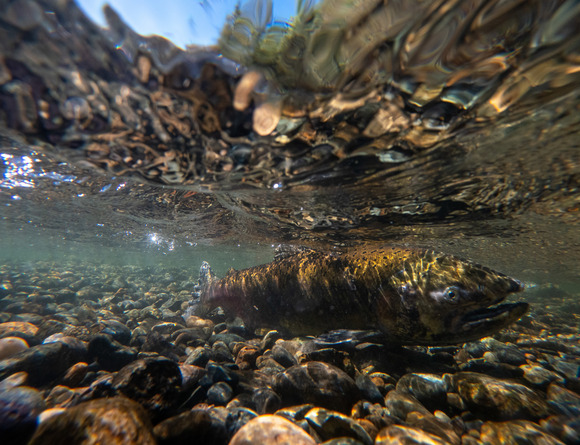
In case you missed it, the last couple weeks have been huge for helping salmon bounce back in California. Here’s how the California Salmon Strategy is unfolding on the ground:
- The Wildlife Conservation Board approved seven new salmon projects in the Central Valley totaling over $70 million
- Salmon are beginning to show up “everywhere” in the Klamath River just around a year since the successful removal of four dams
- Operations officially launched for the Big Notch Project, one of the largest floodplain salmon-rearing habitat projects in our history
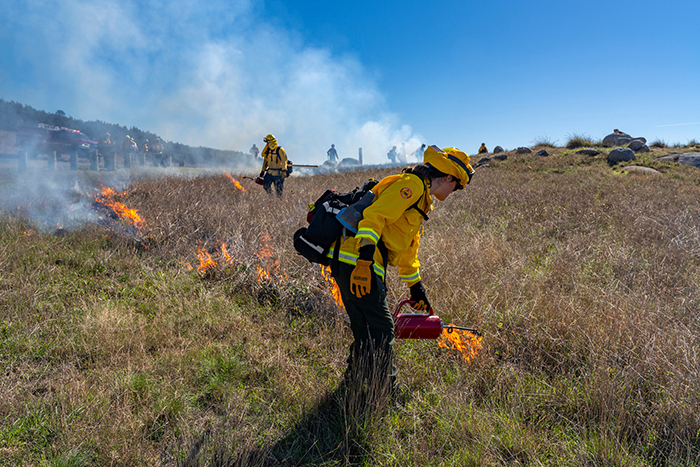
Fire season is year-round in California, and so is our commitment to building up our state’s wildfire prevention projects and firefighting capacity. We’re full steam ahead on implementing the Governor’s new executive order to further ramp up the use of beneficial fire (i.e. prescribed and cultural fire) – and agencies like State Parks are already taking the lead with good fire.
On the firefighting front, CAL FIRE continues to build up their world-leading capacity graduating a record 650 new Company Officers this year. At the same time, we’re finding new ways to harness tech with a new Global Space-Based Data Challenge.
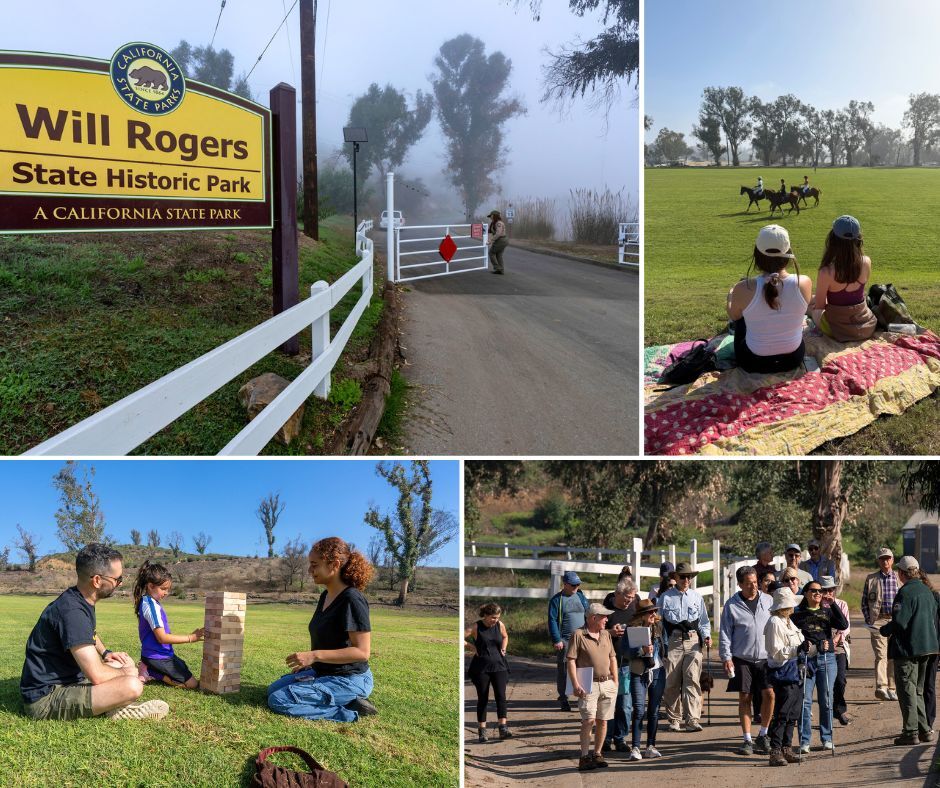
We’re closing in on one year since the devastating LA fires but here’s some good news from ongoing recovery efforts: Will Rogers State Historic Park is now reopened. The park welcomed visitors last month for the first time since the Palisades Fire in January. Visitors enjoyed guided hikes and historical walks along the accessible trails, polo demonstrations, lawn games and witnessed the incredible resilience and recovery of the historic park.
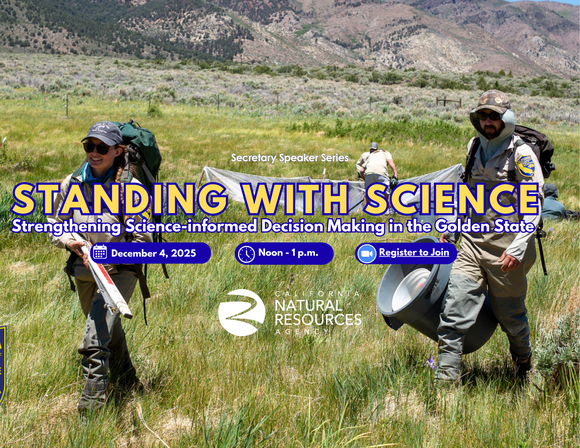
Tackling climate change requires sophisticated understanding of what we face. Thankfully, California is home to world-class universities and National Labs that generate crucial scientific data and research. At this important moment, we’re doubling down on science partnerships that guide our decisions.
Join us this Thursday, December 4, to discuss how we’re doing this and meet key leaders driving these vital partnerships. Plus, you won’t want to miss an exciting announcement we have on deck.

|