In these tough times, we’re making real progress tackling big environmental challenges. New federal attacks are targeting California but that won’t deter our progress. We’re actively building a future where people and nature thrive together.
🚨Just in!
- Governor Newsom signed an executive order today doubling down on California’s commitment to fire prevention by expanding the state’s use of beneficial fire
- The Tule River Indian Tribe reclaimed 17,030 acres of land, the largest ancestral land return in the Sierra Nevada foothills and Central Valley region, and a milestone in California’s efforts to address historical wrongs against California Native American tribes
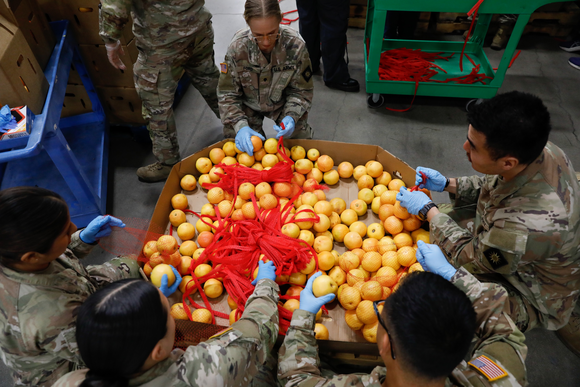
There’s no end in sight for the federal government shutdown — now 28 days and counting. But California remains open for business and we’re filling the void created by the federal administration.
Our state leaders deployed the California National Guard to support food banks impacted by the shutdown and shifted resources to protect communities from coming winter storms. We’ll continue to protect Californians from the federal shutdown as long as needed.
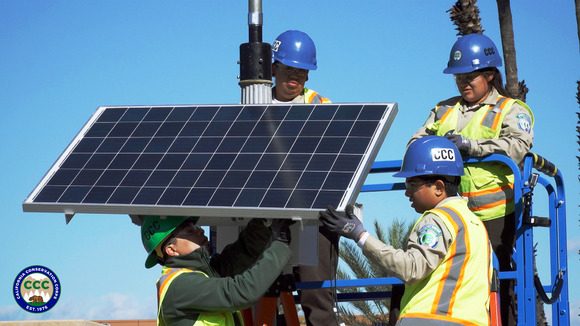
Just announced: California has added more than 30,000 megawatts of new clean energy and storage since Governor Newsom took office — enough power to meet half of California’s record peak electricity demand.
Today, two-thirds of our energy comes from clean sources, and California went the third summer in a row without issuing any Flex Alerts for voluntary power conservation amidst record extreme weather.
More good news comes on zero-emission vehicles: A record 29.1% of all new cars purchased in California last quarter were electric cars or hydrogen vehicles. Drivers have more choices than ever for clean, reliable transportation!
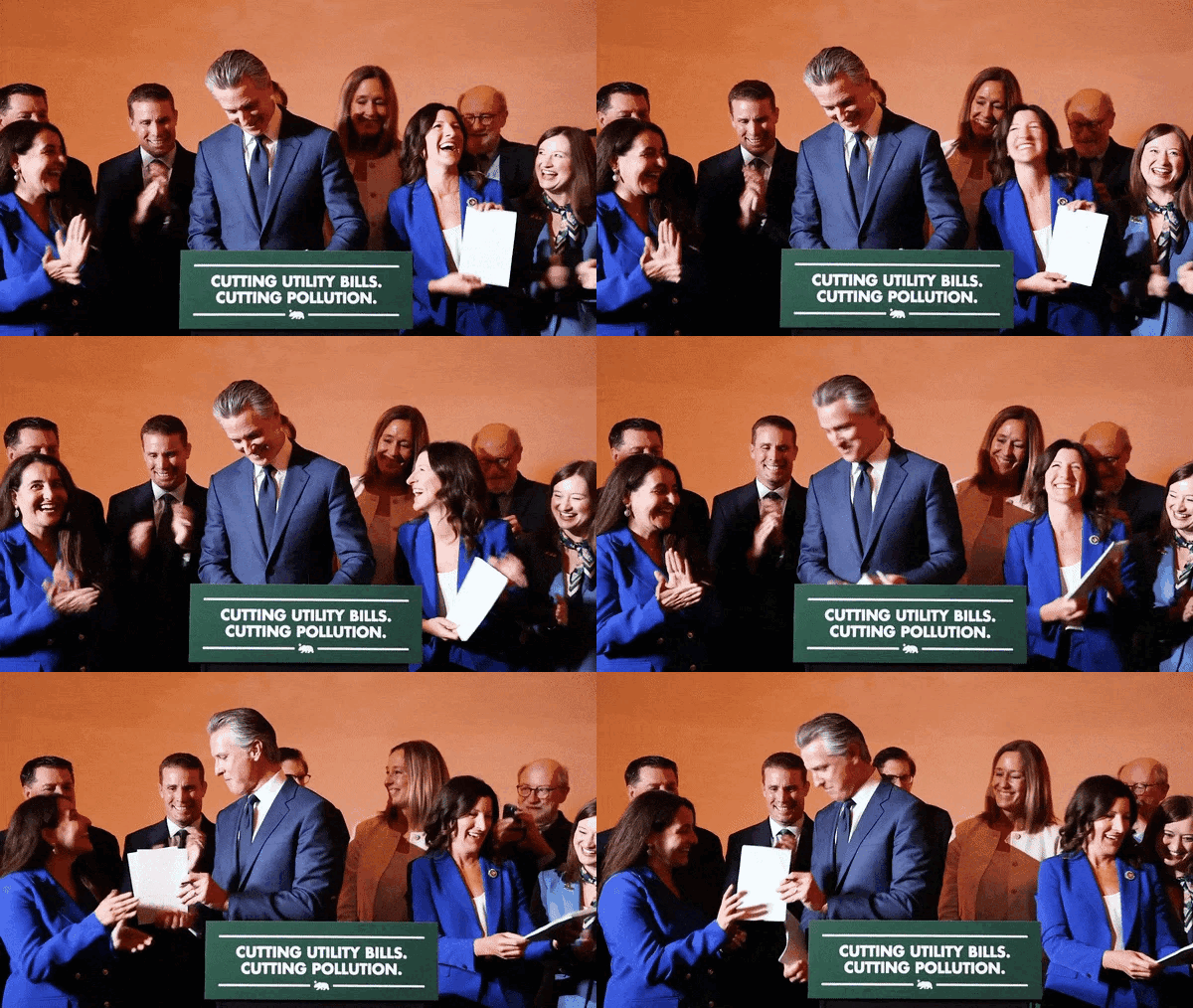
The Governor and Legislature last month enacted the most consequential advances to California’s climate change laws in decades. This legislation will accelerate our world-leading efforts to slash carbon pollution, lower electricity costs for Californians by providing upwards of $60 billion in bill refunds, and stabilize gasoline supplies.
Crucially, the new laws extends our Cap-and-Invest program, which guarantees further cuts in pollution. It generates billions of dollars from polluters to clean the air in communities most impacted by toxic pollution, deliver clean water to all Californians, and expand clean transportation options.
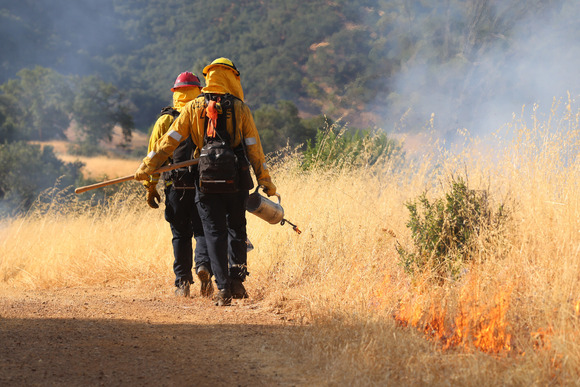
Breaking news on the wildfire prevention front: Governor Newsom just signed an executive order directing our state agencies to cut red tape and expand tools to safely deploy prescribed fire.
Good progress to report on streamlining projects to protect communities from catastrophic wildfire: Under the Governor’s March state of emergency, 159 projects spanning 33,000 acres have been expedited across the state. This builds on over 2,000 fire prevention projects completed in recent years thanks to state efforts and the leadership of our Wildfire and Forest Resilience Task Force.
At the same time, state agencies are boosting wildfire response. CAL FIRE just marked a major milestone with the first officer graduation ceremony at its new Atwater Training Center. With this graduating class, CAL FIRE expects to surpass a record 650 Company Officers by year’s end. This is all part of our efforts doubling the size of CAL FIRE’s boots on the ground and building the largest aerial firefighting force in the world.
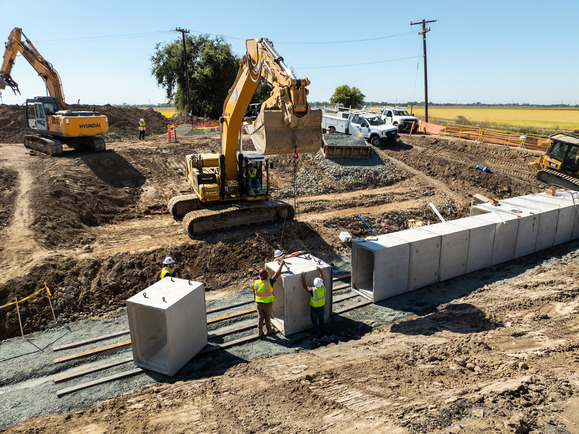
This month brought a glimpse of winter weather to come – and California is doing all it can to be prepared for flood season.
At the same time, we need to utilize winter rains and snow for water supply. This summer, California committed an additional $219 million to the Sites Reservoir project. Sites Reservoir is a key part of the Governor’s water strategy and will capture water from the Sacramento River during wet seasons and store it for use during drier seasons – holding enough water to supply over 4.5 million homes for a year.
California’s underground water storage is also improving thanks to efforts to capture and store more high flows during winter storms in groundwater basins, expand recharge basins, improve groundwater monitoring, and coordinate among local agencies to reduce groundwater pumping.
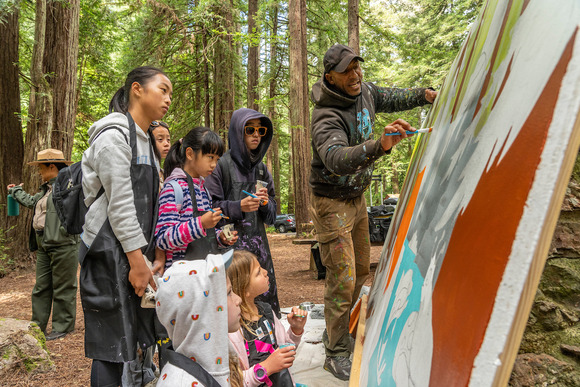
Great step forward expanding outdoor access, as California is directing over $38 million to programs that provide youth from low-income and underserved communities new opportunities to access parks, museums, and the state’s unparalleled outdoor spaces.
The funding is part of the Youth Community Access Program and is part of our Outdoors for All initiative that aims to ensure that all young people — no matter their background — can experience the wonders of nature.
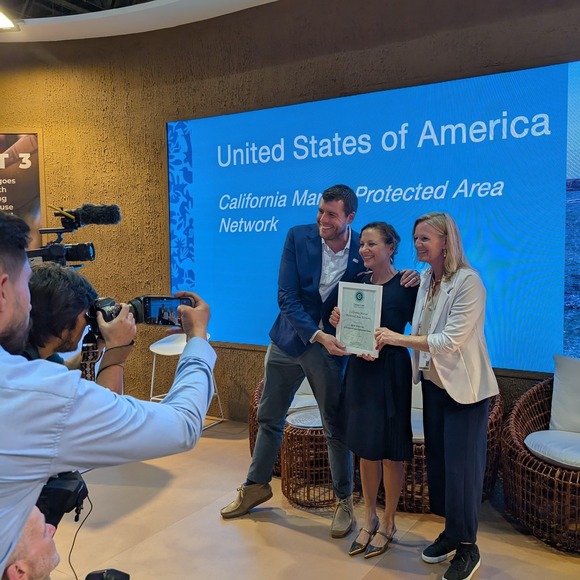
We’re proud to share that California is making history as one of the first American states to join the International Union for Conservation of Nature (IUCN). This will boost shared priorities such as 30×30, our effort to conserve 30% of lands and oceans by 2030, as well as marine protected areas, nature-based solutions, and climate resilience.
At IUCN’s recent World Conservation Congress, leaders of our Ocean Protection Council accepted the IUCN Green List award for California’s Marine Protected Area network — 124 underwater parks designed to protect our state’s world-class biodiversity. Our MPA network is the first nature network in the world to receive this honor.
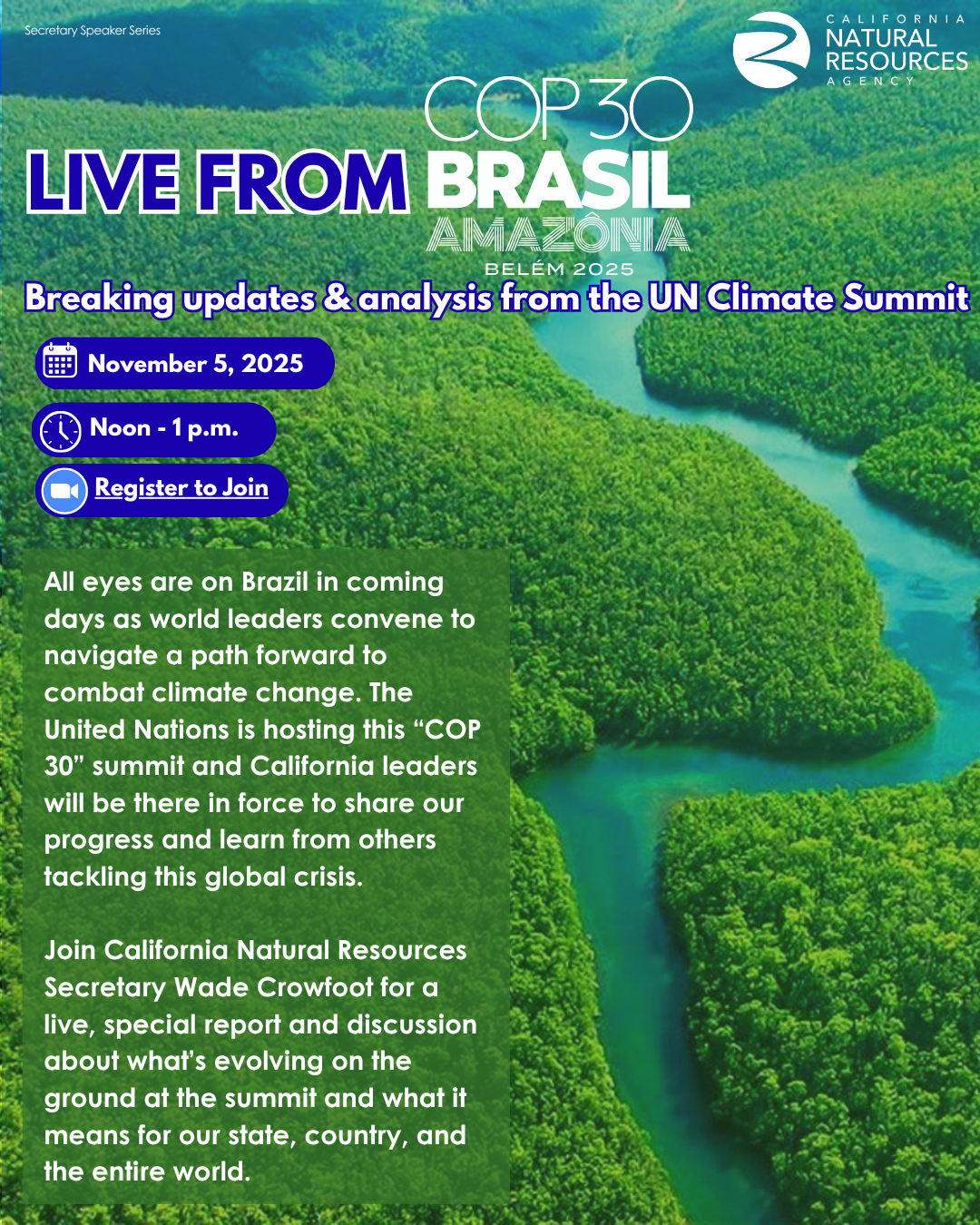
California leaders will be on the ground in Brazil in the coming weeks for the United Nations Climate Change Conference of Parties (COP 30). California will meet with other leaders from around the world to advance shared climate action and learn from each other’s policies and programs. Our message will be clear: California is a stable, reliable partner on climate.
If you’re interested in tracking progress in Brazil, please join Secretary Crowfoot for a live Secretary Speaker Series to hear a real-time update from COP30. Don’t miss out – register here!

|