|
 Feb. 14, 2025
|
|
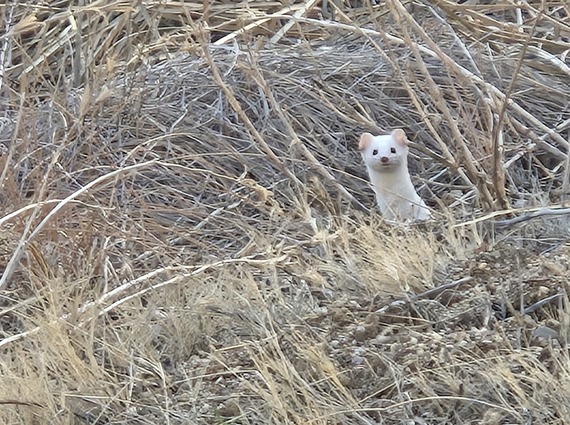 Grover Hot Springs State Park
An ermine says hello to the Weekly Digest readers.
Photo from Ashley McCausland, Sierra District

|
|
California State Parks and Esselen Tribe Sign Historic Agreement for Shared Stewardship
Story from: Angelica De La Peña, Communications and Marketing Division
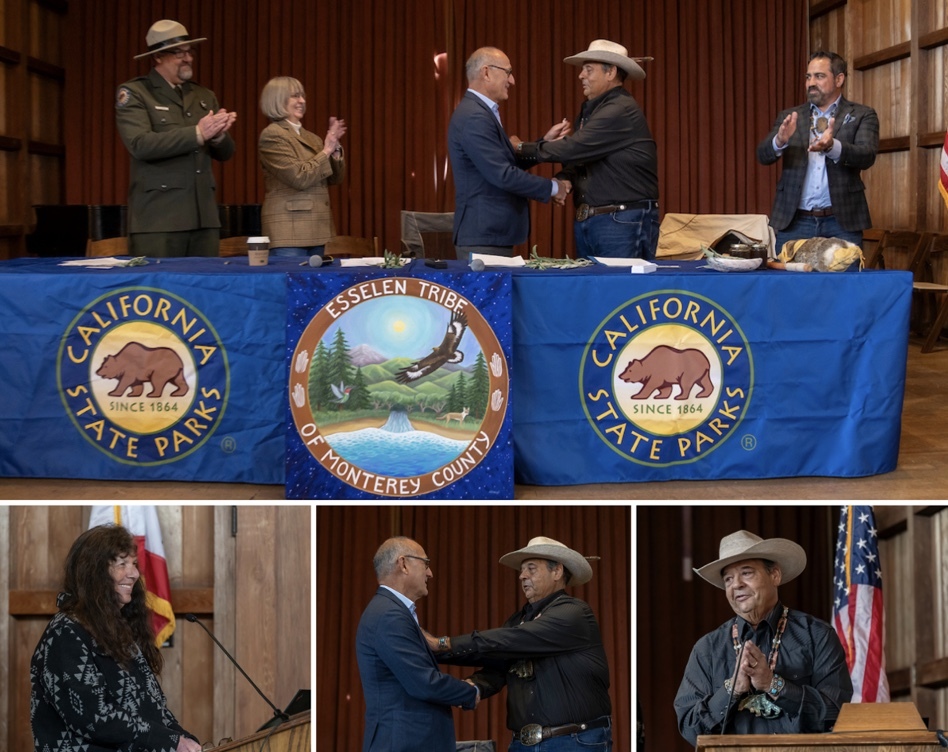 Top (left to right): Monterey Acting District Superintendent Daniel Shaw, Department Tribal Liaison Leslie Hartzell, State Parks Director Armando Quintero, Esselen Tribe of Monterey County Chairman Tom Little Bear Nason, and Esselen Tribe of Monterey County Tribal Council Member David MacDonald at the MOU signing on Jan. 31. Bottom left: Esselen Tribe of Monterey Vice Chairperson Cari Herthel speaks at the event. Bottom middle: Director Quintero shakes hands with Chairman Nason. Bottom right: Chairman Nason addresses the audience. Photos from Brian Bear, Communications and Marketing Division.
California State Parks and the Esselen Tribe of Monterey County signed a memorandum of understanding (MOU) to collaborate in the stewardship of 18 state parks within the tribe’s ancestral lands. The agreement, signed on Jan. 31 at Asilomar State Beach and Conference Grounds, will integrate traditional ecological knowledge into park management and protect cultural resources.
California State Parks Director Armando Quintero emphasized the importance of the Esselen Tribe’s wisdom, saying the partnership will enrich the narrative of Monterey County’s parks. California State Parks' 14th MOU with a Native American tribe supports co-management and expanding efforts on interpretation, land acknowledgment and emergency response planning.
The Esselen Tribe’s work also benefits other local tribes, including the Rumsen, Chalone, and Sureño peoples. This partnership aligns with the state’s broader efforts to support Tribal co-management of ancestral lands, furthering recognition of Indigenous histories in state parks.
Read our press release to learn more.
What if State Parks Wildlife Had Dating Green and Red Flags
Story from: Communications and Marketing Division
 Love is in the fresh outdoor air! February is the perfect time to fall in love with nature and the wildlife that calls it home. When heading to the outdoors, it’s always important to spot red and green flags, especially with wildlife. You never know what you’ll encounter when hiking the trails, camping under the dark sky or walking along the beach.
For this Valentine’s Day, the creative minds in the Communications and Marketing Division would like to humor you with “What if wildlife had green and red dating flags?” We came up with a few, but we’d love, (wink), to hear what you think are some green and red flags for some of the wildlife you encounter in nature.
Read the blog post to see which wildlife we selected and their flags. You can also comment on Instagram, Facebook and X.
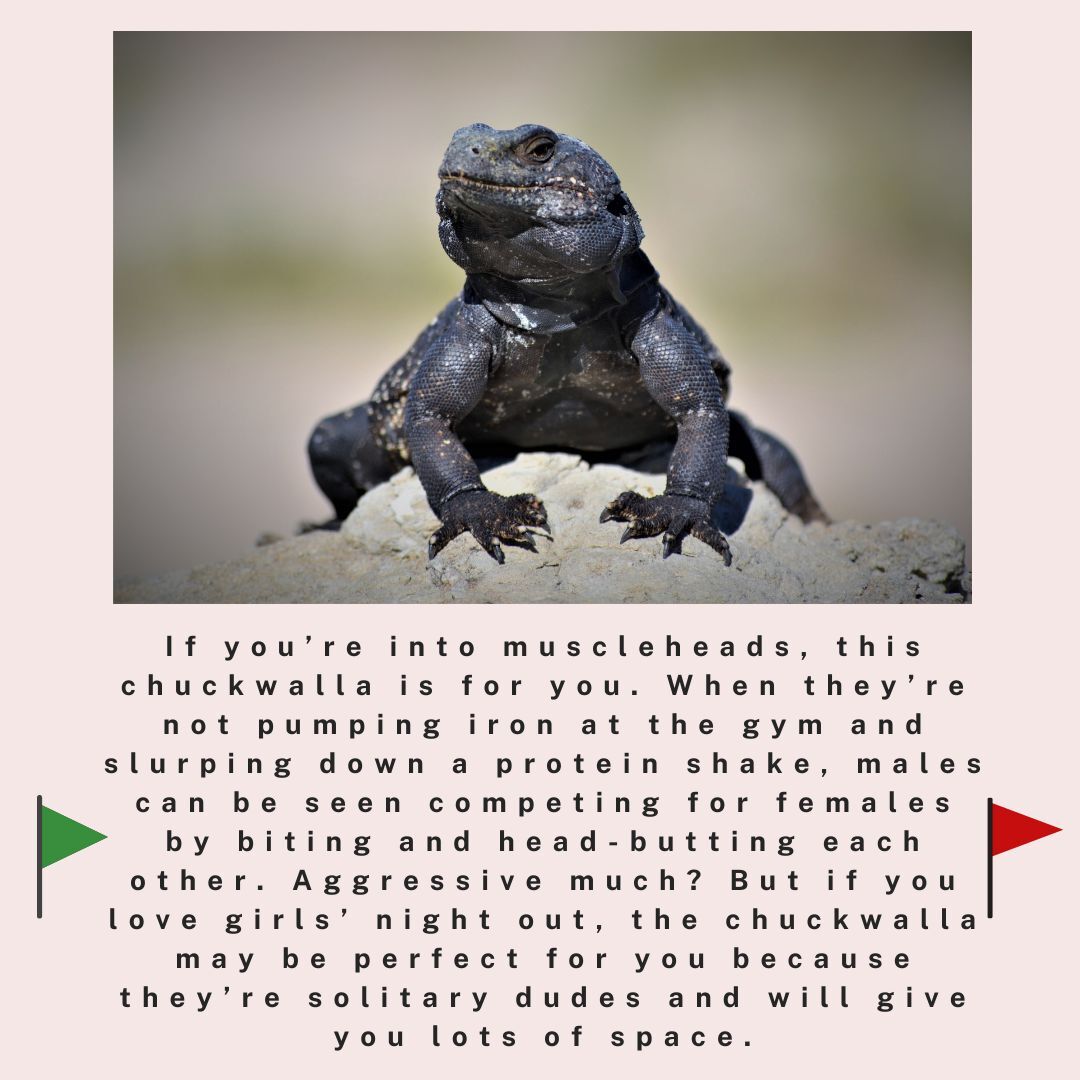 A "musclehead" chuckwalla at Red Rock Canyon State Park. Photo from California State Parks.
Walking in the Footsteps of Presidents in California's State Parks
Story from: Kevin Murphy, Communications and Marketing Division
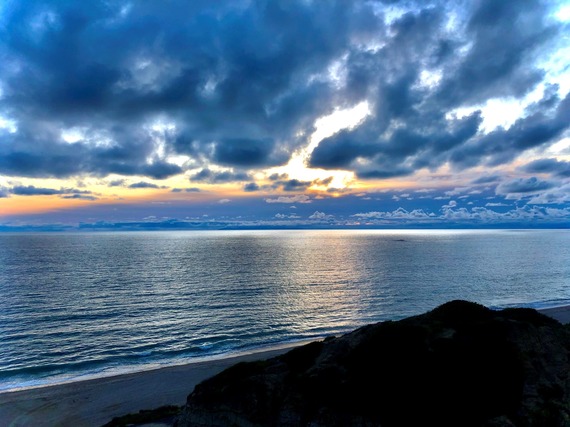 San Clemente State Beach was a favorite of President Richard M. Nixon. Photo from of California State Parks.
Did you know “Since 1864” on the State Parks logo was inspired by a presidential act? It’s true – an act signed by Abraham Lincoln during the Civil War created the first state park in California. This was the first time in history parkland was set aside by the federal government specifically for preservation and public use, creating a legacy for California and the nation. And California State Parks’ history with presidents doesn’t stop there. In honor of Presidents Day, read our blog post to learn more about U.S. presidents and their connection to our parks.
Reminder: Don’t Miss Your Chance to Enter Our 'Through the Winter Lens' photo contest
Story from: Jo Biswas, Communications and Marketing Division
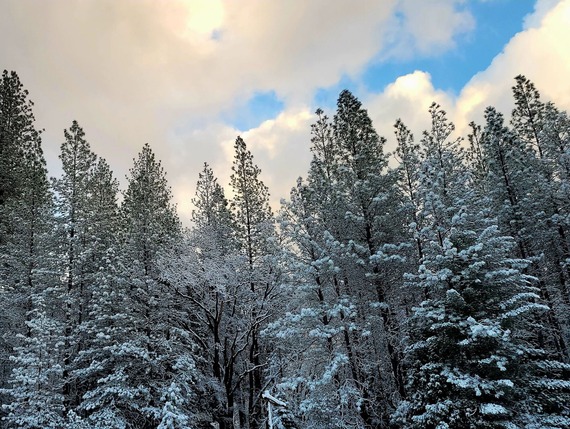
Time is ticking to submit your best winter photos for the "Through the Winter Lens" contest! Whether it’s sparkling frost, serene sunsets, or vibrant wildlife, share the wonder of winter in your state parks. Submit entries by March 11 to be part of this stunning showcase.
Photos for the “Through the Winter Lens” contest must be taken at one of California's 280 state parks from Dec. 21, 2024, to March 11, 2025. As a friendly reminder, if your photos include people who are non-State Parks employees or volunteers, you must have a photo release form.
-
Only California State Parks employees and volunteers are eligible to participate.
-
Send your photos via our Weekly Digest submission form. Subject should be "Through the Winter Lens." Provide a brief caption, the name of the state park, and a photo credit.
-
Photos must be taken between Dec. 21 and March 11.
-
Photos must be taken at one of California’s 280 state parks or State Parks offices.
-
Photos with images of non-State Parks staff or volunteers must include a filled and signed photo Visual Media Consent form (DPR 993).
-
Photos will be judged on quality, uniqueness, moment captured and content.
-
The top photos chosen will be shared on California State Parks’ social media channels and in the Weekly Digest.
-
Photos will be judged by the Communications and Marketing team (which is not eligible to participate in the contest).
-
Photo images should be a minimum of 1920×2400 ppi.
|
|
ADVENTURE OF THE MONTH
Pío Pico State Historic Park Commemorates California’s Afro-Latin Roots
Story from Andreas Agocs, Communications and Marketing Division
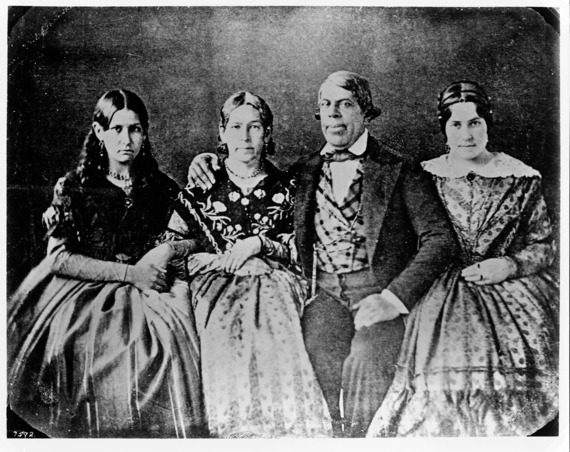 Pío Pico with his wife Maria and two nieces in a portrait taken before 1854. Photo courtesy of Huntington Digital Library.
Maria Jacinta Vastida and her husband arrived in California in 1775, as part of the Spanish overland expedition led by Juan Bautista De Anza. Like other families from the Mexican province of Sonora, they were hoping for a new life in what was then the Spanish borderland territory of Alta California. Spanish colonial records show that Maria was 26 years old, mother of seven children, and listed as mulata—the descendant of Africans brought as slaves to the New World. More is known about her grandson, Pío Pico, who became Alta California’s last Mexican governor and one of the most prominent figures in the state’s history. Pío Pico State Historic Park (SHP) preserves his legacy, and Black History Month offers an occasion to commemorate him alongside the many unsung Californians of African descent who played an important role in the state’s foundation.
The founding of Los Angeles in 1781 is sometimes considered the beginning of the Afro-Latino community in California. Of the 46 original settlers listed in the pueblo’s 1781 census, 26 individuals were of African ancestry. “Spanish colonial society was based on a racial caste system,” explains Barbara Tejada, the cultural resources program manager for the Angeles District, with “16 different ‘race levels’ ” that placed Indigenous and African identities at the bottom of a complex hierarchy. The more fluid frontier environment of Alta California could offer more flexibility for those born in lower racial categories. Pico’s father, who combined European, African and Indigenous ancestry, “moved up” to “Spanish” in the 1790 census, and Pío, born in 1801, rose in politics after California became part of independent Mexico.
Like many of the leading families in the new Mexican Republic, Pío Pico used his influence to acquire large tracts of land in Southern California, at the expense of Indigenous Tongva/Gabrieleño, Kumeyaay and Acjachemen people. When the United States seized California in 1846, Pico was deposed as the territory’s last Mexican governor. He continued to be one of the wealthiest individuals in California, though, building Pico House, a high-end hotel in downtown Los Angeles, in 1870. But the new legal system and economic order put non-white people at a disadvantage, and Pico never mastered English. In 1891, after years of litigation over his land deeds, Pico lost most of his land, including “El Ranchito,” the house in what is now the city of Whittier, in the greater Los Angeles area.
The El Ranchito property has been part of the California State Park System since 1927. The adobe building, with its verandas, patios, horno (bread oven) and dovecote, “feels like a hub,” says Interpreter III Mary Calvaresi, program manager of interpretation and education: “Pico’s house was designed as a place that people would come to.” Visitors can admire the sala, where Don Pío would have entertained distinguished guests, and the familiy’s bedrooms with displays of personal items. The 5-acre park also includes the reconstruction of the historic orchard with pomegranates and oranges.
Every Saturday and Sunday this February, the park highlights the Afro-Latinidad presence in early California with an exhibition and family activities. “Pío Pico SHP serves as a launching pad to explore the longstanding contributions of Los Angeles’ Black community,” said Calvaresi. The exhibits—created in collaboration with Anza National Historic Trail and California State University, Fullerton—invites visitors to reflect on the diverse identities of California and ask “how do we see ourselves reflected in spaces”—for example in the naming of landmarks and streets like Pico Boulevard in Los Angeles. Of course, at any time the park can be enjoyed as one of the most beautifully reconstructed legacies of early Californian life. Though located in an urban area, Calvaresi says, “there are times where you can’t hear anything but the birds”—and imagine the numerous family members and guests flocking to Don Pío’s home.
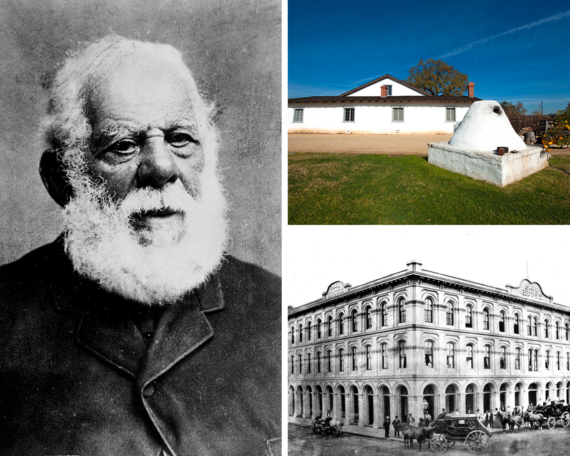 Left: Pío Pico ca. 1890. Photo courtesy of Huntington Digital Library. Top right: The adobe building with its traditional bread oven (horno). Photo from Brian Baer, Communications and Marketing Division. Bottom right: The Pico House hotel in downtown Los Angeles. Photo from California State Parks.
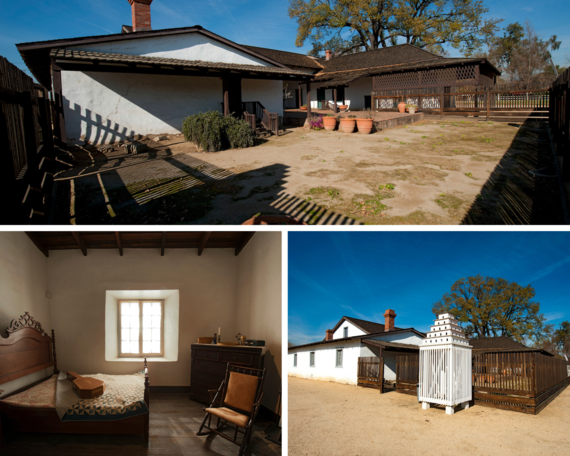 Clockwise from top: Pío Pico's "El Ranchito" served as a hub for the Los Angeles community. View of the adobe building with dovecote. The interior of the building offers a glimpse of daily life in early California. Photos from Brian Baer, Communications and Marketing Division.
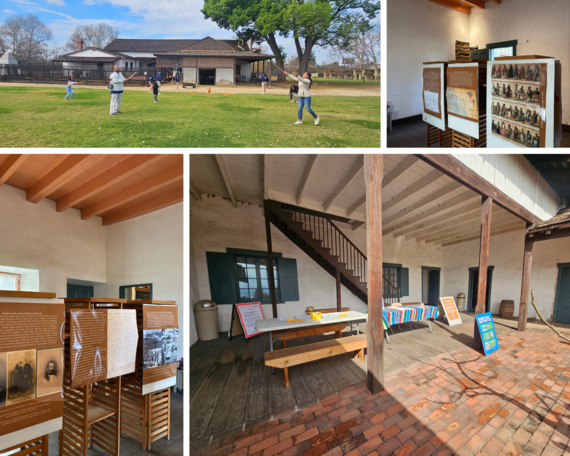 Top left: Visitors play historic rancho games on the park's lawn, including Graces and Hook and Stick. Graces require tossing a ring using two sticks to another person while Hoop and Stick can be played individually with a large hoop and shorter stick to hit the hoop to keep it going. Top right and bottom: Displays at the park during Black History Month inform visitors about the complex history of racial identity in early California. Photos from Abilene Ayala, Erica Ramirez and Kathi Atencio, Angeles District.

Sea Lion Pup Rescue at Point Mugu State Park
Story from: Hannah Eaton, Angeles District
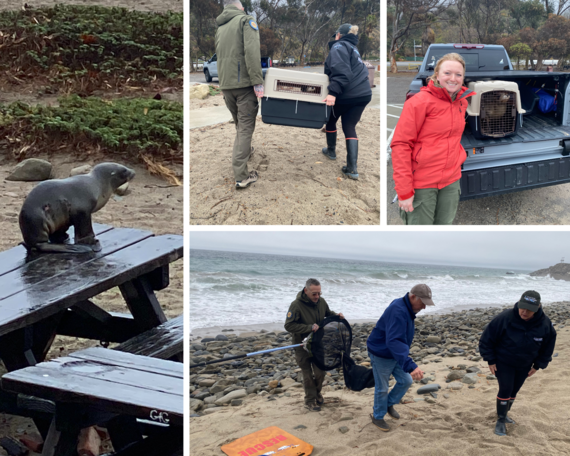 Clockwise from left: The injured sea lion pup rests on a picnic table. Rescuers transport the kenneled pup. Interpreter Specialist Hannah Eaton made the initial rescue call and assisted with the rescue. Park Aide Marc Miller (left), and representatives from Channel Islands Marine and Wildlife Institute transfer the pup to a crate for travel. Photos from Hannah Eaton, Angeles District.
During a rescue on a rainy day, a sea lion pup found safety on a picnic table at Point Mugu State Park’s Sycamore Cove Beach. Brandishing lesions on its side and extremely exhausted, this malnourished pup needed assistance. Channel Islands Marine and Wildlife Institute (CIMWI) was called to assess the animal’s current state and potentially relocate it to their rehab facility. Once on site, the young pup attempted to escape to the ocean, but these expert rescuers knew what to expect and were able to catch it.
CIMWI determined the sea lion was around 7 months old, based off its size while assessing its injuries. The male pup was healthy but did show signs of exhaustion and a slightly visible spine, meaning its growth rate was slower for its average age due to its condition. Based off its triangular-shaped injuries, it was determined that the pup was attacked by a great white shark. As the first rescue of the day for CIMWI during the storm, this sea lion pup will be the 13th addition at its Santa Barbara location. It is healthy enough to make a recovery before being released back to its natural environment. Park Aide Marc Miller and I were happy to be able to jump into action.
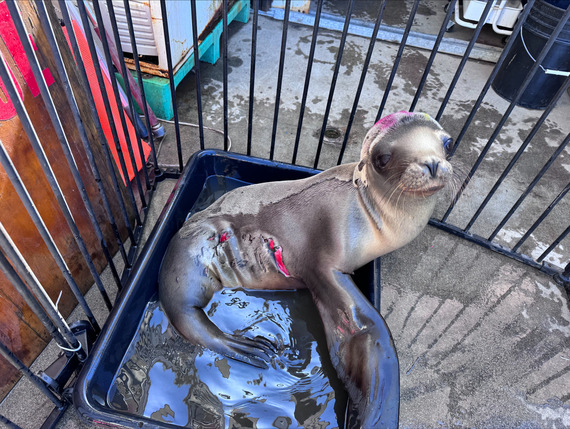 An update provided from Channel Islands Marine and Wildlife Institute (CIMWI): He is a very handsome and lucky boy. He has 10 triangular lacerations and several in the front go through. Everything is superficial so he should heal really well. Photo from CIMWI.
California Boating and Waterways Commission Meets at Lake Natoma, Welcomes Representatives from Sea Scouts BSA
Story from: Kevin Murphy, Communications and Marketing Division
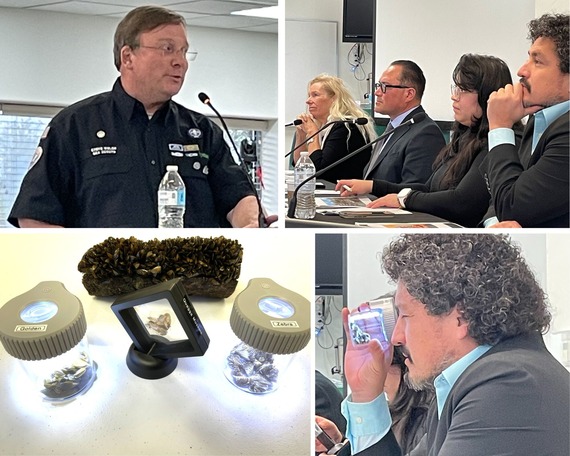 Clockwise from top left: Steven Welch from Sea Scouts BSA provides an orientation to the organization’s program for youth on waterways in California. Members of the Commission listen to a report on aquatic invasive species. Not pictured: Commissioners Katie Hawkins and Tom Pier, who attended virtually. Commissioner José González takes a closer look at zebra mussels, one of several samples of aquatic invasive species shared during the meeting.
The California Boating and Waterways Commission met for a public workshop and meeting on Feb. 6 and 7 at the Sacramento State Aquatic Center on Lake Natoma, part of Folsom Lake State Recreation Area. During the workshop on Feb. 6, the Commission reviewed the statute and regulations for boat launching facility grants and was given an overview on the sustainability of the Harbors and Watercraft Revolving Fund.
During its full meeting on Feb. 7, the Commission was provided with reports covering the Governor’s 2025-26 budget, the Surrendered and Abandoned Vessel Exchange grants program, Boating Safety and Enforcement Equipment Grant Program, and updates from the Quagga and Zebra Mussel Prevention Grant Program and Aquatic Invasive Species Program. During the Quagga and Zebra Mussel Prevention Grant Program discussion, Senior Environmental Scientist Cara Roderick provided information about the recent discovery of golden mussels in the Port of Stockton in October 2024. Roderick also shared samples of invasive species, including golden, quagga and zebra mussels, for commissioners and members of the public to see firsthand.
A presentation on State Parks’ Communications and Marketing Division, led by Deputy Director Marty Greenstein and Marketing Manager Stella Garin, was also on the agenda, The presentation provided commissioners with information about outreach campaigns by the Boating and Waterways Division, including boating safety, the Boating Clean & Green program, and the California Boater Card.
With the assistance of Commissioner Maggie Hallahan, two representatives from Sea Scouts BSA, a program of Scouting America, provided an overview of the youth organization’s mission. Steven Welch, Sea Scout commodore for the Golden Gate Area Council, and skipper Samantha Lovelace, a Sea Scouts leader, each provided detailed information about the program and its activities throughout California waterways, including the San Francisco Bay Area.
A recording of the meeting is available at CAL-SPAN. The next commission workshop and meeting are scheduled for May 7 and 8, with locations to be determined. For more information about the commission and its future meetings, please visit its webpage. For more information about the Division of Boating and Waterways, and its various grant and safety programs, please visit dbw.parks.ca.gov.
California Boating and Waterways Commission Welcomes New Members; González Reappointed
Story from: Kevin Murphy, Communications and Marketing Division
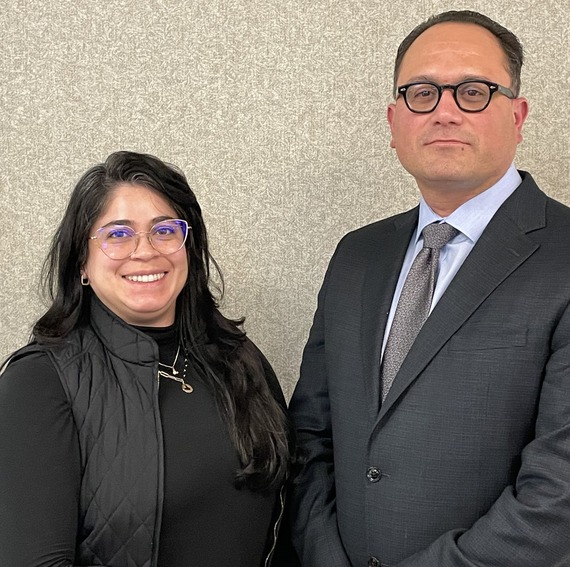 Maricela Rosales and Gonzalo Medina were recently appointed by Governor Newsom to the California Boating and Waterways Commission.
During its first meeting of 2025, the California Boating and Waterways Commission introduced two new members recently appointed by Governor Gavin Newsom. Marciela Rosales of Crestline and Gonzalo Medina of Long Beach took their seats on the Commission for the first time on Feb. 6, at the Sacramento State Aquatic Center.
Rosales has been the California associate program director of Conservation Lands Foundation since 2020. She was the head coach of recreation and intermediate team at Cliffs of Id, Touchstone Climbing and the Los Angeles regional coordinator at Latino Outdoors. Rosales was also a community advocacy program coordinator at the Disability Rights Legal Center. Additionally, she held positions at Mad Rock Climbing, Inc., Step Up Women’s Network, and at University of California, Riverside. Rosales earned her bachelor of arts degree in sociology, law and society from University of California, Riverside.
Medina has been marine safety chief at the City of Long Beach Fire Department since 2014. He has held several other positions with the department since 1995, including administrative captain, operations captain, public safety dive team supervisor, rescue, swift water team member, marine safety officer, and ocean lifeguard. Medina is a member of the United States Department of Homeland Security, the U.S. Coast Guard Area Maritime Security Committee, and a board member of the Centro Community Hispanic Association. He earned his master of arts degree in writing and his bachelor of arts degree in English from the University of Alaska, Anchorage.
Governor Newsom also recently announced the reappointment of Commissioner José González of Sacramento. González was appointed to his first term in May 2022. He currently serves as equity officer for East Bay Regional Park District.
Personal Stories Elevate Approved Nominations for Historic Status at State Historical Resources Commission Meeting
Story from: Kevin Murphy, Communications and Marketing Division
 Top left: A large number of participants attended the first meeting of 2025 for the State Historical Resources Commission in person and virtually. Right: Caitlin Hibma, an architectural historian, thanks the Commission for approving the nomination for Alf’s Blacksmith Shop in Daggett, San Bernardino County. Bottom left: Members of California’s Armenian American community pose with State Historic Preservation Officer Julianne Polanco (fourth from left) after the Commission approved the Armenian Genocide Martyrs Monument for addition to the California Register of Historical Resources. Photos from Kevin Murphy, Communications and Marketing Division.
The State Historical Resources Commission met in Sacramento on Feb. 7 and recommended 10 nominations to be forwarded to the Keeper of the National Register of Historic Places, an official within the National Park Service (NPS). An additional nomination for the Armenian Genocide Martyrs Monument in the community of Montebello was approved by the Commission to be placed on the California Register of Historical Resources. Other properties approved by the Commission to be forwarded to the NPS include City Hall and Bob Hope Patriotic Hall in Los Angeles, Fisk’s Mill Landing Historic and Archaeological District within Salt Point State Park on the Sonoma Coast, and two ferry boats still operating in San Diego County.
The nomination for Alf’s Blacksmith Shop, located in the small community of Daggett along historic Route 66 in San Bernardino County, was also approved to be forwarded to NPS. Caitlin Hibma, an architectural historian who prepared the nomination on behalf of the Daggett-Calico Historical Society, is the great-great granddaughter of the original owner, Seymour Alf. While researching the history of the blacksmith shop, including its contributions to the borax mining history of the region, Hibma stayed in the adobe bunkhouse next door. She referred to the blacksmith shop as a “complete time capsule” of the time of her grandfather, who died in 1922. In addressing the commission, Hibma said she believed her grandfather would be incredulous about his humble blacksmith shop being nominated for historic preservation alongside Los Angeles’ City Hall, but he would be proud.
Several speakers from California’s Armenian American community also addressed commissioners about the nomination for the Armenian Genocide Martyrs Monument at Bicknell Park in Montebello, including David Ojakian, western regional director for the Armenian Assembly of America, Richard Kazanjian, former director and founder of the Armenian National Committee of America in Sacramento, Bryan Agbabian, nephew of Hrant Agbabian, the architect who designed the monument, and Valina Agbabian, a board member of the Armenian Assembly of America and Mount Davidson Cross, an Armenian Genocide memorial located in San Francisco. Each speaker had connections to survivors of the genocide and spoke of the importance of the monument for the Armenian American community
A recording of this and previous meetings of the Commission is available through CAL-SPAN. For information about past and future meetings, including properties nominated to the National Register of Historic Places, please visit the Office of Historic Preservation.
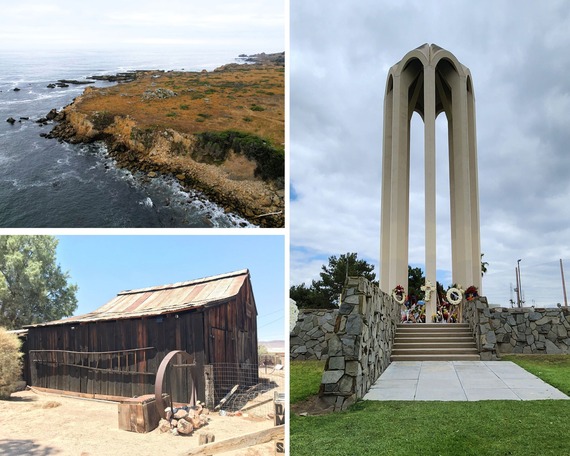 Top left: Fisk’s Mill Landing Historical and Archaeological District encompasses 398 acres along the Sonoma Coast within Salt Point State Park and adjacent waters within Stewarts Point State Marine Reserve and Greater Farallones National Marine Sanctuary. Photo courtesy of Denise Jaffke, Far Western Anthropological Research Group. Right: The Armenian Genocide Martyrs Monument in Montebello. Photo courtesy of Audrey von Ahrens. Bottom left: Alf’s Blacksmith Shop in Daggett. Photo courtesy of Caitlin Hibma.
Volunteers and State Parks Staff Plant Violets at Salt Point State Park
Story and photos from: Amelia Schall Tůmová, Sonoma-Mendocino Coast District
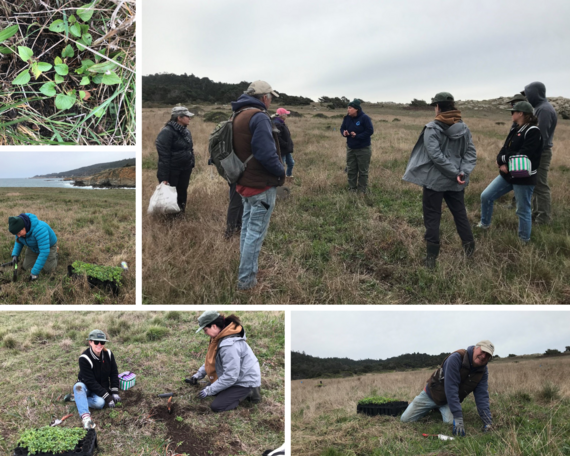 Clockwise from top left: A freshly planted viola. Circling up for the morning briefing from Terra Fuller. Volunteer Mark. Volunteers Cloe and Bridget. Environmental Scientist Terra Fuller.
Nine volunteers met at Salt Point State Park (SP) on Feb. 11 to help plant hundreds of Viola adunca, the host plant for the endangered Behren’s silverspot butterfly. The violets had been started from seed in spring 2024 and raised by Nursery Program Manager Ayla Mills at the Laguna de Santa Rosa Foundation with the help of volunteers, two of which came to help plant.
In addition to the volunteers, four Sonoma-Mendocino District Natural Resources staff members worked tirelessly in a different area planting 500 violets. The plants had beautiful long roots extending to the bottom of the plugs. The rain waited patiently for us to finish, though it was cloudy, windy and cold. The violets will get watered with the coming storm. Senior Specialist Environmental Scientist Terra Fuller brought donuts and fruit to keep us fueled, but most worked through lunch and finished by early afternoon. Our goal was to plant in clusters, as the butterfly is able to smell the violets to determine where to lay its eggs, but the caterpillars must randomly find them and need hundreds of leaves to pupate. By the end, several clusters of newly planted violets will hopefully survive and become caterpillar food.
 Please submit your photos HERE. Please send questions to WeeklyDigest@parks.ca.gov.
|
|
|
To view current job openings within California State Parks, please visit our jobs webpage at www.LiveTheParksLife.com.
State Parks Job Spotlights and Open Exams
Forestry Aide (Contra Costa and San Diego, CA) – Apply by Feb. 23: This position offers hands-on experience in forestry, fire prevention, and natural resource management, giving you the chance to build valuable skills while exploring potential careers in state service. You will be involved in a variety of tasks, including timber marking, pest control, GIS analysis, and even assisting with fire suppression and emergency operations. With each day offering new challenges, this role is a great way to make a real difference in managing and protecting our natural resources. Click here to learn more!
Seasonal Clerk (Humboldt, CA) – Apply by Feb. 24: Join the North Coast Redwoods District where you will support and assist the Permit Coordinator with daily requests and managing permit-related emails to ensure daily tasks runs smoothly. This is your chance to showcase your organizational skills, attention to detail, and ability to handle sensitive information with the highest level of confidentiality. This is a great opportunity for those looking to build their resume and Parks career journey! Click here to learn more!
Staff Park and Recreation Specialist (Sacramento, CA) – Apply by Feb. 24: Join the team at State Parks Headquarters, where you will lead the Grant Compliance Unit and help manage the Off-Highway Motor Vehicle Recreation (OHMVR) Division's impactful Grants programs, ensuring compliance with land-use policies and supporting exciting off-highway vehicle (OHV) recreation projects. You will play a key role in balancing high-quality recreation with sustainable land management, making a real difference in the future of OHV recreation. This remote-centered position offers the flexibility of telework, with occasional travel to SVRAs and opportunities for ongoing training! Click here to learn more!
Museum Curator I (March 1): Museum Curators are responsible for managing the acquisition, conservation, registration, interpretation, and storage of museum objects, while supervising a team involved in curatorial and preservation tasks. They oversee complex conservation and restoration work, plan and manage exhibits, and ensure the proper cataloging and research of collections. This is an opportunity you do not want to miss! Click here for more information.
Park Maintenance Assistant (March 31) Take on an exciting role where you will be essential in maintaining park facilities, including cleaning restrooms, showers, campgrounds, and picnic areas, while also handling garbage and trash removal. You will improve trails, clear culverts, care for trees and vegetation, and assist with fire trail construction and fire prevention efforts. From operating light vehicles and machinery to training less experienced staff, you will be involved in a variety of tasks that keep the park running smoothly and looking its best! Click here for more information.
Join our upcoming virtual webinars to learn about exciting job opportunities with California State Parks. Learn more about the job application process, assessments, and the state hiring process. Our recruiters will provide guidance on how to succeed in the hiring process and answer any questions you may have. Don’t miss this chance to gain valuable insights and take the first step toward your career! Learn more, find upcoming dates, and how to register by clicking here! The next webinar is March 5, 2025. See you there!
If you have any questions regarding these opportunities, connect with us at Recruiting@parks.ca.gov. We’re happy to help!
Interested in more jobs and exams like this? Explore www.LiveTheParksLife.com to discover the possibilities.
Join the Parks Jobs mailing list here. We can send you updates on jobs and exams that interest you!
Angeles District Staff Say Goodbye to Senior Park Aide Mohammad Zuhair
Story from: Teodoro Vecchione, Angeles District
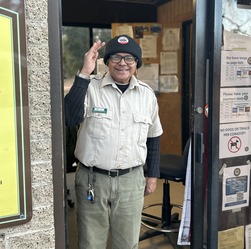
The Angeles District says goodbye to Mohammad Zuhair, a beloved and long-time senior park aide, this week. "Mo," as we all know him, has been working for State Parks for 24 years as a dedicated employee. He arrives at the park earlier than most and greets fellow employees and visitors with a warm smile and care. Mo’s experience and knowledge about state parks has been invaluable to his coworkers and enhances the visitor experience.
Mo started his career with State Parks after assisting the Los Angeles Sheriff's Department with a bank robbery at Point Dume over two decades ago. Since then, he has dedicated himself to welcoming visitors to Malibu Creek State Park, working closely with rangers, maintenance staff and others. Mo is as much a part of the park as the oak trees and coyotes that call it home. We will miss you Mo!
|
|
|
|
Style time! Here are this week's tips to help spread the word about our department-wide style guidelines:
-
Valentine’s Day: Capitalize both "Valentine’s" and "Day" and remember the apostrophe ("Valentine's Day" is named after the eponymous Saint Valentine). But when you're referring to the candy or gift you're giving on the day, or the person you're giving it to, keep the "v" lowercase: e.g. I'm sending a valentine to my valentine on Valentine's Day.
-
Presidents Day: No apostrophe after the "s".
-
Black History Month: Always capitalize "Black" when referring to identity, culture, and history. "Month" is capitalized as part of the official name.
Happy Valentine's Day, Presidents' Day, and Black History Month!
Keeping a consistent writing style ensures the Weekly Digest looks and sounds its best. Each week, the Communications and Marketing Division reviews submitted articles for proper grammar and punctuation and style consistency––from capitalization and hyphenation to proper acronyms and active/passive voice usage. In general, we follow the Associated Press style and Merriam-Webster, but at times we use our own department-specific style.
We always welcome your feedback on how to “Live the Parks Life” in (writing) style. Connect with us via email at weeklydigest@parks.ca.gov.
|
|
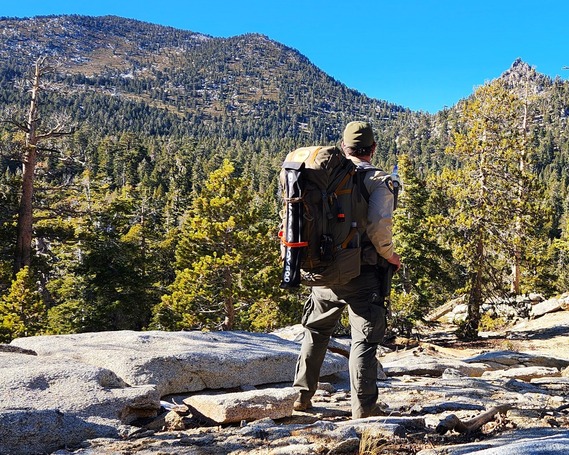 Mount San Jacinto State Park
Backcountry foot patrol: “If you love what you do, you’ll never work a day in your life.”
Photo from Stephen James, Inland Empire District
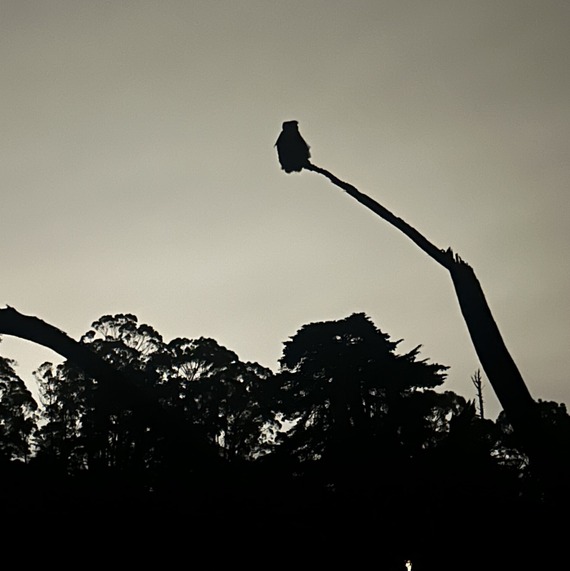 Lighthouse Field State Beach
This owl found a spot to dry out after a heavy rainfall.
Photo from Ethan Cunningham, Santa Cruz District
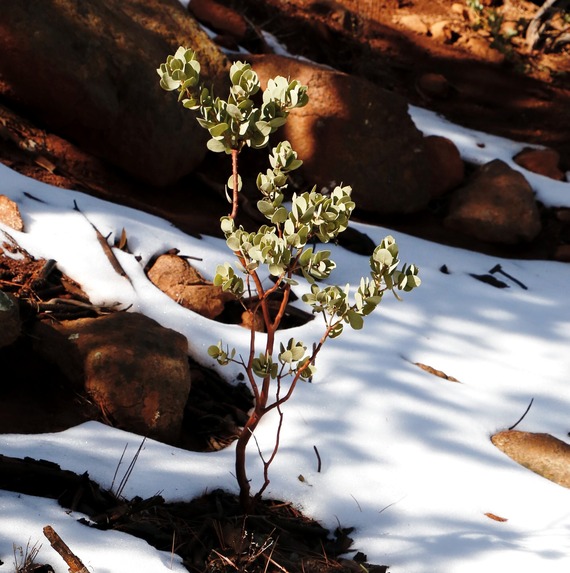 Cuyamaca Rancho State Park
A small manzanita surrounded by the park's first snow.
Photo from Michele Hernandez, Colorado Desert District
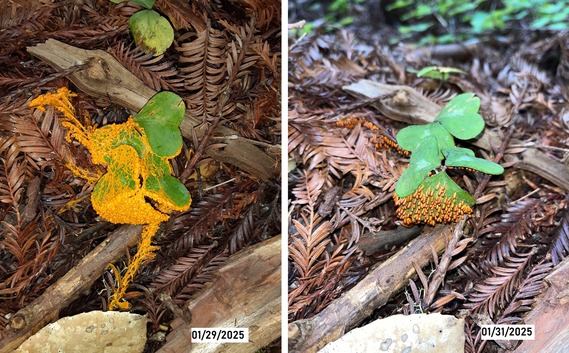 Portola Redwoods State Park
A wonderful example of how slime mold survives tough times using sporocarp - making spores that can survive years in the dirt until conditions are more favorable. Despite having mold in the name, they are not fungus, they are in the kingdom Protista.
Photos from Lucas Dickey, Santa Cruz District
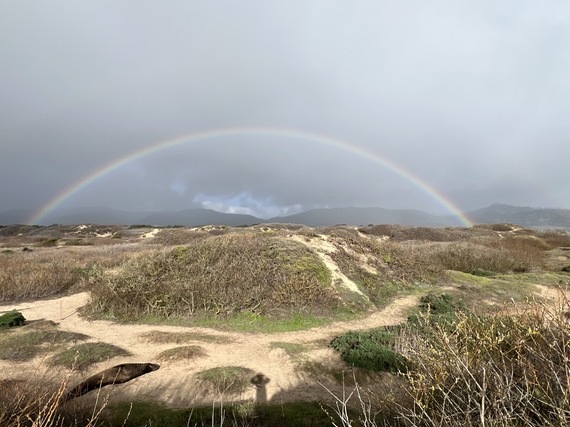 Año Nuevo State Park
A rainbow over the park. Note the shadow of the photographer.
Photo from Susan Blake, Santa Cruz District
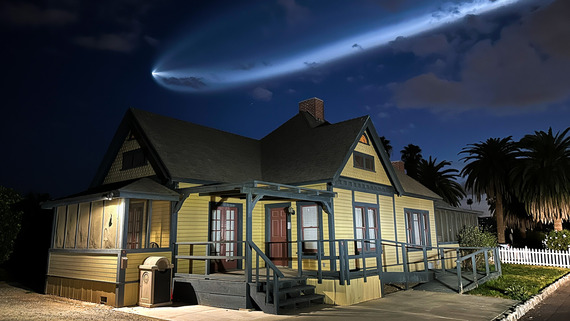 California Citrus State Historic Park
This photo was taken at the historic Bannister House on Feb. 10 as a SpaceX rocket was launched into orbit.
Photo from Ken Gordon, Inland Empire District
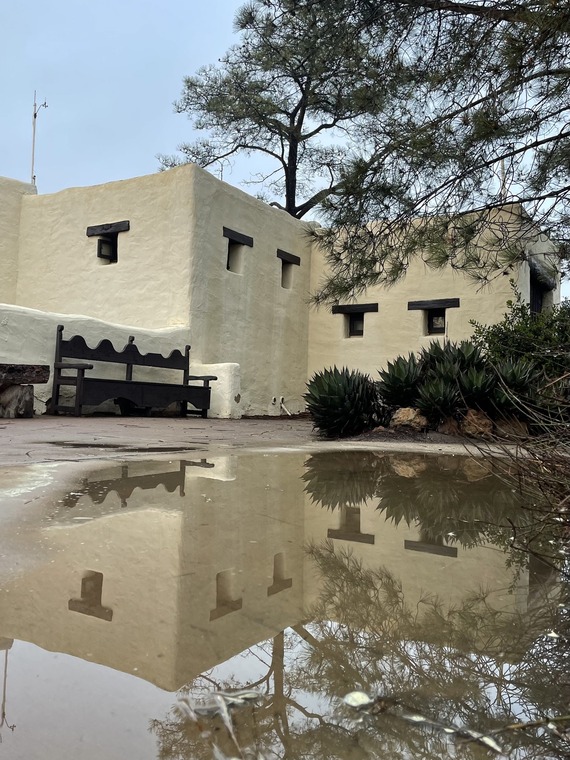 Torrey Pines State Natural Reserve
The lodge/visitors center reflects after some much needed rain.
Photo from Lila Beth Scott, San Diego Coast District
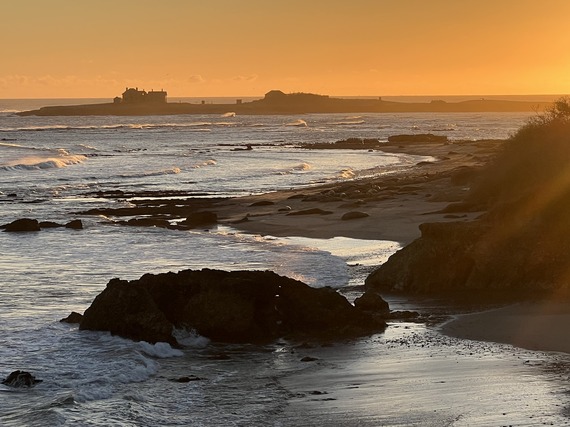 Año Nuevo State Park
Sunset with island and seals.
Photo from Susan Blake, Santa Cruz District
 Please submit your photos HERE. Please send questions to WeeklyDigest@parks.ca.gov.
|
|
|
Here are some upcoming State Parks events. For a list of more upcoming events, please visit www.parks.ca.gov/events.
Saturday, Feb. 15
-
Love in the Temperate Rainforest - Valentine’s Guided Hike—Big Basin Redwoods State Park, 1–3 p.m.: A Big Basin docent will lead a fairly easy hike while telling the story of love in the woods. Under the tall trees, visitors will hear the tales of fairy circles, the reproductive cycle of coast redwoods, squirrels, banana slugs and the acorn woodpeckers and if time allows the tried and true tale of lichen love. Meet at the Big Basin visitor center at 12:45 p.m. Dress in layers, bring water (there is no potable water at the park) and a snack. Participation is free, however, a $10 vehicle day-use fee will be charged upon arrival or we recommend you reserve your spot here: Big Basin Parking. Sign up here.
Saturday, Feb. 15, and Sunday, Feb. 16
-
Great Backyard Bird Count for Kids—Folsom Lake State Recreation Area, 9 a.m. – 1 p.m.: Have kiddos that love nature and birds? This February, State Parks is partnering with the Sacramento Audubon Society and Effie Yeaw Nature Center to host the annual Great Backyard Bird Count for Kids. The Great Backyard Bird Count is an opportunity for people all over the world to contribute to our scientific understanding of bird populations by recording the birds found in their neighborhoods. Join us on Saturday, Feb. 15 at 9 a.m. for the count at Folsom Powerhouse State Historic Park or Sunday, Feb. 16 at 9 a.m. at Effie Yeaw Nature Center, farther downstream along the American River. Kids will participate in identification, counting, and presenting their findings for the group, and taking part as citizen scientists collecting data to support research at the Cornell Lab for Ornithology. For more information, visit the Sacramento Audubon Society webpage for this event. To RSVP, please fill out this registration form.
Friday, Feb. 21
-
Adamson House Garden Tour—Malibu Lagoon State Beach, 10–11 a.m.: Experience the beauty of history and nature on a guided garden tour at Adamson House! Stroll through stunning landscapes, lush gardens, and picturesque views overlooking the Pacific. Learn about the property’s rich heritage and vibrant plant life. Don’t miss this chance to explore a local treasure! No RSVP or registration needed.
In addition, also note these upcoming California Natural Resources Agency-sponsored events celebrating Black History Month:
Tuesday, Feb. 18
-
Black Professionals in California Natural Resources—webinar, noon–1 p.m.: Join us for a dynamic and inspiring webinar, spotlighting the achievements of Black American professionals in California's natural resources sector. Hear what Black History Month means to them, their insights for aspiring professionals seeking meaningful careers in natural resources, and the valuable lessons they’ve learned along the way. This engaging event offers a unique opportunity to connect, gain practical advice and celebrate the impact of Black and African American leadership in shaping California’s natural environment. The discussion will include a Q&A session, allowing participants to ask questions and engage directly with the speakers. Whether you’re starting your career or exploring opportunities in natural resources, this webinar is a space to learn, grow, and be inspired! For webinar details, visit resources.ca.gov/BlackHistoryMonth.
Saturday, Feb. 22
-
Lives of Black Miners during the California Gold Rush—Marshall Gold Discovery State Historic Park at 10 a.m.: Come join the California Natural Resources Agency for a guided tour of Marshall Gold Discovery State Historic Park highlighting the lives of Black miners during the California Gold Rush. The tour will highlight the Black community that lived in Coloma during and after the discovery of gold in California. California State Parks staff will lead participants through the town of Coloma and discuss the activities of early miners, their influence on the local community and some of their contributions. The leisurely paced tour will be 1.5-mile loop through the historic gold mining town of Coloma on relatively flat terrain. Wear comfortable shoes and bring some drinking water for the hike which will end around noon. Cost: Free, but after the hike there is an opportunity to try your hand at gold panning ($10 per person fee) and to visit the local community market that will be open 1-4 p.m. on Saturday.
|
|
|
Feb. 10, 2025
|
|
|
The Weekly Digest includes a collection of news articles related to the
California Department of Parks and Recreation. The views expressed and opinions do not always reflect that of the department.
To view this week's News Clips, please visit www.parks.ca.gov/NewsClips.
 Weekly Digest Article and Photo Submissions
If you have an article or photo you would like to submit for the Weekly Digest, please use this submission form or click the button above.
For an article submission, please include:
- Author’s name and division/district.
- All relevant information (e.g., headline, park name, dates, name of event, individuals’ full names and titles, etc.).
Articles should be no longer than 300 words.
For photos, please include:
- Photo credit info and captions.
- Photo release forms should be kept on file for non-employees or volunteers.
Unless otherwise noted, all photos included in the Weekly Digest are courtesy of the California Department of Parks and Recreation.
The deadline for Weekly Digest submissions is close of business Thursday. For more information, email WeeklyDigest@parks.ca.gov.
|
|
|
|
|