|
 Oct. 25, 2024
|
|
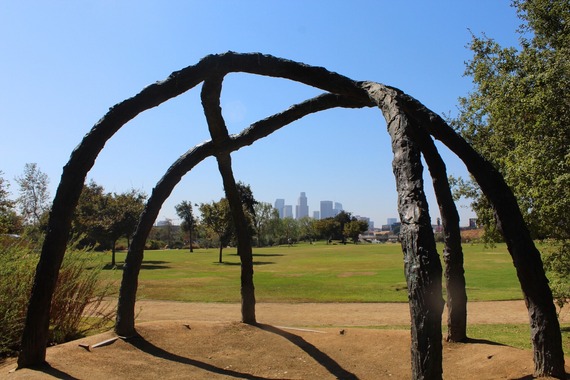 Los Angeles State Historic Park
"Psychic Body Grotto'" by Anna Sew Hoy is a room-sized bronze installation that functions as an interactive work of public art, landscape design, and gathering spot for residents and visitors. Read more about the piece at Los Angeles Nomadic Division.
Photo from Cassandra Chavez, Angeles District
|
|
  ADVENTURE OF THE MONTH
Travel through Time in a California Landmark at Mount Diablo State Park
Story from: Andreas Agocs, Communications and Marketing Division
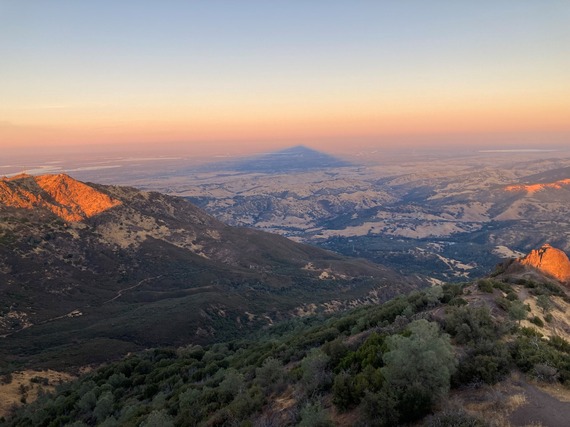 Framed at sunset by the golden light of North Peak on the left and Devil’s Pulpit on the right, Mount Diablo literally casts its pyramid-shaped shadow over the whole Central Valley. Photo from Andreas Agocs, Communications and Marketing Division.
In the beginning, there was Oo’yum-bel’-le, the rock that gave birth to Wek’wek, the falcon who planted the first elderberry tree to provide food and music to the first people. The “rock,” more commonly known as Mount Diablo, is at the center of several Native Californian creation stories as well as of Mount Diablo State Park (SP), one of Northern California’s most prominent landmarks.
Modern science’s creation story dates Mount Diablo’s birth to 190 million years ago, when tectonic drift moved rock from the ocean floor thousands of miles away until it piled up on the North American continental plate. With an elevation of 3,849 feet, Mount Diablo is not the tallest mountain in the world, or even in California. Yet it is a prominent signpost, visible from a large part of California, as it juts out from the flatness of the Central Valley and the low, rolling hills of the Bay Area. From its summit, 40 of California’s 58 counties are at least partially visible, and on clear days, views can extend as far as the Farallon Islands, 30 miles off San Franciso, and of Mount Lassen in the north.
But Mount Diablo SP has more to offer than spectacular summit views. Thousands of people each year hike the park’s extensive trail system, picnic at one of its many scenic overlooks, camp at its over 50 campsites, and bike the roughly 11-mile steep and winding road to the summit. On top, they are greeted by the historic Visitor Center, built from 1939 to 1942 by the Civilian Conservation Corps from locally quarried stones; visitors can still see fossilized marine organisms embedded in them. The beacon inside the Visitor Center was used for navigation in the early days of aviation; today it is lit every year on Dec. 7 in remembrance of Pearl Habor.
More than 600 native plant species—or 10% of California’s 6,000 native species—can be found in the park,” said Interpreter Sharon Peterson. The park’s island-like quality provides home to several endemic plant and wildlife species, and at its northeastern Mitchell Canyon site, the park conducts prescribed burns in fall and spring to restore native grasses and attack invasive species. Late summer and fall is tarantula mating season, when male spiders who have reached maturity after spending seven years in underground burrows emerge and seek out their female counterparts. The Weekly Digest is all about rehabilitating unfairly maligned reputations, so I’m relieved when Sharon informs me that contrary to a common myth, female tarantulas typically do not eat their male partners after mating, except in regrettable but isolated cases.
More of the park’s highlights can be found on the Mary Bowerman Trail, which guides visitors through a whole range of habitats, and the sandstone formations of Rock City, where water and erosion over the years carved man-sized wind caves in the sandstone formations that resemble cave dwellings.
Read the full story and find out more about the park’s highlights on the State Parks blog.
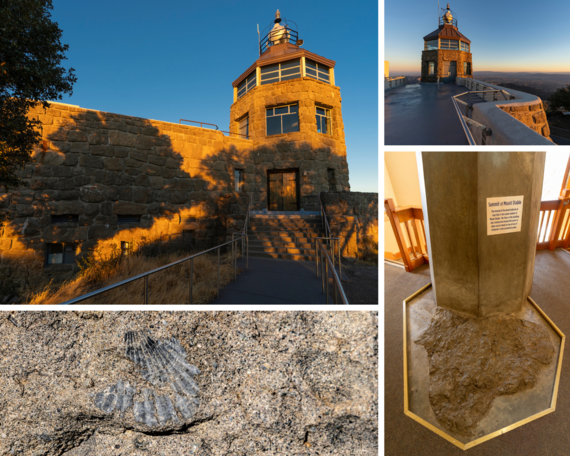 Clockwise from top left: The historic Visitor Center was built by the Civilian Conservation Corps (CCC) from 1939 to 1942. The Visitor Center’s observation deck and tower with beacon. The actual peak of Mount Diablo inside the Visitor Center. Marine fossils embedded in the locally quarried walls of the Visitor Center testify to Mount Diablo’s origin on the sea floor. Photos from Brian Baer, Communications and Marketing Division.
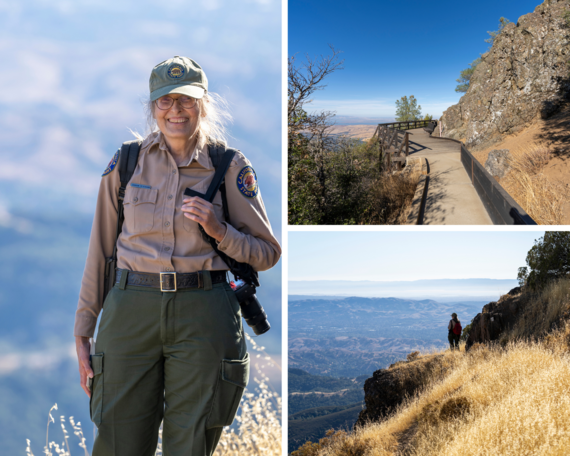 Left: State Park Interpreter Sharon Peterson. Top right: The Americans With Disabilities Act-accessible portion of the Mary Bowerman Trail. Bottom right: Sharon enjoying the view from the Mary Bowerman Trail. Photos from Brian Baer, Communications and Marketing Division.
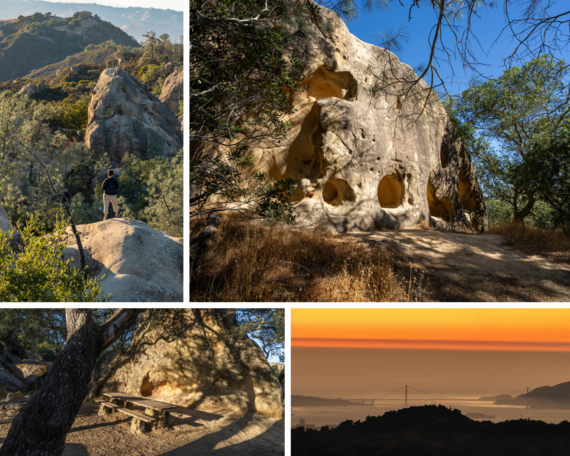 Top left: Sentinel Rock with climbing ropes installed by the CCC in the mid-20th century. Top right: These wind caves were actually created by water eroding the sandstone formations. Bottom left: A picnic spot at the park’s Rock City. Bottom right: San Francisco’s Golden Gate Bridge as viewed from the summit of Mount Diablo at sunset. Photos from Brian Baer, Communications and Marketing Division.

|
|
Crystal Cove Conservancy Celebrates 25 Years at California State Parks
Story from: Michelle Figueroa, Orange Coast District
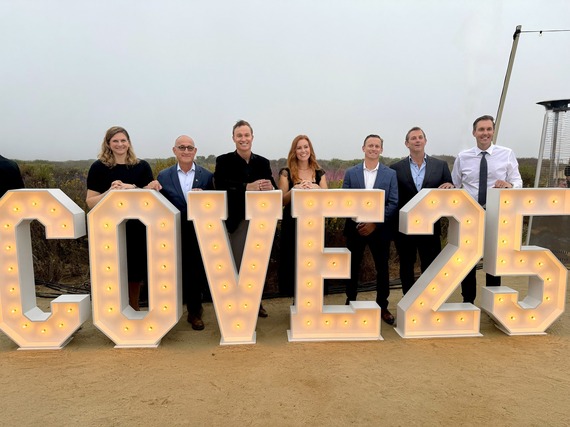 Left to right: Partnerships Division Chief Carlene Croisdale, State Parks Director Armando Quintero, Orange Coast District Superintendent Kevin Pearsall, State Parks Chief Deputy Director Liz McGuirk, Lifeguard Supervisor II Paul Andrus, Orange Coast District Interpretive Coordinator Chris Egan, and Orange County District South Sector Superintendent Scott Kibbey celebrate 25 years of partnership between the Crystal Cove Conservancy and California State Parks at the Endless Summer Soirée within Crystal Cove State Park. Photo from Kevin Pearsall, Orange Coast District.
The Crystal Cove Conservancy (Conservancy) celebrated its 25th anniversary since at its Endless Summer Soirée on Oct. 5, an annual fundraising event held at Crystal Cove State Park (SP). The Conservancy raised a record $820,000 this year, which will help support the organization's educational programming and outreach. The evening consisted of a cocktail reception, followed by an elegant dinner, leading into a mission-focused live auction, and ended with a lively after-party where guests danced the night away.
Among the speakers was Kate Wheeler, President and CEO of the Conservancy, who welcomed guests and expressed her gratitude for the outpour of support from the community and partners, such as California State Parks. “So many people came together to save a place the community dearly loved,” Wheeler said. "It is partnerships like these that turn outdoor spaces into classrooms and provide people with the opportunities to experience and garner an appreciation for the outdoors in ways they might not have otherwise had access to."
Additionally, State Parks Director Armando Quintero spoke of the importance of such partnerships in the preservation and conservation of parks' natural and cultural resources, such as the ones at Crystal Cove SP. The Conservancy is the nonprofit public benefit organization partnered with Crystal Cove SP. Together with State Parks, their mission is to restore the park, educate our future environmental leaders, and protect Crystal Cove SP and places like it for generations to come.
The Conservancy was founded in 1999 by Laura Davick, a third-generation resident of Crystal Cove who spearheaded the effort to preserve the Historic District when it was at risk of being redeveloped into a luxury resort. Today, the Conservancy is one of California State Parks’ largest public benefit organizations and has become a nationally recognized model for public-private partnerships.
Attorney General Rob Bonta Announces Eradication of $353 Million Worth of Illegally Grown Cannabis
Story from: Doug Johnson, Law Enforcement and Emergency Services Division
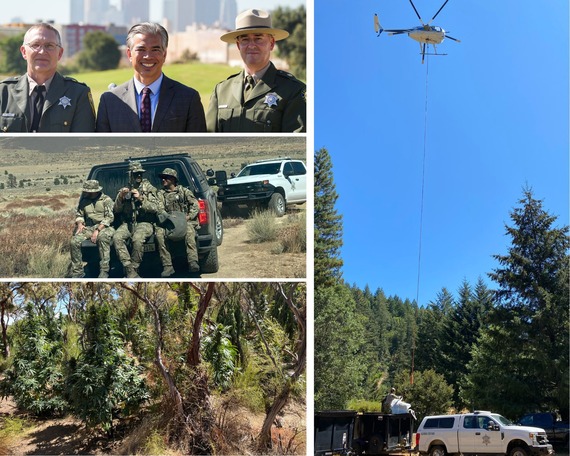 Top left, from left to right, California Department of Fish and Wildlife Assistant Chief Frank Imbrie, California Attorney General Rob Bonta, and California State Parks Assistant Chief Jeremy Stinson at Los Angeles State Historic Park on Oct. 22. Photo from Attorney General's Office. Middle, bottom and right: Special Enforcement Team working on Eradication and Prevention of Illicit Cannabis operations during 2024. Photos from Jeremy Stinson, Law Enforcement and Emergency Services Division.
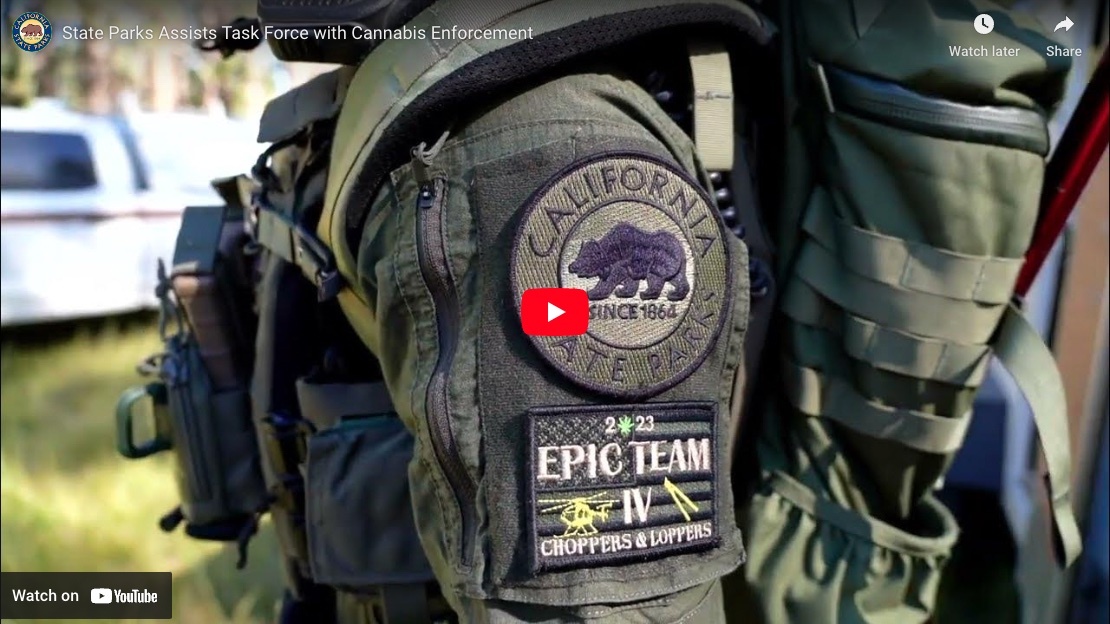
Speaking earlier this week at Los Angeles State Historic Park, California Attorney General Rob Bonta, together with state and federal law enforcement partners, announced the eradication of 774,829 illegally cultivated cannabis plants and 106,141 pounds of processed cannabis, as well as 282 arrests in 36 different counties across California as part of the Eradication and Prevention of Illicit Cannabis (EPIC) program.
The total underground market price for these seizures is valued at approximately $353 million. EPIC is an interagency task force focused on combating the illegal cannabis market, cannabis enforcement work, and investigating and prosecuting civil and criminal cases with a focus on environmental, economic, and labor impacts from illegal cultivation.
“California has the largest safe, legal, and regulated cannabis market in the world, but unfortunately illegal and unlicensed grows continue to proliferate,” said Bonta. “The EPIC program was forged out of our recognition of the need for a more comprehensive approach that addresses the broader implications of the underground cannabis market.”
“California has the largest state park system in the country with 1.59 million acres of park land to protect," said California State Parks Assistant Chief Jeremy Stinson. "Unfortunately, illegal cannabis cultivation is a serious threat to that land with more than 400 sites documented. California State Parks appreciates being a partner agency within EPIC to help address this issue.”
Over the course of the 2024 season, EPIC teams operating across California, conducted 665 operations, recovered 201 weapons, and removed infrastructure, including dams, water lines, and containers of toxic chemicals, such as carbofuran, methyl parathion, aluminum phosphate, zinc phosphide, and illegal fertilizers.
To learn more, click here.
California Boating Professionals Brave Challenging Conditions in Training
Story from: Nicholas Milward, Orange Coast District
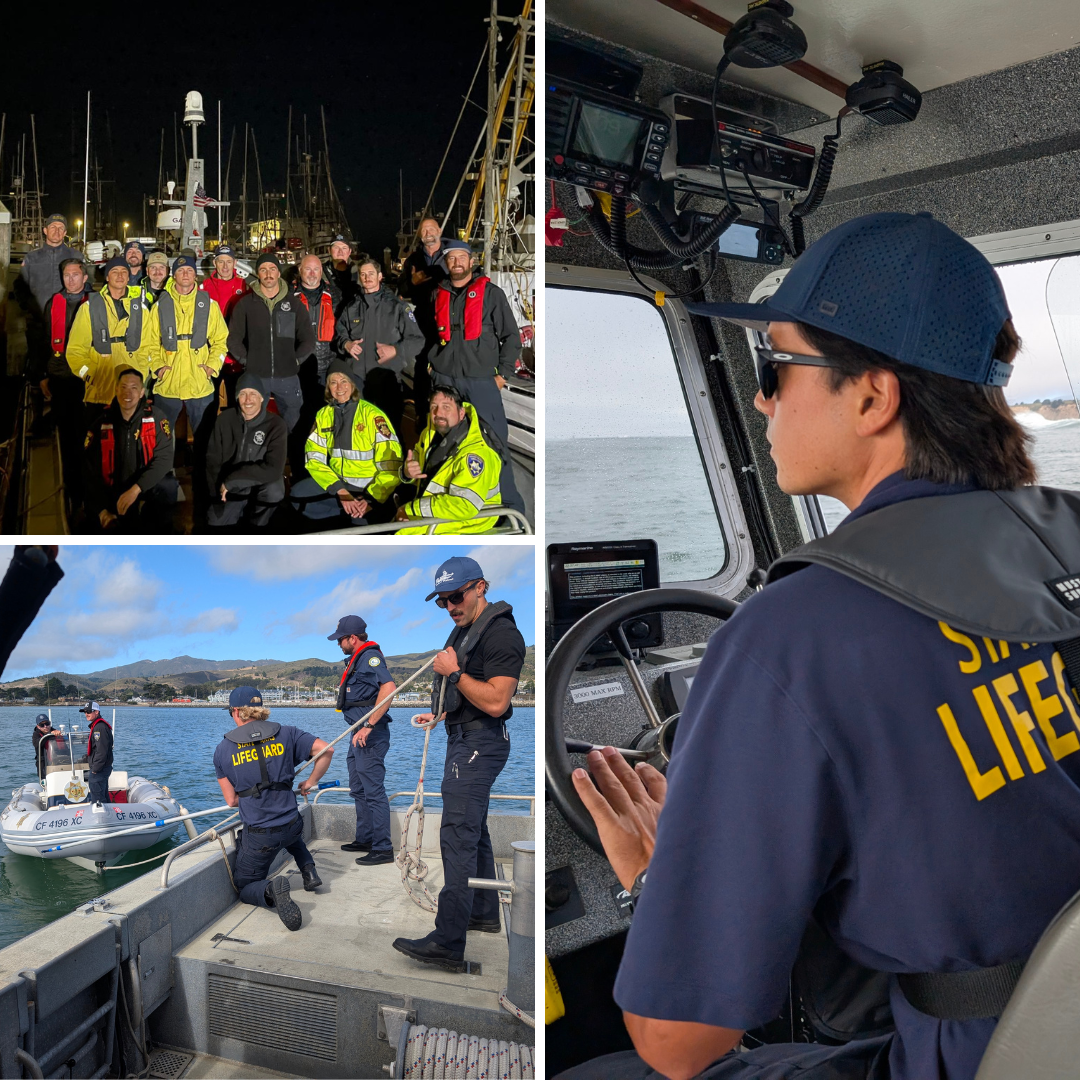 Top left: Basic Coastal Operator training participants on the dock. Photo from Cary Smith, San Mateo County Harbor Patrol. Left: State Parks Lifeguard Joey Inducil operating Pillar Point rescue vessel during training. Bottom left: Training participants practice setting up a tow. Photos from Nicholas Milward, Orange Coast District.
The California Division of Boating and Waterways (DBW) recently conducted its rigorous Basic Coastal Operator course at the Pillar Point Harbor Patrol Office in Half Moon Bay. This intensive five-day, 40-hour program provides boating enforcement officers with the foundational skills and knowledge required for safe and effective public-safety vessel operation in the demanding nearshore coastal environment.
Despite challenging conditions, including 12-foot waves and heavy winds, participating students engaged in comprehensive training encompassing a wide range of critical areas. The course was partially instructed by Surf Watch vessel operators Nick Milward and Tim Senneff, alongside a cadre of expert instructors from San Mateo County Harbor Patrol, Santa Monica Harbor Patrol, and Ventura Harbor Patrol.
Participants included a diverse cohort of boating enforcement professionals, including Surf Watch deckhands James Durney and Joseph Inducil from San Clemente, as well as officers representing Morro Bay Harbor Patrol, San Mateo County Sheriff's Department, Pillar Point Harbor Patrol, Santa Cruz Harbor Patrol, and the California Department of Fish and Wildlife. By providing this specialized training, DBW ensures that California's boating officers are well-equipped to uphold safety standards, respond effectively to emergencies, and protect lives on the state's dynamic waterways.
Mendocino Woodlands State Park Hosts HistoriCorps to Restore Historical Cabins
Story and photos from: Steve Jahelka, Sonoma-Mendocino Coast District
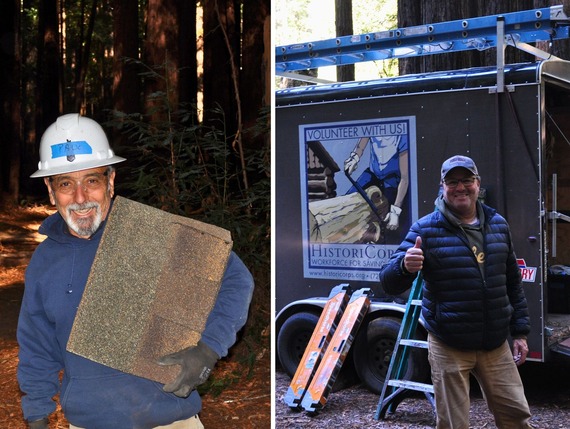 HistoriCorps volunteers Paul Spencer and Stephen Hoffman.
Nestled deep within the second-growth redwood forests of Mendocino County, is a treasure trove of history known as Mendocino Woodlands State Park (SP). Constructed by the Civilian Conservation Corps (CCC) in 1935, Mendocino Woodlands was later designated as one of 46 Recreation Demonstration Areas across the country. This project was part of the Work Progress Administration signed into legislation by President Franklin D. Roosevelt to provide jobs and bolster the nation’s infrastructure during the Great Depression. Management of the park, consisting of three camps, was signed over from the National Park Service to California Department of Forestry and Fire Protection (now CAL FIRE) and then later transferred to the California State Parks in 1947. The Mendocino Woodlands gained recognition as a National Historic Landmark in 1997.
As each camp includes many historic buildings—consisting of rec-halls and numerous cabins that are enjoyed by park visitors—restoration projects and routine maintenance present their fair share of challenges. In a spirit that mirrors that of the CCC, workforce was provided by nonprofit HistoriCorps; needed materials were provided by the park’s partnering organization, the Mendocino Woodlands Camp Association; and the project was funded through $50,000 from the Cultural Resources Division. The restoration project, quoted to a value of $400,000 by a bidding private contractor, was guided by project manager Aric Smejkal and crew lead Xeo Caron.
Completing its second year, HistoriCorp has lived up to its mission statement “to foster ethics by engaging volunteers in saving historic places,” including three week-long sessions to assist with the much-needed restoration efforts throughout October. A group of 24 staff and volunteers have worked tirelessly to replace the cabin floors and re-level the structures among other necessary carpentry projects in Mendocino Woodland SP’s Camp Two.
The Sonoma Mendocino Coast District would like to extend its gratitude to HistoriCorps, the Mendocino Woodlands Camp Association, and all the staff and volunteers who made this possible. It is their work that allows us to preserve these historical gems throughout California's State Parks. We look forward to their return in the upcoming years.
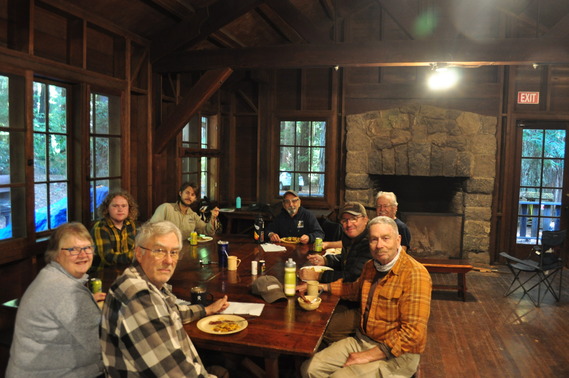 HistoriCorp staff and volunteers: Kristie Redmond, John Milliken, Jim Redmond, Stephen Hoffman, Paul Spencer, Roy Tennant, Aric Smejkal, and Xeo Caron enjoying their lunch in the Camp Two Mess Hall.
Hundreds of Visitors Celebrate Archaeology Day at Angeles District Event
Story and photo from: Barbara Tejada, Angeles District
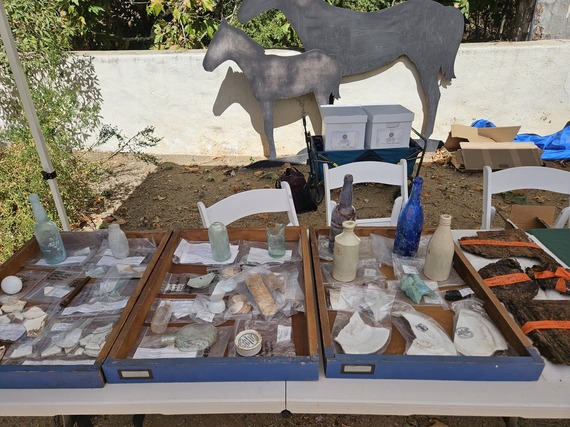 Artifacts from the Southern Pacific’s River Station (c.1875-1905), discovered during construction for Los Angeles State Historic Park.
In recognition of International Archaeology Day, California State Parks Angeles District partnered with the Santa Monica Mountains National Recreation Area for the 9th Annual Archaeology Day at the Anthony C. Beilenson Interagency Visitor Center at King Gillette Ranch in Calabasas. The day began with an opening and blessing from Chumash/Tataviam elder Dennis Garcia, and State Parks and National Park Service staff provided presentations on local archaeology.
Visitors could earn their Junior Archaeology Badge by visiting the event’s stations on flintknapping; replica and real artifacts; atlatl and rabbit stick throwing; and Leave No Trace principles. Children enjoyed opportunities for discovery at the sandbox archaeology station, documenting “artifacts” at the lab station, and several opportunities for coloring archaeology-themed coloring sheets. Several partner organizations set up information tables and visitors were able to purchase tasty frybread and Indian taco treats. Even with many competing events over the weekend, the event saw over 500 visitors and 125 newly designated junior archaeologists.
California State Parks Helps Honor and Celebrate Sonoma’s Grape Cultivation Heritage
Story and photos from: Dave Duplantier, Bay Area District
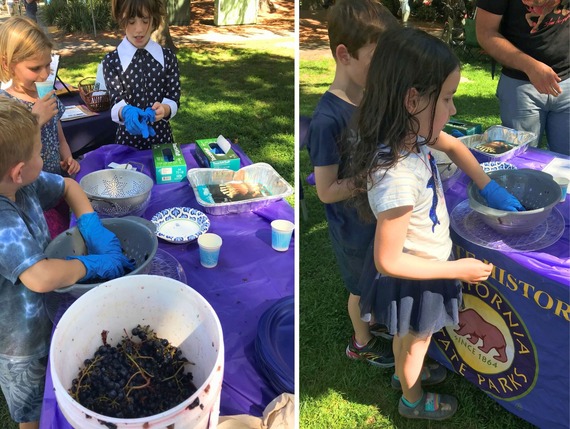 Children crushing grapes and sampling fresh juice (non-alcoholic) from grapes donated by local grape growers at the festival.
Sonoma celebrated its annual Vintage Festival last month. Since 1897, the Vintage Festival has brought the community together to celebrate the annual harvest season in Sonoma Valley. The winemakers, grape growers, and community are all part of the celebration honoring the region’s rich winemaking legacy and agricultural heritage in the birthplace of the California wine industry. The event took place in Sonoma’s Plaza Park right across the street from Sonoma State Historic Park.
The festival featured artisans, local community booths, Sonoma Plaza shops, tasting rooms, and family fun in the Kids Zone, with a Salami Toss and local school-sponsored games. Attendees were able to savor the season during the most anticipated time of the year. There were family-friendly activities and something for everyone to enjoy.
A State Parks table highlighted the little-known fact that the first vintner in the region just might have been a local Native American by the name of Viviano. The mission had given a land grant to an indigenous man in 1832. Viviano learned viticulture, most likely at the mission’s vineyards. He planted his vineyard near Bartholmew Park, a former Coast Miwok village, which became known as the Lac Grant. The exhibit explored the information connecting Viviano to Mexican General Mariano Vallejo and to Agoston Haraszthy, often referred to as the “Father of California viticulture,” who came to Sonoma in 1857 and referred to “older vines” estimated to have been planted about 25 years before he arrived. Most probably these plants were that of Viviano’s work in cultivation and harvesting in the area prior to Haraszthy’s arrival.
After attendees observed this information, kids were offered a chance to crush some grapes and sample fresh (non-alcoholic) juice and varietal grapes donated by local grape growers at the festival to our State Parks exhibit. Many attendees commented how wonderful it was to tie this important part of history to the region’s rich heritage.
PARTNER NEWS
Arts in California Parks, Local Parks Grant Program Launches Inaugural Grant Cycle with $2.8M in Funding
Story from: Sarah Scheideman, Parks California
 This week, California State Parks, the California Arts Council, and Parks California announced the first-ever recipients of the Arts in California Parks, Local Parks Grant Program. With a total of $2.8 million awarded, 31 nonprofits, community organizations, and artists will bring dynamic public art installations and cultural programming to local parks across the state. These projects are designed to enrich and inspire park visitors while fostering a sense of community pride and belonging.
We received more than 220 applications for this competitive grant program, which is administered by Parks California in collaboration with California State Parks. Recipients were selected through a competitive review process, ensuring statewide representation and meaningful local impact through art, culture, and nature.
These art projects will offer far-reaching benefits, enhancing community well-being, deepening connections to place, and providing opportunities for people of all ages to engage with the arts in outdoor spaces. Projects will launch this month and continue through September 2025.
To learn more about the grant recipients, please view the press release. To explore upcoming events at local parks near you, please visit the projects map.
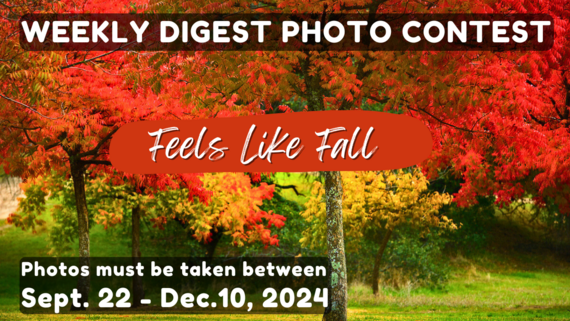 Email photos to the WeeklyDigest@parks.ca.gov.
|
|
|
To view current job openings within California State Parks, please visit our jobs webpage at www.LiveTheParksLife.com.
State Parks Job Spotlights and Open Exams
 JOB SPOTLIGHTS
Guide Trainee, Historical Monument (Sacramento, CA - Seasonal) – Nov. 23: Join the State Capitol Museum team as a Guide Trainee and dive into California’s rich history! In this role, you will conduct engaging tours, provide visitor services, and help set up special events, all while interpreting the significance of the California State Capitol. You will help develop and lead guided tours for diverse groups, while assisting with visitor check-ins and questions. This position offers flexible hours, including weekends and holidays, with the opportunity to work up to 1,500 hours in a year. Click here to view opportunities and to apply.
Communications Operator (Rancho Cordova, CA) – Until Filled: Join our team at NORCOM in Rancho Cordova, CA, as a Communications Operator, where you will dispatch emergency personnel across Northern California. Under the supervision of the Communications Supervisor, you will operate radio and telephone systems while handling both emergency and non-emergency events. This rewarding opportunity offers a dynamic work environment, competitive salary, and opportunities for professional development. Click here to view this opportunity and to apply.
Maintenance Aides (Multiple –Seasonal) - Apply-by-dates vary: Join the adventure with California State Parks as a Maintenance Aide and play a vital role in preserving our stunning natural landscapes! You will be a key player in keeping our parks clean and welcoming by clearing trails, cleaning park units, and maintaining beautiful grounds. If you have a strong work ethic and a passion for the outdoors, we want you on our team—bring your energy and enthusiasm to help protect California's natural treasures! Click here and to view opportunities and to apply or connect with your local California State Park.
Park Aides (Multiple - Seasonal) – Apply-by-dates vary: State Parks is seeking dedicated Park Aides to enhance the visitor experience by selling tickets, collecting fees, and assigning campsites while providing excellent customer service. In this hands-on role, you might also find yourself assisting with educational programs, conducting campground checks, and maintaining the cleanliness of park facilities. If you have a passion for nature and enjoy engaging with the public, we invite you to apply and help create memorable experiences for our visitors! Click here to view opportunities and to apply or connect with your local California State Park.
EXAM SPOTLIGHTS
State Historian II (11/01/2024): Apply to take the State Historian II assessment! In this role, you will conduct research on parks and monuments, ensure the accuracy of exhibit materials, and develop programs that promote California’s cultural heritage. You will also coordinate with various stakeholders, provide administrative support in grant administration, and develop plans to protect historical resources. If you’re excited about preserving California’s history and making a meaningful impact, be sure to submit your application! Click here for more information.
State Historian III (11/01/2024): California State Parks is seeking interested candidates to apply for the State Historian III assessment. As a State Historian III, you will oversee the collection, identification, and preservation of historically significant objects and sites. Key responsibilities include conducting research on parks and monuments, reviewing artifacts for accuracy, and coordinating cultural resource programs with various agencies. This exciting role also involves providing administrative support in grant management and developing plans to protect historical sites. If you possess a strong background in history and excellent research and communication skills, apply today! Click here for more information.
Communications Operator (11/01/2024): Join our team as a Communication Operator, where you will play a vital role in maintaining the safety of our state parks and visitors. In this position, you will manage incoming calls, relay critical information to emergency responders, and coordinate responses in real-time. Your strong communication skills will ensure clarity and accuracy, while your ability to multitask will help you thrive in a fast-paced environment. If you're ready to make a difference and keep our beloved state parks safe, apply now! Click here for more information.
If you have any questions regarding these opportunities, connect with us at Recruiting@parks.ca.gov. We’re happy to help!
Interested in more jobs and exams like this? Explore www.LiveTheParksLife.com to discover the possibilities.
Join the Parks Jobs mailing list here. We can send you updates on jobs and exams that interest you!
|
|
|
Style time! Here are this week's tips to help spread the word about our departmentwide style guidelines:
-
Capitalization: Don’t overcapitalize words—including titles. If a title precedes a name (e.g., Ranger John Smith), capitalize it. If the title comes after the name (e.g., Sue Smith, superintendent at Bodie State Historic Park), lowercase it.
-
guide dogs: The term "service animals" is preferred.
- "historic" vs. "historical": "Historic" describes something momentous or important in history. "Historical" simply describes something that belongs to an earlier period of history.
Keeping a consistent writing style ensures the Weekly Digest looks and sounds its best. Each week, the Communications and Marketing Division reviews submitted articles for proper grammar and punctuation and style consistency––from capitalization and hyphenation to proper acronyms and active/passive voice usage. In general, we follow the Associated Press style and Merriam-Webster, but at times we use our own department-specific style.
We always welcome your feedback on how to “Live the Parks Life” in (writing) style. Connect with us via email at weeklydigest@parks.ca.gov.
|
|
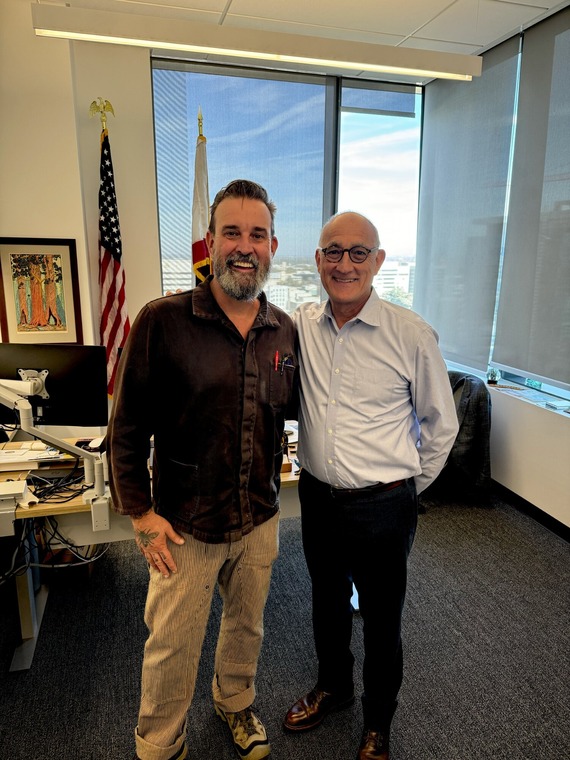 California Natural Resources Agency Headquarters, Sacramento
State Parks Director Armando Quintero with renowned author Obi Kaufman, who spoke at the Natural Resources Agency’s Campus Connect series on the “State of Fire” on Oct. 22.
Photo from Communications and Marketing Division
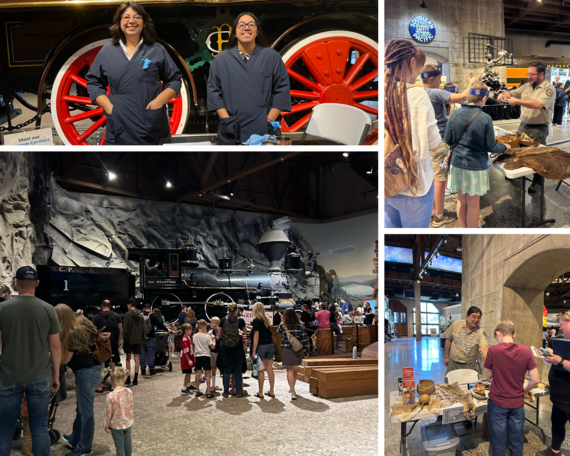 California State Railroad Museum
The museum and neighboring Capital District sites hosted the annual Homeschool Day on Oct. 11, with over 600 individuals in attendance. Museum staff, volunteer interpreters, and community partners led over 15 different educational activity stations, including interpretative presentations on the history of the Transcontinental Railroad and hands-on activities about primary sources, Morse code, and artifact conservation.
Clockwise from top left: Museum Curator I Vanessa Cantú (left) and Curatorial Assistant Miranda Bello introduce visitors to the importance of curatorial work. State Park Interpreter I Kyle Floyd informs visitors about the history of Sutter’s Fort State Historic Park. Park Interpretive Specialist Mike Ramirez shares information about the State Indian Museum. Families explore the Transcontinental Railroad Gallery.
Photos from Rachel Wolff and Debbie Hollingsworth, Capital District
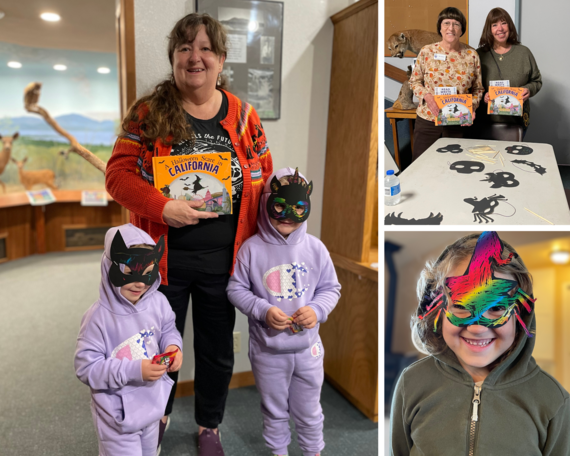 Clear Lake State Park
Snapshots from this month's story walk, which had an impressive turnout of over 60 participants. A heartfelt thanks to all the amazing people in this community who come together to make this special event possible every month, promoting literacy and encouraging children to explore nature and be creative. We are deeply grateful for our dedicated State Parks volunteers, as well as the Lake County Literacy Coalition and the Lake County Library, who not only provides books but also volunteers for our story walks.
Photo from Samantha Morris, Northern Buttes District
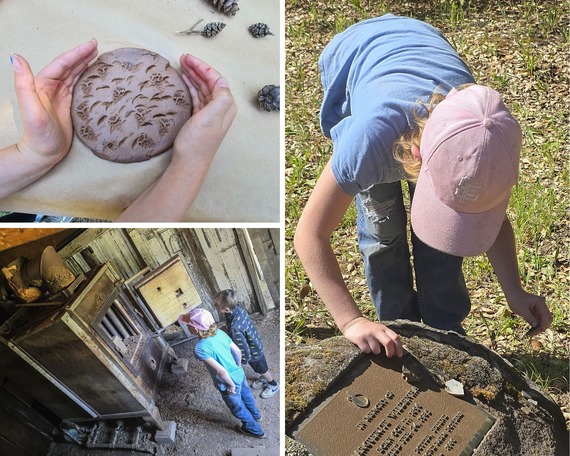 Austin Creek State Recreation Area
We are excited to report the successful pilot of Adventure Pass school field trips to Pond Farm Pottery, a National Historic Landmark. This was the first time school-age children visited Pond Farm Pottery to learn about internationally renowned, Bauhaus-trained artist and teacher Marguerite Wildenhain. After a guided exploration of the site, students got creative, using natural elements like acorns, leaves, or grasses to make vibrant prints and design patterns of nature on clay. With nearly 100 Adventure Pass students hosted, we look forward to welcoming more.
Photos from Leslie Carrow, Stewards of the Coast and Redwoods
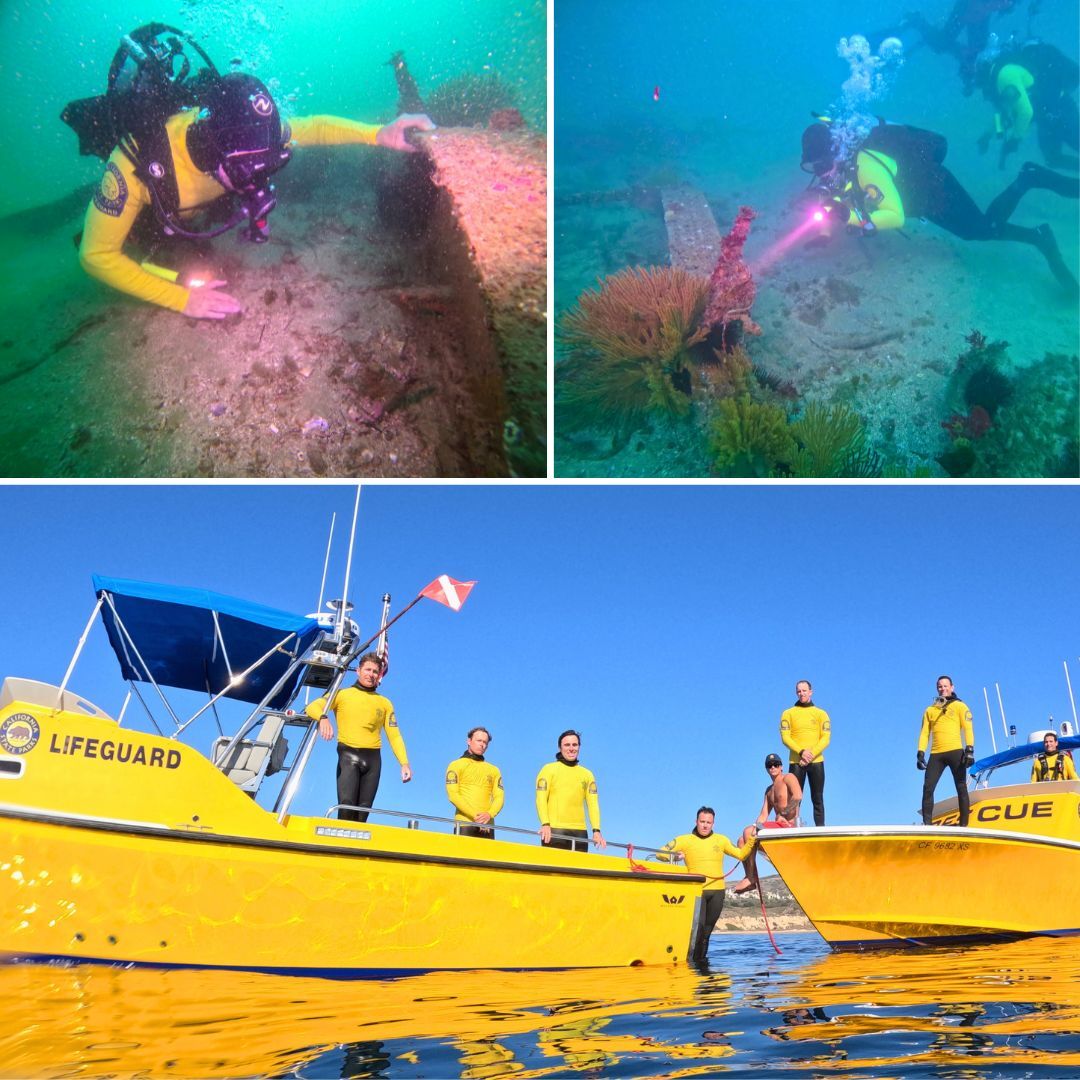 Crystal Cove State Park
Photos taken this Wednesday during an Orange Coast District dive team training and submerged cultural resources survey work in the Crystal Cove State Marine Conservation Area, a marine protected area.
Top left: State Park Peace Officer (Lifeguard) Cameron Faris inspects the forward engine compartment bulkhead of a Navy F4U Corsair fighter plane from Naval Air Station Los Alamitos in Orange County that crashed off Crystal Cove on July 5, 1949. Top right: Orange Coast District diver Lt. Paul Andrus descends upon the plane's wreckage. Bottom: Orange Coast District dive team members aboard Surf Watch rescue vessels.
Photos from Training Section and Ryan Gates, Orange Coast District
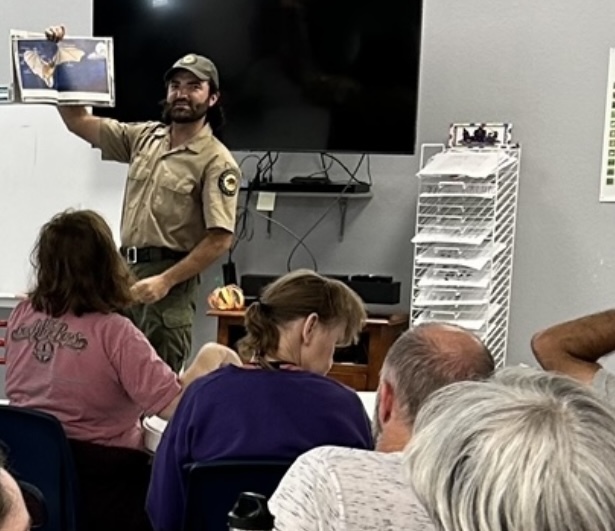 Lake Oroville State Recreation Area
Senior Interpretive Park Aide Quinn Neves presents to attendants of one of several adult day interpretive programs. Northern Buttes District is committed to supporting visitors with sensory issues or different learning needs as well as other traditionally underserved populations.
Photo from Amanda Sellers, Northern Buttes District
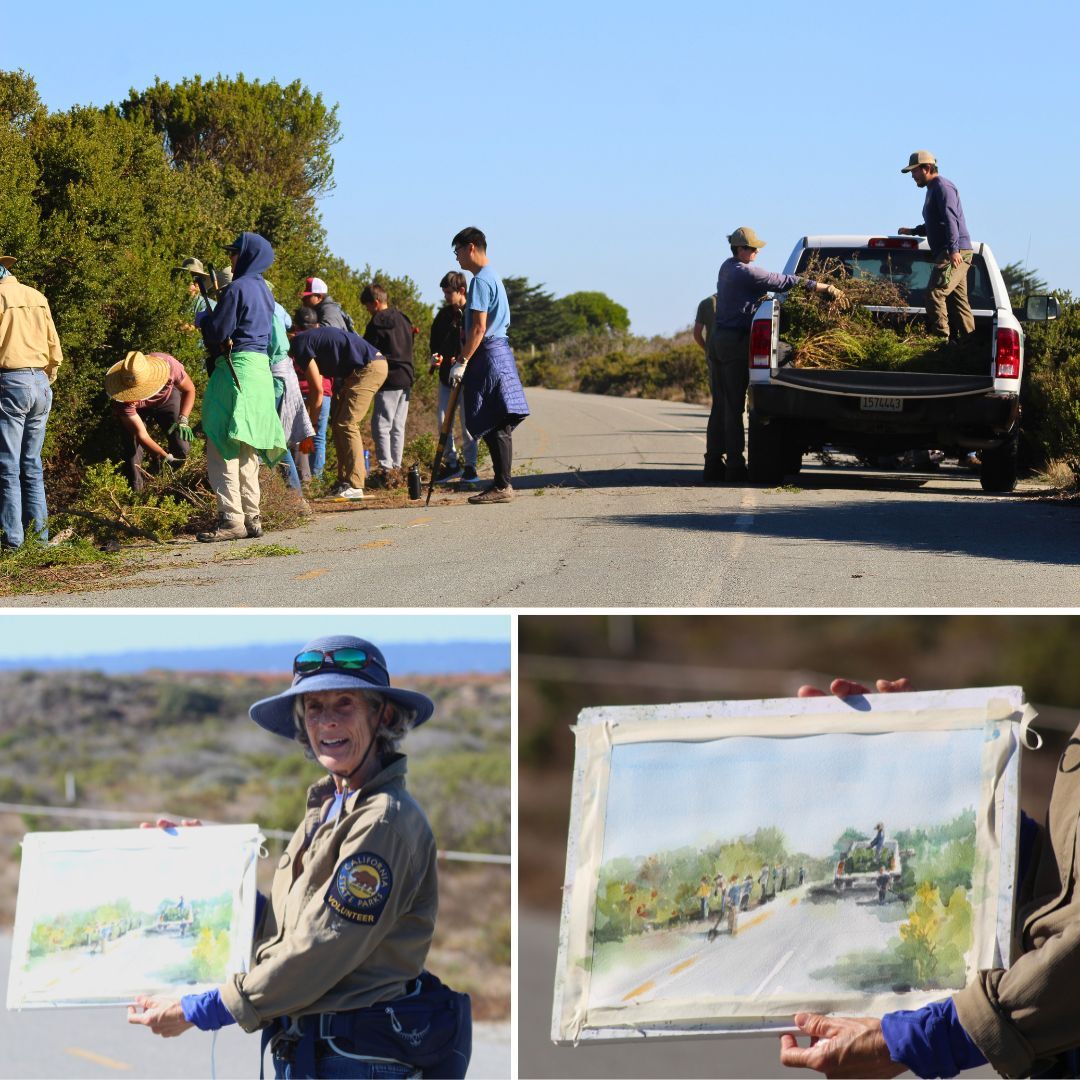 Fort Ord Dunes State Park
Each month, the California State Parks Foundation and the Monterey District's Natural Resources Volunteer Program host a volunteer day at the park. This month's event welcomed the Monterey Bay Plein Air Painters Association (MBPAPA). While volunteers worked to trim vegetation encroaching on the bike path and spread the cut brush in a nearby restoration plot, artist and Natural Resources volunteer Elaine Goldstone created a beautiful watercolor painting that documented the volunteers' work. This event was the first of several planned Paint Outs hosted in partnership with MBPAPA. By collaborating with local artists, the association and the volunteer program hope to capture the incredible work volunteers and staff are doing to restore the dunes at the park.
Photo from Elaine Goldstone, Monterey District
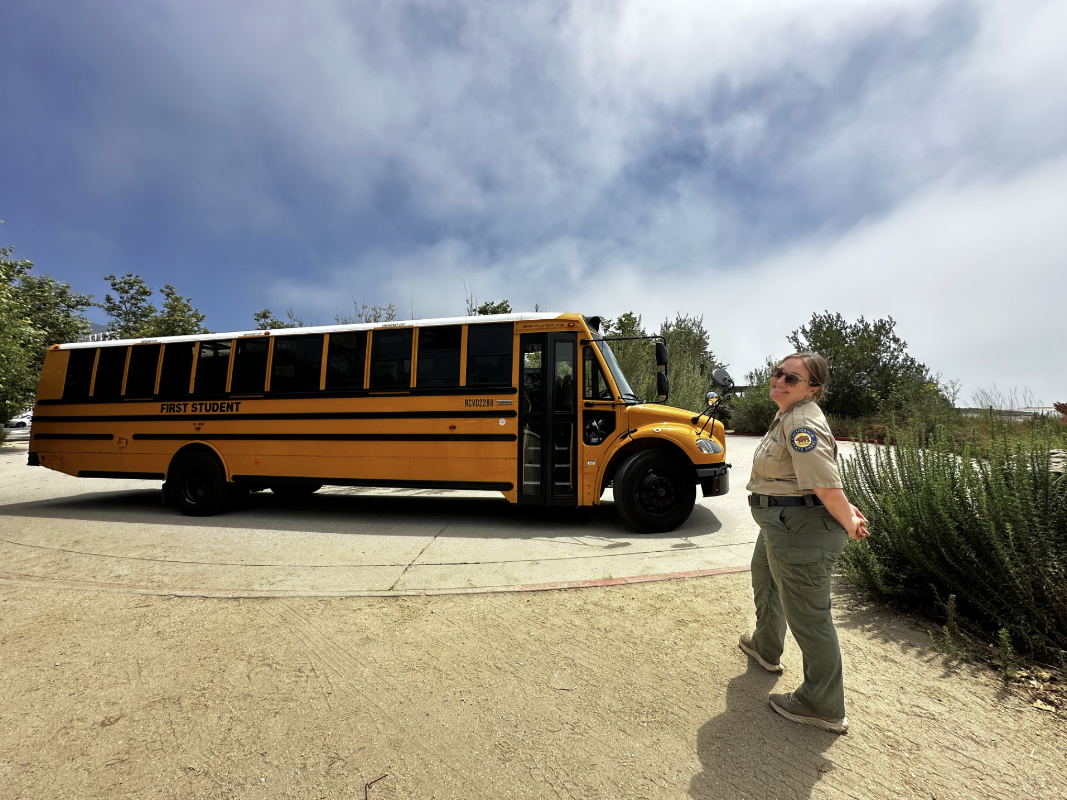 Malibu Lagoon State Beach
State Park Interpreter Allison Frye, excited to take a bus full of students for a full day of outdoor learning.
Photo from Cassandra Chavez, Angeles District
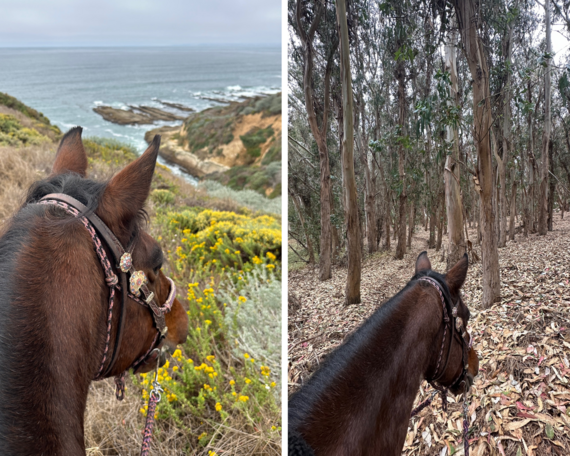 Montaña de Oro State Park
The volunteer group Coast Mounted Assistance (CMA) held their annual fundraising event at the Hazard Canyon Horse Camp from Oct. 10-13. This fun-filled event is coordinated with the help of State Parks and Central Coast State Parks Association. It provides much needed funds for the upkeep and maintenance of our beautiful horse camp. CMA members organize all the details for this event each year, help maintain park trails throughout the year and patrol the park trails on certified horses as State Park volunteers.
Devyn DiMascio, volunteer
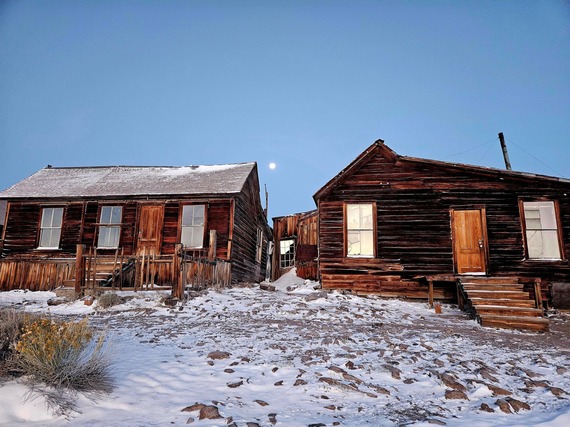 Bodie State Historic Park
A full moon over fresh snow.
Photo from Simone DuRand, Sierra District
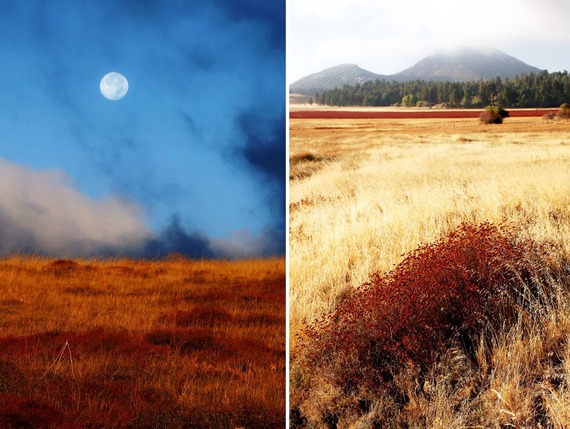 Cuyamaca Rancho State Park
Left: The waning harvest moon just after sunrise. Right: California buckwheat with Stonewall Peak in the background.
Photos from Michele Hernandez, Colorado Desert District
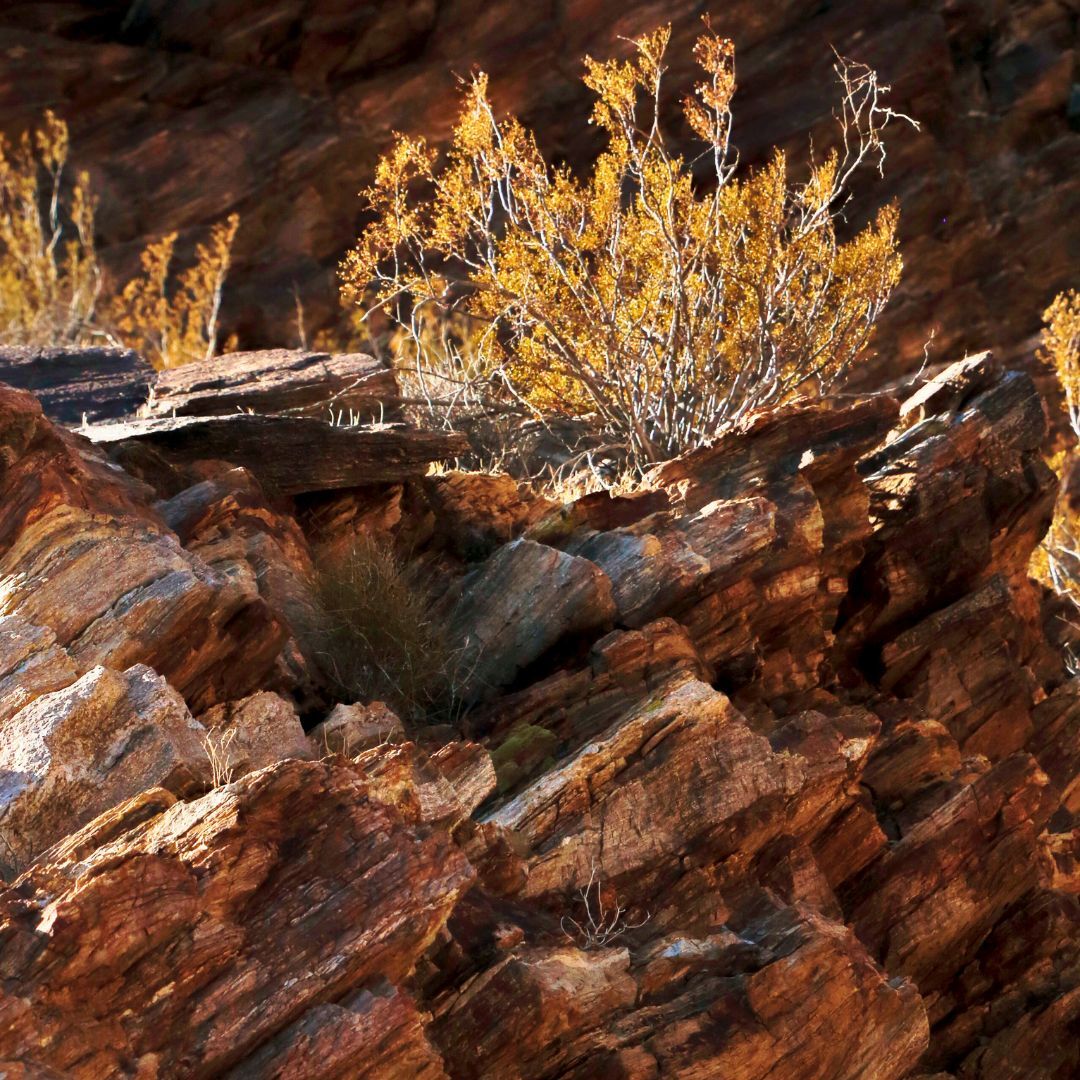 Anza-Borrego Desert State Park
A backlit creosote growing on metamorphosed sandstone.
Photo from Michele Hernandez, Colorado Desert District
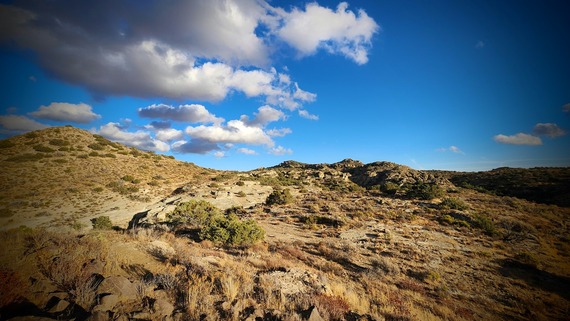 Tomo-Kahni State Historic Park
The evening sun illuminating the sacred lands of this historic park. Tomo-Kahni, or “winter village” in the native language, is a resource-rich land that was the winter home for the Kawaiisu people for 2,000-3,000 years. Access to this sensitive site is only available by guided tour.
Photo from Damion Laughlin, Great Basin District
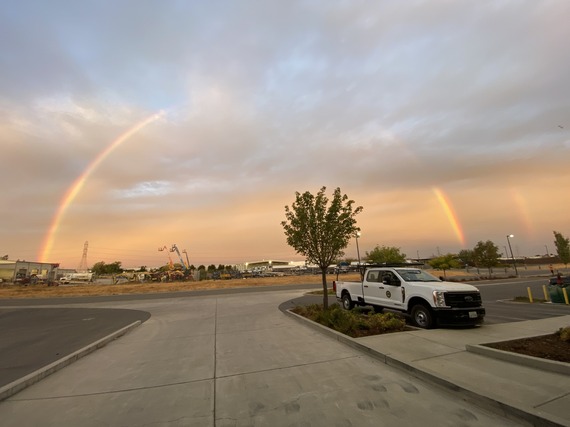 California Statewide Museum Collections Center, McClellan
I took this photo just after sunrise on Oct. 16, a double rainbow appeared.
Photo from Kristi Jones, District Facilities Management Program
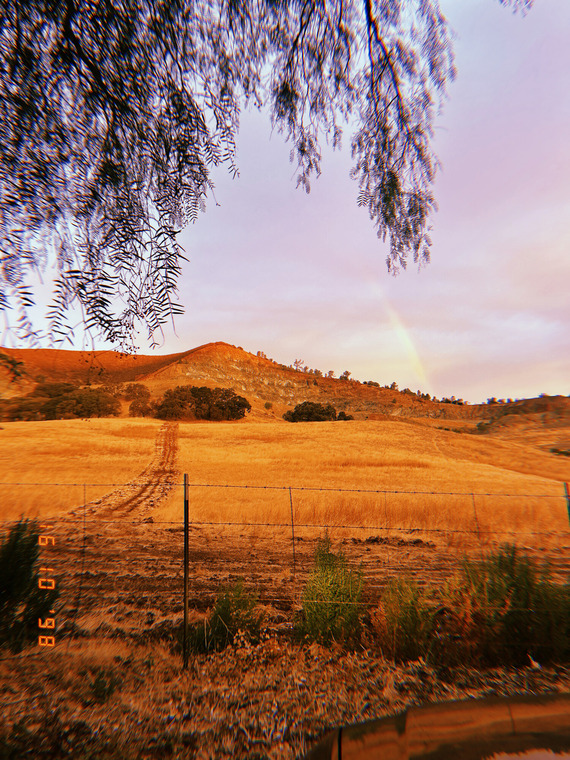 Mount Diablo State Park
Rainbow peeking out when arriving for work at office headquarters.
Photo from Megan Linnell, Diablo Range District
 Email photos to the WeeklyDigest@parks.ca.gov.
|
|
|
Here are some upcoming State Parks events. For a list of more upcoming events, please visit www.parks.ca.gov/events.
Thursday, Oct. 24 - Thursday, Oct. 31
-
Halloween-Themed Tours—Leland Stanford Mansion State Historic Park, 1–8 p.m.: You are invited to Leland Stanford Mansion State Historic Park's free, guided spooky tours. Explore frightfully decorated rooms speaking to tales of history and supernatural surprises. And be sure to check out the hay bale maze, fun photo opportunities, and grab a free pumpkin on the way out! Peer with us through the veil. Parents be warned – the tour may be a little too haunting for children under 10.Tours are free for all visitors, but reservations are required! Reserve your spot here -bit.ly/StanfordMansionHalloween24.
Saturday, Oct. 26
-
Saddleback Butte State Park Habitat Cleanup—Saddleback Butte State Park, 10 a.m.–noon: Join us for the annual Habitat Cleanup event at Saddleback Butte State Park. Volunteers should arrive at 10 a.m. The cleanup will conclude at noon. This is for everyone, and children can take part in the Litter Getter program, which encourages them to keep parks clean, wild, and healthy. Children will be given an activity booklet and rewarded with an official Litter Getter certificate, stickers, and a magnet. Park fees are waived and it's okay to just show up. For additional information please contact Turner@parks.ca.gov. #CAStateParks #SaddlebackButte
-
Boo Blvd— Columbia State Historic Park, 2–6 p.m.: Trick or Treating, Face Painting, Creepy Crafts, Fish N’ Game, and the Gargoyle Quest are from 2 to 4 p.m. The Zombie Flash Mob Dance Performances will be at 3:30 and 4 p.m. The Photo Booth runs from 2 to 6 p.m.The pre-carved Jack-o-Lantern Contest returns. Everyone is invited to march in the Halloween Parade, 4:30 p.m. and compete for prizes in the Costume Contest from 5 to 6 p.m. Bring your family and hang out with the ghosties and ghouls! This free event is sponsored by Friends of Columbia State Historic Park and Black Oak Casino.
Wednesday, Oct. 30
-
Spooky Trails and Campfire Tales—Kenneth Hahn State Recreation Area, 5:30–6 p.m.: Join us at the Baldwin Hills Scenic Overlook for a family-friendly hike. The theme of our hike is misunderstood wildlife—animals that sometimes get a spooky reputation but play important roles in nature. Meeting locations, parking, and other logistics will be sent after you RSVP filling the Google Form. Minors are required to be accompanied by parent or guardian. Please sign up here: Spooky Trails and Campfire Tales Sign-Up.
|
|
|
Oct. 22, 2024
|
|
|
The Weekly Digest includes a collection of news articles related to the
California Department of Parks and Recreation. The views expressed and opinions do not always reflect that of the department.
To view this week's News Clips, please visit www.parks.ca.gov/NewsClips.
 Weekly Digest Article and Photo Submissions
If you have an article or photo you would like to submit for the Weekly Digest, please send your entries via email to WeeklyDigest@parks.ca.gov.
For an article submission, please include:
- Author’s name and division/district.
- All relevant information (e.g., headline, park name, dates, name of event, individuals’ full names and titles, etc.).
Articles should be no longer than 300 words.
For photos, please include:
- Photo credit info and captions.
- Photo release forms should be kept on file for non-employees or volunteers.
Unless otherwise noted, all photos included in the Weekly Digest are courtesy of the California Department of Parks and Recreation.
The deadline for Weekly Digest submissions is close of business Thursday. For more information, email WeeklyDigest@parks.ca.gov.
|
|
|
|
|