|
 October 13, 2023
|
|
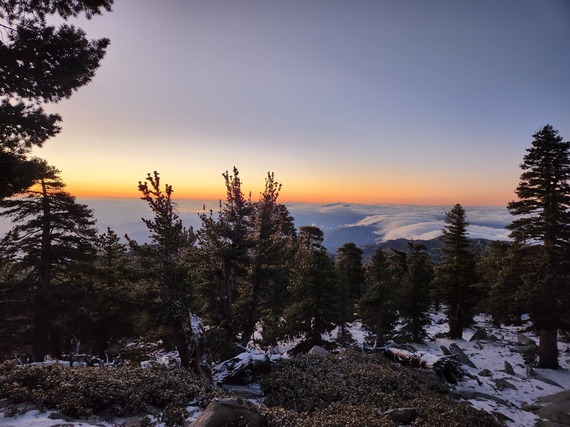 Mount San Jacinto State Park and Wilderness
Snow in September? The unpredictable weather of 2023 continues with an early fall storm that passed through Mount San Jacinto State Park and Wilderness on Saturday, September 30. The view from the summit is spectacular any time of day, but sunrise and sunset are especially enchanting, as seen here during a sunrise.
Photo from Stephen James, Inland Empire District

|
|
California State Parks Invites Public Comment on Waterway Connections Initiative
Story from: Strategic Planning and Recreation Services Division
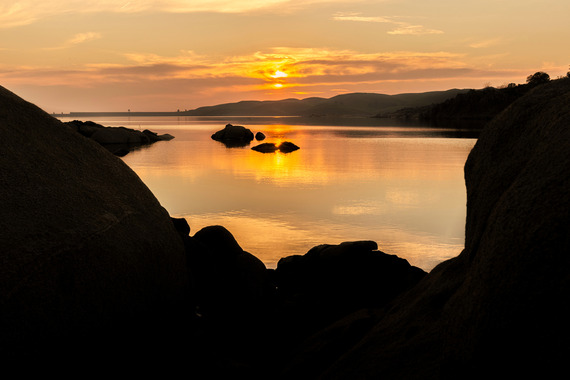 With over 40 miles of shoreline, Millerton Lake State Recreation Area offers swimming, angling, boating and camping. The Waterway Connections Initiative is a statewide program, with serious consideration given to connecting Priority Communities with inland waterways, which offer opportunities for multibenefit land and water management. Photo from Brian Baer, Communications and Marketing Division.
Consistent with the California Natural Resources Agency’s Outdoors for All vision, California State Parks has released the Waterway Connections Initiative (WCI) framework for public comment through Friday, Nov. 17, 2023. WCI is intended to increase and improve outdoor recreation for Priority Communities, which are those that lack a meaningful connection with the outdoors near California’s beautiful lakes, rivers and waterways.
Categories of projects to be supported by WCI include:
- Recreation facilities such as campgrounds, picnic areas and other infrastructure needed for public access. Many important recommendations identified in the Central Valley Vision create opportunities for park visitors to relax and have fun while cooling off. Similar opportunities exist throughout the state.
- Public education and access programming that create and strengthen community connections with the outdoors. Priority Communities need to feel welcome and comfortable outdoors to enjoy the benefits of outdoor recreation—and be inspired to steward California's precious natural and cultural resources.
- Parks planning that engages communities to create and strengthen connections with parks, as the essential foundation for building and managing public access facilities and programs suitable to the unique park locations.
- Strategic property acquisitions that improve public access. Especially along rivers, additions of parcels up- and downstream of existing public lands can create opportunities for floating or paddling waterways. Other property additions may improve public access to and operations of existing public lands.
WCI funding must be committed by June 2027, and State Parks has already identified numerous early actions, such as the:
- Restoration and improvement of day-use facilities and campgrounds at Brannan Island and Turlock Lake State Recreation Areas.
- Providing of critical funding for infrastructure to construct public access improvements at the Bowtie parcel at Rio de Los Angeles State Park.
- Providing of local assistance to improve boat launch facilities identified through the Division of Boating and Waterways' Boat Launching Facilities Grant program.
- Extension and expansion of Parks California’s Route to Parks and Career Pathway grant programs, to emphasize WCI Priority Communities.
The proposed WCI framework is detailed on the WCI website. The public and potential partners are invited to submit comments through Friday, Nov. 17, 2023.
Must-Visit California State Parks During Fall Season
Story from: Jorge Moreno, Communications and Marketing Division
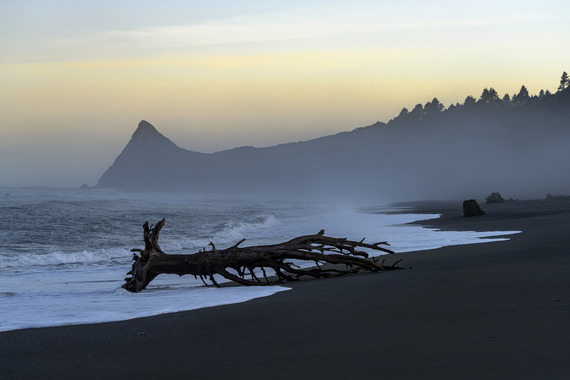 A perfect location to enjoy the fall is at Humboldt Lagoons State Park, as it is part of the largest lagoon system in the United States. Photo from Brian Baer, Communications and Marketing Division.
With weather cooling down and the foliage changing colors, fall is one of the best times to visit California’s 280 state parks. With its diverse deserts, forests, rivers, lakes and beaches, and its historic sites, California offers a bit of everything during the fall season for a weekend or day trip.
Visitors can hike the mountains in the sierras or along the coast, or enjoy a day of relaxation at the beach. But before heading to their next adventure, California State Parks wants to remind the public of a few safety tips.
With 280 parks in California’s State Park System, there is so much to choose from—but here are just a few must-visit state parks for this fall:
Humboldt Lagoons State Park: Located on the land of the Ner'-er-herh/Coastal Yurok People, the Indigenous name of this area is Chah-pekw Hee-koh. The park lies on the sandy, windswept edge of ocean and forest. Formed by the clash of two tectonic plates, it is part of the largest lagoon system in the United States and includes Big Lagoon, Stone Lagoon and Freshwater Lagoon, as well as Dry Lagoon, which is now a marsh, bordered by dunes, forests, prairies and coastal scrub. With such varied habitats, wildlife thrives. On a single visit, you can see whales, elk, trout, salmon, pelicans and woodpeckers. Visitors can hike the California Coastal Trail and paddle, swim and fish at the lagoons. There is even a paddle-in and hike-in campground in the forest at Ryan’s Cove—and kayaks for rent at the first tribally managed visitor center, Chah-pekw O’Ket-toh “Stone Lagoon” Visitor Center, open Tuesday through Saturday from 10 a.m. to 4 p.m.
Fremont Peak State Park: This park features expansive views of Monterey Bay, San Benito Valley, Salinas Valley, and the Santa Lucia Mountains, from its hiking trails in the grasslands of the higher peaks of the Gavilan Range. There are camping and picnic facilities in the park, as well as an observatory with a 30-inch telescope, which is open for public programs on selected evenings.
Point Dume State Beach: Representing the picturesque appeal of Malibu, this beach and natural area features breathtaking cliffs, headlands and rocky coves. Popular visitor amenities include swimming, surfing, scuba diving and wildlife watching. Though small, the Natural Preserve within the state beach provides habitat for a surprising amount of wildlife. A visitor may encounter coyotes, skunks, raccoons, ground squirrels and rabbits in broad daylight. The incredible vistas offer an opportunity to view sea lions, harbor seals and dolphins in the surf only a few dozen feet away. The location is also known for filming and has been featured in TV and film productions, including “Iron Man,” “Planet of the Apes” and “Days of Our Lives.”
Picacho State Recreation Area: Situated along the Colorado River in Imperial County, this remote park is accessible via a 24-mile dirt road from the south called Picacho Road, or a 15-mile off-road trail from the north called Indian Pass. If you choose Indian Pass, you will need a four-wheel-drive vehicle and off-roading experience, as it is technical in a few places. The park is located at the historic Picacho Townsite; a century ago, Picacho was a gold mining town with 100 citizens. Today the site is a state recreation area popular with boaters, hikers, anglers and campers. The park offers diverse scenery, including beavertail cactus, wild burros, bighorn sheep and thousands of migratory waterfowl. (The park is on one leg of the Pacific Flyway.) The state recreation area offers access to the river at two launch ramps. Visiting during the fall after the temperatures start to cool off is a great time to enjoy this park.
Read the rest of the recommendations in the State Parks blog post.
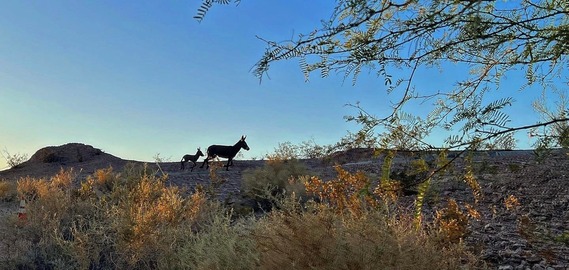 Picacho State Recreation Area offers diverse scenery, including wild burros and many other wildlife. Photo from California State Parks.

|
|
Great Basin District Conducts Annual Desert Lifeguard Training
Story from: John J. Cunningham, Great Basin District
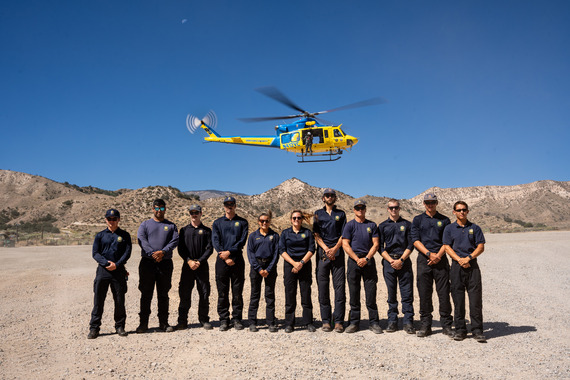 Ventura County Helicopter 9 (their new Bell 412EPX) departing after Air Operations Training. Desert lifeguards (left to right): T. Larese, R. Saldana, J. Waxtein, A. Waller, D. Reyes, E. Sainsbury-Carter, E. Lapidus, D. Lazar, C. Murphy, M. Trgo and A. Best. Photo from B. Scruggs II, Great Basin District.
The Great Basin District held its Annual Desert Lifeguard Training at Hungry Valley State Vehicular Recreation Area (SVRA) on Friday, October 6. This three-day training consisted of administrative procedures, Hungry Valley SVRA familiarization, Los Angeles and Ventura Counties Local Emergency Medical Services Authority protocols and air operations training and familiarization as they pertain to each county within Hungry Valley SVRA. Desert lifeguards also received medical/trauma refresher training and a day of medical/trauma scenarios proctored by Great Basin District Public Safety-First Aid instructors.
Each year, Great Basin District enlists the assistance of coastal lifeguards and turns them into dusty desert lifeguards. This program improves the response time and care provided to patients when the call for service goes out. The Desert Lifeguard program has become essential within the Great Basin District; as the old saying goes, “Many hands make light work.” This is especially true when it comes to responding to medicals in an off-highway vehicle recreation area, a historic park or a reserve. Desert lifeguards are utilized across the district for weekend patrols, American Motorcyclist Association District37 dirt bike races, Rallye Car races and the Antelope Valley California Poppy Reserve State Natural Reserve super bloom events.
This year, the Desert Lifeguard program has seven proven returners and six motivated new guards looking to hone their skills. From day one of the training weekend, the desert lifeguards came together as a cohesive unit, as they all began to rely on each other during scenarios. This type of teamwork and coordination will be required in the field as they will be working side by side with Great Basin District state park peace officers (SPPOs) while on calls for service.
Instructors and SPPOs across Great Basin District were requested to participate over the three-day training. Their assistance lightens the lift for this dynamic training, builds camaraderie and allows them the opportunity to work alongside desert lifeguards and continue to build that working relationship they will all rely on in the field.
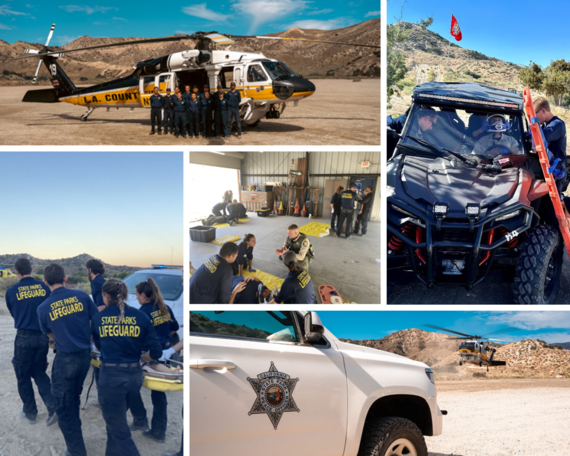 Top left: Desert lifeguards with Los Angeles County Helicopter 19, a Sikorsky Firehawk (Blackhawk). Back row (left to right): C. Stratton, J. Waxtein, A. Best, C. Murphy, R. Saldana, A. Waller, M. Trgo, E. Lapidus. Front row (left to right): T. Larese, D. Reyes, E. Sainsbury-Carter, M. McCaw. Photo from B. Scruggs II, Great Basin District. Top right: Recreational off-highway vehicle rollover, multicasualty incident scenario. Photo from J. Kurtz, Great Basin District. Bottom left: Desert lifeguards respond to an all-terrain vehicle rollover. Photo from H. Del Castillo, Great Basin District. Center: Desert lifeguards receiving cervical spine (c-spine) immobilization and helmet removal training from Great Basin District Public Safety-First Aid instructors. Photo from J. Cunningham, Great Basin District. Bottom right: Los Angeles County Helicopter 19 Sikorsky lifting off after air operations training. Photo from B. Scruggs II, Great Basin District.
Docent Ron Peterson Provides ‘An Eye-Opening Experience Without Sight’ Nature Walks at Tijuana River National Estuarine Research Reserve
Story and photo from: Anne Marie Tipton, San Diego Coast District
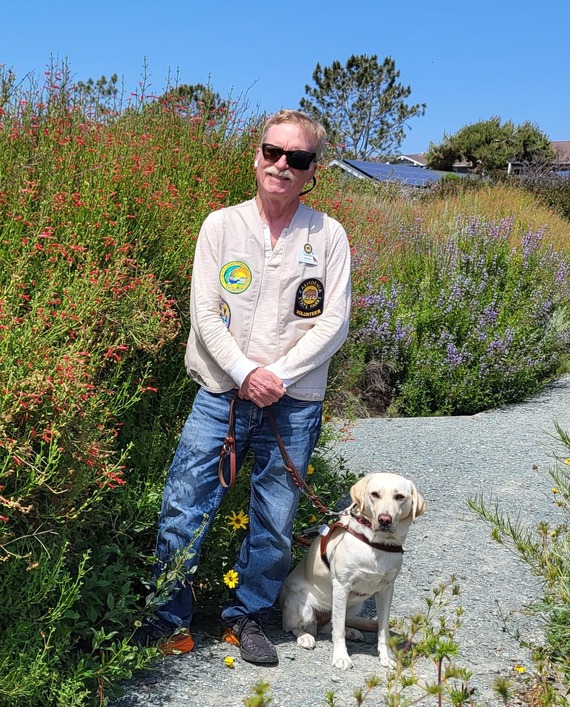 Docent Ron Peterson and his service animal, Gidget, lead nature walks at Tijuana River National Estuarine Research Reserve.
Expertly guiding participants along trails through California’s Tijuana River National Estuarine Research Reserve, in Imperial Beach, California, Ron Peterson, a docent who is blind, showcases the wonders that cannot be seen. With his distinct perspective to guide them, others learn how engaging senses other than sight can deepen our connection with nature.
Formerly a devoted stewardship volunteer at the reserve, Ron has had a journey through blindness that began four years ago. The change opened a new approach to experiencing the natural world for him, and it led to the creation of a one-of-a-kind nature walk that brings participants closer to the environment through touch, smell and hearing.
Drawing on his extensive knowledge of more than 30 plant species and guided by his service animal, Gidget, Ron crafted an immersive walk that allows participants to connect deeply with the environment in ways they might not have imagined. Ron worked alongside the reserve’s volunteer coordinator, Robin Echols-Booth, who helped him create the walk.
Since June, Ron has led exclusive tours for organizations like Alzheimer's San Diego, Chapter One, the Braille Institute and Torrey Pines State Natural Reserve. He also hosts a monthly, free nature walk, “An Eye-Opening Experience Without Sight,” the first Saturday of every month at the Tijuana River National Estuarine Research Reserve. The Tijuana River National Estuarine Research Reserve is a partnership between the National Oceanic and Atmospheric Administration and California State Parks, and is one of 30 reserves nationwide.
“For those with sight, the walk is a rare opportunity to experience these native plants with all five senses, not just one. I ask them [the participants] to close their eyes at certain moments during our walk to enhance their nonvisual sensory experience,” said Ron. “And for those without sight, the walk may be the first chance of their life to enjoy and learn about our native plants.”
Using the California State Parks’ publication “Aiming for Excellence: An Evaluation Handbook for Interpretive Services in California State Parks,” I, the reserve’s education coordinator, provide valuable coaching throughout the process. This journey was no easy task, as Ron delved into unfamiliar territory—conducting interpretive walks without sight, all while being evaluated. Along the way, he trained Gidget to navigate the designated route.
“I encourage visitors to hear the honeybees buzzing around the pink flowers of the California buckwheat, to listen to the whisper of the breeze flowing through the Fremont cottonwood trees and to hear the rattle of the dried bladderpod seed pods,” said Ron. “I describe the tangy citrus flavor of the slippery berries of the lemonade berry, traditionally used by the Kumeyaay Native Americans to create a refreshing drink. I encourage visitors to distinguish between the enchanting smells of the black sage and white sage, and to enjoy one of Southern California’s quintessential fragrances: the California sagebrush. I ask the visitors to feel the unique size, shape, structure and texture of the leaves of our native plants, such as the soft flowing branches of the narrowleaf willow.”
Ron has lots of experience giving professional trainings and lectures during his career as an engineer, but he had never done thematic interpretation before. I am impressed by Ron’s dedication to developing the best nature walk possible; he is always practicing and refining his walk and changing the plants he features by the season. I am glad we can share his point of view with the general public and be accessible to people with visual impairments.
To learn more about Ron's exceptional approach to nature yourself, visit the Tijuana River National Estuarine Research Reserve’s Public Programs webpage.
San Diego Coast District Hosts Largest Fall Southern Natural Resources Guild Meeting Yet
Story from: Emily Bork, Southern Service Center
 Fall 2023 Guild Meeting attendees gathered at Torrey Pines State Natural Reserve. Photo from Emily Bork, Southern Service Center.
The Fall 2023 Southern Natural Resources Guild Meeting took place October 4 and 5. This meeting was graciously hosted by the San Diego Coast District, with attendees from the Angeles, Channel Coast, Colorado Desert, Inland Empire, Oceano Dunes and Orange Coast Districts; the Southern Service Center; and Parks California. Around 50 individuals attended the meeting, making it one of the largest Guild Meetings yet. These meetings are held biannually and serve to foster closer collaboration, working relationships and scientific discussions between State Parks natural resources staff in Southern California.
The meeting commenced at Cardiff State Beach (SB) with a tour of the Cardiff living shoreline dune restoration areas. We were delighted to see a population of western snowy plovers utilizing the restored dune habitat. Next, staff walked up the beach to view the rock revetment protecting the campground at San Elijo SB and discuss sea level rise adaptation and challenges. Finally, staff visited the San Elijo Lagoon Ecological Reserve and Nature Center to discuss the lagoon restoration and the various partnerships that helped make it happen.
The following day, discussion centered around restoration at Torrey Pines State Natural Reserve. Staff hiked the Guy Fleming Trail to view Torrey pine (Pinus torreyana) reforestation efforts and discuss the relationship between drought, Torrey pines and bark beetles. The meeting concluded at Flintkote Avenue, where we viewed and discussed past and ongoing coastal sage scrub restoration efforts.
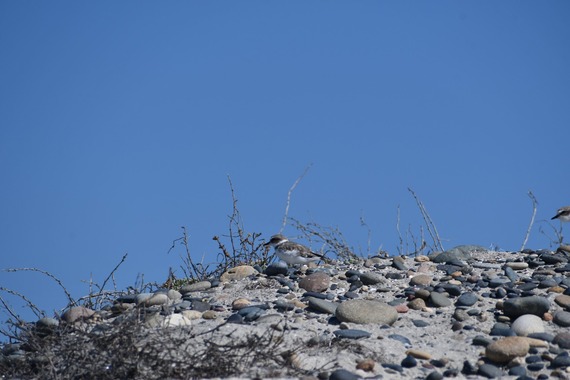 A western snowy plover at Cardiff State Beach. Photo from Aly Velloze, Southern Service Center.
'Track of Treat' Excursion Train Rides Come to Old Sacramento State Historic Park This Month
Story from: Traci Rockefeller Cusack, T-Rock Communications
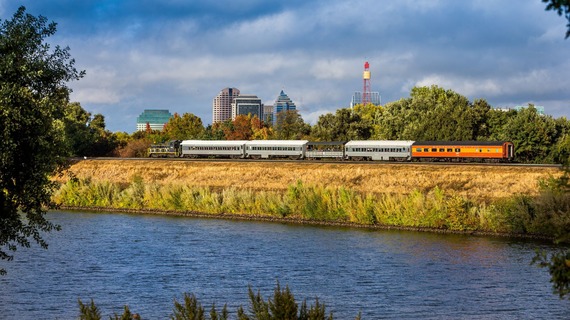 Image of one of the "Track or Treat" excursion train rides last year. Photo from Kelly B. Huston, California State Railroad Museum and Foundation contributor.
California State Parks and the California State Railroad Museum and Foundation are pleased to announce the rail repair project is near completion and “Track or Treat” excursion train rides will take place at the Old Sacramento Waterfront over the course of three “fangtastic” weekends this fall: October 14-15, 21-22 and 28-29.
A dedicated “skeleton” crew and “spirited” train car attendants will keep the party going for 45 fun-filled minutes. Plus, before and after each train departure, riders will enjoy exclusive access to the Passenger Station, where they can participate in games, activities and photo ops. Also, train riders are encouraged to dress to impress according to the weekly themes: October 14-15, Fantasy and Fairytales; October 21-22, Movie Mayhem (favorite movie/TV characters); and October 28-29, Classic Halloween.
For those wishing for a VIP First Class train ride experience, a Magical Mad Scientist and his crew of minions are up to the task. An on-board laboratory is decorated with a display of crazy experiments fit for the mad scientist himself, and his tricks and illusions will leave guests of all ages in awe. Of course, First Class guests will receive onboard refreshments, nonstop fun and excellent service.
All “Track or Treat” excursion train rides depart from the Central Pacific Railroad Freight Depot on Front Street between J and K Streets, and cost $29 for adults, $19 for youths ages 3-17 and ages 2 and under are free. First Class tickets cost $39 for adults, $29 for youths ages 3-17 and ages 2 and under are free. Limited VIP seating is available and online booking is recommended. Tickets are available online in advance (recommended) or at the ticket office on the day of the train ride, depending on availability.
To purchase “Track or Treat” excursion train ride tickets or for more information about the California State Railroad Museum or Foundation, visit www.californiarailroad.museum.
Mono Lake Tufa State Natural Reserve Celebrates
First-Ever Phalarope Festival
Story and photos from: Catherine Jones, Sierra District
 Phalarope costume group. Left to right: Kerry Livingston, David Carle, Cassia McQuilkin, Bonnie Jones and Val A. Rope.
The Mono Basin Bird Chautauqua event in Lee Vining, California, brings people together to enhance appreciation and understanding of the Mono Basin’s unique ecology. This year’s Chautauqua event celebrated one of the lake’s charismatic bird species the Wilson’s phalarope and culminated with the first-ever Phalarope Festival.
The goal of the Phalarope Festival was to highlight this magnificent shorebird that depends on Mono Lake and other saline lakes throughout the western hemisphere for survival. Wilson’s phalaropes breed in northern United States and Canada, where females will lay eggs and embark on their migration, leaving male birds behind to incubate the eggs and raise the young. When Wilson’s phalaropes arrive at Mono Lake, they are greeted with an endless buffet of brine shrimp and alkali flies.
After a few weeks of resting, molting their feathers and fattening up, the phalaropes will embark on an epic migration to warmer areas, thousands of miles to the south, settling in on lakes such as Laguna Mar Chiquita in Argentina. Laguna Mar Chaquita is a designated sister lake—in addition to the Great Salt Lake in Utah—to Mono Lake. Each of these lakes are a vital stop for thousands of phalaropes and each worthy of protection. This sister lake connection brought researchers, educators, conservations and scientists together at Mono to enjoy the Chautauqua, join in the Phalarope Festival and share their great work and the amazing places they help protect. Some folks joined us all the way from Argentina, including a park ranger from the newly created Ansenuza National Park, which allowed for State Parks staff to share park management's accomplishments and struggles.
The Phalarope Festival was a great success. The afternoon began with the unveiling of Lee Vining’s new phalarope murals, created by artist Franco “Vato” Cervato from Argentina. There was music, including a bilingual phalarope tribute song; food; talks by international shorebird scientists; booths, including those by the Bodie Foundation and the many other partners of the Chautauqua; a bird-calling contest; and a phalarope costume contest.
Join us next year June 21-23, 2024, at this fun and educational event. Registration opens on April 15, 2024, and the 100-plus events fill up fast. Visit birdchautauqua.org for more information.
Top left: State Park Interpreter Catherine Jones with phalarope mural. Top center: Phalarope costume by Bonnie Jones, Catherine Jones’ daughter. Top right: Phalarope costume by Dave Carle, California State Park Ranger Association president. Bottom: State Parks booth. Left to right: Iris Mahony-Moyer, Ashley McCausland, Erica Hedlund and Wangdowa Sherpa (standing).
Sonoma State Historic Park Hosts Volunteer and Staff Appreciation Dinner at General Vallejo’s Home
Story from: Tyler Markley, Bay Area District
 Volunteers and staff at this year’s Volunteer and Staff Appreciation Dinner held at General Vallejo’s Home at Sonoma State Historic Park. Photo from Dee Katson, Sonoma Petaluma Parks Inc.
Sonoma State Historic Park (SHP) recently held its Volunteer and Staff Appreciation Dinner on Saturday, October 7, in Sonoma, California. The event was a night filled with tasty food, fun activities and a whole lot of gratitude for our volunteers and staff.
For the first time this year, we celebrated this special occasion at the historic General Vallejo’s Home inside of Sonoma SHP. Around 60 amazing volunteers and staff joined us for the evening.
The event had scrumptious appetizers, a yummy dinner and delicious desserts that everyone enjoyed.
We roasted marshmallows for s’mores over a cozy firepit and had great music to keep the party going. Throughout the night, our staff, who worked on the event, made sure everyone was served and having a good time.
This event was all about showing how much we appreciate our volunteers and staff. Laughter, chatting and good times filled the evening, and we cannot wait to do it all over again next year and say thank you to the wonderful people who help make our organization great.
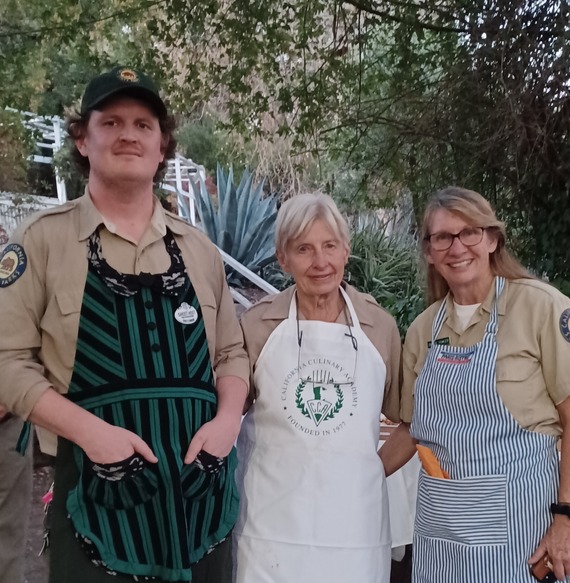 Left to right: Interpreter I Tyler Markley, Park Interpretive Specialist Kathleen Wolcott and Senior Park Aide Denise Fowler from the Bay Area District all looking fantastic in their cooking aprons. Photo from Dee Katson, Sonoma Petaluma Parks Inc.
 Email photos to the WeeklyDigest@parks.ca.gov.
|
|
|
To view current job openings within California State Parks, please visit our jobs webpage at www.LiveTheParksLife.com.
State Parks Job Spotlights and Open Exams
JOB SPOTLIGHTS
State Park Equipment Operator (PI) – Apply by Oct. 16, 2023: Under the general direction of the Park Maintenance Chief II, this position reports to Humboldt Redwoods State Park in Weott, California. You will work throughout the district, performing a full range of duties transporting and operating heavy equipment, including backhoes, graders, excavators, tractors, patch trucks, water trucks, vibratory rollers and dump trucks. If you enjoy maintaining and performing construction of roads, trails and facilities, this may be the job for you. Click here for more information. Click here to take the assessment.
Forester II (Supervisory) – Apply by Oct. 18, 2023: The reporting location for this position is Paso Picacho Campground in Cuyamaca Rancho State Park and under the direction of the Senior Environmental Scientist. As the first-line supervisor for the Colorado Desert District Natural Resources team, you will conduct and lead a broad range of extremely complex and difficult forestry projects, which meet the goals and objectives of State Parks Wildfire and Forest Resilience Program and provide supervision and training to district staff throughout the State Park System and district. Click here for more information.
Park Maintenance Worker I – Apply by Oct. 23, 2023: This position reports to Silverwood Lake State Recreation Area in Hesperia, California, and is directed by Park Maintenance Chief I to perform skilled and semiskilled structural and facility maintenance and repair work to facilities, systems, grounds, roads and trails. You may be required to lead and train a crew of other maintenance employees. It requires a valid Class C driver’s license and a clear background check. Click here for more information. Click here for the assessment.
State Park Peace Officer Supervisor (Lifeguard) – Apply by Dec. 1, 2023: Located in the Ventura Sector Office, this position reports to the State Park Superintendent II. The duties of this position include aquatic response; patrol for the protection of visitors, employees and park resources; interpretation; and public assistance. This is a supervisory position that provides leadership and guidance for seasonal personnel and oversight over the Junior Lifeguard program by working with the State Park Interpreter II, who coordinates the program. Click here for more information. Click here to take the assessment.
Historical Guide Trainee (Seasonal) – Apply by Jan. 12, 2024: The primary reporting location for this position is the State Capitol Museum located in the California State Capitol building in Sacramento and will work under the direction of the Guide II. This position is responsible for guiding tours, providing visitor services, setting up and monitoring special events and interpretation of the California State Capitol (which represents a blend of California’s past, present, and future). Click here for more information.
State Park Interpreter I, II, III – Apply-by dates vary: There are many vacant positions located throughout the state that need someone to plan park events, report and maintain interpretive statistics, assist in training staff and volunteers in interpretive methods and techniques, and help with interpretive program oversight and planning, including school programs and tours. Click here for more information. Click here to take the assessment.
Guide I, Historical Monument (Oct. 15, 2023): As a Guide I, you will lead tours for park visitors at places like Hearst Castle or other California State Parks historical monuments. If you have one year of experience in presenting to the public, apply to take the Guide I, Historical Monument, assessment. Click here for more information.
Park Maintenance Supervisor – Continuous (Oct. 20, 2023): Facilities and Maintenance staff play a crucial role to help keep California state parks clean and safe to preserve our natural, cultural and historical resources for generations of park visitors. Campsites, trails, visitor centers, museums, roads, water systems and restrooms are all essential in meeting the demands of protecting resources, educating the public and enabling recreation. State Parks provides maintenance services at all 280 state parks throughout the state. Click here for more information. Click here to take the assessment.
Restoration Work Specialist – Continuous (Nov. 15, 2023): If you like carpentry, masonry and other tasks in connection with the restoration, preservation and stabilization of historic buildings and sites by checking on shoring and bracing for new foundations under old brick, adobe and wood frame buildings, then you are in luck, as the exam is right around the corner. Click here for more information.
Communications Operator – Continuous: California State Parks Communications Operators are emergency dispatchers who monitor emergency communications systems, answer calls for service, log incidents and dispatch field units to emergencies. Apply to take the Communications Operator assessment today and begin your State Parks career in this exciting and rewarding opportunity. Click here for more information.
EMPLOYMENT TIP: Before beginning your job search, it is helpful to create a plan. Setting goals, such as the number of jobs to apply for per week, a set number of hours spent on job research each day and creating a deadline for improving your resume and cover letter, are all extremely helpful. Check out the Indeed.com article "8 Simple Ways to Organize Your Job Search" to learn more.
If you have any questions regarding these opportunities, connect with us at Recruiting@parks.ca.gov. We’re happy to help!
Interested in more jobs and exams like this? Explore www.LiveTheParksLife.com to discover the possibilities.
Join the Parks Jobs mailing list here. We can send you updates on jobs and exams that interest you!
|
|
|
Style time! Here are this week's tips to help spread the word about our departmentwide style guidelines:
-
Indigenous: Uppercase in reference to original inhabitants of a place.
-
CAL FIRE: OK to use on first reference for "California Department of Forestry and Fire Protection."
-
seawater: One word.
Keeping a consistent writing style ensures the Weekly Digest looks and sounds its best. Each week, the Communications and Marketing Division reviews submitted articles for proper grammar and punctuation and style consistency––from capitalization and hyphenation to proper acronyms and active/passive voice usage. In general, we follow the Associated Press style and Merriam-Webster, but at times we use our own department-specific style.
We always welcome your feedback on how to “Live the Parks Life” in (writing) style. Connect with us via email at weeklydigest@parks.ca.gov.
|
|
 Leo Carrillo State Park
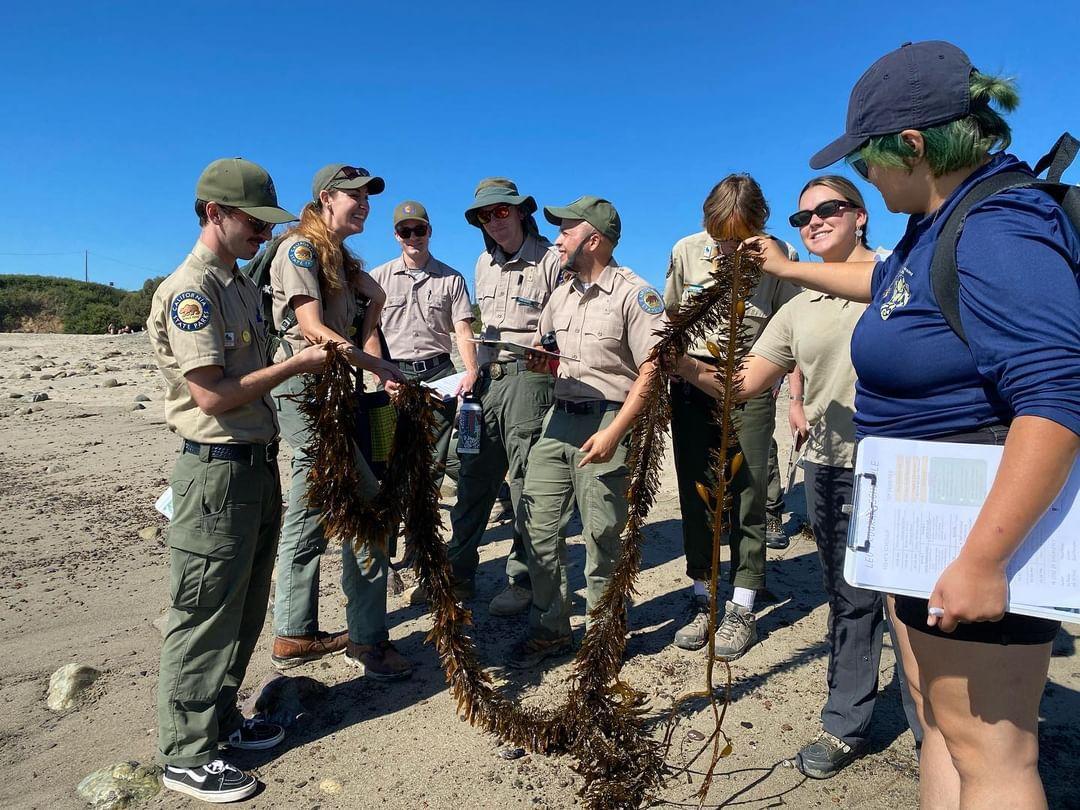
Park Interpreter Ilsa Buelow hosted State Parks staff and two new National Park Service (NPS) interns to learn about tide pools and the school programs we offer from the park. Staff and interns got hands-on with some feather boa kelp, explored the beach and hiked the scenic bluff trail. We are excited to see students back in the park and look forward to exploring it with you.
Left to right: Park Aide Christopher Kohata; State Park Interpreter I Ilsa Buelow; Senior Park Aides Ryan Cole, Jason Perez, Lynnsie Albers and Lindsey Ebner; and NPS intern Genesis Perez.
Photo from Hannah Eaton, Angeles District
 Crystal Cove State Park
The annual Cove Soiree is a fundraising event held in partnership with the Crystal Cove Conservancy, the nonprofit public benefit organization partnered with Crystal Cove State Park.
State Parks Director Armando Quintero (second from left in back row) with the Crystal Cove Conservancy Board of Directors and program leads for the cooperating association and partners.
Photo from Armando Quintero, State Parks Director
 Crystal Cove State Park
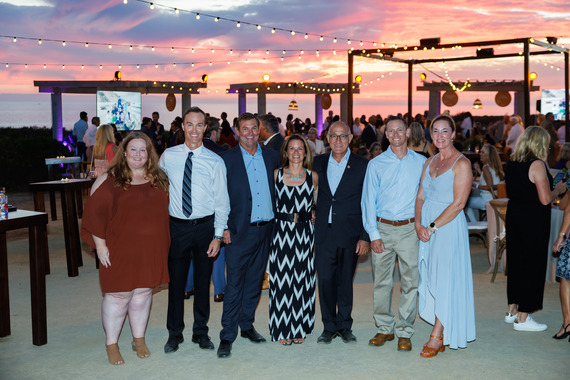
Left to right: Special Event Coordinator Megan Gierhart; District Superintendent Kevin Pearsall; Junior Lifeguard Coordinator Chris Egan and his wife, Vanessa; State Parks Director Armando Quintero; and Lifeguard Supervisor II Paul Andrus and his wife, Samantha, at the 2023 Crystal Cove Conservancy Soiree.
Photo from Crystal Cove Conservancy
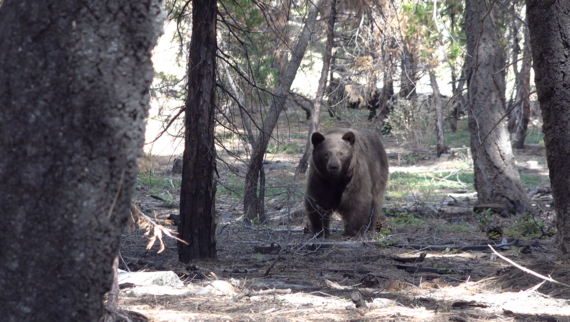
Lake Tahoe Basin
Fall is officially here in Tahoe: The leaves are turning and temperatures are getting chilly. The fall season also means that black bears are on the move, looking to up their fat stores by seeking easy meals in urban areas as well as new real estate for their winter dens. This is a good reminder to everyone living in and visiting bear country this fall to keep your cars locked and bear boxes and crawl spaces secure, and to prune your fruit trees. We want bears to remain wild and den in their natural habitat so that future generations can experience life as a wild bear.
Watch the video above to learn what is going on inside a bear's body during autumn as they prepare for hibernation. This video was produced in partnership with the California Department of Fish and Wildlife, Nevada Department of Wildlife, U.S. Forest Service and the Tahoe Regional Planning Agency. For more information on how to keep Tahoe bears wild, visit TahoeBears.org.
Video from Sarinah Simons, Sierra District
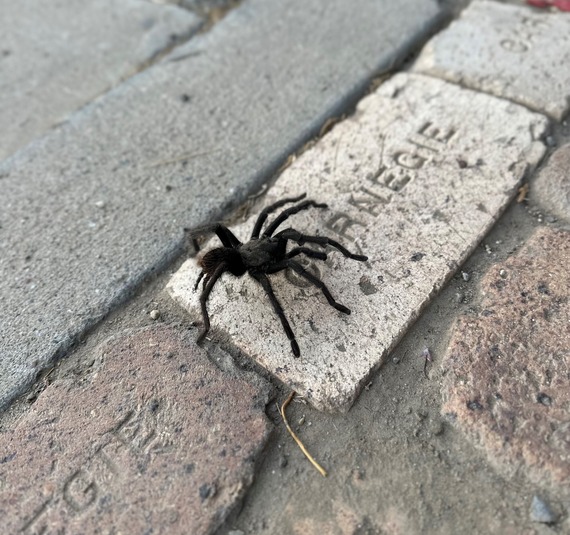 Carnegie State Vehicular Recreation Area
Things are getting spooky at Carnegie, just in time for Halloween. This male tarantula is out on the prowl for a female mate. Male tarantulas mature around six to eight years and will leave their burrows in search of females, never to return. Male tarantulas will meet their end of life shortly after leaving their burrows. Some females will feed on the males after mating, but often males will starve to death. This makes for a scary dating pool!
Photo from Crystal Meleen, Diablo Range District
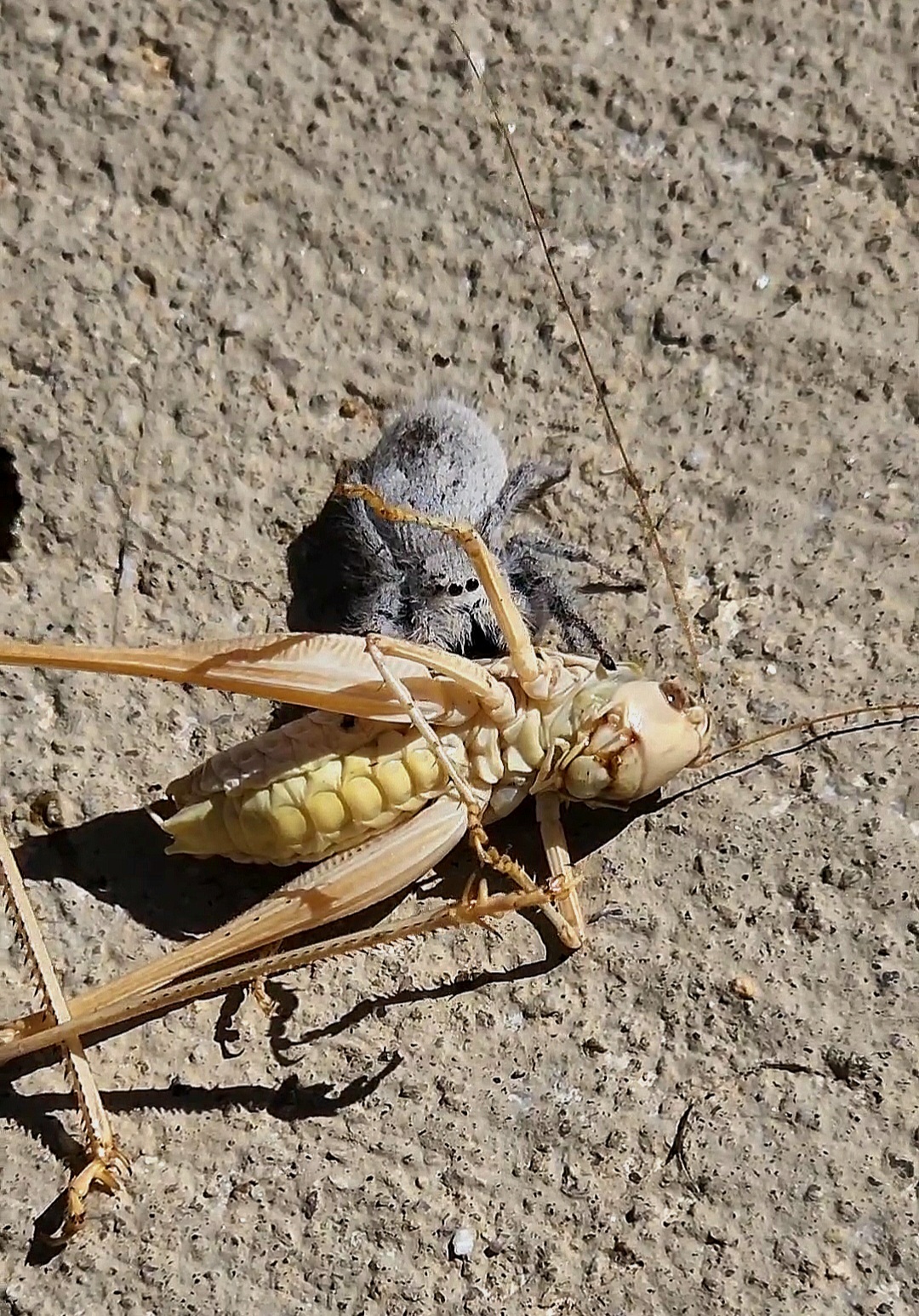 Antelope Valley California Poppy Reserve
State Natural Reserve
Large, grey jumping spider (Phidippus octopunctatus) with equally large grasshopper prey found at the Tehachapi Vista Point.
Photo from Kady Lee, Great Basin District
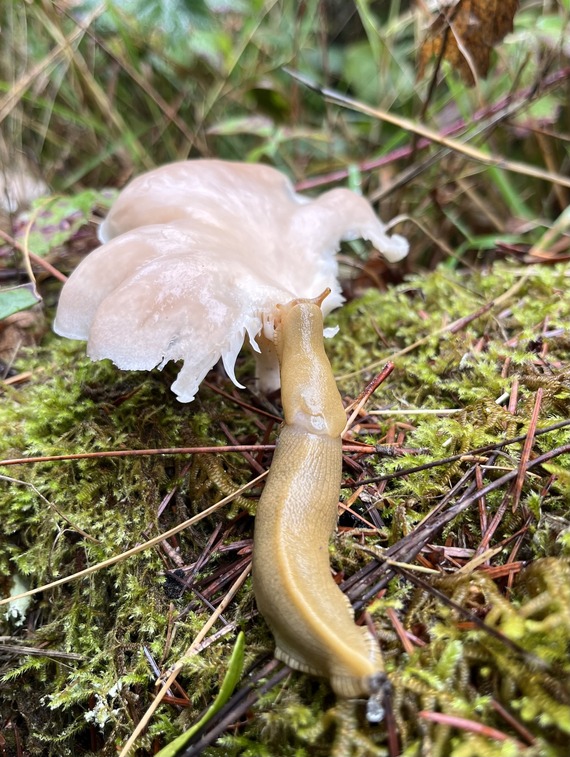 Sue-meg State Park
Lunchtime at the park. A banana slug munching on what is left of an oyster mushroom—both resting on what is left of a fallen red alder. The circle of life on the north coast comes full circle.
Photo from Lisa Davison, North Coast Redwoods District
 Providence Mountains State Recreation Area
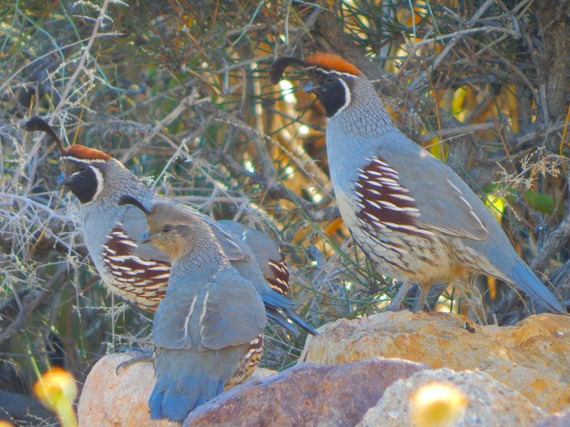
Gambel's quail (Callipepla gambelii) pose for a folk music album cover. This is a rare photo of one of our most skittish birds—usually, the quail scatter if we get within 30 yards.
Photo from Andrew Fitzpatrick, Inland Empire District
 Sue-meg State Park
A spooky cedar tree at sunset.
Photo from Kevin Murphy, San Luis Obispo Coast District
 Sue-meg State Park
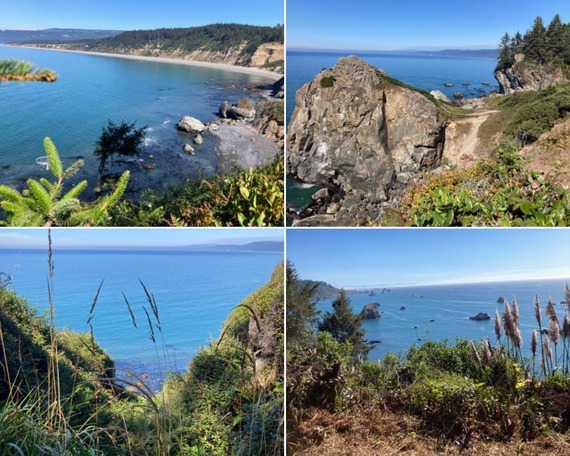
The picturesque view areas when embarking on a hike north to south on Rim Trail.
Photos from Keven Harder, North Coast Redwoods District
 Folsom Lake State Recreation Area
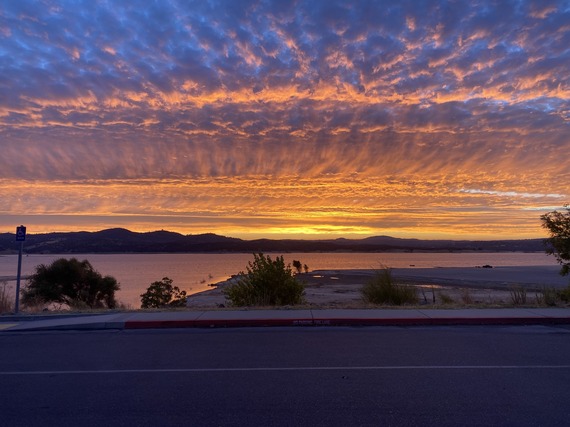
A beautiful sunrise over the lake.
Photo from Gibson Elkins, Gold Fields District
 Email photos to the WeeklyDigest@parks.ca.gov.
|
|
|
Here is a look at upcoming events at parks across the state this weekend and next week:
Saturday, Oct. 14, 2023
-
Solar Eclipse Viewing at the Mission—Santa Cruz Mission State Historic Park at 9 a.m.: The Santa Cruz Mission will open an hour early to catch the solar eclipse at 9:18 a.m. Join us to make a pinhole camera, view the eclipse (safely!) and talk about how solar and celestial events affected Spanish mission-building plans. Event is free as always. Click here or call (831) 425-5849 for any questions.
Sunday, Oct.15, 2023
-
Orchard Tours—Palomar Mountain State Park at 10 a.m.: Join us for a tour through Palomar Mountain State Park's historic apple orchard. Get a glimpse of these 100-year-old apple trees, learn all about the efforts to preserve the different varieties in the orchard and take home some heritage apples for your own. Park and meet at the entrance of the park, where the wooden park-entrance sign is. Tours are from 10 a.m.-noon. Break an hour for lunch, then tours resume at 1 p.m. and go until 3 p.m. Tours are 30-45 minutes and begin at the top of each hour. Parking in this area is free and the tours are a part of our free programming at the park. Click here for more information.
Thursday, Oct. 19, 2023
-
Día de Los Muertos Historic Altars Tours—Old Town San Diego State Historic Park at 11 a.m. and 2 p.m.: Register at Robinson-Rose Visitor Center prior to the start of the tour; space is limited. Join Old Town San Diego State Historic Park in celebrating lives and legacies of some of Old Town San Diego’s historic families. This 45-minute guided tour through the park will feature multiple altares de muertos (altars of the dead) produced by local artists of significant Old Town San Diego citizens and will share park history along the way. Advance registration is required. Sign-ups will be cut off 30 minutes prior to the start of the tour time selected. If you are unable to attend the day of your tour, please cancel your reservation to allow others off the waiting list. Click here for more information.
For more information about upcoming State Parks events, visit Park Events.
In addition, don’t forget about this Latino Heritage Month event:
-
Sunday, October 15, 10:30 a.m. to 3:30 p.m.: “Castro Adobe Open House: Vaqueros, Bulls and Bears! Oh my!” at Rancho San Andrés Castro State Historic Property in Watsonville, California. State Parks invites the public to tour Castro Adobe. This 90-minute tour is led by docents sharing the history of the Castro family and the two-story adobe hacienda built over 170 years ago. Learn about the vaquero culture and living during the Mexican Rancho Period of California history. Reserve your 90-minute tour of the Castro Adobe at me/CastroAdobeOpenHouse.
You can find a list of all the events celebrating Latino Heritage Month at resources.ca.gov/LatinoHeritageMonth.
|
|
|
Oct. 11, 2023
|
|
|
The Weekly Digest includes a collection of news articles related to the
California Department of Parks and Recreation. The views expressed and opinions do not always reflect that of the department.
To view this week's News Clips, please visit www.parks.ca.gov/NewsClips.
 Weekly Digest Article and Photo Submissions
If you have an article or photo you would like to submit for the Weekly Digest, please send your entries via email to WeeklyDigest@parks.ca.gov.
For an article submission, please include:
- Author’s name and division/district.
- All relevant information (e.g., headline, park name, dates, name of event, individuals’ full names and titles, etc.).
Articles should be no longer than 300 words.
For photos, please include:
- Photo credit info and captions.
- Photo release forms should be kept on file for non-employees or volunteers.
Unless otherwise noted, all photos included in the Weekly Digest are courtesy of the California Department of Parks and Recreation.
The deadline for Weekly Digest submissions is close of business Thursday. For more information, email WeeklyDigest@parks.ca.gov.
|
|
|
|
|