WATER QUALITY IMPROVEMENTS

Storm Preparation Tips to Get Ahead of the Rainy Season
Our rainy season (October 1st through April 30th) is approaching and the National Oceanic and Atmospheric Administration (NOAA) is forecasting a greater than 90% chance of a very strong El Niño during fall and winter 2026–27. This is an important reminder for County residents of the actions you can take to prevent polluted stormwater runoff from leaving your properties and entering our streets, storm drains, and ultimately our waterways. Stormwater runoff can carry pollutants, such as trash, yard waste, pet waste, garden chemicals (pesticides, herbicides, and fertilizers), automobile maintenance fluids (oil, detergents), and more. Pollutants that are not properly contained or disposed of can easily flow untreated into our waterways through the storm drain system if we aren’t careful. This degrades our water quality, harms aquatic life, and poses a public health concern.
|
Before the rain begins, do a general inspection of your home and property to check for ways that can prevent pollutants from coming into contact with rain runoff and entering our storm drain system. Some good practices include:
- Clear leaves, sediment, and debris from gutters, drains, ditches, and culverts around your property. Remove trash and sediment deposits from accumulating in areas near storm drain inlets.
- Collect and dispose of waste into appropriate trash, recyclable, and green waste containers. Secure lids on waste containers to reduce “fly-away” litter and prevent spills. Keep them closed when not in use.
- Pick up pet waste and dispose of it in your covered trash bin. Make it a point to clean up pet waste at least weekly and just before a predicted rainstorm. For rural properties particularly, it’s important to pick up pet waste in areas close to water sources such as creeks, streams, or lakes, and on slopes to prevent it from being carried downstream by runoff.
- Clean up spills that have accumulated from automobile fluids Use dry clean-up methods, such as sweeping, wiping, or vacuuming, which don’t involve the use of water.
- Cover and berm soil, dirt, gravel, landscaping materials, and other outdoor stockpiles. Protect them from stormwater runoff by using a temporary perimeter of sandbags, gravel bags, or straw barriers.
- Inspect slopes and drainage paths for signs of erosion or blockage. Stabilize exposed soil and erosion-prone areas with vegetation, mulch, rock, fiber rolls, or other appropriate best management practices (BMPs). Inspect and repair erosion-control materials before and after each storm.
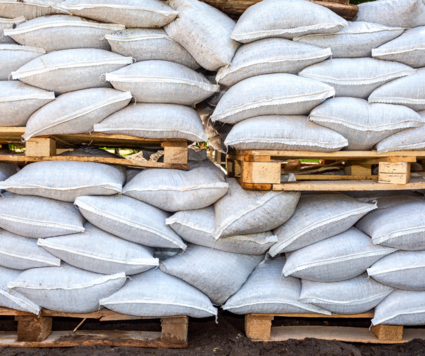
- Have sandbags, gravel bags, and straw wattles handy for emergency erosion control. The County provides free sand and sandbags to residents (and businesses) to protect their property. Be sure to call the location ahead of time for hours of operation and sandbag availability. Watch this instructional video You’ve Got Your Sandbags, Now What? to install your sandbags properly.
- Wait at least 48 hours before and after rain events before applying pesticides, herbicides or fertilizers. Only apply insecticides more than 100 feet from water bodies.
- Watch your property for irrigation runoff and repair leaking or broken sprinklers. As rain approaches, modify the irrigation schedule and adjust sprinkler heads so they don’t spray onto streets and sidewalks.
The County of San Diego reminds residents that all sources of pollution are prohibited from leaving your property and entering streets or storm drains. Only rainwater is allowed in the streets and storm drains. Check out additional Storm Preparedness Resources for residents, business facilities, equine properties, and construction sites here.
|