WATER QUALITY IMPROVEMENTS

Protecting Our Waterways: Proper Handling Tips for RV and Septic Wastewater
Welcome to our new Stormwater Pollution Prevention Monthly Bulletin! This month’s water quality improvement topic is RV and Septic Wastewater Pollution Prevention, followed by select County-sponsored Stormwater Pollution Prevention and Waste Reduction Events held during the month of July 2026.
RV season is in full swing, which means now is a great time to be mindful of the impact that pollutants from recreational activities have on the environment and our watersheds. If not disposed of properly, RV wastewater can be an environmental hazard and pose a threat to our waterways, aquatic life, and our own human health. RV blackwater (toilet waste) and grey water (shower and sink waste) contain harmful pollutants such as bacteria, parasites, chemicals, detergents, and excess nutrients which can cause toxic algae growth. If RV waste is improperly dumped, contaminants can be carried into our storm drains and eventually reach our waterways without treatment. This can degrade our water quality, harm aquatic life, impact our recreational enjoyment, and even pose a risk to our own health. Thankfully there are simple actions you can take in preventing polluted wastewater from entering our creeks, rivers, and ocean by following these wastewater disposal and maintenance tips below.
|
RV Wastewater Disposal Tips
- Dispose of RV wastewater at a designated RV dump station using the County’s interactive dump station map. Never empty RV wastewater on the ground!
- Secure both ends of the hose before opening the tank valve, keeping an eye on the hose to make sure it stays connected. Be sure to close valves when the tanks aren’t being emptied.
- Rinse any residue or spills toward the dump station inlet pipe (connected to the sewer/septic system).
- Have spill response materials, like absorbent, ready to apply and sweep up — you never know what could happen!
- Keep the County of San Diego’s RV User Guide handy to remind you of proper disposal tips.
Septic System Maintenance Tips
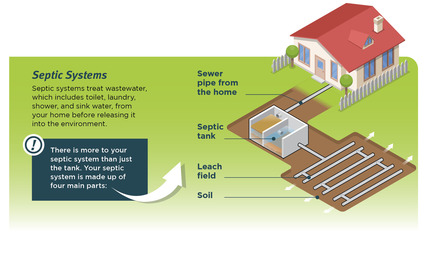
Like RV wastewater, household blackwater and greywater from toilets, laundry, showers, and sinks can also pose an environmental threat if your septic system is not properly maintained. A few key practices to keep in mind on a daily basis for proper maintenance and pollution prevention are to only flush the three P’s (pee, poop, toilet paper), throw other materials (including flushable wipes) in the trash, and let fats, oils or cooking grease cool before placing it in the trash instead of down the drain. The County of San Diego provides a number of resources on their webpage on how to maintain your septic system to prevent failures, as well as information on grey wash water and greywater systems that can be used to irrigate your landscape. Visit the County’s Septic Rebate Program webpage which offers $100 rebates to residents in unincorporated areas of the County to pump their septic tanks.
The County reminds its residents that all sources of pollution are prohibited from leaving your property. Only rainwater is allowed in the streets and storm drains. For other resources and tips to protect our local waterways, visit our Educational Stormwater Resources page.
County-Sponsored Stormwater Pollution Prevention Events – July 2026
Play a role in protecting the County’s waterways from stormwater pollution by attending these pollution-prevention events being offered in July.
I Love a Clean San Diego (ILACSD) – The following Watershed Warriors Events will be offered in July.
|