WATER QUALITY IMPROVEMENTS
Pool, Spa, and Fountain Pollution Prevention Practices 🏊🏼🥽🌞🤽
Swimming pools, spas, and decorative fountains are part of the San Diego lifestyle. But, they must be maintained properly to ensure that they don’t harm our waterways and aquatic life. While many pools and water features are plumbed to allow drainage directly to the sanitary sewer (which is treated), the pollutants collected by them can easily enter our storm drain system (which is not treated) through improper drainage and discharge practices. Typical pollutants include chlorinated water, algicides and other chemicals, yard debris, backwash water, and filter waste.
Pool leaks also contribute to water pollution through runoff pollution and soil erosion. Water from rainfall or irrigation practices that runs off lawns and driveways can carry common household pollutants like trash and yard waste, pet waste, fertilizers, pesticides, and automobile fluids into our storm drains.
Since water in storm drains is NOT treated, the County recommends that residents take the following precautions below to protect our waterways. As a reminder, releasing pollutants directly or indirectly into the storm drain system is a violation of the County’s Watershed Protection Ordinance (WPO). Only clean rainwater is allowed in the streets and storm drains.
|
Maintenance Practices
-
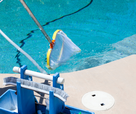
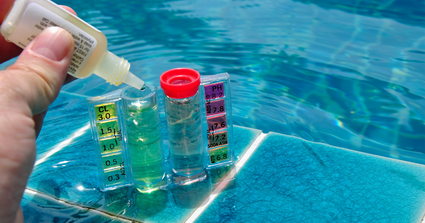
Clean your pool, spa, and fountain regularly. Maintain consistent and adequate chlorine or bromine levels, monitor pH levels, and maintain your filtration and circulation systems. Empty the skimmer basket on a weekly basis. Skimmers help maintain clean water by drawing in water from the surface of the pool, where most pollutants including debris, body lotions, and sunscreen are found. Use a rake, pool net or vacuum to clean out debris such as leaves, twigs, and branches that have fallen to the bottom of the pool. Sweep up debris that accumulates around the perimeter of your water features to prevent it from entering the water.
-
Follow manufacturer’s instructions for all pool chemicals. Dispose of unwanted chemicals at local Household Hazardous Waste (HHW) facilities.
-
Address chemical spills immediately. If you experience a non-liquid pool chemical spill, sweep it up and then dispose of it as solid waste. For liquid spills, apply an absorbent like cat litter first, then dispose of it as solid waste. Never wash spilled chemicals into the storm drain.
-
Check for leaks. Not only do leaks waste water, they can also contribute to soil erosion and runoff pollution. Additionally, they can corrode copper pool piping which is a dangerous pollutant for fish and other aquatic life.
Drainage and Discharge Practices – The primary pollutant of concern in pool water is chlorine used as a disinfectant. This water, if discharged into the storm drain system, can impact our water quality and be toxic to aquatic life.
-
Drain water to a landscaped or rocky area that will not cause soil erosion or runoff to a storm drain. When draining water to a landscaped area, cover any landscape drains to prevent water from reaching the storm drain system.
-
Discharge water waste thoughtfully. Discharge chlorinated or treated water into the sanitary sewer system to ensure that the chemicals used in pools, spas, and fountains do not enter our storm drains. Discharging swimming pool, spa, and fountain water to a storm drain can only be done if the water is dechlorinated (reduced to less than 1 part per million of chlorine or bromine), has a pH in the 7.2-8 range, and has no algae or suspended solids. Saltwater pools are prohibited from draining into our storm drains.
-
Rinse pool filters over an area that will absorb the discharge. Good options include landscaped areas, vegetated hillsides, or planter boxes. Never discharge pool filter rinse water, filter waste, backwash, or filtrate materials (diatomaceous earth, sand, etc.) to the storm drain or clean a filter in the street or near a storm drain. Instead, collect materials on filter cloth and throw the filter cloth away.
-
Reach out to your local stormwater department for specific guidance on discharge regulations since regulations can vary slightly depending on whether you live in unincorporated San Diego or an incorporated city, like the City of San Diego.
The County thanks its residents (and pool contractors) for your actions in protecting our waterways through responsible pool maintenance and discharge practices. To report a pool, spa, or fountain discharge concern, call the County Storm Drain Pollution Hotline at: 1(888) 846-0800 or e-mail us at watersheds@sdcounty.ca.gov.
*Note: Beginning in July 2026, this stand-alone monthly Water Quality Improvement Topic Bulletin will transition to a combined Topical and Stormwater Pollution Prevention Events Bulletin. The new monthly format will focus on educating residents and businesses on various Water Quality Improvement Topics as well as select County-sponsored Stormwater Pollution Prevention Events.
|