WATER QUALITY IMPROVEMENTS

Our Community at Work: Protecting Our Waterways 🌊🫶🏼🌎
San Diego residents have shown their love for our community time and time again. Whether donating to local charities, volunteering time in the community, or performing neighborly acts of service, we’ve seen YOU in action! It’s no surprise that you also all come together to protect our environment and preserve the beauty of our waterways. From businesses that recycle office waste to households that commit to participating in community cleanups, we all play a role in keeping our communities and waterways safe, healthy, and clean.
Stormwater pollution is one of the key issues our county faces. If not properly managed, common pollutants such as trash, automobile fluids, pet waste, soil, and sediment, can flow untreated through our storm drain system. These pollutants can harm aquatic life and our own health, clog the storm drain system causing local flooding, and impact our recreational enjoyment. Fortunately, there are many ways our businesses, schools, and households can come together in preventing stormwater pollution and preserving our waterways for years to come! Show your love for your community this Valentine’s Day and throughout the year by following these pollution prevention tips.
|
Businesses
Outdoor Tips – Due to their high potential for contact with runoff, it’s critical that outdoor pollutants like soil and landscape materials, trash, grease, and oil are properly contained or disposed of before they have a chance to reach our storm drains. Key outdoor tips include:
-
Elevate and cover materials stored outdoors to prevent them from coming into contact with stormwater runoff. Use tarps to cover stockpiles of soil, mulch, or other materials.
-
Inspect grounds routinely for trash and spills that require immediate cleanup. Pay particular attention to parking and fueling areas for pollutants such as oil, fuel, and grease that can accumulate. Clean up substances and spills immediately using dry clean-up methods (sweeping, wiping, or vacuuming) which don’t involve the use of water.
-
Keep trash and dumpster areas clean. Sweep up around trash can and dumpster areas. Keep lids closed at all times to reduce fly-away litter and keep rainwater and wildlife out.
Indoor Tips – Indoor pollutants such as office and food waste can make their way to our landfills and pollute our waterways if they are not properly contained, stored, or disposed of.
-
Reduce, recycle, and reuse office waste. Copy and print double sided or stick to electronic documents. Recycle outdated forms or scrap paper into note pads. Choose products with less packaging and containers that can be re-filled. Reuse business packaging materials and encourage customers to reduce waste by reusing containers.
-
Recycle and/or donate organic food waste. Food is the largest stream of materials in American trash and businesses are required to recycle their organic waste (State Law AB 1826). Options include onsite composting, donating extra food to feed people or animals, self-hauling organic waste for organic recycling, or subscribing to an organic waste recycling service. Manage food waste by conducting food waste audits, tracking wasted food, and adjusting food inventories.
Schools/Youth Groups
-
Educate students on the importance of pollution prevention and waste reduction. Local programs such as the County’s award-winning Poo Points Program engage youth groups in teaching neighbors, friends, and family about the impact of pet waste on our waterways. Other activities to educate students include I Love A Clean San Diego’s Campus Cleanup and Trash Can Waste Audits, as well as other County resources for children.
-
Enlist the help of San Diego Master Gardeners to assist teachers in starting and maintaining waterwise gardens at their respective schools. They can also provide classroom curriculum to help teachers enrich students’ knowledge of sustainable landscaping including topics such as waterwise gardening, California native plants, and more.
-
Reduce school food waste by using food scraps to produce reusable compost or feeding leftovers to farm animals in the agricultural department. Establish a ‘Share Table’ for food that kids are not going to eat to share with others who like that food. Conduct student food-waste audits and plan accordingly for the proper headcount per day.
Households – Common household pollutants include bacteria from trash, yard and pet waste, and toxic chemicals from gardening and automotive fluids. Simple everyday actions to prevent pollution include:
-
Irrigation and rainwater runoff carry pollutants to the storm drain system and our waterways. Inspect your irrigation system for misaligned or broken sprinklers. If you find any, fix them immediately. Adjust any misaligned sprinkler heads to spray only on your landscape and not on driveways, streets, or sidewalks.
-
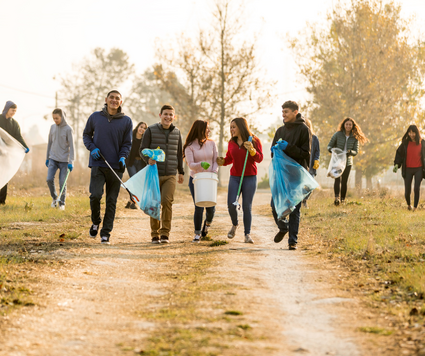
Trash, yard, and pet waste. Keep trash bins covered at all times to prevent fly-away litter. Replace any trash cans that are leaking or deteriorating. Sweep or rake up yard waste (leaves, grass, yard clippings) and put it in the appropriate green waste bin. Pick up pet waste with a bag, tie it shut, and place it in a closed bin. Participate in any of the many monthly community or beach cleanup events throughout the county to make an even greater impact.
-
Household chemicals and automotive fluids. Properly dispose of paint, gardening chemicals, cleaning detergents, and automotive fluids by taking them to a Household Hazardous Waste (HHW) disposal facility. Follow the manufacturer’s instructions when applying pesticides and fertilizers. Fix leaking vehicles as soon as possible or place a drip pan underneath them until they can be fixed. Wash vehicles at a commercial car wash, on a landscaped area, or permeable pavement to allow the ground to filter the water naturally.
-
Reduce household food waste by donating it to local food banks or composting food scraps and spoiled leftovers through backyard composting. Key byproducts of meal preparation include fats, oils, and grease (F.O.G.s) which can also pollute our waterways and clog our sewers if they are washed down our drains. Instead, place F.O.G. waste in your green organics bin.
The County thanks its businesses, educators, and residents for coming together as a community to protect our environment and preserve the beauty of our waterways!
|