WATER QUALITY IMPROVEMENTS
Valuable Water Quality Resources for Your Home and Garden 🌦️🪴
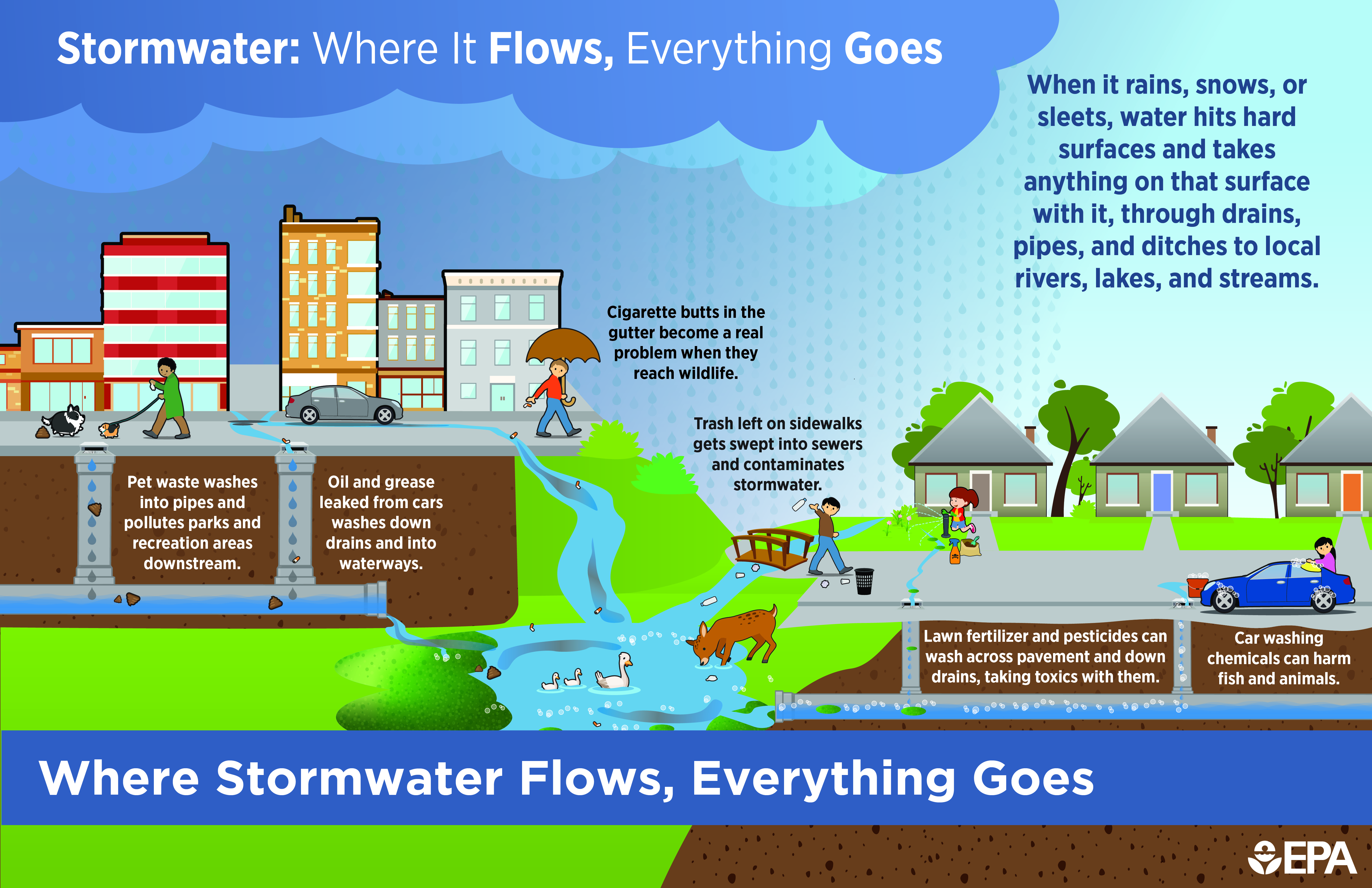
October 1st marked the start of the rainy season here in California. While we appreciate this much-needed rain, we must also remember that along with the rainfall comes the potential for water pollution from stormwater runoff. During a rainstorm, runoff from roofs, sidewalks, and driveways can carry pollutants through our storm drains to our waterways. Some of the most common pollutants found in our County’s watersheds include fertilizers, pesticides, litter, green waste, bacteria from pet waste and sewage, and sediment from soil. Polluted runoff that flows into our storm drains is not treated which can contaminate our waterways. This can kill aquatic life, harm human health, and interfere with our ability to enjoy recreational water activities.
|
Impact of Common Runoff Pollutants and Prevention Tips
Pesticides & Fertilizers – Pesticides are designed to kill insects, rodents, weeds, and fungi. They are toxic if they find their way to our surface waters. Fertilizers contain nutrients, like nitrogen and phosphorus, that are beneficial to plants. However, excess nutrients can lead to nutrient pollution and feed algae which grows rapidly on the water surface. This blocks out sunlight for aquatic plants and decreases oxygen levels for fish. Nutrient pollution can also cause harmful algal blooms, which produce toxic chemicals that make animals and people sick.
-
Tips include: Use slow-release or composted organic fertilizers which are less likely to seep into storm drains and enter local waterways. Less toxic alternatives or Integrated Pest Management (IPM) techniques are also less harmful ways to control pests. If pesticides and fertilizers are needed, follow the manufacturers’ instructions and only apply them when conditions are dry and there is little wind.
Bacteria (pet waste and sewage) – When pet waste comes into contact with water (rain, hose water, and sprinklers), bacteria can be carried untreated into our storm drains. RV blackwater (toilet waste) and gray water (shower and sink waste) also contain harmful pollutants such as bacteria, chemicals, detergents, and excess nutrients which can cause toxic algae growth. If not properly disposed of, pet waste and sewage contaminants can be carried into our storm drains and eventually reach our ocean.
-
Tips include: Pick up pet waste in your yard at least once a week. On walks, bag up your pet’s waste and properly dispose of it in designated containers. Dispose of RV black or gray water at designated dump stations. Good sources are the Port of San Diego’s Sanitary Stations & Fuel Docks Map and the California State Parks Southern California Pumpout Map. Report sewage leaks or spills immediately to 888-802-2244. Have spill response materials, like absorbents, ready to apply and sweep up. Keep the County of San Diego’s RV User Guide handy to remind you of proper disposal tips as well as designated dump out stations within San Diego County.
Trash & Green Waste – Trash and green waste that is not properly disposed of can easily be washed into storm drains where it can degrade water quality and harm aquatic life. Besides being unsightly and damaging to the environment, litter, grass clippings, leaves, and tree trimmings can clog the storm drain system, increasing the risk of flooding. Once they settle into water bodies, these materials begin to decompose, absorbing oxygen fish need to survive.
-
Tips include: Throw all trash and recyclables in designated containers and keep the lids closed. Sweep up leaf litter and plant debris and dispose of it in a designated container or compost it. Learn proper recycling tips through the County’s Recycle Right! Or visit Waste Free SD to find out how to dispose or recycle specific items.
Soil & Sediment – Although soil and sediment are natural substances, if allowed to run off of our properties into our waterways, they can negatively affect our water quality and harm aquatic life. Soil pollution is a growing threat to human health since it may be polluted by heavy metals, organic chemicals such as pesticides, biological pathogens, and microplastic particles. Soil and sediment can harm aquatic life by reducing oxygen levels in the water, blocking sunlight that organisms need to live, and inhibiting photosynthesis.
-
Tips include: Sweep your driveway or porch instead of using a hose and dispose of debris in a designated container. Use mulch or gravel in landscaped areas to prevent erosion and save water. Plant trees and drought-tolerant/native shrubs or ground cover on slopes to help keep topsoil in place. This can also help facilitate the soaking of rainwater into the ground and protect our water resources.
Prevent Polluted Runoff Through Rain-Saving Options
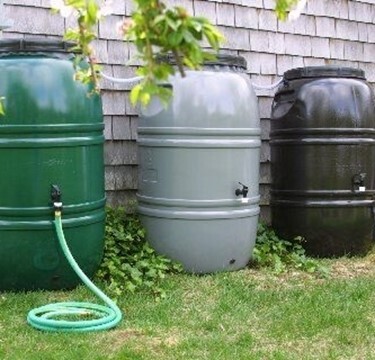
One of the best ways to prevent runoff pollution is to capture rainwater. Not only does it protect our waterways from polluted runoff, but it also irrigates your yard naturally. Learn about the many rain-saving options available through the County of San Diego’s Waterscape Rebate Program. Options include using a rain barrel or cistern to save rainwater for future use, installing rain or rock gardens to soak up rainwater, and installing gutters to better manage rainwater in your yard. Visit the County’s Rain Barrel webpage for more information on rain barrels and the Solana Center of Environmental Innovation for rain barrel purchases.
|