WATER QUALITY IMPROVEMENTS
Easy Watershed-Wise Car Tips 🌊🚗
September 22 is Annual World Car-Free Day! It’s a perfect time to reflect on how we can not only help reduce traffic congestion and prevent air pollution, but also protect one of our most precious resources - water. If we’re not careful, automobile pollutants such as motor oil, cleaning solvents, batteries, and tires, can harm our waterways. If not disposed of properly, they can harm our watersheds by washing into our storm drains that lead directly to our creeks, rivers, bays, and ocean. Unlike our sanitary sewer system, anything that flows through our storm drain system is NOT TREATED and can have harmful effects on our water quality, aquatic life, and even human health.
Use World Car-Free day as a driving force to prevent water pollution today and everyday! Simple actions like performing regular car maintenance, washing your car at a commercial car wash, and properly disposing of car waste can go a long way to prevent stormwater pollution and preserve water quality. Check out these common tips to prevent automotive waste from reaching our storm drain system.
|
Car Care Water Pollution-Prevention Tips
-
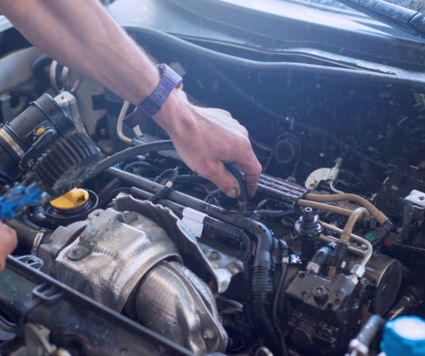
Automotive Fluids and Oil like engine oil, coolants, windshield washer fluids, and more, are considered toxic and a major source of pollution. Check vehicles for fluid leaks, inspect hoses, and make repairs as soon as possible. Also, use a drip pan when changing car fluids and drain oil from the filter. Transfer the oil to a clean container with a tight lid and transport the drained filter in a plastic bag or leak-proof container. Clean up work areas and spills using absorbent materials (such as kitty litter) instead of water. Reduce the frequency of your oil changes by confirming the oil change interval for your particular vehicle at org.
-
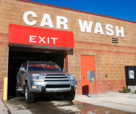
Car Wash Water not only includes cleaning detergents containing high levels of phosphorus leading to nutrient pollution, but also metals like lead, chromium, and zinc. If these pollutants flow into the storm drain system, they can degrade our water quality and harm aquatic life. Whenever possible, use commercial or coin-operated car washes. Not only do they recycle wash water, but they help to prevent runoff from occurring in the first place. You can also wash vehicles on a landscaped area or permeable pavement to allow the ground to filter the water naturally. Make sure to use an automatic shut-off nozzle on your hose to prevent excessive water use and runoff. Use soap sparingly and pour your bucket of soapy water down the sink rather than down the storm drain. See our Mobile Vehicle Washing flyer for pollution-prevention tips specific to mobile vehicle businesses.
-
Batteries and Tires can leak dangerous chemicals into the ground which can harm our waterways. In addition to contributing to water pollution, tires can also create serious health and safety problems. If illegally dumped or improperly stored, tires can serve as breeding grounds for disease-carrying pests like mosquitoes and can become potential fire hazards. If you need to keep tires for home use, store them indoors or covered with a tarp or boards to keep rain out and prevent polluted runoff from reaching our storm drains. Safely store batteries indoors in a cool, dry, and well-ventilated location, ideally on a shelf above the floor.
-
Paints and Solvents contain chemicals that can leach into the environment, potentially contaminating groundwater and surface water sources. This poses risks to aquatic ecosystems and human health. One key thing you can do to prevent water contamination while painting and cleaning your vehicle is to clean vehicle parts manually (scrubbing, brushing, wiping) rather than chemically (using solvents). Additionally, you should substitute less hazardous products such as water or detergent-based solutions for solvent cleaners.
Proper Disposal Options
Use local Household Hazardous Waste (HHW) facilities or County Recycling events to safely dispose of or recycle hazardous automotive waste. Oil and tire recycling services can be found on the County’s Automotive Recycling webpage. To locate a HHW facility near you or for other waste disposal options, visit WasteFreeSD.org. You can also call 1-877-R-1-EARTH (unincorporated residents of San Diego County) or 1-800-237-BLUE (incorporated residents of San Diego County).
For more tips, the County of San Diego’s Automotive Recycling Guide provides a wealth of information for automotive do-it-yourself-ers. This includes proper disposal of automotive pollutants and other helpful automotive maintenance tips to preserve both our waterways and your vehicles. Thank you for doing your part to help San Diego County’s creeks, rivers, bays, and ocean thrive while maintaining your vehicle.
|