WATER QUALITY IMPROVEMENTS

Prepare for the Rainy Season: Business Storm Preparedness Tips
In preparation for the rainy season (October 1st through April 30th), the County of San Diego encourages business owners and operators to begin planning ahead for the upcoming rainy season. Businesses play a key role in preventing pollution from rain events. Runoff from business properties can carry large amounts of pollutants such as oil, solvents, trash, and more. If businesses are not prepared, pollutants that are not contained or properly disposed of can easily flow untreated into our waterways via the storm drain system. This degrades our water quality, harms aquatic life, and poses a public health concern.
Additionally, pollutants like soil, fertilizers and livestock waste can harm aquatic life by causing algae blooms. Heavier pollutants like cement, aggregate, and built-up sediment can cause blockages in our storm drain system resulting in flooding.
The County of San Diego reminds businesses that all sources of pollution are prohibited from leaving your property and entering streets or storm drains. Only rainwater is allowed in the streets and storm drains.
|
Businesses Have the Ability to Control - and Plan Ahead - for What Goes in Our Waterways!
Two of the most significant activities your business can do to prevent stormwater pollution is to conduct regular inspections and establish and monitor Best Management Practices (BMPs). Read on for tips to get a jump-start on the rainy season by getting your business stormwater-ready.
General Inspection Tips
While all inspections should be done on a routine basis, it’s especially critical to inspect and maintain key areas and pollution sources on your business property leading up to the start of the rainy season. Look for areas that need improvement focusing on areas prone to trash build-up or spills, storage areas, and storm drain inlets. Conduct more frequent inspections prior to anticipated rain events.
- Inspect grounds (including fueling and parking areas) for trash, spills, and accumulation of substances. These substances include oil, fuel, and grease. Clean them up immediately using dry methods (which do not involve the use of water) such as sweeping, wiping, vacuuming, or raking.
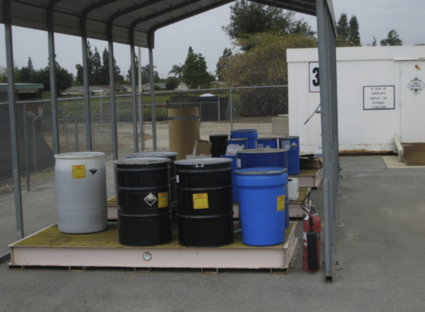
- Materials stored outdoors should be covered and bermed or elevated off the ground to avoid coming into contact with stormwater runoff.
- Clean the rooftops of your buildings to prevent build-up of debris that can wash into the streets or storm drains during rain.
- Inspect and maintain all stormwater structural controls such as catch basins, oil/water separators, sumps, berms, and secondary containment devices to ensure they are working properly.
Refer to the County of San Diego’s Inspect Your Business and General Pollution Prevention flyers for ongoing actions to protect our waterways throughout the year.
Best Management Practices to Ensure Your Business is Stormwater-Ready
BMPs are procedures to prevent or reduce the discharge of pollutants to the storm drain system. It’s essential to establish and monitor these on a regular basis.
Materials Management, Storage and Discharge
- Inspect outdoor storage areas at least once before the rainy season begins in October and quarterly during the rainy season. Ensure outside storage containers are secured in good condition without any leaks.
- Locate all hazardous waste (oil, paints, chemicals, portable sanitary toilets, etc.) areas away from storm drains, place them under cover, and store them in an elevated contained area if possible.
- Keep materials and stockpiles covered (using overhead covers or tarps), bermed, and elevated. Ensure they are a minimum of 50 feet away from concentrated flows of stormwater, drainage conveyance, and storm drain inlets. Protect them from stormwater runoff by using a temporary perimeter of sandbags, gravel bags, or straw barriers. Remove any accumulations of materials such as soils, fertilizer, or potting materials to prevent sediment from escaping.
- Maintain all storage containers and keep containers securely closed when not in use.
- Drain fluids from disabled or stored equipment to prevent leaks and spills. Place drip pans underneath vehicles or equipment to capture fluids.
- Have pet waste, manure containers, and storage areas emptied or picked up regularly to prevent overflowing.
Erosion & Runoff Prevention/Minimization
- Secure significant quantities of eroded soils and protect slopes to prevent soil and sediment from being washed by rains into our storm drain system and waterbodies.
- Have sandbags, gravel bags, silt fences, and straw wattles handy for emergency waterproofing and erosion control.
- Re-route roof downspouts away from work areas and toward pervious areas such as landscapes or contained discharge areas.
Storm Drain/Conveyance Clearing
- Clear vegetation, litter, debris, and built-up sediment around storm drains. Remove sediment deposits over two inches deep and deposits that cover vegetation. Also, trim overgrown vegetation.
Litter & Debris Maintenance and Disposal
- Sweep up dirt, leaves, and clippings on parking lots and paved areas. Remove trash from accumulating in areas near storm drain inlets.
- Close and secure lids on trash cans, dumpsters, and recycle bins to reduce “fly away” litter, prevent spills, and illegal dumping. Have recyclable and reusable materials emptied or picked up to prevent overflowing.
- Clean up debris around dumpster areas. If using a shared dumpster, work with others to keep the area clean and keep lids closed when not in use.
Landscaping & Irrigation Management
- Wait at least 48 hours before and after rain events before applying pesticides or fertilizers. Only apply insecticides more than 100 feet from water bodies.
- Inspect your facility for irrigation runoff and make irrigation repairs to prevent irrigation discharge to the storm drain.
- Modify the irrigation schedule and adjust sprinkler heads to only water vegetated areas to help prevent over-watering and runoff.
Employee Training
- Conduct employee training, at least annually, and keep a written record of the topics covered, date, and employees that attended the annual training. Offer a refresher course prior to the start of the rainy season to ensure employees know how to incorporate stormwater and pollution prevention into their daily routine. Review the County of San Diego’s Stormwater Awareness Training Video here.
- Mark storm inlets on a map and post it in a common work area to ensure your employees know where storm drain inlets are located.
- Train employees to properly use spill clean-up supplies and procedures. If you or an employee discover an illegal waste discharge, clean it up immediately following spill response procedures and provide corrective action training.
The County of San Diego’s Watershed Protection Program thanks our business owners and operators for helping to protect our waterways this rainy season and throughout the year to ensure safe, healthy, and clean water quality for future generations! For even more industry-specific information on what businesses can do to prevent stormwater pollution, check out the County’s WPO Guidance Handbook to Reduce Water Pollution and visit our Educational Resources webpage! Scroll down to our Industrial and Commercial Outreach flyers. Visit our partner Project Clean Water’s YouTube Video Webpage for a variety of Best Management Practices (BMP) videos to help your business prepare for the rainy season and prevent stormwater pollution.
|