WATER QUALITY IMPROVEMENTS
Water-Smart Practices for Pollution Prevention
July is Smart Irrigation Month! There’s no better time than during peak summer months (when outdoor water usage is highest) to focus on water-wise irrigation practices for your landscapes. Not only will you be conserving water and saving money, but you’ll also be helping to prevent irrigation runoff from polluting our waterways. Runoff from over-irrigation can carry pollutants such as pet waste, trash and yard waste, fertilizers, and pesticides to storm drains which can end up untreated in our local waterways and cause harm to our environment. With lawn irrigation accounting for nearly half of homeowner water usage, managing your watering practices can go a long way to help our waterways flourish.
|
Water-Smart Technologies & Maintenance
There are many technologies available (like irrigation controllers, drip irrigation systems, rotating sprinkler nozzles, water pressure regulators) that can save you time from manual watering and help you manage your watering practices. Smart irrigation controllers like weather-based and soil moisture-based sensor controllers can target watering to specific plants or parts of your garden, better tailor watering schedules for landscapes, and reduce overwatering. These allow you to save on your water bills and help prevent runoff from leaving your property. There are many to choose from including Wi-Fi or Bluetooth enabled controllers which allow you to connect to your mobile device. Learn more about how to get the most out of your controller through EPA’s Is Your Controller Under Control? brochure. Take advantage of the variety of irrigation controller rebates! Unincorporated residents of San Diego County can access the Waterscape Rebate Program and incorporated County of San Diego residents can utilize the SoCalWaterSmart Program.
Maintenance is Key
Your irrigation controller is only as good as the sprinkler system it’s connected to. Make sure your system is in working order by following the guidelines of EPA’s Sprinkler Spruce Up Program to properly inspect, connect, direct and select your sprinkler system. Key maintenance tips include:
Smart Irrigation Practices
There are also things you can do to make your irrigation practices smarter. Here are some smart-watering tips to keep runoff from leaving your property and polluting our waterways.
-
Irrigation Schedule Adjustments – Use a watering calculator to receive customized watering schedules for your landscape. Water in short cycles in the early morning or late evening when it’s cooler outside to allow water to absorb into the soil. Avoid watering within 48 hours of a measurable rainfall event. Use the Cycle and Soak method for watering where sprinklers are run in short intervals with breaks in between to allow water to soak into the soil.
-
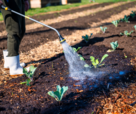
Manual Watering Devices and Methods – Manual watering with devices like portable sprinklers, soaker hoses, and hose-end nozzles can be very efficient at managing water use. These devices allow you to pinpoint individual plants and vary watering times based on plant needs and weather. This makes them effective at saving water and preventing runoff. Only water as fast as the soil can absorb it. Wait for a short period to allow water to soak in and then continue watering for the recommended period. Use hose nozzles with shut-off valves that turn the flow of water off in between waterings. Direct water to plant roots by building basins or furrows of soil around plants. Deeper and less frequent watering is best for most lawns, trees, and shrubs.
-
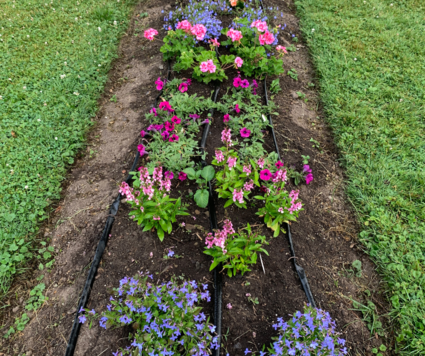
Other Ways to Prevent Runoff – Cut back on fertilizer. The more you fertilize, the more water your plants require. And mulch, mulch, mulch! A layer of mulch on the ground reduces evaporation, conserves water, stabilizes soil temperature, and crowds out weeds.
The County thanks its residents for doing their part to manage their irrigation practices to prevent runoff and water pollution. Learn more about other practices and simple actions you can take to further prevent stormwater pollution prevention through the County’s Watershed Protection Program.
|