WATER QUALITY IMPROVEMENTS

Unexpected Summer Rains: How Businesses Can Get Stormwater-Ready
Even though the official rainy season is over, summer rains can come when you least expect it and they can come quickly! When it rains, flood risk increases and there are more chances for pollutants to enter our waterways. Rainwater can carry large amounts of pollutants like oil, sediment, trash, and more from properties that go untreated to our water bodies. Businesses, If not prepared, can release these pollutants and harm our water bodies. However, businesses that are prepared can lead the way in preventing pollutants from entering our streets, storm drains, and flood channels that ultimately lead to our waterways.
Begin preparing now for those summer rains! Follow these last-minute best practices to better prepare your business for incoming storms and continue to make an impact in helping our waterways flourish.
The County of San Diego reminds businesses that all sources of pollution are prohibited from leaving your property and entering streets or storm drains. Only rainwater is allowed in the streets and storm drains.
|
Pollution Prevention Tips for Unexpected Summer Rains
-
Do a quick inspection for trash, debris, and spills requiring immediate cleanup.
- Sweep up and dispose of debris on the ground into appropriate trash, recyclable, and green waste containers and keep the lids closed. Secure lids on waste containers to prevent spills. Also, keep lids closed when not in use.
- Empty recyclables, trash, and manure containers to prevent overflowing or pre-arrange to have them hauled away.
- Clear vegetation, litter, debris, and built-up sediment around storm drains.
- Clean up spills immediately using dry clean-up methods which don’t involve the use of water. These include sweeping, wiping, or vacuuming to clean up grease spots and fluid spills.
-
Elevate equipment and cover materials stored outdoors to avoid coming into contact with stormwater runoff. Use tarps to cover stockpiles of soil, mulch, or other materials.
-
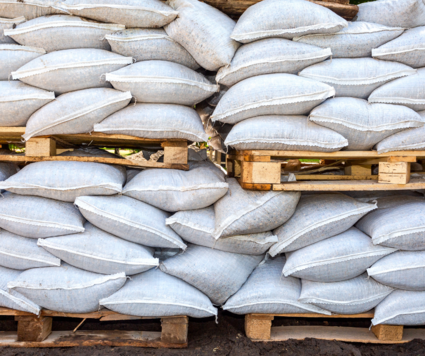
Have sandbags, gravel bags, and straw wattles handy for emergency erosion control. We provide free sand and bags to businesses to protect their property! Call the location ahead of time for hours of operation and sandbag availability. Watch this instructional video You've Got Sandbags, Now What?
-
Turn off your sprinkler system and modify your irrigation schedule to prevent overwatering.
Prepare Now for Erosion and Flooding Prevention
In addition to polluting our waters, these rains can also bring the additional risk of erosion and flooding. It’s important for businesses to do everything they can now to mitigate the potential consequences of heavy rains. Take these steps to prevent erosion, flooding, and sediment pollution.
-
Protect any sloped areas to prevent flooding and sediment from being washed by rain into our storm drain system. If time allows, protect them from stormwater runoff by using temporary barriers like sandbags, straw wattles, and mulch. Learn more through the County’s brochure on how to Protect Your Property Against Flooding .
-
Clear storm drains of vegetation, litter, and built-up sediment to prevent blockages.
-
Ensure your temporary erosion prevention techniques remain in place and are still in working order. Replace or refresh them as needed.
The County of San Diego appreciates everything its business owners and operators do to protect our waterways throughout the year, and for taking precautionary steps in preparing for those unexpected summer rains! Check out Alert San Diego and the County of San Diego’s webpage for other business (and homeowner) emergency preparedness tips on flooding, wildfires, earthquakes, and more.
|