WATER QUALITY IMPROVEMENTS
World Oceans Day Beach & Boating Tips
World Oceans Day is June 8th, a day to celebrate the beauty of our ocean. Ocean activities like going to the beach and boating are a blast, but if we’re not careful, those very activities can produce harmful pollutants found along our beaches and ocean. These pollutants include trash, plastics, boat oil and fuel, and fishing lines. Not only do they impact our water quality and fun, they can also harm aquatic life.
San Diego County residents and businesses do a terrific job keeping our ocean healthy. But to keep enjoying the beach activities we love, it’s our responsibility to keep our community pollution-free! Read on to learn more about the impact of our most common pollutants and what we can continue to do to prevent pollution!
|
Beach Pollutants
Year after year, the most littered items found in local beach cleanups are plastics (bottles and caps, food wrappers, straws, and more) and cigarette butts. These plastic materials create microplastics that contaminate water sources and injure wildlife. Littered cigarette butts cause arsenic to go into our soils and waterways. Birds and aquatic life can be poisoned by these pollutants when they mistake them for food or become entangled in larger items like plastic bags or plastic 6-pack holders. Fortunately, there are simple ways to prevent beach litter from accumulating while still enjoying your beach outing:
-
Gathering the right supplies – Bring reusable drink bottles, beach dishware, straws, and food storage containers to reduce the amount of disposable items. Bring drinks in bulk containers to cut back on single-use soda and water bottles. Replace plastic bags with reusable tote bags to haul your beach items.
-
Containing your trash – Place any beach trash or recyclables into the appropriate bin. Bring any food leftovers back home so you can properly dispose of them in your organic/green waste bin. If you walk away from your beach picnic, secure your items to prevent birds from flying off with your food and leaving trash behind. And while you’re at it, take care of others’ trash by carrying a trash bag and gloves on your beach walk to pick up litter along the way.
-
Being an ocean-friendly pet owner – Always clean up after pets and dispose of pet waste in the appropriate trash or pet waste bin. If pet waste is left on the ground, bacteria can wash into the ocean where it can result in beach closures and get surfers sick.
-
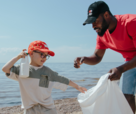
Plan a beach cleanup – Arrange a family or group beach cleanup using the World Ocean Day Cleanup Guide.
Boating Pollutants
As boaters, we love being out on the water! But, boating also comes with the responsibility of safely operating and maintaining our boats to ensure they don’t pollute our waterways. Marine pollutants like oil, fuel, and cleaning detergents can cause damage if we aren’t careful. Also, boat sewage and gray water, if discharged overboard, can cause significant harm as well. Follow these clean and green boating practices to ensure a safe, pollution-free, and enjoyable boating experience.
-
Prevent oil and fuel spills – Oil and fuel, even in very small quantities, can be very harmful to our environment. Conduct regular inspections of your boat engine and repair oil leaks. Control oil discharges by using oil absorbents. For more tips on preventing oil and fuel pollution, check out the California Division of Boating and Waterways Boating Clean & Green oil pollution prevention video and spill-proof fueling practices webpage.
-
Use safer alternatives for cleaning and maintenance – Use safer alternatives to chemical cleaners whenever possible. If you need to use chemical cleaning products, use only the amount you need, not more.
-
Reduce trash and don’t throw anything overboard! – Find ways to reduce the amount of garbage you create while aboard your boat such as removing product packaging at home. Properly stash all trash and fishing line onboard in containers to prevent it from being blown overboard. Bring all trash back to shore for proper disposal and take used fishing line back to recycling bins at your marina or tackle shop. Community groups of all kinds (including kids’ groups) can get involved in California’s ‘Stow it, Don’t Throw It!’ program to build portable fishing line containers. These help people keep hold of their fishing line until they get to a recycling collection site or a secure trash can.
-
Properly dispose of hazardous boating waste – Properly dispose of hazardous boating waste like antifreeze, batteries, used oil, and filters at a household hazardous waste (HHW) disposal facility. To find one near you, check San Diego County’s HHW Collection Center locations, ask your local marina, call (800) CLEANUP, or review the Earth911.com webpage.
-
Keep boat sewage and gray water out of the water – Use shore-side facilities like showers, sinks, and toilets as much as possible. Follow these tips to keep sewage and gray water out of the water. And when handling sewage, remember to Dump at the Pump!
There’s even more we can do – prevention at the source starts with us!
Pollutants that end up on our beaches and in our ocean don’t always come from aquatic activities. About 80% of ocean pollution comes from inland sources like trash that flows through our storm drain system, into our waters, or onto our beaches. Preventing litter from making it to our waterways in the first place is critical to ensuring a cleaner and safer ocean on World Oceans Day and always. Learn more ways to make an impact at the County’s Watershed Protection Program webpage.

|