WATER QUALITY IMPROVEMENTS

Composting and Mulching for Cleaner Waterways
Summer is approaching and more of us are tending to our gardens (April showers bring May flowers)! But did you know that many of our garden activities such as planting, watering, and applying fertilizers and pesticides, can contribute to stormwater pollution if we aren’t careful? Gardening pollutants such as fertilizers, pesticides, sediment, and yard waste can flow untreated into our waterways via the storm drain system. Two of the most helpful things you can do to prevent your garden activities from impacting our water quality are composting and mulching Read on to learn about the benefits of composting and mulching as well as tips to get you started.
|
Benefits of Composting and Mulching
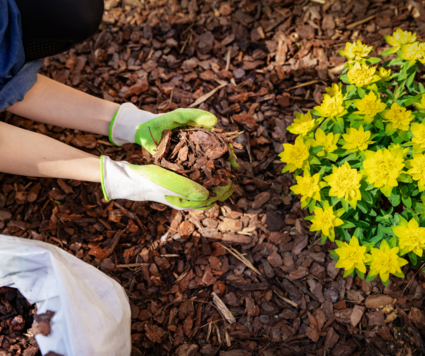
Compost is typically considered a soil amendment and mulch is a soil topping However, both not only beautify your garden, but also help prevent runoff pollution. Here are some of the reasons why they help our gardens and waterways thrive:
-
Increase the soil’s ability to absorb and retain water – Both composting and mulching help soil hold more moisture, which reduces the need for frequent watering. Organic mulch, in particular, acts as a giant sponge by absorbing and holding excess water to help keep water from rainfall and irrigation on site, preventing excess water that can carry pollutants from running off your property and polluting our waterways. The reduction in runoff also minimizes erosion and sediment pollution.
-
Reduce the need for garden chemicals – Compost and organic mulch (natural biodegradable materials) act as natural alternatives to chemical fertilizers. They help keep nutrients in place so they don’t leach out into our waterways causing harm to our aquatic life. Mulching also suppresses weeds and increases resilience to pests, disease, and other environmental stressors, which means less pesticides, herbicides, and fungicides are needed. It can also prevent the spread of diseases by keeping fungus spores in the soil from splashing up and landing on plants, further reducing the need for garden chemicals.
-
Restore soil health – Mulching feeds soil biology as it decomposes, helping to improve soil health and fertility. Compost that has been aged, binds with and helps break down pollutants like pesticides, heavy metals, and solvents preventing harmful substances from flowing untreated into our waterways.
-
Reduce waste – Fifty percent of California’s landfill trash is organic material which can be composted. Not only can composting help to divert waste from landfills, but it can also reduce the impact of climate change through reduced methane gas emissions.
Composting and Mulching Tips and Resources
-
How to Apply – Use this mulch landscape calculator to determine the quantity of mulch you’ll need for your gardening project. When mulching, add 1” of mulch two times a year to a garden, and keep mulch at least 1 to 2” away from the stem or base of each plant to help avoid stem or trunk rot. When composting, add 1-2” of finished compost to your garden and till it 6 – 8” into the soil. Additional composting and mulching fact sheets can be found on California American Water's Water Smart Gardening Website.
-
How to Make/Where to Get – To learn more about backyard composting and the types of materials to include in your backyard compost pile, check out the Solana Center’s Compost It Yourself Guide. Some organic waste materials like meat, bones, and food-soiled paper, are better suited to be collected, and composted through The County of San Diego’s Curbside Organic Waste Recycling Program. This program uses your local waste hauler and commercial composting facilities to haul away green waste and provide finished compost back to residents via compost pickup events.
-
Additional Resources – Check out the County of San Diego’s Recycling Events Webpage for information on upcoming Composting Workshops, Compost Giveaways, or other recycling events. The County’s Yard Trimmings Recycling and Mulch Facility Guide also provides information on proper disposal of yard trimmings, including local composting and mulching facilities.
Find additional information on other gardening and landscaping practices, tips, and resources that can help prevent water pollution through the County of San Diego’s Sustainable Landscape Guidelines and San Diego Water Authority’s eGuide to a WaterSmart Lifestyle. Or attend any of the many Landscaping & Gardening Events held throughout the County.
Thank you for protecting San Diego County’s waterways by utilizing compost and mulch!
|