WATER QUALITY IMPROVEMENTS
Vehicle & Roadside Pollution Prevention Tips
Cars are a big part of our lives in San Diego County—and often a passion for many of us. But, they can also be a key contributor to stormwater pollution if we aren’t careful. Car maintenance activities can generate pollutants such as motor oil, cleaning solvents, and wash water that can harm our environment. Cars are also largely responsible for producing roadside litter. With over 14.8 million vehicles on the road in California, that’s a lot of potential for common roadside pollutants such as litter and abandoned tires, batteries, and car parts to end up polluting our waterways. If automobile pollutants are not contained on site or disposed of properly, they can wash into our storm drains that lead directly to our creeks, rivers, bays, and ocean. Unlike our sanitary sewer system, water that flows through our storm drain system is NOT TREATED and can have harmful effects on our water quality, aquatic life, and even human health.
The good news is that pollution from cars is preventable! Simple actions like performing regular car maintenance, washing your car at a commercial car wash, and preventing trash from escaping from your vehicle can go a long way to prevent stormwater pollution and preserve water quality. Check out these vehicle pollution prevention tips below.
|
Click to edit this placeholder text.
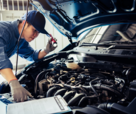
Automotive Waste can include used engine oil, antifreeze, windshield washer, and other toxic automobile fluids. Reduce the frequency of your oil changes by confirming the oil change interval for your particular vehicle at CheckYourNumber.org. Check vehicles for fluid leaks, inspect hoses, and make repairs as soon as possible. Also, use a drip pan when changing car fluids and clean up work areas and spills using absorbent materials (such as kitty litter) instead of water. Lastly, properly dispose of used motor oil/filters and other toxic automobile fluids at a local Household Hazardous Waste (HHW) Facility or a County Recycling Event. To locate a HHW facility near you or for other waste disposal options, visit WasteFreeSD.org. You can also call 1-877-R-1-EARTH (unincorporated residents of San Diego County) or 1-800-237-BLUE (incorporated residents of San Diego County).
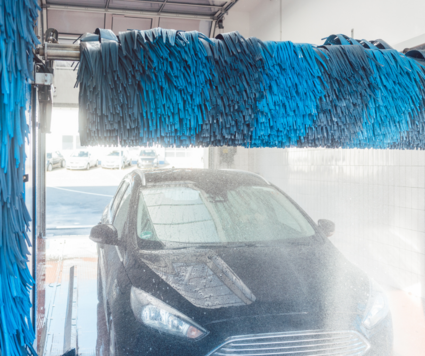
Car Wash Water not only includes cleaning detergents and dirty water, but also metals like lead, chromium, and zinc. If these pollutants flow into the storm drain system, they can degrade our water quality and harm aquatic life. Whenever possible, use commercial or coin-operated car washes. Not only do they recycle wash water, but they also help to prevent runoff from occurring in the first place. You can also wash vehicles on a landscaped area or permeable pavement to allow the ground to filter the water naturally. Use soap sparingly and pour your bucket of soapy water down the sink. Learn more tips about how to wisely wash your vehicle through Project Clean Water’s From Suds to Shores – Wash Your Car Wisely Campaign.
Roadside Litter and Abandoned Waste. Each year the County of San Diego Department of Public Work’s crews remove more than 1,300 tons of litter along County-maintained roadways. Vehicle trash and parts are key contributors to roadside litter and abandoned waste. They include flyaway litter from truck beds and open windows as well as larger abandoned items such as tires, batteries, and automobile parts. Not only are these pollutants hazardous when dumped in canyons, along riverbeds, and roadsides, but they can leak dangerous chemicals into the ground which can harm our waterways. Prevent roadside litter by tying down and covering loads in truck beds and having trash bags readily available in your vehicle to collect garbage. Be careful when getting in and out of vehicles to prevent litter from falling out of your car. Watch the Port of San Diego’s Tips for Traveling with Trash Video for a fun way to learn more. Keep larger automotive items like tires, floor mats, and batteries off the streets and out of our waterways by properly disposing of them using WasteFreeSD’s Database. Report illegal dumping of abandoned waste through the County’s Storm Drain Pollution Reporting Tool.
For more tips, the County of San Diego’s Automotive Recycling Guide provides a wealth of information for automotive do-it-yourselfers. This includes proper disposal of automotive pollutants and other helpful automotive maintenance tips to preserve both our waterways and your vehicles. Thank you for doing your part to help San Diego County’s creeks, rivers, bays, and ocean thrive while maintaining your vehicle.
|