RivCo COVID-19 Update - Issued November 27, 2020
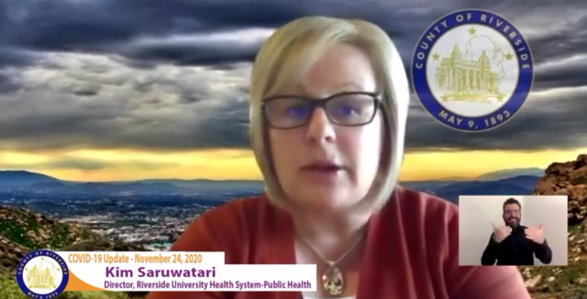  County health officials discussed the latest information on the coronavirus pandemic as part of a livestreamed press conference Tuesday, Nov. 24.
Speakers included: Riverside County Board of Supervisors Chair V. Manuel Perez, Fourth District Supervisor; Dr. Geoffrey Leung, RUHS-Medical Center; and Kim Saruwatari, director of Riverside County Public Health.
Among the messages was the goal of reinforcing preventive measures to slow spread of COVID-19 and the impact that the recent rise in cases could have on local hospitals.
For the latest updates and information on the pandemic, visit www.rivcoph.org/coronavirus
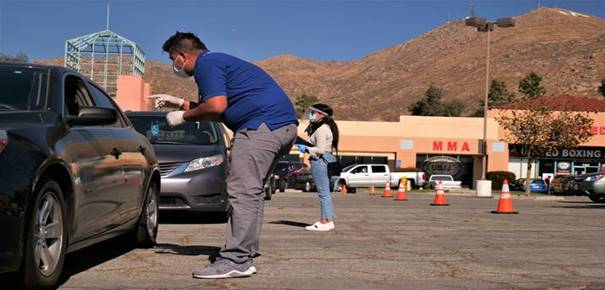 (DPSS staff and partnering organizations celebrate caregivers as they drive-through to receive tokens of appreciation in Moreno Valley on Nov. 19, 2020.)
November is National Family Caregivers Month, a special time to recognize the over 32,000 In-Home Supportive Services (IHSS) workers who serve older and disabled residents throughout Riverside County.
Representatives from the Department of Public Social Services (DPSS) and partnering organizations, such as the United Domestic Workers of America and Office on Aging, celebrated caregivers at two separate drive-through resource fairs held in Indio and Moreno Valley last week.
During both events, nearly 500 IHSS caregivers received personal protective equipment, fresh groceries, and other tokens of appreciation, loaded into open trunks and handed through rolled-down car windows.
The ongoing pandemic required supporters to find a new way to thank these essential workers for their hard work all year long, said Eva Krottmayer, executive director for IHSS Public Authority.
IHSS is a statewide program that provides care to eligible residents to live safely, independently and with dignity in their own homes. Countywide, there are more than 39,000 IHSS recipients.
For those interested in becoming a Riverside County IHSS caregiver, please call (888) 960-4477 or visit RiversideIHSS.org. Phones are answered Monday through Friday, 8 a.m. to 5 p.m., excluding county holidays.
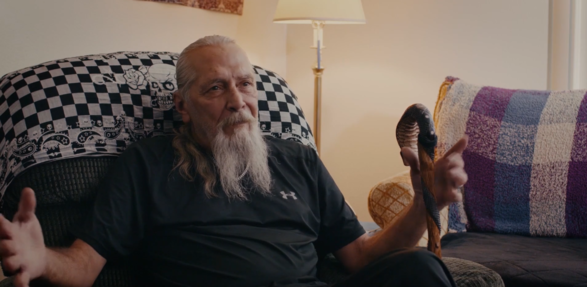 Walter Sherwood is living proof of Riverside County’s dedication to service, especially for our senior veterans.
He was admitted and approved for Project Room Key in March 2020, was placed in a hotel, and assigned a caseworker from Riverside County's Housing Authority.
Three months later, Mr. Sherwood was housed in an apartment and received assistance with obtaining his security deposit, purchasing a new fridge, and furniture for his new apartment.
In collaboration with local community partners, Riverside County has provided emergency housing to more than 700 individuals experiencing homelessness as part of Project Roomkey -- a state-initiative to provide hotel and motel vouchers to seniors, those with chronic medical conditions and expectant mothers.
There is a notable link from emergency housing to permanent housing. Currently, nearly 80 individuals experiencing homelessness have moved from the motels and hotels into permanent housing.
Project Roomkey works to protect high-risk individuals, but to also prevent the spread of COVID in our communities, while ensuring that our hospitals and healthcare systems are able care for residents.
If you are homeless and in need of housing, please call Home Connect at 800-498-8847. You will be connected with a staff member from an agency in Riverside County who will assist you in the process of securing housing.
 As students continue with their online studies, there are things that parents can do to assist with their learning. Check out the following tips from the Centers for Disease Control and Prevention:
Stay in touch with your child’s school
- Review assignments from the school, and help your child establish a reasonable pace for completing the work. You may need to assist your child with turning on devices, reading instructions, and typing answers.
- Communicate challenges to your school. If you face technology or connectivity issues, or if your child is having a hard time completing assignments, let the school know.
Create a flexible schedule and routine for learning at home
- Have consistent bedtimes and get up at the same time, Monday through Friday.
- Structure the day for learning, free time, healthy meals and snacks, and physical activity.
- Allow flexibility in the schedule—it’s okay to adapt based on your day.
- Consider the needs and adjustment required for your child’s age group
- Talk to your child about expectations and how they are adjusting to being at home versus at school.
- Consider ways your child can stay connected with their friends without spending time in person.
Look for ways to make learning fun
- Have hands-on activities, like puzzles, painting, drawing, and making things.
- Independent play can also be used in place of structured learning. Encourage children to build a fort from sheets or practice counting by stacking blocks.
- Practice handwriting and grammar by writing letters to family members. This is a great way to connect and limit face-to-face contact.
- Start a journal with your child to document this time and discuss the shared experience.
- Use audiobooks or see if your local library is hosting virtual or live-streamed reading events.
To learn more about how to ensure your child’s success in the virtual classroom, visit cdc.gov.
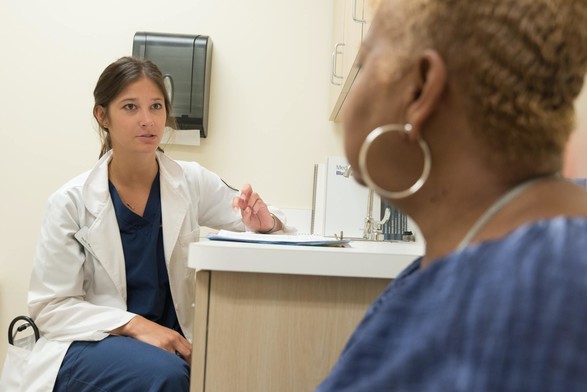 You are not feeling well at all. But you are not quite sure when your symptoms have gone from slight to serious. There are some emergency warning signs for COVID-19. If someone is showing any of these signs, seek emergency medical care immediately:
- Trouble breathing
- Persistent pain or pressure in the chest
- New confusion
- Inability to wake or stay awake
- Bluish lips or face
This list does not include all possible symptoms. Please call your medical provider for any other symptoms that are severe or concerning to you.
Call 911 or call ahead to your local emergency facility: Notify the operator that you are seeking care for someone who has or may have COVID-19.
Learn more here: cdc.gov
With the holiday season upon us, health officials urge residents to continue to wear a mask, wash hands thoroughly and frequently and keep a healthy distance from others.
Read: Health officials urge Riverside County residents to keep gatherings 'smaller, shorter, safer'
If you learn that you have possibly been exposed to someone who has COVID-19, wait five days after you may have been exposed before being tested for the virus.
Testing is available to all, regardless of immigration status, insurance or whether one has symptoms or not.
There is no charge to the individual.
For a map of county and state-operated testing sites and to schedule an appointment, visit https://gettested.ruhealth.org.
 As coronavirus cases rise in Riverside County, it is understandable that anxiety among residents would increase as well.
RUHS Behavioral Health’s Take My Hand program is a live peer chat service that offers an anonymous, online chat environment for individuals to reach out to others and share their feelings and struggles.
No user name, no password, no registration. Just sign in and start chatting.
Peers and staff will offer reminders that your feelings are validated and that you are not alone.
The online chat with a peer support specialist is free and access is available from laptop, phone, table or kiosk.
All chats are anonymous and access to local resources is available with the online resources guide.
Chat and receive support now: TakeMyHand.co.
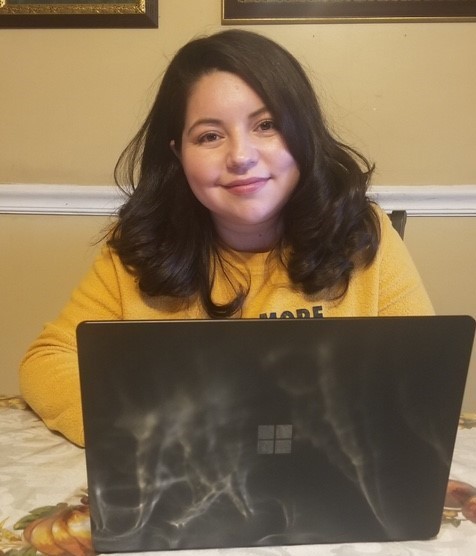
Jessica Medina is a UCR graduate, has worked in social services for 10 years and is now assisting RUHS Public Health in her role as a contact tracer.
“I decided to work as a contact tracer because I am passionate about helping others and wanted to make a difference in the lives of people affected by COVID-19,” Jessica said. “As a Contact Tracer, one of the things I love the most is being able to answer questions, provide people with the right information, and connect them to resources.”
Jessica is a great example of the hundreds of individuals who have stepped forward to join health officials in the effort to slow the spread of coronavirus.
Contract tracing is an important part of helping to slow the spread of coronavirus in our communities.
Do you have a question for our RUHS Public Health contact tracers? Reach out to us at 951.955.5950 or send us an email at CHAWebmaster@ruhealth.org.
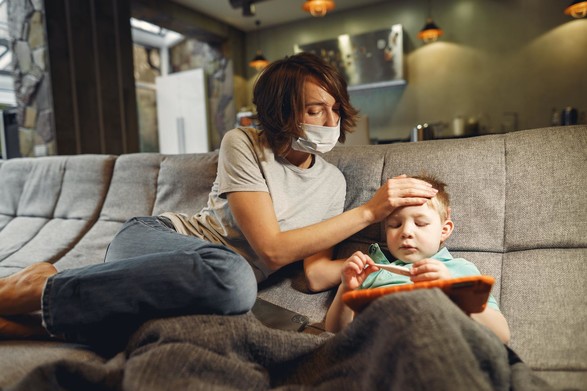 Keep separate bedroom and bathroom for a person who is sick, if possible.
- The person who is sick should stay separated from other people in the home (as much as possible).
- If you have a separate bedroom and bathroom: Wear disposable gloves and only clean the area around the person who is sick when needed, such as when the area is soiled. This will help limit your contact with the person who is sick.
- Caregivers can provide personal cleaning supplies to the person who is sick (if appropriate). Supplies include tissues, paper towels, cleaners, and EPA-registered disinfectant. If they feel up to it, the person who is sick can clean their own space.
- If shared bathroom: The person who is sick should clean and disinfect after each use. If this is not possible, the caregiver should wait as long as possible before cleaning and disinfecting.
For more information, see precautions for household members and caregivers or visit CDC.gov.
|