By: Jacqui Manning, Placer County Office of Emergency Services
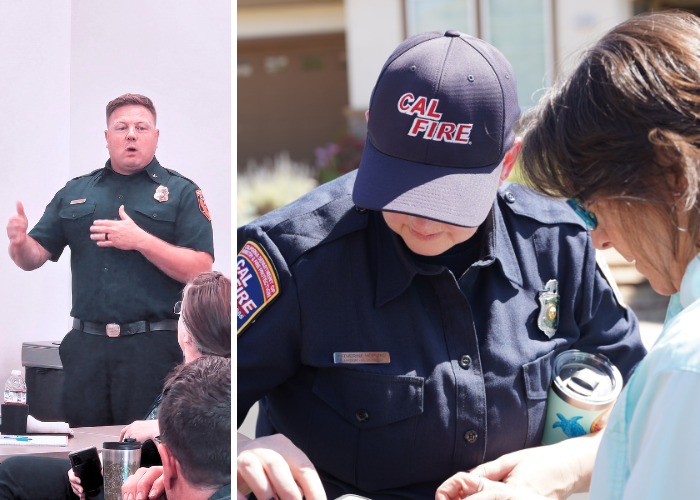
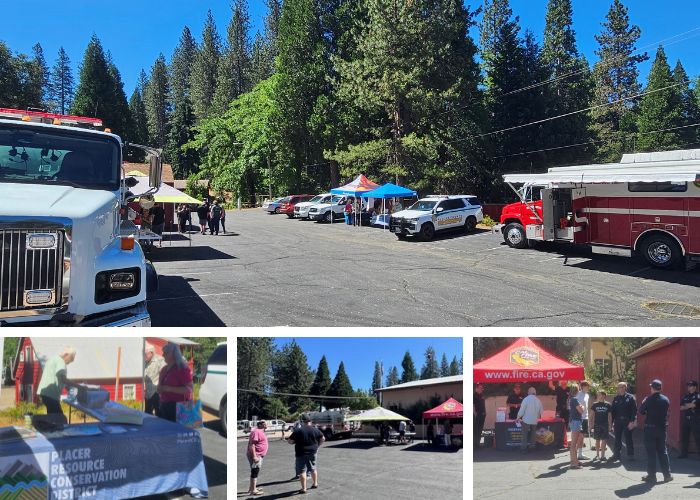
Office of Emergency Services teamed up with partners including CAL FIRE/Placer County Fire, Placer County Sheriff’s Office, Placer Resource Conservation District, Alta Firewise Community, and Frost Hill Firewise Community for a Firewise Community Outreach Event.
The event was well-attended, with community members asking questions about evacuations, emergency notifications, defensible space, and home hardening. They expressed appreciation for the event as it provided important information relevant to their community, all in one place.
By: Greg Zeman, Placer County Office of Emergency Servcices
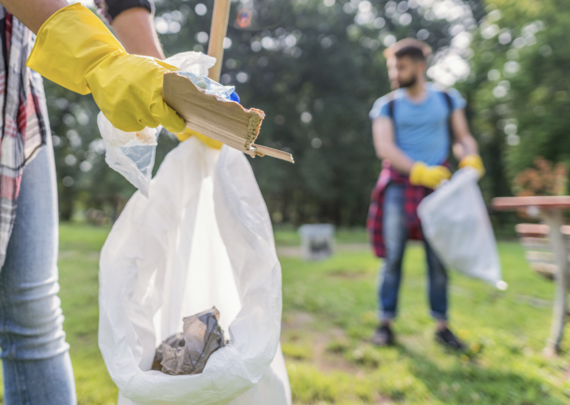
 The Foresthill/Iowa Hill Fire Safe Council didn’t waste any time at its Community Green Waste Day on May 18, which saw the removal of over 100 cubic yards of potentially hazardous organic material in the span of just six hours.
The event was held in Foresthill, but grew out of collaboration between several community stakeholders and agencies, including CAL FIRE, Auburn Recology, Placer County Probation Department, Placer County Public Information Office, the California Conservation Corps, and Placer County Office of Emergency Services, which directly facilitated the event through Fire Safe Council Coordinator, Jacqui Manning.
The event offered a central location for Foresthill residents to drop off their green waste, which was unloaded by the Placer County Probation Department’s Mobile Work Crew and the California Conservation Corps.
The three green waste bins provided by Recology were put to good use during the event: 56 loads were collected from various trucks and trailers, representing a total of 110 cubic yards of potentially hazardous combustible material.
 The event’s success isn’t just reflected in how much was achieved in one day, but also in how it was achieved.
Zachary Alesci, a Staff Services Analyst with Placer OES, which supported and promoted the event, said the fire safety efforts of the Foresthill/Iowa Hill Fire Safe Council signify a singular community accomplishment.
“The Fire Safe Council is unique within our county: It is a group of dedicated volunteers,” he said. “Each community sources volunteers for events from their residents, demonstrating remarkable unity among community members who support one another regardless of their proximity.”
The success of Community Green Waste Day confirmed the need for community based fire safety efforts and reinforced the positive power of Fire Safe Councils.
By: Jacqui Manning, Placer County Office of Emergency Services
May was National Wildfire Preparedness Month and we asked you to tell us how you observed the month.
Grand Oaks Firewise Community did just that. Since early May they have:
- Collaborated with Auburn Fire to train volunteers from their community on maintenance and painting of the 13 community fire hydrants.
- Educated their community on the importance of Zone 0
- Collaborated with Auburn Fire and Union Pacific Railroad to clean up UPRR property that is adjoining to their neighborhood
- Collaborated with Auburn Fire to remind their community that fireworks are prohibited in the City of Auburn.
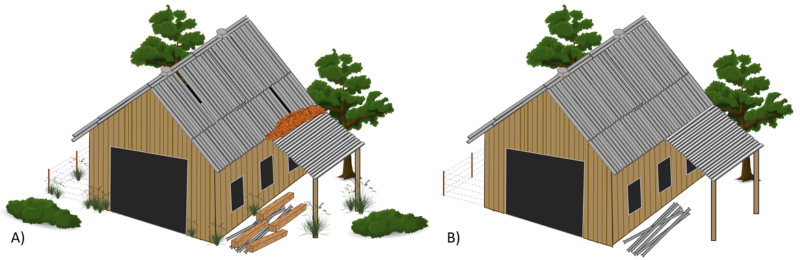 Figure 1: Interpretation of a barn A) before and B) after hardening building components for fire resistance.
By: Katie Low, Statewide Coordinator - UCANR Fire Network
Agricultural infrastructure, including barns, wood fencing, hay and more, has inherent vulnerabilities to wildfire. However, buildings and infrastructure can be designed and maintained to reduce their vulnerability to fire and fire-related damage to agricultural resources. A combination of structure hardening, improving defensible space and implementing landscape-level fuel reduction projects can help buildings and assets survive wildfires.
Structure hardening involves improving or maintaining building components such as roots, gutters, and vents to reduce exposure to flames and embers. Improvements can range from cleaning to replacing structural components.
When assessing your buildings for wildfire preparedness consider:
• Are roofs and gutters clear of debris?
• Are fire-resistant vents installed, or are vents covered with a 1/8th inch mesh screen?
• Can you close windows or large openings during wildfires to prevent embers from entering the building?
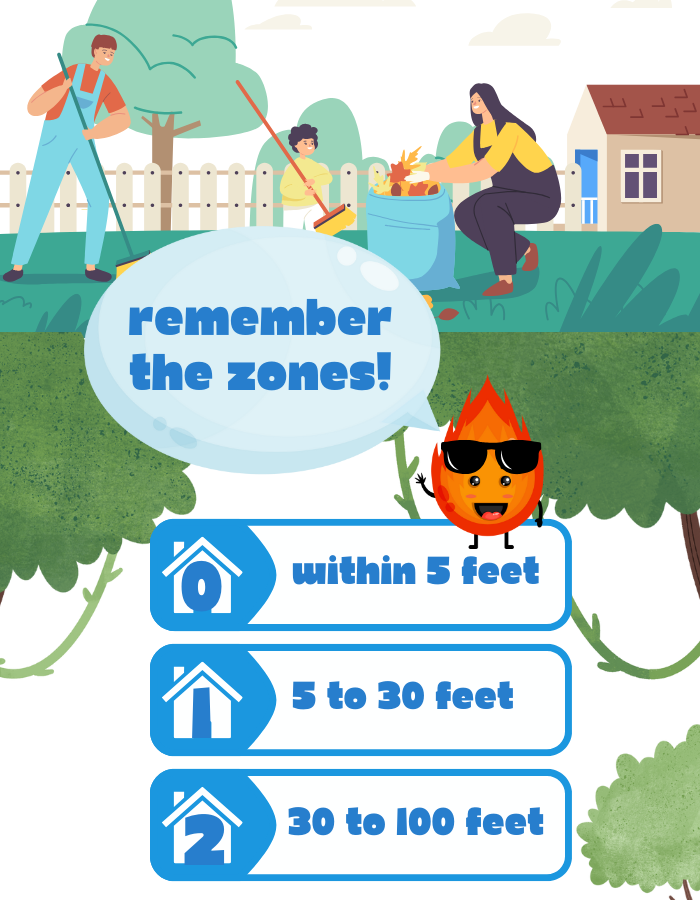 Another key is creating defensible space by reducing vegetation and combustible materials around structures. Eliminating pathways of combustible materials can prevent wildfire from burning directly to structures by reducing the potential for ignition and provide a safe zone for firefighters to defend structures. Landowners can approach defensible space using a three-zone strategy.
Removing combustible materials from Zone 0, which is within 5 feet of structures, is the most critical part of a defensible space strategy. Best practices include removing all vegetation and combustible material around structures, outbuildings, and attached decks or stairs. When assessing Zone 0, consider:
·Is there a combustible gate or fence attached to the structure?
·Are there combustible materials like woodpiles or crates next to structures?
Zone 1, which is 5 feet to 30 feet from structures, emphasizes well-spaced and well-maintained vegetation. Considerations for Zone 1 include:
·Do I need to remove dead vegetation?
·Do I need to prune trees up to 6 to 10 feet from the ground?
Zone 2, which is 30 feet to 100 feet or more, aims to reduce flame heights of an approaching wildfire through well-spaced and well-maintained vegetation. Considerations for Zone 2 include:
·Are trees or groups of trees separated by at least 10 feet?
·Do I need to remove any dead or dying vegetation?
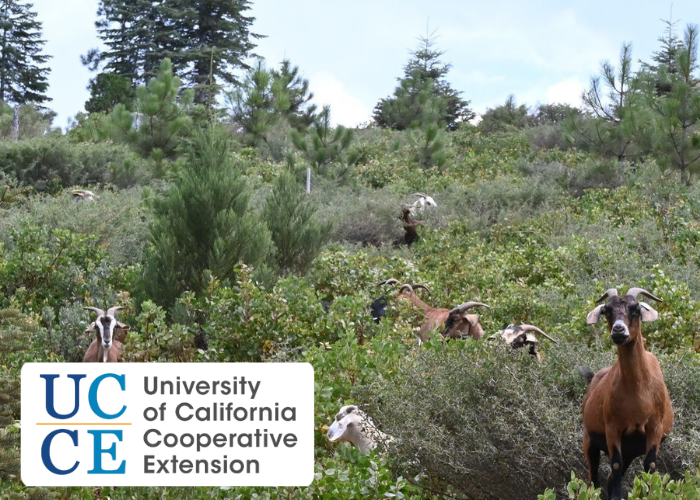
This tour is designed for land managers and owners looking to start utilizing grazing to reduce fire fuels and improve their current grazing program in mixed-conifer forests. This interactive field tour will look at UC’s Blodgett Forest research Station.
- Grazing to reduce fuels and improve land
- Creating a targeted grazing plan
- Selecting a targeted grazer
- Tools to monitor grazing effectiveness
- Case study site visits
- Sheep and goat grazing post fire
- Goat grazing in forestry replanting
- Goat grazing to reduce fire fuels
July 30
10 a.m. – 3:30 p.m.
UC Blodgett Forest Research Station Georgetown, CA 95634
$10 includes lunch and materials.
Learn more: https://ucanr.edu/goats
This educational tour is supported through the Daniel & Sarah Hardy Fund for UC Cooperative Extension Research. For questions, contact UCCE’s Tracy Schohr at tkschohr@ucanr.edu or 916-716-2643.
WHAT IS THE DEFENSIBLE SPACE FUELS REDUCTION PROGRAM?
The goal of this program is to assist vulnerable residents in creating defensible space around their homes and properties to reduce the risk of loss of life and property in the event of a wildfire.
The program offers financial assistance of up to $5,000 per property to eligible property owners in Eastern Placer County who are low income and elderly or disabled to hire a contractor to assist in bringing the property into compliance with the county’s Hazardous Vegetation Ordinance requirements.
WHO IS ELEIGIBLE FOR THE PROGRAM?
To qualify for this program, you must:
• Be a full time resident in Placer County and near Tahoe-Truckee Unified School District
• Have annual income that qualifies you as at or below Low Income (see below table)
• Be age 65 or older OR be permanently disabled
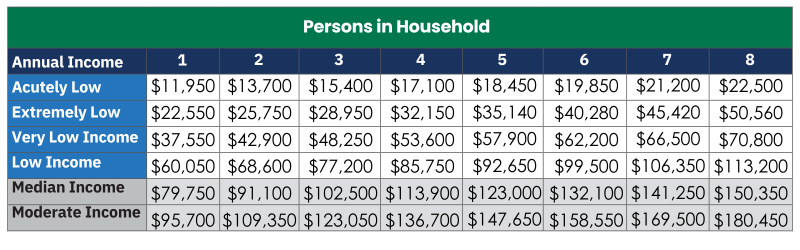 California Department of Housing and Community Development's State and Federal Income Limits, Annual Gross Income Levels Based on Household Size for Placer County can be found HERE.
HOW DO I APPLY?
To be eligible to apply, a resident must first complete a defensible space inspection and be considered out of compliance with the County’s Hazardous Vegetation Ordinance requirements. If a property has already been inspected by a Placer County Code Compliance Officer or an inspector from your local fire district, please reach out to Estelle Maxwell at 530-745-3062 or via email at emaxwell@placer.ca.gov to receive an application. Applications will not be publicly available and will only be provided through the defensible space inspection.
QUESTIONS ABOUT YOUR PROPERTY’S DEFENSIBLE SPACE OR TO REQUEST AN INSPECTION?
Placer County Code Compliance Officer
Estelle Maxwell
530-745-3062 or emaxwell@placer.ca.gov
FOR ALL OTHER QUESTIONS
Zachary Alesci
Placer County Office of Emergency Services 530-886-3473 or fireready@placer.ca.gov
By: Katie Low, Statewide Coordinator - UCANR Fire Network
In 2019, Placer RCD received funding from CAL FIRE to identify barriers to and solutions for increasing the pace and scale of prescribed burning in the region for wildfire resiliency and watershed protection. The results showed that investing in technical assistance, education, and training for private landowners was the most effective way of returning low-intensity fire to the landscape. With additional funding from a variety of sources, Placer RCD created and maintained the Placer Prescribed Burn Association (Placer PBA) and has educated hundreds of community members through technical assistance site visits, educational workshops, and training burns to equip landowners with the skills, knowledge, and confidence to use prescribed fire as a management tool.
To successfully apply for and receive grants, Placer RCD would like to evaluate whether the program is working and how it can work better. Therefore, we're asking for landowners to report on land management work they completed following attendance at our education and training program. Even if you have not completed work on your property or you have not attended a workshop, please fill out the survey - we want to know how the RCD can better serve the community. The RCD is constantly working to secure more funding to improve our wildfire resiliency.
Last year was the first time we distributed a similar survey. In June 2023, we requested landowners information for the 2022/2023 season. Data showed that a total of 47 landowners implemented more than 260 acres of broadcast burning – most of whom reported having very little to no previous fire experience before attending Placer PBA training. The average burn unit size was 5 acres and there were no reports of escapes, injuries, or financial damages. Check out our web map to see last year’s accomplishments.
Please take the survey here. It should take about 15 minutes.
The RCD is dedicated to your privacy. Your identifying data WILL NOT be shared with outside entities. We appreciate your time and feedback! If you have any questions or concerns about the content of this questionnaire, the results, or how we're using this data, please email Cordi Craig directly at cordi@placerrcd.org.
|