Help Me Grow LA helps families find services that can support their child's development. Call (833) 903-3972 or visit HelpMeGrowLA.org.
Help Me Grow LA is committed to keeping the public informed about resources offered by service organizations in the County and is sending this message for information purposes only. It does not imply the County or Help Me Grow LA's endorsement or approval. For more information about the content of this message, please contact the original source of the information or event.
HMG LA services are free for all families in Los Angeles County regardless of immigration status. We value inclusivity by providing support and resources in your preferred language.
Please call (833) 903-3972 or visit our website at HelpMeGrowLA.org.
Please help us to share this important information.

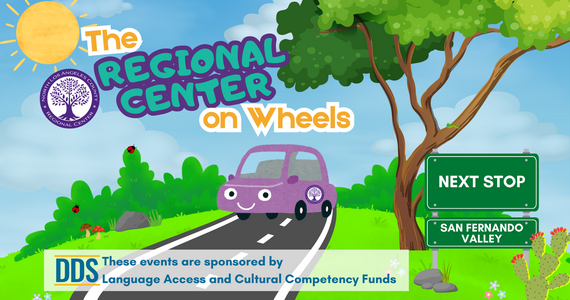 Regional Center on Wheels: Bringing Support to Families Where They Are
NLACRC partners with trusted community organizations across the San Fernando Valley to offer on-the-spot guidance, application help, and resource connections—in multiple languages.
Have questions about services or eligibility? Stop by for on-the-spot help and connections through the Regional Center on Wheels.
Regional Center on Wheels is sponsored by the Department of Developmental Services and the Language Access and Cultural Competency (LACC) program, launched in April 2022. LACC’s purpose is to improve the individuals served and their families' experience by ensuring more consistent access to information and services multilingual, monolingual, and culturally diverse communities.
Why “Regional Center on Wheels”?
The idea began with a conversation between Maria De Jesus Rodriguez, Parent & Family Support Specialist, and Cristina Preuss, former Director of NLACRC’s Diversity, Equity, Inclusion, and Belonging Department. Together, they identified San Fernando Valley locations where resources are limited, and it can be difficult for families to connect with NLACRC. From there, Maria De Jesus Rodriguez and Telma Diaz (Outreach Language Specialist, Spanish) spearheaded the campaign—now entering its second year.
What is the goal of the Regional Center on Wheels?
At-a-Glance:
-
Since March 12, 2025: 9 partner organizations • 16 stops • 5 repeat partners.
-
Support: Intake support, application submissions, intake documents, case status checks, service updates, and resource connections.
-
Languages: On-site English and Spanish
-
Schedule: Year-round with quarterly stops.
Regional Center on Wheels increases access by providing on-the-spot support in English and Spanish through intentional partnerships with trusted local organizations already serving families
At each stop, the team can help with:
- Regional Center applications and submissions
- Checking case status and sharing CSC contact information
- Updates on services, events, and next steps
- Follow-up on pending items
- Connections to additional resources through partner organizations
When needed, the families connected to Regional Center Specialists who provide support in Tagalog, Farsi, Armenian, LGBTQ+, and ASL.
A Developmental Case Manager with Kaiser Permanente Panorama City Medical Center shared, “This collaboration has empowered families to better navigate complex systems, including health plans, institutions, and state-funded programs. The warm handoff during the application process instills hope and helps reduce anxiety. Families have expressed deep gratitude for Regional Center on Wheels, as it has enabled them to apply for—and begin receiving—essential services.”
How do you become a partner site?
To become an NLACRC Regional Center on Wheels partner, sign up at this link. They will respond promptly and guide you through the next steps. The campaign is currently available in the San Fernando Valley—watch for it as it expands to Santa Clarita and the Antelope Valley.
The North Valley Family YMCA at San Fernando Gardens shared, “We recognize the importance of bringing these vital resources directly into community members’ neighborhoods, making services more accessible and equitable. Many of our participants face transportation barriers and are unable to drive, so having these resources available on-site ensures that children receive the support they need without additional obstacles.”
Together, we can make support more accessible—one stop at a time.
Follow NLACRC on Instagram and Facebook to stay connected and see where the next stop will be
 Children are more likely to share their emotions when they feel safe and understood. Supporting children to express their feelings involves creating a safe environment, teaching them emotional vocabulary, modeling healthy expressions, and providing tools for constructive communication.
Emotional vocabulary:
- Incorporate the use of an emotion chart, feelings wheel or color-coded systems to help them identify and express their feelings.
- Guide them in practicing “I statements” to describe how they are feeling. This helps them stay connected to their feelings.
- Storytelling or reading aloud is another way to support and expand your child’s emotional understanding.
Model healthy expressions:
- Share your feelings openly at home with your children.
- Demonstrate calm responses during emotional moments to model constructive ways for children to handle their feelings.
Encourage alternate ways of expression:
- Not all children are comfortable verbalizing emotions.
- Creative outlets like drawing, role-playing, puppets, or card games can help them communicate their feelings safely.
Teaching coping skills and regulation skills:
- Help children recognize psychical cues related to emotions.
- Role-play scenarios that teach children how to regulate their feelings.
- Model ways that you calm yourself and guide them to try those strategies as well.
Foster problem solving and reflection:
- Guide children to problem-solve and reflect on their feelings.
- Ask questions like, “What can you do next time you feel this way?”
- Praise their efforts and reinforce positive behavior to help build emotional confidence.
Lizeth Martinez, MSW. LCSW
Help Me Grow LA- Mental Health Consultant
Maternal Child and Adolescent Health (MCAH)
Los Angeles County Department of Public Health
(213) 696-0557
LMartinezRuiz@ph.lacounty.gov
 May is Mental Health Awareness Month. For healthcare providers, Department of Mental Health professionals, and parents of children with special needs, this month serves as a crucial reminder of the importance of creating an environment where no one struggles in silence.
Why Awareness Matters:
Understanding the reality of mental health challenges helps us better serve our community:
-
The Reality: 1 in 5 U.S. adults experiences mental illness each year.
-
The Youth Impact: 50% of all lifetime mental health conditions begin by age 14.
-
The Gap: There is an average 11-year delay between the onset of symptoms and an individual receiving treatment.
For families navigating special needs, these complexities are often magnified, making early identification and collaborative care between providers and parents vital.
Recognizing the Warning Signs
Early intervention changes trajectories. Whether you are a clinician, a caseworker, or a parent at home, look for these shifts in behavior:
-
Social Changes: Withdrawing from friends, family, or previously loved activities.
-
Physical Shifts: Drastic, sudden changes in sleeping habits, energy levels, or appetite.
-
Emotional Swings: Frequent, intense shifts in mood, persistent worry, or uncharacteristic irritability.
Turning Connection Into Action
Supporting mental health requires continuous collaboration across our entire care network. Providers and agencies must continue streamlining access to services, while parents need the grace and community backing to prioritize their own mental wellness alongside their children.
Mental health is just as essential as physical health. If you, a loved one, or a client is struggling, professional, compassionate support is always available right here in our community.
Local Resources & Contacts
-
Los Angeles County Department of Mental Health (LACDMH): Access localized screening, assessment, and care infrastructure.
-
24/7 Help Line: Call (800) 854-7771 to reach the LACDMH Access Call Center or dedicated emotional support lines.
-
Online Portal: Find local service locations, crisis evaluation deployment teams, and regional program directories directly on the official LACDMH Website.
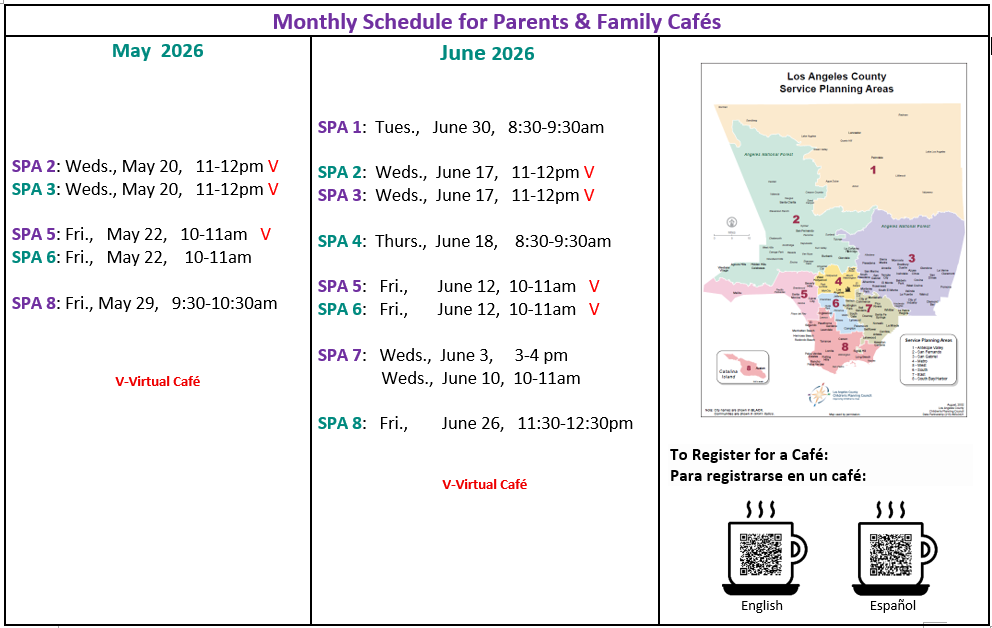
Join us at an upcoming Help Me Grow LA Parent Café where parents and caregivers raising children with developmental delays and special health needs share experiences and receive emotional support in a non-pressured environment.
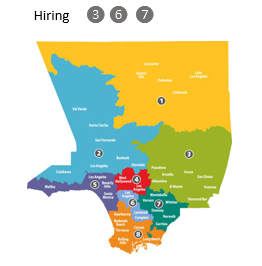
Help Me Grow LA is looking for parents to work part-time as Family Partners in SPAs 3, 6, and 7. Family Partners are parents of children with special needs who are placed regionally in the Public Health Clinic's Wellness Communities and other locations. Family Partners help parents navigate the system by giving practical advice and resources, while advocating for change in their local communities. Help us spread the word! See the HMG LA Family Partner Job Flyer; potential candidates can apply at the Healthcare Staffing Professionals website
|
Is there a topic you’d like to read about in our monthly newsletter? Send us an email at
|

