|
Dear Friend,
The month of June brought Summer Solstice, Juneteenth commemorations, and Pride celebrations. It was also a full month of budget deliberations that resulted in the Board’s adoption of a $6.7 billion budget, and the culmination of our Reparations Commission's three years of work with its final report and recommendations. Our District 5 team welcomed our newest staff member Savannah Parker, our Office & Communications Manager. And, Alameda County voters reelected my colleagues Supervisor Elisa Márquez and Supervisor Lena Tam to continue representing their respective districts; congrats! As we recognize Independence Day, let's recommit ourselves to the founding principles of our country -- true liberty, justice & democracy for all.
Alameda County’s $6.7 Billion Budget
On June 25, the Board of Supervisors unanimously adopted our $6.7 Billion budget – stabilizing our safety net and protecting healthcare, food security, essential services, and our most vulnerable residents, children, and families. Thank you to everyone who participated and advocated during our budget process and to those who joined our two virtual budget forums.
Here are a few highlights:
-
Housing Solutions – $288 M from the Measure W Home Together Fund to expand homelessness solutions and permanent supportive housing
-
Food Security – $17 M to strengthen food security and prepare for reductions in CalFresh benefits
-
Immigrant Justice – $4.6 M to continue legal services & deportation defense, rapid response and community organizing, and to lay the foundation for a future Office of Immigrant & Refugee Affairs
-
Healthcare – addressing H.R.1 and other threats
- $85.3 M for federally qualified health centers and community clinics serving low-income residents
- $37 M to support behavioral health providers’ transition to the Behavioral Health Services Act
- $19.3 M to stabilize Alameda Health System, including preventing the layoff of 92 employees and extending the PHP/IOP behavioral health program through October 31
 Our work isn’t done. It will take all of us working together to continue addressing the impacts of this federal administration over the next few years and to implement important initiatives the Board has already committed to. And it will take courage from all our leaders to address the roots of our fiscal challenges by making the super rich and big corporations pay their fair share. Read more below and in our press release.
Pride Month
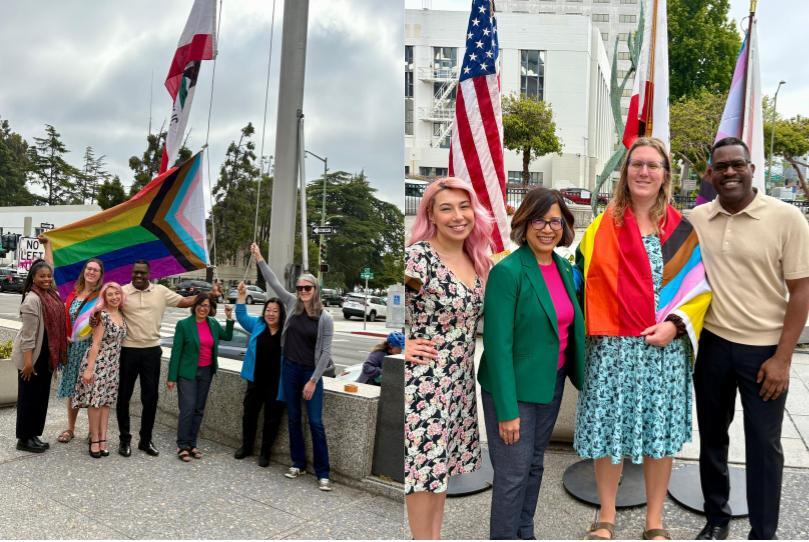
We marked the beginning of Pride Month by raising the Pride Flag at the County Administration Building and reaffirming our commitment to equity, visibility, and belonging for LGBTQIA+ communities. In July, the Board will vote to allocate $1.5 million to support an LGBTQIA+ community health initiative. We look forward to continued partnership with the many organizations that serve our LGBTQIA+ communities, including those in District 5 – the Oakland LGBTQ Center and the Pacific Center for Human Growth. Save the date for Berkeley Pride on August 30!
Juneteenth
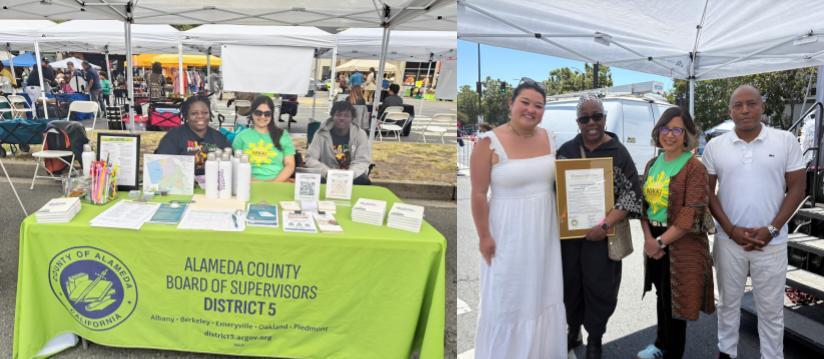
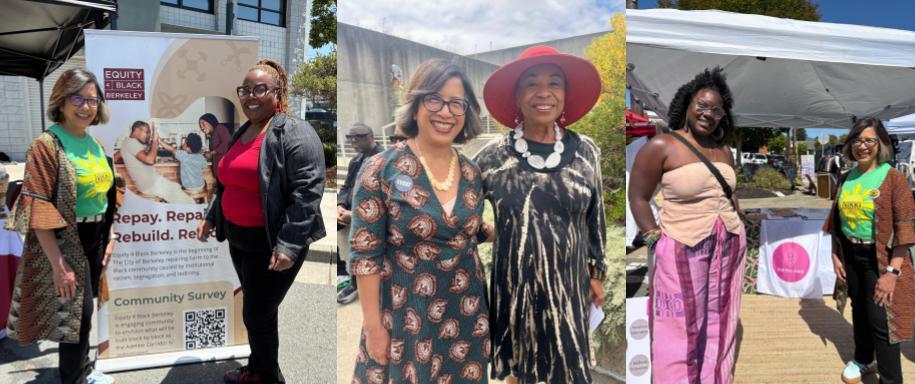
We commemorated Juneteenth at numerous events – from celebrations in Oakland at Prescott Market, the Oakland Museum of California, and Lakefest to Berkeley Juneteenth, the longest running Juneteenth celebration in Northern California at 39 and counting!
Juneteenth is both a celebration and a moment for reflection. We celebrate the resilience, contributions, and achievements of Black communities, while also acknowledging the inequities, violence, barriers to opportunity, and systems that continue to hinder the full realization of freedom and justice for many of our Black friends, neighbors, and communities.
Reparations Commission Action Plan Approved!
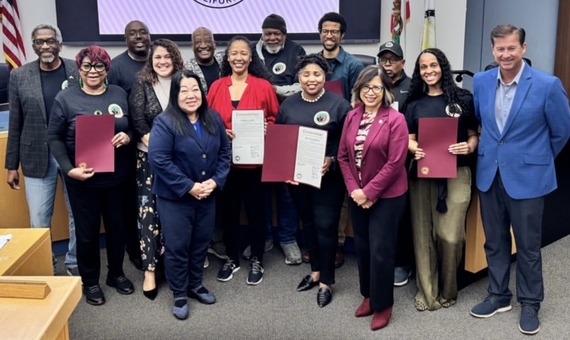
The Alameda County Reparations Commission was established in 2023 to create an action plan making significant, lasting progress toward repairing systematic discrimination against African American residents. After three years of community engagement, historical research, and data analysis, the Commission presented 44 recommendations across 12 focus areas to the Board of Supervisors for consideration beginning June 30, 2026, with priority implementation to begin in September 2026. On June 30, the Board unanimously approved the Reparations Action Plan, marking an important step towards acknowledging past harms, recognizing current inequities, and working to support community-driven policies to achieve a more just and equitable future for the Black community. Read the report here and see coverage on NBC Bay Area.
Welcome Savannah!
We are thrilled to have a full staff team to serve District 5. Welcome to Savannah Parker, District 5’s new Office and Communications Manager. She is an Oakland native whose career has been defined by a commitment to public service, civic leadership, and strengthening communities. With more than a decade of experience spanning municipal government, executive leadership, and human resources, she brings a unique perspective that bridges effective governance with people-centered leadership.
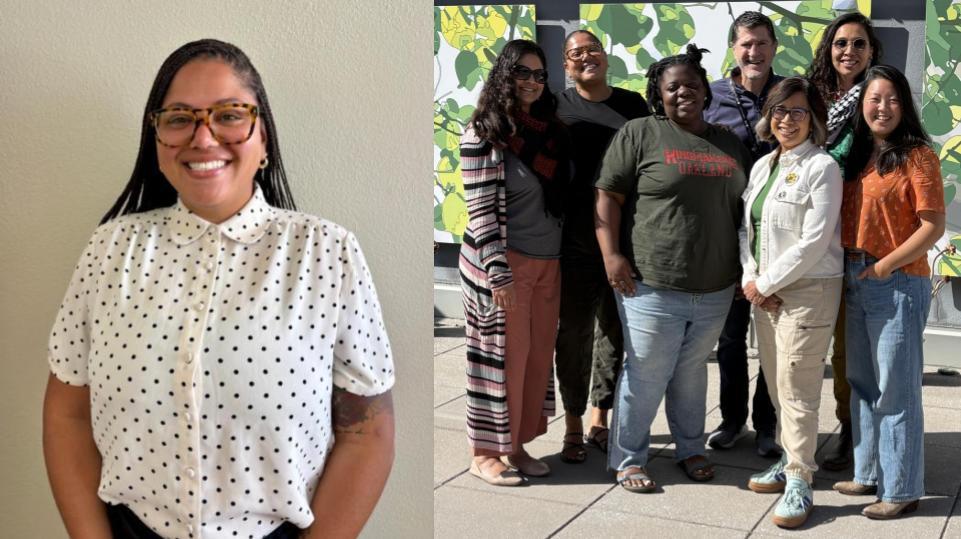 |
Savannah has served in key roles supporting executive leadership, including as Executive Assistant to the City Manager of Stockbridge, Georgia, where she worked on policy research, community development initiatives, intergovernmental collaboration, and strategic operations. She also played an integral role in Oakland's 2025 Mayoral Inaugural Committee, partnering with board members, executive leadership, elected officials, and community stakeholders to help coordinate a successful leadership transition and advance initiatives that reflected Oakland's future.
In addition to her government experience, Savannah has extensive expertise in human resources, employee benefits, organizational strategy, and compliance, leading programs for both public and private organizations. Her HR background has strengthened her ability to build collaborative teams, navigate complex challenges, and develop thoughtful, people-first solutions.
Deeply passionate about Oakland and the challenges facing Alameda County, Savannah is committed to advancing equitable economic opportunity, strengthening neighborhoods, improving public safety, and ensuring government is responsive, transparent, and accountable to the communities it serves.
Savannah earned her Bachelor of Arts in Political Science with a Pre-Law concentration and a minor in International Relations from Spelman College. Her education, combined with her professional experience and lifelong commitment to Oakland, continues to shape her dedication to building stronger, more equitable communities.
Wishing you a safe and enjoyable Summer!
Warmly,
Nikki Fortunato Bas 勵琪 (she/her)
Supervisor
Alameda County, District 5
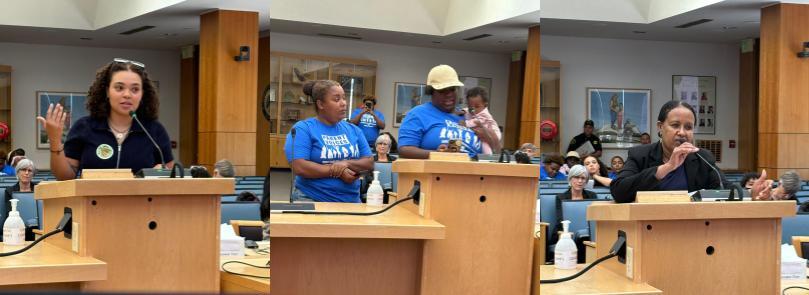 Alameda County passed our $6.7 billion budget. A budget is more than a financial document - it is a reflection of our collective values and our priorities. On June 25, the Board of Supervisors unanimously voted to adopt Alameda County’s Fiscal Year 2026-27 budget. This year's $6.7 billion budget demonstrates our commitment to protecting our most vulnerable residents and preserving the services that keep our communities healthy, housed, and safe, even as we face unprecedented challenges from federal and state policy changes and budget cuts.
The budget makes strategic investments to stabilize and strengthen our safety net. The budget includes more than $1.2 billion in contracts with community-based organizations that deliver critical services directly to residents. It addresses important homeless and housing solutions, with over $440 million for housing and homelessness programs. We invest in food security, with $17 million to strengthen food distribution, prepared meals, and pantries as families face anticipated reductions in CalFresh benefits.
One of my budget priorities is protecting our most vulnerable residents including immigrants and refugees, children, foster youth, seniors, the unhoused, those with serious mental illness, and justice-involved individuals. I’m proud that we took action early last year to support our immigrant and refugee communities and organizations providing rapid response, community organizing, legal services and deportation defense, and that this budget will continue that commitment with $4.6 million and start to institutionalize this support with a future Office of Immigrant and Refugee Affairs. We also are investing in critical services for the LGBTQ community, including protecting access to gender-affirming care. And we are continuing our investments in senior services, as this part of our population is growing.
The budget includes deep investments in our healthcare safety net. We allocated $85.3 million for federally qualified health centers and community clinics that provide critical healthcare to low-income patients. I also advocated for $19.3 million to Alameda Health System (AHS) to stabilize the public hospital system, preserve 92 jobs that were planned for elimination, and extend critical behavioral health services, while the County, AHS and its labor partners work together on long-term fiscal sustainability.
Our work isn’t done. It will take all of us working together. We must be vigilant in addressing the impacts of this federal administration over the next few years.
We also need to ensure the Board follows through on implementing important initiatives like the “Care First Jails Last” recommendations by investing in the Mental Health Diversion Court, expanding board and care programs, and increasing housing subsidies for residents at the intersection of incarceration, homelessness, and mental health.
More than ever, we need to address systemic racism and economic inequality that is driving this race to the bottom that harms our communities. The super rich and big corporations must pay their fair share, and we must all participate in our democracy to make our voices heard.
Thank you to our coalition partners and other advocates for your hard work and what we won in the budget because of our collective advocacy. Shout outs to: Food Sovereignty Roundtable, Care First Jails Last, Care Collaborative, Senior Services Coalition, Behavioral Health Collaborative, Prevention Matters, our many health partners, our many labor unions, housing and homelessness providers and advocates who came together around Measure W, and everyone who joined our District 5 budget forums.
The budget documents can be found here and the County staff’s presentations are published here. My office held two budget forums in April and June, and heard from community partners in healthcare, food security, immigration, and Care First Jails Last about our shared priorities; videos and resources from those forums can be found here.
Stabilizing our Public Hospital System
Alameda Health System (AHS) is Alameda County’s public healthcare system and the safety net healthcare provider, operating four hospitals and nine clinics including the East Bay’s only Level 1 Trauma Center at Wilma Chan Highland Hospital. More than 90% of AHS patients rely on some form of publicly subsidized health coverage, making AHS an essential part of our County's healthcare system.
In November 2025, AHS projected a $100 million budget deficit for Fiscal Year 2026-27 and announced plans to lay off 372 employees and eliminate patient-facing programs. In response, Supervisor Nate Miley and I convened the Board's AHS Ad Hoc Committee and have worked closely with AHS leadership, labor representatives, County staff, and other stakeholders to identify solutions. Through this collaborative process, AHS identified $28.5 million in cost savings and new revenue opportunities to help reduce its budget deficit.
During the County budget deliberations, Supervisor Miley and I introduced a Board Letter recommending additional County support to stabilize our public hospital system. The Board of Supervisors unanimously approved providing up to $19.3 million to AHS to help address its budget deficit and avert the layoff of the remaining 92 employees. The Board also directed AHS to conduct a performance audit and continue working with the AHS Ad Hoc Committee to develop long-term strategies for the system's financial sustainability.
The approved funding will also extend AHS's Partial Hospitalization Program (PHP) and Intensive Outpatient Program (IOP) through October 31, 2026. These community-based behavioral health programs provide intensive treatment for individuals experiencing serious mental health challenges who do not require inpatient hospitalization. By helping people receive care in their homes and communities, PHP/IOP programs reduce psychiatric crises, emergency department visits, and hospitalizations.
Over the coming months, Alameda County Health will work with AHS and PHP/IOP staff to evaluate the programs' long-term financial sustainability and, if necessary, develop appropriate alternatives to ensure continuity of care. Protecting access to behavioral healthcare remains a priority, and we are committed to ensuring that the approximately 120 current PHP/IOP participants, as well as the many other residents who depend on these services, continue to receive the care and support they need.
Supporting our Behavioral Health System of Care
The Behavioral Health Services Act (BHSA), established through Proposition 1, shifts state mental health funding toward services for people with the most severe behavioral health needs. As a result, the Alameda County Behavioral Health Department (ACBHD) was forced to make nearly $53 million in funding reductions, many of which impacted prevention and early intervention programs. Without intervention, these cuts would have created significant funding cliffs for community-based providers and disrupted services for more than 15,000 residents.
To help protect these essential services, the Board of Supervisors approved nearly $37 million in one-time bridge funding to provide a one-year transition period. This funding will allow providers time to transition, sustain, or responsibly wind down programs that will no longer receive BHSA funding while minimizing disruptions for the people who depend on them.
I am grateful that we were able to support a smoother transition for our behavioral health providers and the communities they serve. Over the coming year, it will be critical to work with prevention programs, including our Underserved Ethnic & Language Populations (UELP) organizations, to preserve the community-based infrastructure they have built. We must continue investing in upstream mental health interventions so we do not lose the progress we have made in supporting residents before they reach a crisis.
Supporting Community Health Centers
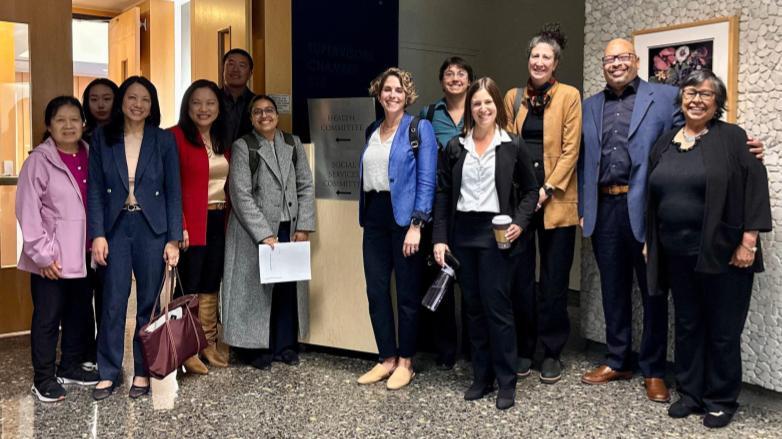 The County's FY 2026-27 budget includes $85 million to support federally qualified health centers (FQHCs) and community clinics that provide primary, behavioral health, dental, and specialty care to low-income residents throughout Alameda County. These clinics are a cornerstone of our healthcare safety net and serve thousands of residents regardless of their ability to pay.
While the State's budget delayed proposed cuts to reimbursement for care provided to patients with unsatisfactory immigration status, including many undocumented residents, significant challenges remain. Community health centers continue to face financial pressures as the State freezes Medi-Cal enrollment for many undocumented adults and as H.R. 1 Medi-Cal work requirements are scheduled to take effect in January 2027. These changes threaten access to healthcare for many residents and place additional strain on the providers who care for our communities.
My office will continue working with County partners and our healthcare providers to protect access to care and ensure Alameda County residents have the information they need to maintain their coverage whenever possible. If you have questions about your healthcare benefits or eligibility, please visit HealthyAC.org.
Successful Advocacy for Food Sovereignty in County Budget
My Office continues to convene the countywide Food Sovereignty Roundtable to strengthen our food system and ensure every resident is nourished with dignity. We recently met on Zoom and in person to discuss partners’ continued work to navigate new CalFresh work requirements for non-exempt Able Bodied Adults Without Dependents (ABAWDs). Parallel to this policy change, which would significantly increase already-record high food need, the Roundtable continued advocating together for more County resources for our local food system. We secured $17 million to strengthen food distribution, prepared meals, and pantries as families face anticipated reductions in CalFresh benefits.
Partners consulted Social Services Agency staff on how to best understand and explain the work requirements as well as to inventory more work and volunteer opportunities across the Roundtable partners. See some of the resources we codeveloped at the end of this section. Also stay tuned for a more detailed resource guide on work and volunteer opportunities (to be posted on my website).
Roundtable partners also began convening to specifically plan a gathering (TBD) of our County's farmers and growers: to build more awareness of land being used to build our food supply; and/or pertinent opportunities for greater food recovery, hours for people needing to fulfill work requirements, and growers’ potential roles in the event of a large-scale food crisis.
Similarly, the Rapid Response Working Group continued outlining a Hub and Home Delivery Model to plan for high-density need zones - noting that they will map the zones and build on tried-and-true COVID infrastructure. This infrastructure refinement will share best practices across cities and zip codes, while also seeking to enhance work and volunteer opportunities for ABAWDs who can support community-based organizations’ outreach efforts. This working group is honing in on supporting neighbors who are particularly vulnerable, such as those with limited transportation access and/or disabilities, undocumented community members, those who need for more resource navigation support, and/or people who live in the Unincorporated Areas.
I appreciate all the Roundtable partners who have been putting time, dedication and effort into fortifying coalition goals and roles: including to also give input on the County budget through written, Zoom and in person public comment.
Also check out these Roundtable-codeveloped resources and share widely:
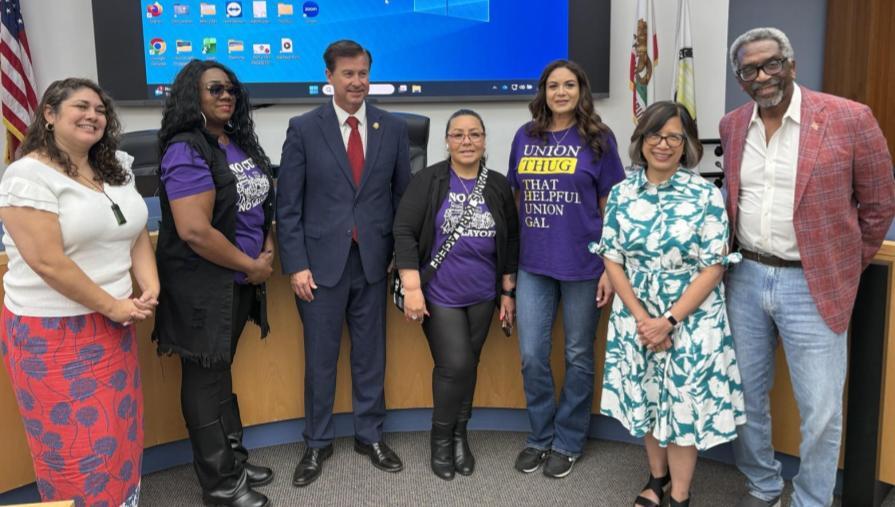
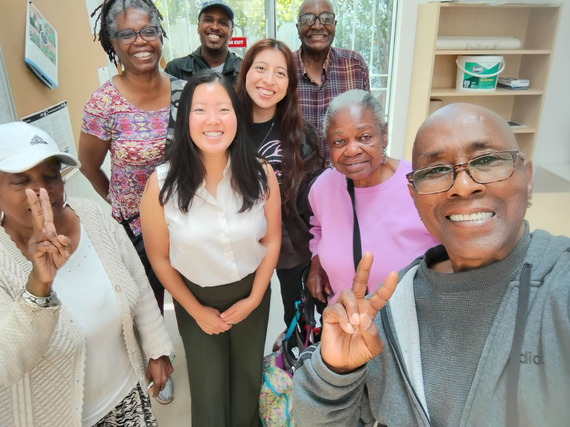 Our District 5 Office is so grateful to partner with homeless advocates and to ensure that people with lived experience being houseless are helping to shape our policy and budget decisions. Shout out to St. Mary's Center Senior Leaders for inviting us to join your budget meeting.
The County’s investments in housing and homelessness solutions are incredibly important as they come at a time of uncertainty. At the federal level, proposed reductions to federal HUD funding are expected to reduce resources available to Alameda County's Continuum of Care. At the state level, we successfully advocated against the Governor’s proposal to reduce critical homelessness funding. The Legislature’s budget includes a $900 million allocation for the Homeless Housing, Assistance and Prevention (HHAP) program, which preserves a critical source of funding for Alameda County and other communities.
Despite uncertainty at the state and federal levels, Measure W gives us flexible local funding that allows us to continue strengthening our homelessness response system. The FY 2026-27 County budget includes more than $440 million for housing and homelessness programs, including $288 million from the Measure W Home Together Fund to invest in housing and homelessness solutions.
This past year, Measure W homelessness investments have gone towards creating 296 new shelter beds and 946 new affordable housing units. Next year’s investments include:
- Expanding access to homelessness services through Housing Resource Centers across the county.
- Launching Alameda County's first countywide homelessness prevention program to help households remain stably housed before they lose their homes.
- Increasing shelter provider bed-night rates while strengthening quality standards to improve shelter services.
- Continuing investments in affordable housing, interim housing, rental assistance, and permanent housing solutions.
For more information on the Home Together Plan and Measure W, click here.
Connecting to Housing Resource Centers
Housing Resource Centers (HRCs) are the front door to Alameda County's homeless response system. They connect people experiencing homelessness with shelter, housing navigation, case management, and other critical resources.
Alameda County recently announced new investments using Measure W funding in our Housing Resource Centers:
- Expanding evening and weekend hours to improve access;
- Increasing the range of services available at each location; and
- Providing specialized support for older adults and medically frail residents, survivors of gender-based violence, people involved in the criminal legal system, and transition-age youth.
Click here to find the Housing Resource Center nearest you, including locations, hours, contact information, and available service.
 Stand with Leo: Organizing for Freedom, Justice, and Belonging
Everyday immigrant families and their communities remain steadfast in their commitment to organizing in our communities, keeping each other safe and freeing our loved ones from detention. Rapid response networks, know your rights information, neighborhood organizing and legal deportation defense are some of the tools that continue to support our communities’ safety, and critical to this are the community-led efforts to stop the deportation of our loved ones. We want to lift up one of those campaigns in this newsletter: the story of Leo.
On December 4, 2025, during what was supposed to be a routine immigration check-in, ICE detained Leo and transferred him to Mesa Verde Detention Center in Bakersfield, more than five hours away from his family, loved ones, and community. What should have been a routine appointment became yet another example of a system that separates families, disrupts lives without warning, and relies on detention as a tool to spread fear and control in our communities.
Leo is a beloved brother, son, partner, educator, organizer, and internationally respected musician from Alameda County. As the lead drummer for Samba Funk and a longtime member of Batuki and Samba de Teja, he has dedicated his life to bringing people together through culture, education, and community. Through his work with Audiopharmacy and Namorados Da Lua, Leo has built bridges across cultures while uplifting the histories of the African diaspora, Indigenous resistance, and movements for justice around the world. His leadership has strengthened communities throughout the Bay Area and far beyond.
Leo's detention is a painful reminder that immigration enforcement does not just impact individuals, it harms families, artists, workers, neighbors, and entire communities. Yet, in this moment, our communities are responding not with fear, but with organizing, courage, and solidarity. Across Alameda County and beyond, families, advocates, faith leaders, cultural workers, and community organizations are building collective power to resist deportations, defend our neighbors, and keep families together.
The campaign to free Leo is part of the Anti-Deportation Organizing Committee of Alameda County United in Defense of Immigrant Rights (ACUDIR), a coalition led by and for immigrants that is organizing to end deportations, free people from detention, and advance dignity, safety, and human rights for all immigrants.
The committee brings together directly impacted families and community organizations through an organizing model rooted in mutual aid, leadership development, and narrative change. Together, they fight for the release of loved ones who have been detained while building long-term power to challenge harmful anti-immigrant policies and create sanctuary in our homes, schools, workplaces, places of worship, and communities.
Sanctuary everywhere is what a caring community looks like. It is neighbors showing up for one another. It is families refusing to be isolated. It is organizations joining together to transform grief into action and fear into collective strength. I am grateful to the many community members, cultural workers, organizers, and advocates who have rallied around Leo and his family. Their work reminds us that while unjust systems seek to divide us, our greatest strength has always been our solidarity. To connect directly with this important work, find more information here: Free Leo Digital Toolkit.
As Alameda County continues advancing policies like our ICE-Free Zones and Countywide Immigration Enforcement Response Plan, we know that policy and its implementation alone are not enough. Protecting our communities also requires standing with families directly impacted by detention and deportation, investing in community-led organizing, and building the collective power needed to defend immigrant communities.
Next ACT for All Committee Meeting: July 16
Our next Alameda County Together for All Committee meeting is on Thursday, July 16 at 3:00 pm. We will receive updates from our coalition partners ACUDIR, ACCORD, and ACILEP on their work over the past year, the trends they are seeing on the ground, and the challenges and opportunities facing immigrant and refugee communities across Alameda County. We will also receive an implementation update on the County's ICE-Free Zones Policy and Immigration Enforcement Response Plan. I invite you to join us as we continue working alongside community partners to strengthen protections, respond to this moment with urgency, and build a more welcoming and just Alameda County.
Together, we will continue fighting for a future where every family can live with dignity, safety, and belonging, free from the fear of detention and separation.
Flock Update
On June 30, the Board of Supervisors approved a $2.4 million, 18 months long contract with Flock Safety for license plate readers, cameras, and drones. While the contract includes several new safeguards in response to the Board’s feedback in April, I requested additional time to review of the contract that was not possible because the contract was only published two business days before the Board meeting. Unfortunately, the Board approved the contract without the additional review I motioned for; the vote was 3-2 with myself and Supervisor Elisa Márquez voting no.
Thank you to the dozens of people who called, emailed, and commented to share your concerns about the threats to immigrants and other vulnerable communities, especially when Flock is documented to have violated several contracts across the state and country by sharing data with outside agencies. I take public safety very seriously. Safety requires public trust and transparency, and I believe we should have had additional time to ensure these technology tools address concerns about surveillance, privacy, and civil rights. An RFP will be issued for these services, to start after the current contract expires. I will continue to advocate that the Board’s contracts and policies protect our most vulnerable communities, particularly under the current federal administration. Read more in The Berkeleyside.
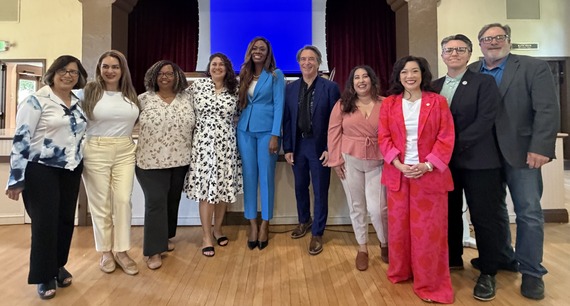 ICE Out of California: AG Bonta & Santa Clara County Sue to Block Illegal Development of ICE Facility near Gilroy
As our communities continue their relentless organizing against any attempts to build more detention facilities in California, I am grateful for the collaboration across the bay area among our County Supervisors. I also want to recognize and express my gratitude to California Attorney General Rob Bonta and Santa Clara County for taking action to stop the Trump Administration's plan to build a new ICE detention facility near Gilroy.
The lawsuit, seeking a preliminary injunction, is an important step in standing up for our communities and holding the federal government accountable. The lawsuit argues that the administration tried to move the project forward without following environmental laws, protecting local farmland, or properly notifying and working with local officials. By asking the court to immediately stop construction, California is pushing back against the expansion of immigrant detention and standing up for transparency, the rule of law, and the dignity of immigrant families. This is an important victory in the ongoing fight to keep families together and ensure our communities are treated with fairness and respect.
See the press release and press conference here. Also see the Alameda County Board of Supervisors’ resolution opposing the use of FCI Dublin for immigration detention, here.
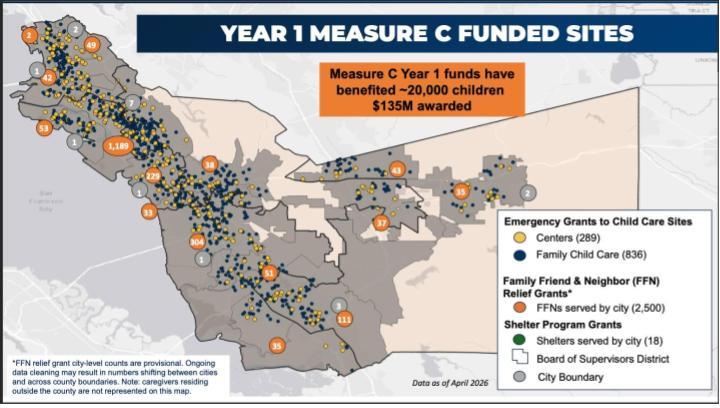 One Year of Measure C: Strengthening Early Care and Education
Care and education are human rights, and as we celebrate one year after the implementation of Measure C, we want to lift and celebrate the impact of Alameda County voters' investment in young children, families, and early educators.
The Measure C Early Childhood Facilities Grants program has moved from planning to action:
- Reached more than 340 early care and education providers across the county
- Awarded 12 grants totaling $1.13 million
- Identified facility needs to guide future investments and expand equitable access
These investments are helping improve early learning spaces and support the providers, children, and families who rely on them every day. Measure C is also helping children and families experiencing housing instability through Shelter Program Grants:
- Awarded 18 grants totaling $1.25 million
- Supported 319 children ages 0–5
- Completed on-site assessments at all 18 shelters to strengthen access to child care, diapers, and other essential family supports
As Measure C enters its second year, the strong foundation built through community leadership, partnership, and thoughtful implementation continues to grow. Together, we're building a more connected, accessible, and resilient early care and education system so every child in Alameda County has the opportunity to thrive.
To learn more about Measure C, visit the First 5 Alameda County.
 Serving on a County Board or Commission is an important way for Alameda County residents to be civically engaged and impact our local decision making process. Our nearly 100 Boards, Commissions, and Committees span a wide range of topics and objectives. We welcome applications from District 5 residents representing diverse backgrounds and interests.
Our district has the following vacancies:
We also have a vacancy on the Alameda County Transportation Commission’s Paratransit Advisory and Planning Committee. For more information, click here and email: dist5@acgov.org.
July 4th Events
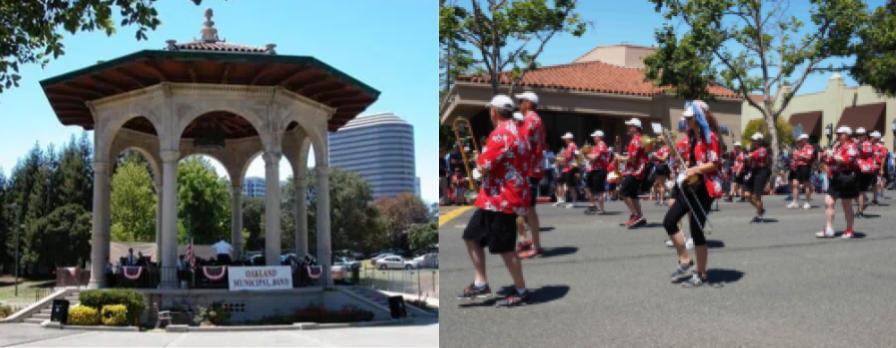 The Oakland Municipal Band is in its second century! Since 1912, the Oakland Municipal Band has been presenting free concerts at Lakeside Park. 2026 Concerts start July 4, and continue July 12, 19, 26, and August 2. All concerts start at 1:00 pm, last until 3:00, and are free to attend. Info at Oakland Municipal Band - Over one hundred years of music.
Piedmont’s 59th annual Independence Day celebration will feature a morning parade down Highland Avenue at 11:00 am (hope to see you there), followed by a community picnic with live music in Piedmont Park until 3:00 pm. The day's festivities kick off earlier with a traditional pancake breakfast hosted by the Piedmont Community Service Crew (PCSC) at the Veterans Hall from 8:00 to 10:30 am. Info here.
The City of Albany’s 4th of July in the Park event promises to provide fun for the whole family! 11:45 - 12:45 pm – Banana Slug Band. 1 pm – Pie Eating Contest. 2 - 3 pm – Puppet Show Performance. Info here.
Berkeley has numerous events. See Visit Berkeley's full listing.
In Emeryville, Tipsy Putt in Bay St. has fun and games for the whole family.
 Derick Davies, an Oakland native and Oakland School for the Arts graduate, will be hosting his first solo exhibition July 3 - 31 at the Joyce Gordon Gallery. Free to register.
The 20th Annual Temescal Street Fair, a celebration of Oakland’s Temescal District, returns on Saturday, July 11, 2026, 11 am to 7 pm on Telegraph Ave (between 51st to 44th).
The festival is admission free, family friendly and will feature two stages of music and a kid’s zone, artisan market, craft cocktails & local craft beers and more.
Catch live Main Stage performances with B.DeVeaux, Dos Four, Good Times Collective & Los Calderones.
HipHop TV Stage Performances by SambaFunk, Phoenyx Rose, Money B, DJ’s Davey D, Tabu & DC is Chilin.
Plus: TURFinc dance battle, Fashion Show hosted by EvOAK, Family Zone and much more!
The festival is designed to help uplift the many wonderful, small businesses that make Temescal District an award winning district and culinary capital.
 Get your tickets for the Oakland premiere of the award-winning documentary, Wood Street - July 15, 7:30pm at the historic Grand Lake Theater. It’s a powerful tale of community, advocacy, and resilience.
Berkeley Pride 2026 is on Sunday, August 30, 11:00 AM – 5:00 PM in Downtown Berkeley. Celebrate Queer Joy, visibility, resilience, and support local LGBTQIA+ culture at Berkeley’s pride street festival!
Join thousands of community members for a day of celebration, connection, entertainment, resources, and Pride. Learn more and purchase tickets: [LINK]
Please feel free to reach out with any questions or to discuss partnership opportunities with Vanessa Serratos, Development Manager and Co-Manager for Pacific Center/Berkeley Pride at vserratos@pacificcenter.org.
Oaktown Thursdays happens every 3rd Thursday, June through October. Entry is FREE. Enjoy vendors, Music, Entertainment, and more! More info here.
The Berkeley Flea Market is back and looking for vendors. Visit berkeleyfleamarket.com or call 1-800-650-8321 to learn more about how you can become a vendor.
Free entry every Saturday and Sunday, the Berkeley Flea Market will be operating 9 am - 5 pm. Also check out the BFM Consignment storefront at 1937 Ashby Ave. on Monday, Wednesday, and Thursday, from 10 am to 4 pm.
 Adult Craft Night at the West Oakland Library
Tuesday, July 28, 2026 5:30 PM – 7:00 PM
Arts and Crafts are for grown folks, too! Build community, learn new crafting skills, and hang out. The projects are DIY, beginner-friendly, and all materials are provided. Every month, the craft will rotate. Feel free to bring your own art projects as well. Hobby hoppers, newbies, advanced crafters, and all are welcome.
Calling Oakland Small Business Owners: Share Your Voice
The Oakland Metropolitan Chamber of Commerce is conducting its annual Small Business Survey to better understand the challenges, opportunities, and priorities facing Oakland's business community.
Whether you're a storefront, restaurant, service provider, nonprofit entrepreneur, or home-based business, your feedback will help shape advocacy efforts, business resources, technical assistance programs, and initiatives designed to support Oakland's local economy.
The survey takes approximately 10–15 minutes to complete, and all responses will help inform the Chamber's work on behalf of small businesses throughout the year.
Take the survey here: 2026 Oakland Metro Chamber of Commerce Small Business Survey
Thank you for helping strengthen Oakland's small business community.
Free Admission Opportunities at the Alameda County Fair
The Alameda County Fair is once again offering opportunities for free admission tickets in 2026! The Fair will run from June 19 to July 12.
Free Admission for Seniors Alameda County seniors may attend the Fair for free. To qualify, individuals must be 62 years or older (ID required) and reside in Alameda County. Complimentary tickets are limited to one per person and must be picked up in person; tickets cannot be collected on behalf of others. Tickets are available at any Age Well Center while supplies last. For more information, visit alamedacountyfair.com
Free Tickets for Elementary School Students A free ticket program is also available for elementary-aged students in Alameda County. Watch the video below to learn more.
Free Fair Ticket Video
New Sensory Morning Experience The Fair will also be introducing a Sensory Morning experience designed to create a more comfortable and inclusive environment for guests with sensory needs. Watch the video below to learn more.
Sensory Morning Video
Housing is a Human Right!
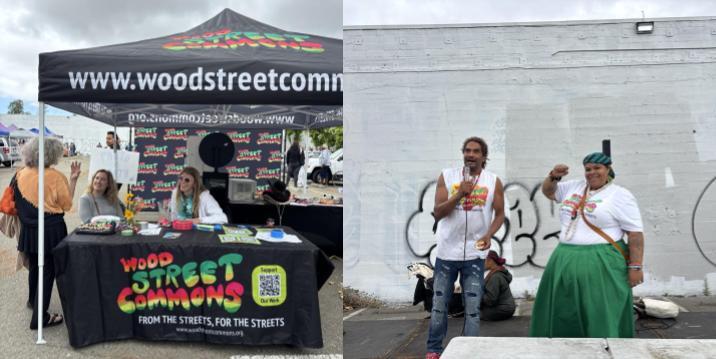 Wood Street Commons Resource Fair 5/29
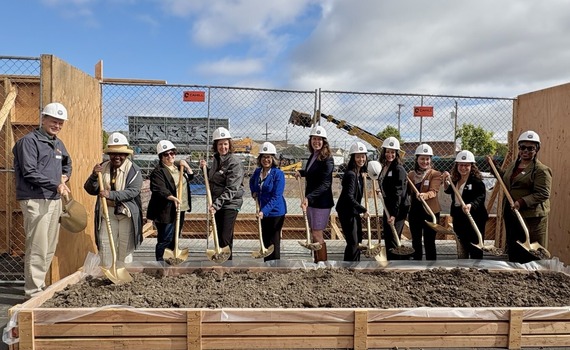 EBALDC Groundbreaking of 34 San Pablo Affordable Housing Project 5/29
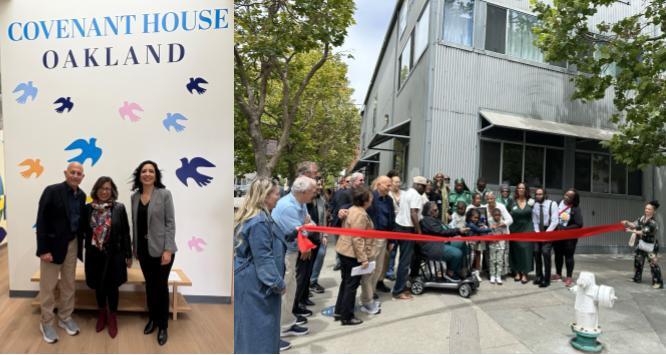 Covenant House Grand Reopening 6/26
Connecting with our community
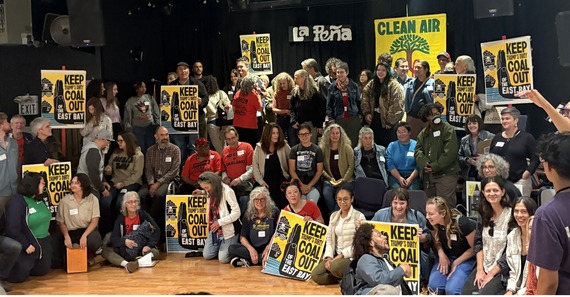 Keep Coal out of the East Bay! 6/21
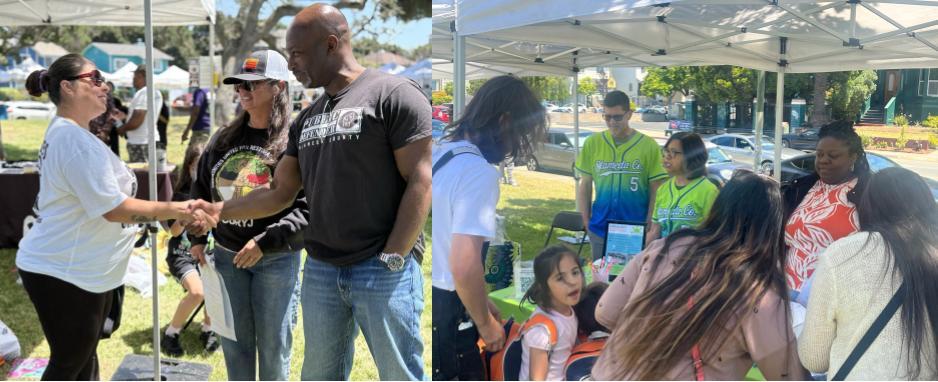 Public Defenders Community Block Party 5/30
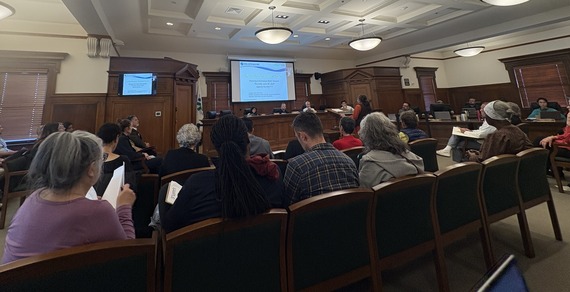 Emeryville Planning Commission Study Session on Sutter Health Medical Center Project 6/25. Read more in The E'ville Eye.
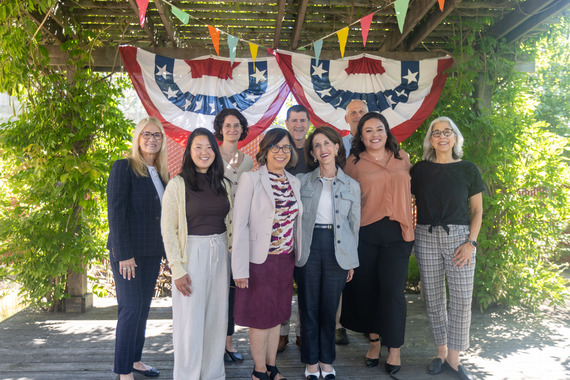 Tour of Telecare Gladman Mental Health Rehabilitation Center 6/10
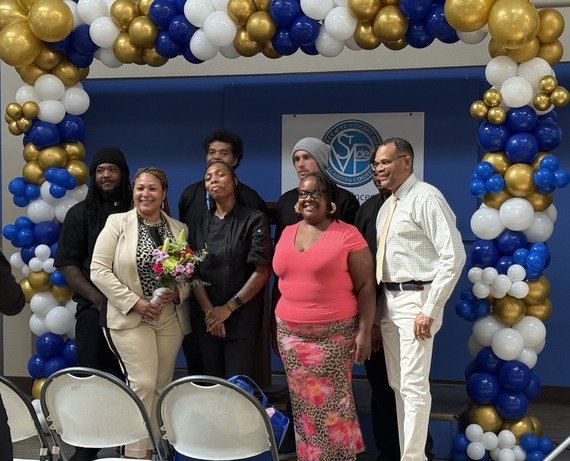 St. Vincent DePaul Kitchen of Champions, 100th Cohort Graduation 5/21
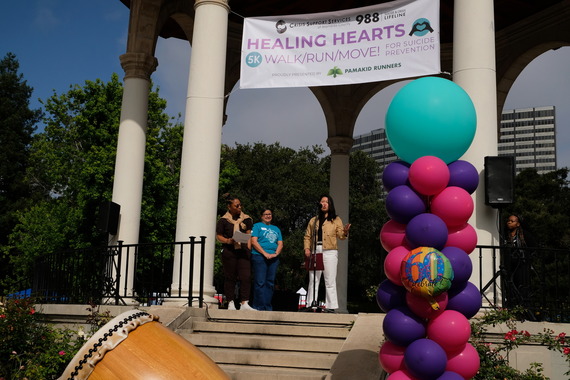 Honoring Crisis Support Services Volunteers, Annual Healing Hearts Day 5/20
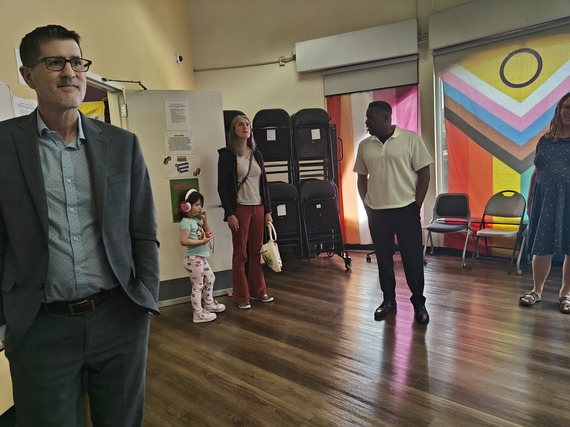 LGBTQ Center Multisite Tour 5/29
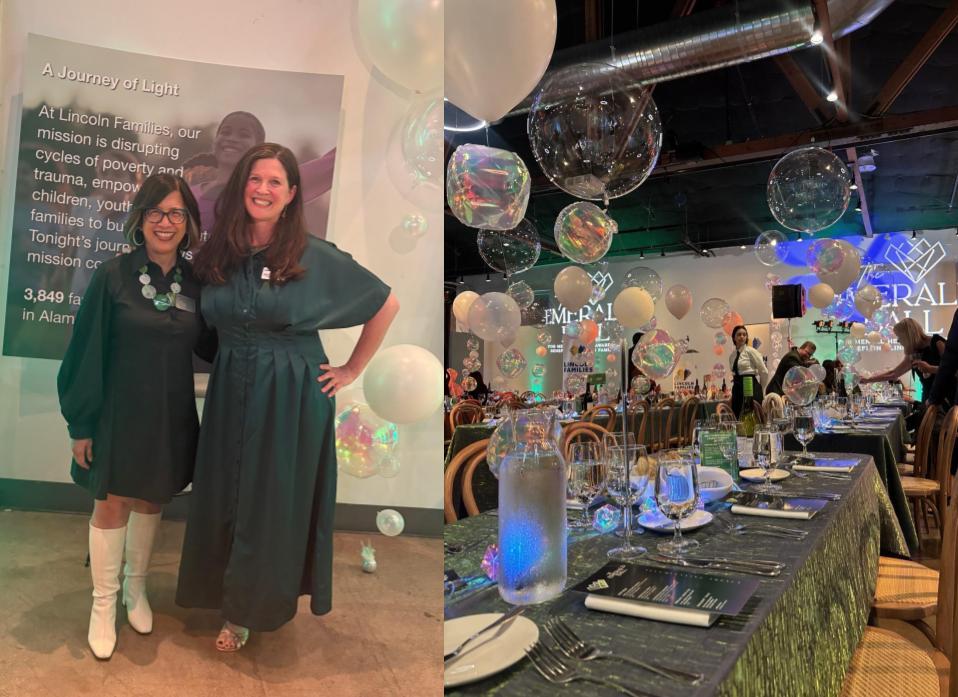 Lincoln Families Emerald Ball 5/15
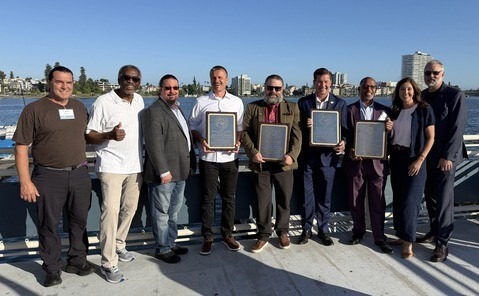 Building & Construction Trades Council of Alameda County, AFL-CIO 12th Annual Awards Ceremony, Congrats to Board President David Haubert who was honored as Legislator of the Year 6/5
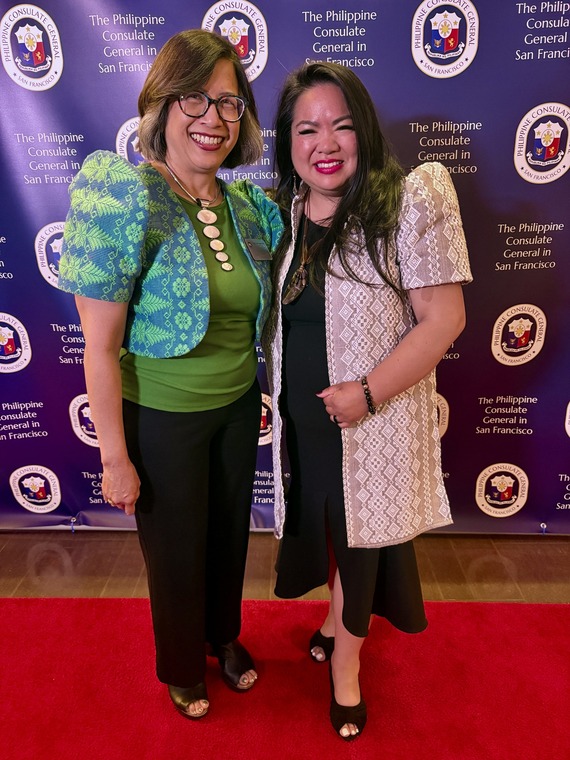 Philippine Independence 128th Anniversary 6/12
Supporting our business community
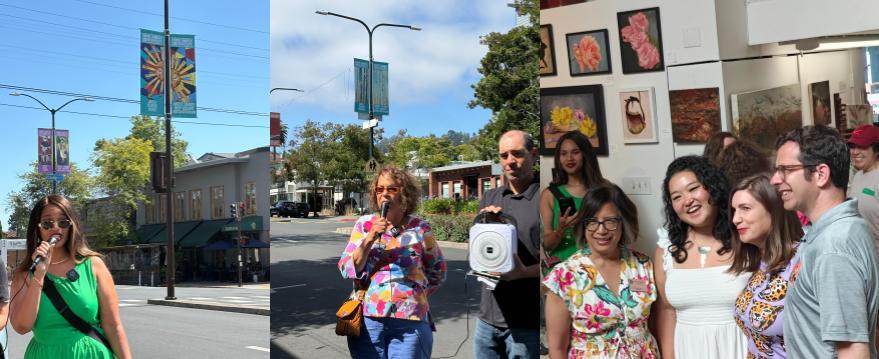 North Shattuck BID Art Walk, Berkeley 6/14. More info here.
 Oaktown Thursdays 6/18. Read more here.
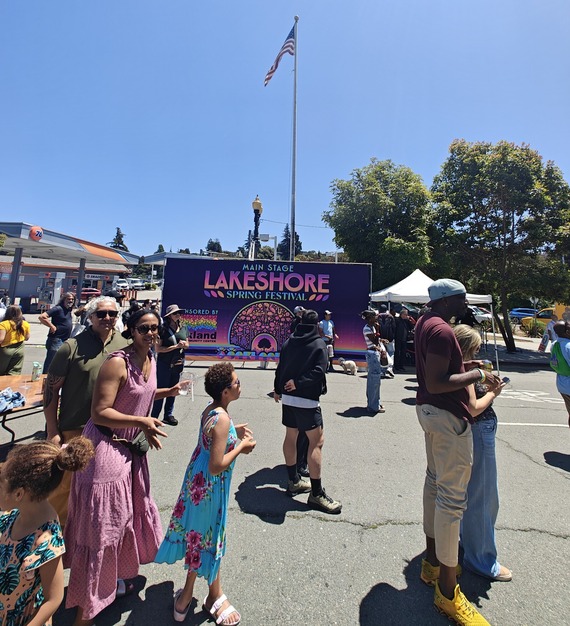 Lakeshore Spring Festival, Oakland 5/30. More info here.
Please be advised that dates and times are subject to change based on quorum requirements. Time and location to be determined when the agendas are released. For the most up-to-date schedule, please click here.
Agenda Notification: If you would like to receive email notifications for upcoming agenda postings, please send an email to cbs@acgov.org to request specific agenda notices.
Public Comment Procedures for Board of Supervisors Meetings: Information on how to participate in public comment is available on the LIVE Broadcasts page on the Board of Supervisors' website.
In-Person Public Comment Procedures for Board of Supervisors Meetings: Members of the public may speak during the meeting by submitting a speaker slip to the Clerk. Items scheduled for a specific time on the agenda will not be heard before the listed time and may not be called exactly at that time, depending on the Board’s proceedings.
NOTE: Only matters within the Board’s jurisdiction may be addressed. Written public comments will not be read during the public comment period.
Written Public Comment Procedures for Board of Supervisors Meetings: Comments submitted by 3:00 p.m. the day before the meeting will be shared with all Board Members and included in the official record. Comments submitted after the deadline will still be added to the official meeting record but will not be shared with Board Members before the meeting. Comments will not be read aloud during the meeting.
By Email: You may email your written public comment to cbs@acgov.org. Please include your name and either the agenda item number or indicate that your comment is for Public Input (items not on the agenda).
By Online Form: You may submit your written public comment using the online form here.
ADA Accessibility: If you need a reasonable modification or accommodation for a disability, please email the Clerk of the Board at cbs@acgov.org or call (510) 208-4949 or (510) 834-6754 (TDD) at least 72 hours before the meeting start time to request a sign language interpreter.
Language Interpretation Services: If you require language interpretation services, please email the Clerk of the Board at cbs@acgov.org or call (510) 208-4949 at least three business days before the meeting start time to request a language interpreter.
Servicios de interpretación de idiomas: Si necesita servicios de interpretación de idiomas, envíe un correo electrónico a la Secretaría de la Junta a cbs@acgov.org o llame al (510) 208-4949 al menos tres días hábiles antes de la hora de inicio de la reunión para solicitar un intérprete de idiomas.
語言口譯服務:如果您需要語言口譯服務,請在會議開始前至少三個工作日向理事會秘書發送電子郵件至 cbs@acgov.org 或致電 (510) 208-4949 請求語言口譯員。
Automated Translated Transcript (Available for Select Meetings Only): To view an automated translated transcript or listen to translated audio of the meeting from English into multiple languages, please visit the website provided in the teleconference guidelines. Then, select your preferred language from the drop-down menu.
Click here for more info.
Find Alameda County resources here: ACGOV - Services | Alameda County.
Find Information on Board of Supervisors meetings here: bos.acgov.org/broadcast/.
|