|
Triple digits are here! 🌡️
Summer has officially arrived, and humidity levels will remain low (typically below 15%) until monsoon moisture begins to move in. To keep your landscape healthy and water-efficient, be sure to water deeply at each irrigation. And if you're noticing fruit drop on your citrus trees, don't panic – it's normal. Learn more below.

Monsoon season officially begins June 15. Did you know that since 2008, the National Weather Service has defined Arizona's monsoon season as June 15 through September 30? Before that, it was declared when dew points averaged 55°F or higher for three consecutive days.
Whether the storms arrive on schedule or not, now is the time to prepare for strong winds, blowing dust, power outages, and hopefully some much-needed rainfall. Learn more about Arizona monsoons, haboobs, downbursts, and even gustnadoes at this ASU site. And in the headlines below – see more about monsoon landscape tips and the predicted Super El Niño!
Stay cool, stay hydrated, and happy watering! 🌵💧
Recommendations below are for plants that are established in the landscape (in the ground about two years).
|
- Desert Adapted - once every 14 days
- High Water Use - once every 7 days
- Desert Adapted - once every 16 days
- High Water Use - once every 8 days
- Desert Adapted - once every 12 days
- High Water Use - once every 5 days
Cacti and succulent watering
Annuals & vegetable watering
Wildflower watering
- Spring wildflowers die out, go to seed and may be pulled
Note: These recommendations are a general guideline only and may need to be modified for your specific site conditions.
Landscape Watering by the Numbers Don’t forget our online, interactive watering guide. If you input some simple information about your landscape irrigation system, it will tell you how long to water to give your plants just the right amount with these frequencies.
Coming Soon! Updated Watering Guide
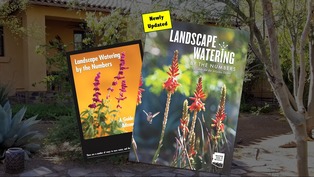
A newly revised edition of Landscape Watering by the Numbers: A Guide for the Arizona Desert is almost here!
For homeowners, landscape professionals, and especially those who want healthier plants and lower water bills, this practical guide takes the guesswork out of irrigation.
The updated booklet will include quick-guides, Pro Tips, and troubleshooting guidance to help you apply watering concepts to real-world landscapes.
We expect the new guide to be available next month. Stay tuned – we'll be sure to let you know when it's ready!
|
Learn How to Lessen Your Water Bill with this Lesson
 Your Water. Your Impact. Know, Compare, Save.
Are you using more water than you need? By reading your water bill, and knowing your expected use, you can take control of your water usage.
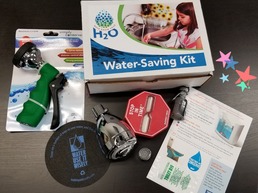
Check out our water calculator! Simply enter a few details about your household – including the number of occupants and the size of your landscape – and the water use calculator will estimate how much water your home should be using. Then compare that number to your actual water bill.
If you're using more than expected, we'll provide personalized tips to help you conserve water, lower your bill, and improve efficiency around your home.
Bonus: Complete the process and you may be eligible to request a free water-saving kit filled with conservation tools that can help you save even more water. Just look for the "Request a Water Saving Kit" link at the bottom of your Water Calculator Results page.
Our Your Water, Your Impact webpage walks you through every step and provides everything you need to get started.
💧 Know your use. Compare your use. Save water and money. 💰
|
Learn How You Can Help Protect Our Water: Mesa’s Stormwater Management Plan
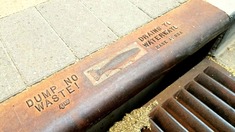
June 18, 12–1 p.m. Storm drains may seem simple, but what flows through them affects all of us. Join our online Lunch and Learn to explore Mesa’s Stormwater Management Plan and learn why preventing pollution in stormwater is essential for protecting our lakes and rivers.
To sign up for the virtual Microsoft Teams presentation, email your contact info (environ.info@mesaaz.gov), and we’ll send you the webinar link.
To learn more about Mesa’s stormwater program, visit our website.
|
Free Trees Available for Fall Tree Planting
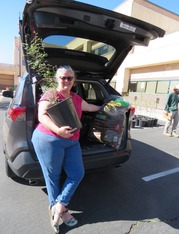
July 23, August 29, or September 26. SRP customers can attend a webinar this summer so that they can qualify for two free trees in the fall. Registration now open.
Desert-adapted shade trees can lower your cooling costs and improve air quality without using a lot of water.
If you plant a tree record your tree and get it on our tree planting map at our Trees Are Cool page.
Note to Mesa Electric Customers. We are pending approvals for a fall shade tree distribution. Stay tuned.
|
Lawn Watering: No More Than Twice a Week is Needed Even In Summer.
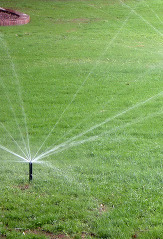
University of Arizona research shows it's healthier to apply about ¾ inch of water each time you irrigate. This amount on the surface will wet the soil to a depth of about 8 inches. This encourages roots to grow deeper, where they're better protected from heat, dry air, and evaporation.
Even during the hottest part of summer, most Bermuda grass lawns only need watering about once every three days. As temperatures cool in the fall, you can water even less frequently.
So how do you know if your sprinkler system is applying ¾ inch of water? We're glad you asked! Pages 7 and 8 of our watering guide show you how to measure your sprinkler output and determine the correct run time for your specific system.
Once you've found the right run time, the good news is that you generally only need to adjust how often you water as the seasons change – not how long you water.
👉 Water deeply. Water less often. Grow stronger roots.
|
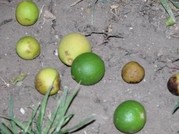
Citrus June Drop... It's Normal
It is normal for citrus to drop some fruit at this time of year as a natural thinning process. Learn about this and see other great pics in a U of A publication, Diagnosing Home Citrus Problems. If your leaves look healthy, the fruit drop is not likely caused by lack of water.
|
Great Water-Saving Ideas Are 'Wading' at your Fingertips…
We've handpicked some favorite blogs from Water – Use It Wisely:
Video of the Month: From AZ Plant Lady
 Landscape Watering in the Real World. Are you challenged to water more efficiently because your irrigation system is set up to water trees, shrubs, and groundcovers all on the same valve? Listen to the AZ Plant Lady for ideas on how to make adjustments without having to use a pickaxe and dig a new trench. View Here.
Weather and Water in the News!
Be Aware Now More Than Ever: A Strong Summer Monsoon Season Could Be in the Offing Few weather stories in 2026 have attracted public attention quite like the approaching Super El Niño, the condition bringing rapidly warming waters into...
Securing Arizona’s Water: Public Calls for Action and Investment As the Colorado River crisis grows and lawmakers discuss the budget, it is clear that voters support funding water security. Arizonans see investment as key to...
Colorado River Shortage: Preparing for Less Here in Arizona, we have always approached desert water management with discipline and foresight, and that foundation is exactly what the...
Protecting Arizona's Lifeline The Coalition for Protecting Arizona’s Lifeline is a nonpartisan alliance of leaders focused on educating, advocating and elevating the importance of long-term water security and economic resilience in our...

**Reduce your landscape water use 30 to 50 percent by adjusting your irrigation each season.** Landscape Watering by the Numbers: A Guide for the Arizona Desert will help you determine how much water to apply and how long to run your system. Visit the interactive website or request a free copy of the booklet.
-H2O-
|