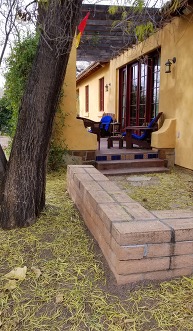
It's normal to see leaf yellowing or leaf drop this time of year. However, our above-normal, mild temperatures have slowed that process for some plants.
You will likely still notice leaf drop on palo verdes, native mesquites, desert willows (like the one pictured), elms, ash, and even shrubs such as Texas sage. Before reaching for the rake, remember that fallen leaves make great mulch – helping protect soil, retain moisture, and improve soil health. They can also be added to your compost pile.
♻️ Compost Tip: Mesa residents can purchase a $5 compost bin made from a repurposed trash container.
🌧️ Weather Outlook: There's about a 50% chance of light rain late Wednesday into Thursday.
❄️ Frost Reminder: Despite record-warm temperatures for November and December, there is still a risk of frost through mid-February. If frost is in the forecast and you have sensitive plants, learn how to protect them in this University of Arizona publication.
|
Recommendations below are for plants that are established in the landscape (in the ground about two years).
- Desert Adapted - once every 35 days
- High Water Use - once every 18 days
- Desert Adapted - once every 45 days
- High Water Use - once every 21 days
- Desert Adapted - once every 30 days
- High Water Use - once every 14 days
Cacti and succulent watering
Annuals & vegetable watering
- Once every 7-10 days (or more if you are starting seeds)
Wildflower watering
- Once every once every 12-15 days if no rain
Note: These recommendations are a general guideline only and may need to be modified for your specific site conditions.
Landscape Watering by the Numbers: Don’t forget our online, interactive watering guide. If you input some simple information about your landscape irrigation system, it will tell you how long to water to give your plants just the right amount with these frequencies.
Mesa Library Ask A Master Gardener Programs
Jan. 10, 10 a.m. to Noon. Ask A Master Gardener Attend one session or enjoy both!
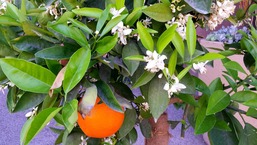
Citrus 101 Workshop: Water and Fertilizer (10-11 a.m.) Learn how to choose the right citrus fertilizers and determine the water and nutrient needs for your specific tree(s) using University of Arizona guidelines.
Ask A Master Gardener (11 a.m. to Noon) Wondering when, what, where, and how to plant your Arizona garden? Bring your questions – and even your problem plants – and get expert advice from a Master Gardener.
Both programs will be held in the Program Room at Red Mountain Library, 635 N. Power Road.
|
Vegetable Gardening Programs by UofA Cooperative Extension

The Desert Institute of Gardening (DIG) offers in-depth home horticulture classes taught by highly trained Maricopa County Master Gardeners. Don't miss these upcoming sessions taught by two exceptional presenters who bring deep knowledge, experience, and passion for desert vegetable gardening:
-
Jan. 11, 2-4 p.m. How to Grow the Perfect Tomato, presented by Carol Stuttard.
-
Jan. 22, 6:15-8:15 p.m. Spring Gardening: How to Maximize Warm-Season Harvests, presented by Angela Judd.
Learn more and register.
|
2026 East Valley Citrus Clinic
Jan. 17, 8:30 a.m. to 12 p.m. Located at Greenfield Citrus Nursery, 2558 E Lehi Road, Mesa. Learn more and purchase tickets.
The Citrus Clinic features the foremost state citrus, date palm, and deciduous fruit tree experts, including University of Arizona faculty and noted local professionals. The experts will present eight learning stations. While you are there, do not miss the display of more than 60+ citrus varieties and sample a small selection of different varieties.
Choose 5 of the 8 stations listed below and rotate every 30 minutes:
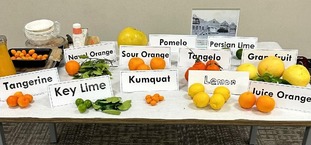
- Citrus Display and Tasting
- Citrus Fertilizing
- Date Palms for the Home Grower
- Citrus Planting and Care
- Deciduous Fruit Trees
- Citrus Pests
- Citrus Diseases
- Citrus Irrigation
|
SHADE TREE WORKSHOPS & FREE TREES for 2026!
> Hey, Mesa Electric Customers! We’ve Got Tree-Mendously Exciting News!

This spring, Mesa is celebrating America's birthday with a special giveaway – 250 Liberty Trees, available while supplies last. These trees symbolize strength, endurance, and hope, offering a living tribute to our nation’s history while adding shade and cleaner air to our neighborhoods.
We’re excited to offer our electric customers up to two free, desert-native or desert-adapted shade trees to shade your home, lower cooling costs, and help clean our air without using a lot of water.
|
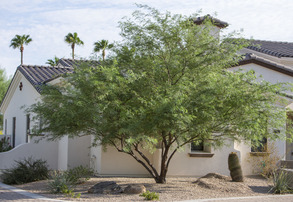
Feb. 21, 10 a.m. to Noon. Mesa Electric Shade Tree Workshop. Register now.
Visit our Trees Are Cool interactive website to learn how reducing energy and planting more trees can contribute to our climate action goals and to record your newly planted trees.
Photo: Thornless Mesquite
> Are You an SRP Electric Customer?
SRP is offering desert-adapted shade trees for their customers as well. The 2025 classes are now open! Get two free shade trees by attending an SRP Shade Tree workshop (Zoom) on Jan. 24 or Feb. 14. Learn more.
These classes are for SRP electric customers only. But if you get trees from SRP, please record them on our Trees Are Cool site.
|
One Valve Won't Stop Watering!
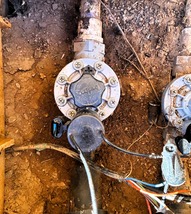
Keep an eye on your landscape for persistent wet spots or puddles. This may indicate that a valve is stuck in the "on" position. To confirm this, turn off the power to your controller. If the valve continues to water, it signals a problem with the valve itself. This issue is often caused by debris buildup inside the valve, which prevents it from sealing shut properly.
If the valve does stop watering when you power down, it is likely a controller or program malfunction.
Photo: Valves are typically found inside a valve box.
|
Is Your HOA Using Too Much Water? Here’s How to Find Out – for Free! 💧
 Ever wonder if your HOA is watering efficiently – or overspending on water? Here's some good news!
Mesa HOAs now have free access to Waterfluence, an easy-to-use online water budgeting tool, thanks to a grant from the Water Infrastructure Finance Authority of Arizona.
Waterfluence shows how your HOA’s actual water use compares to recommended amounts – customized for your landscape size, plant types, and even daily weather conditions. It’s a powerful (and free!) way to make smarter decisions and potentially save thousands on your landscape water costs.
Registration must be completed by the HOA Board President, so please share this information if that’s not you. It’s a great opportunity for boards, community managers, and landscapers to work together to ensure landscapes are watered correctly.
Mesa also offers assistance to HOA's with incentives for grass removal, irrigation upgrades, and irrigation system assessments. >> Learn more!
An Inspirational Video for the New Year!
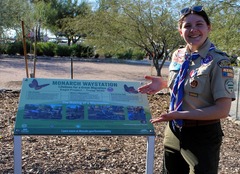
The Mesa Youth Climate Action Fund (MYCAF) empowers young people ages 15–24 to turn bold ideas into real climate solutions for Mesa. Youth lead projects, collaborate with community partners, and gain hands-on experience that builds skills for the future. Watch this short video to see MYCAF in action.
|
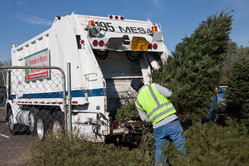
There's Still Time to Treecycle
Christmas tree recycling drop-off sites will be open through Jan. 19. Collected trees can be sustainably reused as garden mulch or marine habitat. Get the details!
At this link, you'll also learn how to donate your live Christmas tree to plant at a Mesa park.
|
This Resolution Will Save Water and Save You Money!

This year, resolve to save water! This small commitment benefits both you – by saving you money – and the earth. And it doesn’t require big changes to make a difference. Here are some ideas to get you started:
Need more ideas? Visit our water conservation pages.
|
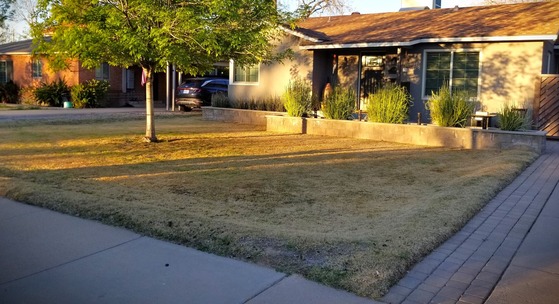 Water Wisdom: If you didn't overseed with winter ryegrass (bravo), your dormant Bermudagrass only needs water once every 30 days this time of year.
**Reduce your landscape water use 30 to 50 percent by adjusting your irrigation each season.** Landscape Watering by the Numbers: A Guide for the Arizona Desert will help you determine how much water to apply and how long to run your system. Visit the interactive website or request a free copy of the booklet.
-H2O-
|