|
Tropical Storm Lorena brought a good soaking rainfall to much of the Valley on Wednesday night. Because the “official” end of monsoon season is September 30, there’s still hope for a little more summer rain before then.
As days get shorter and temperatures begin to cool, remember to gradually reduce your watering frequency from your summer schedule. Your landscape will thank you, and so will your water bill!
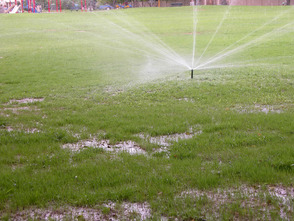
September is when activities BEGIN for winter rye overseeding. But now more than ever, saving every drop of water is critical as Arizona faces extraordinary drought conditions and ongoing Colorado River shortages.
We encourage customers to limit or forgo overseeding altogether. If overseeding is truly necessary (such as for high-use areas), wait until October—a much better time for seed to establish while using less water.
👉 Check out our Bonus Tips below for smarter overseeding practices.
|
Recommendations below are for plants that are established in the landscape (in the ground about two years).
- Desert Adapted - once every 18 days
- High Water Use - once every 9 days
- Desert Adapted - once every 21 days
- High Water Use - once every 10 days
- Desert Adapted - once every 16 days
- High Water Use - once every 7 days
Cacti and succulent watering
Annuals & vegetable watering
Note: These recommendations are a general guideline only and may need to be modified for your specific site conditions.
Landscape Watering by the Numbers: Visit our online, interactive watering guide. If you input some simple information about your landscape irrigation system, it will tell you how long to water to give your plants just the right amount with these frequencies.
Mark Your Calendar... Upcoming Workshop!
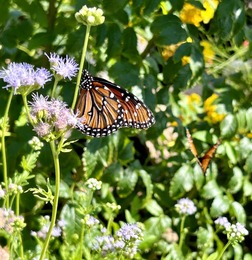
Sat. Oct. 18, 10-11:30 a.m. Planting for Butterflies. Part of Xeriscape Done Right: A Water-Wise Landscaping Series. Join us for the final installment of the free workshop series from Mesa’s Grass-to-Xeriscape Program! Meet our expert, Noelle Johnson (AZ Plant Lady), and discover how to turn your desert garden into a butterfly haven! In this class,
Noelle will teach you how to attract butterflies using the four key elements of a butterfly-friendly landscape. Learn about local species, the best plants to support them, and simple design tips to create a colorful, pollinator-friendly space that thrives in our desert climate! You could win great prizes, one of Noelle's books, a $50 gift card to a local nursery, or tickets to National Geographic Live's Chasing Monarchs. Red Mountain Library, 635 N Power Road.
|
Plants Book Newly Updated!
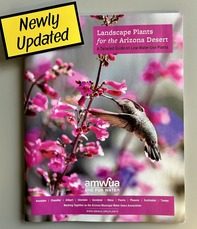
Don't Forget! A refreshed and updated version of the Landscape Plants for the Arizona Desert book is now available. This user-friendly guide is your key to saving water and money by incorporating desert-appropriate, drought-tolerant plants into your yard. The newly released edition features 218 plants conveniently categorized for easy browsing. Each section—trees, shrubs, groundcovers, vines, cacti, succulents and accents, grasses, perennials, and annuals—showcases a variety of plant options to cater to differing tastes. Learn more about the book's new features.
Affectionately known as 'The Pink Book', the guide was first printed in 1990 followed by the 2nd edition in 2004. Look for it at local nurseries, Mesa libraries, or we'll mail you a copy.
|
Water – Plant It Wisely, Fall Edition
Fall is such a great time to plant. That's why we worked with our partners at Water – Use It Wisely to create a special micro-site to help you find our favorite pages all in one place. We showcase low-water use plants, design ideas, how to plant, desert landscaping, and helpful resources, including fall plant sales.
Be sure to visit Water – Plant It Wisely, and dig in!
|
Winter Ryegrass: To Overseed or Not to Overseed?
Choosing not to overseed Bermuda with winter rye saves water and allows your summer lawn to rest – making it stronger for new spring growth. If you need more help to decide, find our Top Ten Reasons Not to Plant a Winter Lawn. These might just be the excuses (or uh... justifications) you were looking for.
Gasp! Are you going to plant winter grass anyway? This AMWUA blog features advice from turf grass researchers at the University of Arizona’s Maricopa County Cooperative Extension: Plant Winter Grass Correctly.
You can save 8,000 gallons a year for every 1,000 sq. ft. of grass by not overseeding.
|
Take Advantage of Water-Saving Incentives
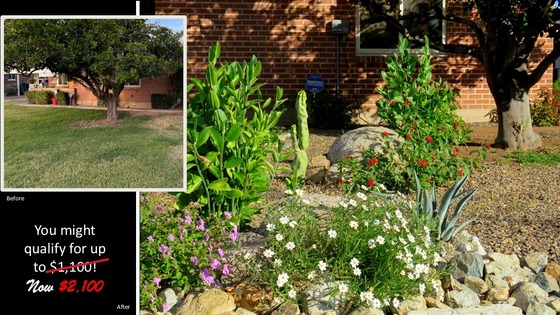
Did you know? Mesa residential customers can qualify for up to $2,100 for grass removal, and HOA/Commercial customers could be approved for up to $70,000 for grass removal and irrigation upgrades (future projects only). Learn more.
Desert Trees & Shade Tree Workshop for Mesa Electric Customers
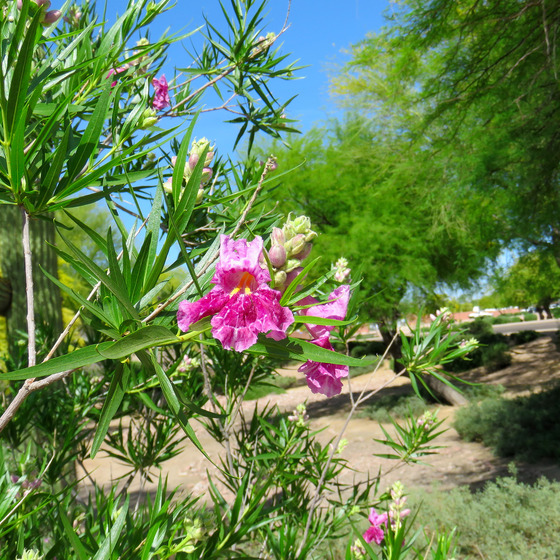
This Desert Willow located at Red Mountain Library can take the heat! Learn more about this colorful shade tree and consider including it in your landscape.
Mesa Electric Customers: Join our upcoming Shade Tree Workshop and you’ll actually go home with two free trees (choose from six beautiful, desert-adapted species, including desert willow). The workshop is Saturday, Oct. 4 from 10-11:30 a.m. Learn more.
Trees Are Cool Presents: Get Answers, Get Planting
The City of Mesa is making it easier than ever to grow a healthy, shady future! Join us for tree support sessions happening across Mesa on the first Friday of each month, 8–9:30 a.m. No registration required—just stop by. At each session you’ll:
- Discover the benefits of adding trees to your landscape
- Get advice on the best trees to plant
- Learn what to look for when buying healthy trees
- Pick up tips on tree care and maintenance
-
Chat with a certified arborist (bring your tree questions!)
Find dates and locations.
How Long Should You Run Your Irrigation?
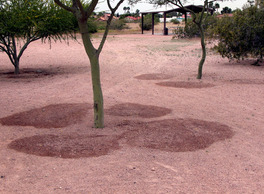
When you water, the goal is to water deeply: about 1 foot for groundcovers, 2 feet for shrubs, and 3 feet for trees. But how long does that take? Our Landscape Watering Guide has the formulas and charts to help you figure it out.
For example: A 10-foot diameter tree needs about 59 gallons each time you water (see chart on page 9 of the guide). If you have three 2-gallon-per-hour emitters, it would take 10 hours to deliver that much water. Yikes!
Sounds long? That’s okay—drip irrigation applies water slowly. But you can shorten the run time by:
- Adding more emitters
- Swapping out your three 2-gallon-per-hour emitters for 4-gallon-per-hour ones.
(3 × 4 = 12 gallons/hour → 59 ÷ 12 = just under 5 hour run time!
👉 Perspective check: a regular garden hose delivers 59 gallons in only 5–6 minutes. Drip irrigation is just that... a very slow application of water. But that’s also what makes it efficient—it puts water right where your plants need it, with less waste.
|

Jaw-Dropping Water Tower! Now Showing at Red Mountain Library thru October
There’s more to check out this fall than books, audiobooks, and DVDs at the Red Mountain Library, 635 N. Power Rd. Now through October 31, visitors can see an eye-catching 16-foot tower made of 120 one-gallon jugs—a striking reminder of how much water one person uses each day at home.
The display also features a variety of water-saving resources for both kids and adults, including landscape guides and leak detection booklets.
The City of Mesa is highlighting this unique exhibit to show the importance of making water conservation part of everyday life. To learn more about how you can save water at home, visit mesaaz.gov/conservation.
|
**Reduce your landscape water use 30 to 50 percent by adjusting your irrigation each season.** Landscape Watering by the Numbers: A Guide for the Arizona Desert will help you determine how much water to apply and how long to run your system. Visit the interactive website or request a free copy of the booklet.
-H2O-
|