|
While we didn't have a 'great' rain, we certainly had a 'good' rain, with totals in most Mesa areas measuring about one-quarter inch. We'll take it!
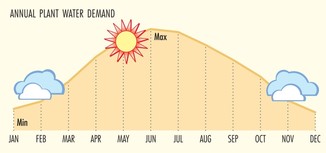
While plant water usage is at its lowest level in December, low humidity and windy conditions can dry out your plants quickly.
What's our best advice? Make sure you’re providing deep but infrequent irrigation for your plants (learn more below). This will help them fare better during cold temps and frosts, too.
Graph above: Due to daylength and temperatures, seasonal plant water needs can use 3 to 5 times more water during the hot, dry summer as they do during the winter.
|
Recommendations below are for plants that are established in the landscape (in the ground about two years).
- Desert Adapted - once every 35 days
- High Water Use - once every 18 days
- Desert Adapted - once every 45 days
- High Water Use - once every 21 days
- Desert Adapted - once every 28 days
- High Water Use - once every 14 days
Cacti and succulent watering
Annuals & vegetable watering
- Once every 7-10 days (or more if you are starting seeds)
Wildflower watering
- Once every once every 10-15 days
Note: These recommendations are a general guideline only and may need to be modified for your specific site conditions.
Landscape Watering by the Numbers: Don’t forget our online, interactive watering guide. If you input some simple information about your landscape irrigation system, it will tell you how long to water to give your plants just the right amount with these frequencies.
Frost Protection for Your Plants
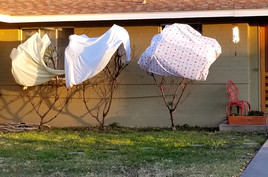
With temps still trending above normal, it may be a while before we get our first cold snap. Our typical first frost is around Dec.12. If you want to be prepared, learn how to protect your plants on this University of Arizona Frost and Cold Temperature resource page.
Note: Photo shows what NOT to do. It's best to use sheets or frost protection fabrics that go all the way to the ground for best results, and to remove them during the day.
|
New Plant Square Footage Calculator Simplifies Grass-to-Xeriscape Conversion Process
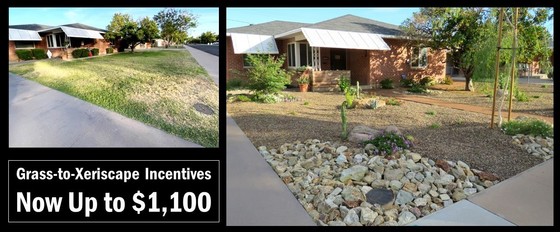
The City of Mesa has launched a new one-of-a-kind tool, the Plant Square Footage Calculator. The calculator simplifies the process for homeowners who are planning a grass conversion and developing a landscape plan to take advantage of the city's Grass-to-Xeriscape Landscape Incentive. Learn more in our press release.
Don't forget! Incentive amounts increased this past year!
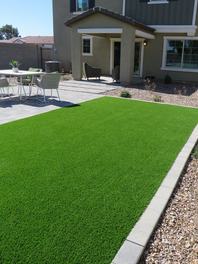
Are you considering artificial turf?
To qualify for Mesa's Grass-to-Xeriscape incentive you cannot replace all of the removed grass with artificial turf. The 50 percent plant canopy coverage requirements (see above) always apply. Artificial turf does not provide shade and other benefits provided by living plants. It also heats up substantially, contributing to the heat island effect. Here are articles to consider:
|
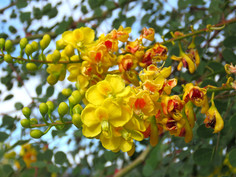
Plant of the Month
Cascalote - Have you noticed the trees with cheerful yellow flowers this month? This winter bloomer is a great medium-sized tree for the landscape. You can find details on cascalote or find our full listing of beautiful desert plants at our Water – Use It Wisely’s Plant of the Month series.
|
Do-It-Yourself Plumbing Videos - now showing!!
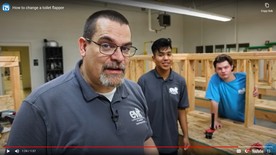
With the holidays on their way, it's time to get those household leaks fixed (well, it's always time). Dripping faucet? Leaky toilet? We can help! The City of Mesa had a blast partnering with the East Valley Institute of Technology (EVIT) last year to create a series of short do-it-yourself videos. Each one will help you identify and fix simple plumbing issues to save you water and money. Find all six videos!
|
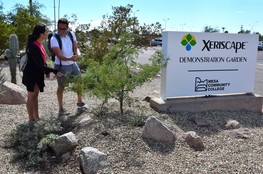
Local Xeriscape Demonstration Gardens
Here's a great way to enjoy walks outdoors. Find our list of demonstration or botanical gardens to visit. We have two in Mesa, but heck, go out of town... Glendale, Scottsdale, and others have some amazing gardens too.
|

Looking for Holiday Gift Ideas?
Check out our Top Desert Gardening Books on our Water – Use It Wisely blog. Put these on your own wish list or gift to your gardening friends or family. This curated list introduces you to many of our local book authors who write about landscaping in our Arizona deserts.
|
Watering Deeply But Infrequently
Deep and infrequent watering offers many benefits. So what are those benefits and how do you do it?
Benefits: First, deep watering ensures water gets down to lower levels in the soil instead of just at the surface. Location of moisture deeper in the soil profile encourages roots to grow deeper which helps to develop a stronger and more resilient root system. Shallow watering causes roots to stay near the soil surface where they are more susceptible to stress, especially during a hot, windy day when the surface can dry out quickly.
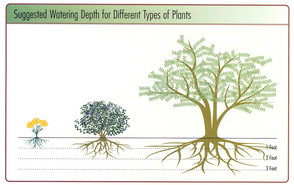
How to Water Deeply: Your goal is to soak the root ball and the surrounding soil with water, penetrating 1 to 3 feet relative to the size of the plant. Depending on your soil type, 1" of water on the surface will penetrate approximately 6-10" into the soil. We offer a handy chart that estimates how many gallons it will take.
What About the Infrequent Part? I'm glad you asked. The drying period is not only important so the surface does dry out (and keeps those roots deeper in the soil) but also important for the health of the plant as roots need oxygen to stay healthy. Infrequent watering will help you save water too. This time of year, if we don't get at least a half-inch of rain, that frequency would be once every 30 days for cactus and desert trees, once every 2 weeks for citrus, shrubs, and dormant Bermuda etc. Our Landscape Watering by the Numbers booklet provides a helpful seasonal frequency chart. Learn more.
|
Ask A Master Gardener at Red Mountain Library

Sat. Dec 9, 10 am - Noon. University of Arizona Cooperative Extension Master Gardeners will answer questions about gardening, landscaping, plant identification, and plant problems. Click here for details.
Location: Red Mountain Library. Free!
|
SRP Shade Tree Workshops - 2024 Schedule - It's HERE!
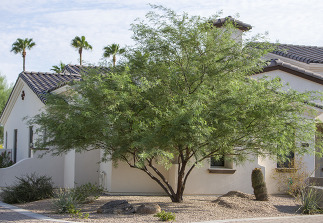
The 2024 classes are now open! Get two free shade trees by attending an SRP Shade Tree workshop on Jan 25, Feb 10, or Feb 24. SRP is offering desert-adapted shade trees to help lower your home cooling costs and improve air quality without using a lot of water. Learn more.
These are for SRP electric customers only. Stay tuned as Mesa will be offering a similar program for City of Mesa Electric customers in early spring.
Visit our Trees Are Cool interactive website to learn how reducing energy and planting more trees can contribute to our climate action goals. If you get trees from SRP to plant, please be sure to visit this site to register them.
|
There are a number of ways to save water and they all start with you...
Thank you for being a subscriber this year... and for all of your efforts to save water! Also, be sure to sign up for our Living Green eNews. These alerts notify subscribers of sustainable and green programs, events, and opportunities. See last month's news where we feature composting. For those not currently receiving this newsletter, you can sign up directly by providing your email at this subscriber site. Also, be sure to follow us on our Living Green X.
**Reduce your landscape water use 30 to 50 percent by adjusting your irrigation each season.** Landscape Watering by the Numbers: A Guide for the Arizona Desert will help you determine how much water to apply and how long to run your system. Visit the interactive website or request a free copy of the booklet.
-H2O-
|