|
We have finally had a few breaks from the excessive heat, but rainfall is well below normal for most areas of the Valley. Remember that September 30 is the ‘official’ end of the Monsoon Season, so there’s still hope for more summer rains. As days get shorter and temperatures cool, it's time to cut back on your watering frequency from your summer schedules.
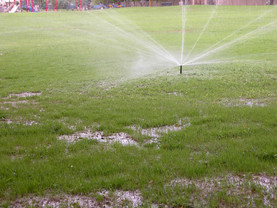
September is when activities BEGIN for seeding winter rye grass. Now more than ever, saving every drop is critical as we experience extraordinary drought conditions as well as climate pressures that have triggered water shortages to Arizona's Colorado River water supplies.
We encourage all water customers to consider limiting or forgoing this practice. If areas are justifiably required, we suggest not overseeding until October - a much better time to do so. Find details in Bonus Tips below.
|
Recommendations below are for plants that are established in the landscape (in the ground about two years).
- Desert Adapted - once every 18 days
- High Water Use - once every 9 days
- Desert Adapted - once every 21 days
- High Water Use - once every 10 days
- Desert Adapted - once every 16 days
- High Water Use - once every 7 days
Cacti and succulent watering
Annuals & vegetable watering
Note: These recommendations are a general guideline only and may need to be modified for your specific site conditions.
Landscape Watering by the Numbers: Don’t forget our online, interactive watering guide. If you input some simple information about your landscape irrigation system, it will tell you how long to water to give your plants just the right amount with these frequencies.
Winter Ryegrass: To Overseed or Not to Overseed?
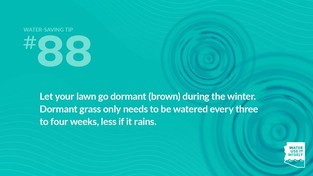
Choosing not to overseed Bermuda with winter rye saves water and allows your summer lawn to rest – making it stronger for new spring growth. If you need more help to decide, find our Top Ten Reasons Not to Plant a Winter Lawn. These might just be the excuses (or ahh... justifications) you were looking for.
Gasp! Are you going to plant winter grass anyway? Learn more in this AMWUA blog from turfgrass researchers at the University of Arizona’s Maricopa County Cooperative Extension: Plant Winter Grass Correctly.
You can save 8,000 gallons a year for every 1,000 sq. ft. of grass by not overseeding.
|
WORKSHOP! Grass-to-Xeriscape: Saving More Than Water
Sat., Sept. 9, 10-11:30 a.m. Dobson Ranch Library
Join us to learn how to transition your yard from grass to a Xeriscape landscape, which provides cooling shade and is easier to maintain. Oh, and did we mention it saves water? City of Mesa staff will outline Mesa’s Grass-to-Xeriscape Landscape Program which now offers up to $1,100 for a qualifying conversion. Then our favorite AZ Plant Lady, Noelle Johnson, will talk about grass removal options and design concepts to consider for the new landscape. All attendees will be entered to win one of two $50 gift cards to a local nursery. Registration is not required. Learn more.
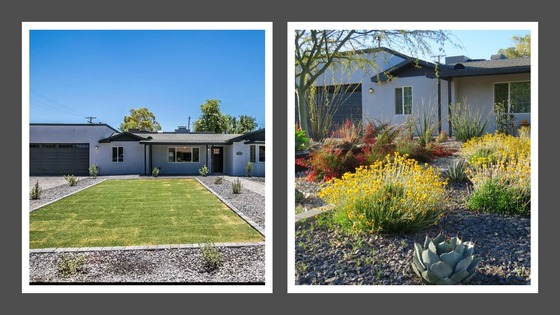 Grass-to-Xeriscape Incentive Now Up to $1,100.
Check out our helpful sustainability savings tip if you are considering a conversion, or read our Water – Use It Wisely blog for removal and design ideas.
WORKSHOP! HOA’s Guide to Saving Water & Money: Landscape Incentives & More
Tuesday, October 24, from 6-7:00 p.m. Virtual class on Zoom
 In this 60-minute class, you will:
- Compare actual landscape use vs. landscape needs for your common areas
- Learn about landscape incentives - up to $12,500 available
- Get tips on how to work with your landscape contractor for best results
- Get information to look ahead – prospective programs
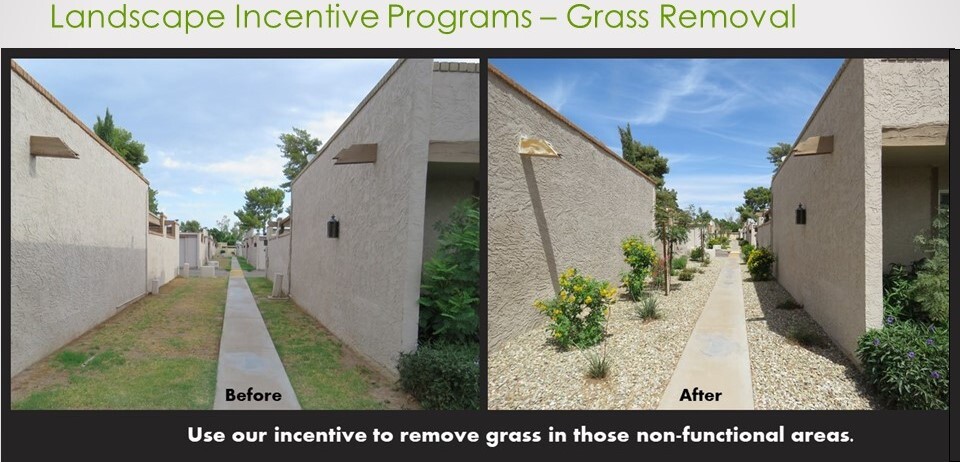
Get incentives for non-functional grass removal or irrigation efficiency upgrades.
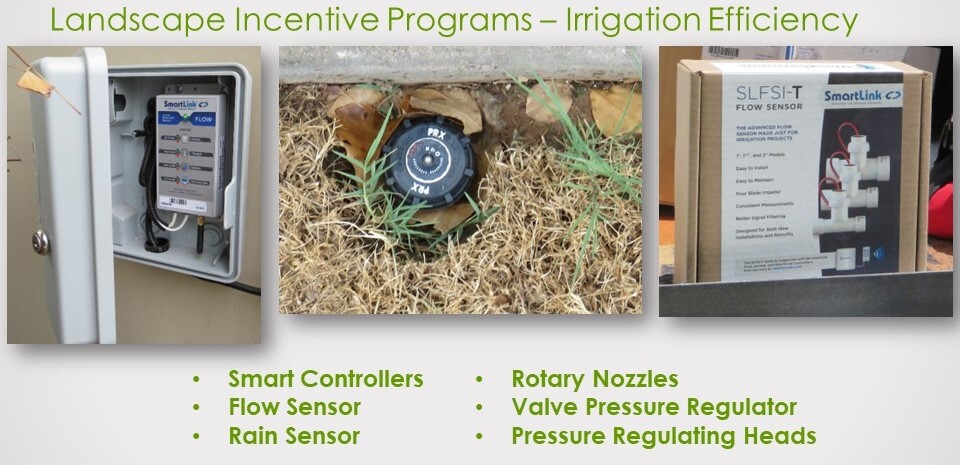 HOA & Commercial Incentive Now Up to $12,500.
How Long Should You Run Your Irrigation?
Each time you water, be sure to water deeply. About 1 foot for groundcovers, 2 feet for shrubs and 3 feet for trees. How long is that? See our landscape watering guide for a quick and easy way to determine your run times.
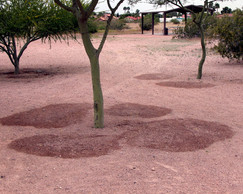
For example, a 10-foot diameter tree would need about 59 gallons each time you water (chart is located on page 9 of the book). If you have three 2-gallon per hour emitters on that tree, your run time would be 10 hours! Yikes! That’s OK if your clock allows, but you can drop your run time by adding emitters or replacing your three 2 gallon per hour emitters with 4 gallon per hour emitters (3x4=12 gallons per hour, 59/12 = a 5-hour run time). It’s just a little math! Oh, and just to put into perspective, you will get 59 gallons from a running water hose in 5-6 minutes. Don't forget that drip irrigation is just that... a very slow application of water.
|
Plants to Admire!
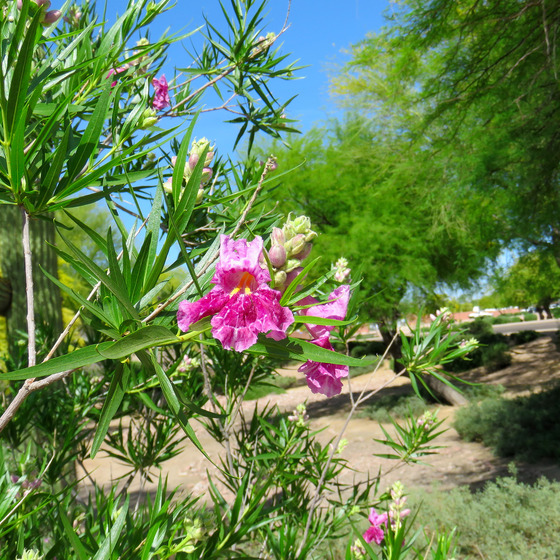
This Desert Willow located at Red Mountain Library can take the heat! Learn more about this colorful shade tree and consider including it in your landscape.
**Reduce your landscape water use 30 to 50 percent by adjusting your irrigation each season.** Landscape Watering by the Numbers: A Guide for the Arizona Desert will help you determine how much water to apply and how long to run your system. Visit the interactive website or request a free copy of the booklet.
-H2O-
|