As days become shorter and cooler, water needs for plants are about half as much as they were in June. If you haven’t adjusted your clock in a while, now is the time to do so. Check out these step-by-step instructions to reprogram your timer to the watering schedule suggested below. If you have a SMART controller, it should adjust itself based on the seasonal changes.
Fall is such a great time to plant. Our bonus tips below include our one-stop fall planting resource site.
Recommendations below are for plants that are established in the landscape (in the ground about two years).
|
-
Warm season grass (Bermuda) - once every 7-10 days
-
Overseeded cool season grass (rye) - 4x per day for 1st 7 to 10 days to germinate, then once every 3 days
- Desert Adapted - once every 21 days
- High Water Use - once every 10 days
- Desert Adapted - once every 24 days
- High Water Use - once every 12 days
- Desert Adapted - once every 18 days
- High Water Use - once every 9 days
Cacti and succulent watering
Annuals & vegetable watering
- Once every 4-5 days (or more if you are starting seeds)
Wildflower watering
- Once every 1-2 days to germinate, then once every 7-10 days
Note: These recommendations are a general guideline only and may need to be modified for your specific site conditions. Our current weather conditions may require more frequent watering.
Landscape Watering by the Numbers: Don’t forget our online, interactive watering guide. If you input some simple information about your landscape irrigation system, it will tell you how long to water to give your plants just the right amount with these frequencies.
Dig In: Fall Is the Best Time to Plant
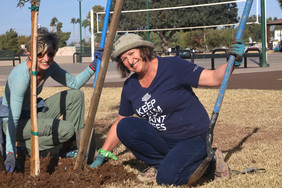
Fall is a fantastic time to plant because soil temperatures are still warm – encouraging root growth and development – while allowing plants to get better established before next summer’s heat. Also, with cooler temperatures, plants need less water and it is a much more forgiving time of year to put new plants in the ground.
It’s also the time of year to plant a vegetable garden or wildflower seeds. We've got all the ideas and tips you need to get your yard looking beautiful in our monthly Sustainability Savings Tip.
Our publication also includes the upcoming specialty fall plant sales!
Are you thinking of overseeding your Bermuda grass? Check out our “Top Ten Reasons Not to Plant a Winter Lawn.”
|
Water - Plant It Wisely Fall Microsite!
Want to create a landscape that is beautiful and sustainable? Water - Use It Wisely has the ultimate Arizona Fall landscaping and planting microsite.
At Water - Plant It Wisely find:
- How to plant now for spring wildflower bloom.
- Designing for wildlife.
- Ideas for plant selection.
- Our landscape video series.
- Our best fall water-saving landscape tips.
|
Adjusting Watering Frequency for Plant Type:
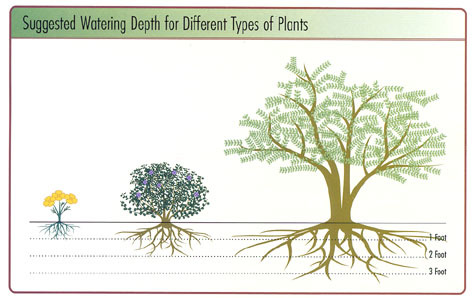
Different plant types (or species) will need different amounts of water to stay healthy. You will notice that our watering guidelines provide a distinction between desert-adapted and high-water-use plants. A desert-adapted plant can go much longer between waterings than a high-water-use plant. Examples of high-water-use plants include citrus, hibiscus, and roses. Desert-adapted plants include palo verdes, Texas sages, and penstemons.
|
Keep in mind that a Texas sage and hibiscus of the same size will need the same amount of water each time you water to wet the root ball. It's the frequency of watering that is different. If you have both types of plants on the same valve, you will always have to water for the most water-thirsty one. That likely means that your other plants are getting more water than needed.
Find more ideas like these in our online watering guide by clicking on the 'More Tips' link at the bottom.
FUN Upcoming Programs of Interest

Sat., Oct. 8, 10 am to Noon Ask a Master Gardener: University of Arizona Cooperative Extension Master Gardeners are certified volunteers who answer questions about gardening, landscaping, plant identification, and plant problems. Red Mountain Library, free!
Sat., Oct. 15, 2-3 pm Vegetable Gardening in Arizona With Angela Judd: Vegetable gardening in Arizona can be challenging. Principles that work in other areas often don’t apply to gardening in the low desert of Arizona. Author, Angela Judd will help you understand our unique climate for gardening with distinct benefits and challenges. Red Mountain Library, free!
Fri. Oct. 14, 10 am to Noon NRCS Assistance for Small-Scale and Urban Farmers: Are you interested backyard farming or small-scale urban farming on five acres or less? Don’t miss this presentation about the technical and financial assistance available in 2023 and the steps needed to qualify for this opportunity. Mesa Urban Garden, free!
|
Climate Action Plan - Sustainable Food Systems
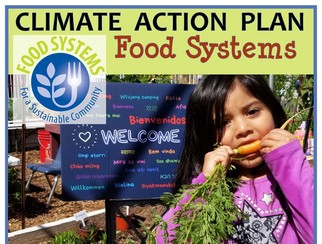
Why does food production cause excess greenhouse gases?
-Shipping foods long distances uses energy.
- Animal-based foods produce more greenhouse gases.
How can you help? 1) Eat less meat and dairy, 2) Shop at farmers markets or look for locally grown food, 3) Grow your own garden.
Mesa's Climate Action Plan calls for reducing greenhouse gas emissions and establishing strategies to increase sustainability in our community.
|
Wildflowers need to be seeded in the fall for spring bloom. This spring backyard display is thanks to California poppy and purple owl's clover. Learn more.
**Reduce your landscape water use 30 to 50 percent by adjusting your irrigation each season.** Landscape Watering by the Numbers: A Guide for the Arizona Desert will help you determine how much water to apply and how long to run your system. Visit the interactive website or request a free copy of the booklet.
-H2O-
|