 |
|
Ask the AIPO Experts
Clinical answers to vaccine questions
|
Shingles vaccine
|
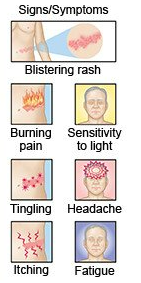
Shingles, also known as Herpes Zoster, occurs when the varicella zoster virus from chicken pox reactivates in the body after a prior chicken pox infection. It causes a painful blistering rash unilaterally which does not cross the midline of the body. The pain can last for months or years after the rash resolves. Fluid from the blisters of the shingles rash can cause chicken pox in those who have never had chicken pox or have never received the chicken pox (varicella) vaccine. A person with active shingles cannot spread shingles to another person.
The vaccine to prevent shingles is a recombinant zoster vaccine (RZV, Shingrix). It is a two-dose series separated by 2 to 6 months. Those who are or will be immunodeficient or immunosuppressed and who would benefit from a shorter vaccination schedule can get the second dose 1-2 months after the first.
|
|
 |
Shingrix is recommended for:
- Adults ≥50 years of age regardless of any history of shingles or chickenpox, or receipt of a Zostavax vaccine or a varicella vaccine.
- Adults ≥19 years of age and older if they are immunocompromised, stem cell transplant recipient, malignancies, solid tumor, or HIV positive.
The shingles vaccine is not recommended during pregnancy.
The Arizona Immunization Program Office (AIPO) has clinical staff available to assist with your immunization questions (or contact your local county health department).
Michelina Stazzone, DNP, RN, CPNP Michelina.stazzone@azdhs.gov, 480-259-5342
Sharon Sweeney, MPH, BSN Sharon.Sweeney@azdhs.gov, 480-261-5557
|