|
Communicable diseases are reported to the Ottawa County Department of Public Health for surveillance and investigation to prevent their spread. The data in the monthly disease reports are provisional, based on current reports in the Michigan Disease Surveillance System (MDSS) made by local health departments. The MDSS is a dynamic, continually active system; counts of disease are constantly changing as cases are investigated, confirmed as cases, or ruled out as not meeting the case definition. Each monthly disease report reflects this constant activity as the numbers may slightly fluctuate each month.
Therefore, it should be kept in mind that numbers in the monthly disease reports are NOT final and should be used only to generally monitor trends over time. Unknown, suspected, probable and laboratory-confirmed cases of the reportable condition are included in the report. Click to view or print the most recent monthly reportable diseases summary. Specific data requests and questions should be directed towards:
Derel Glashower, MPH, CPH
Senior Epidemiologist
dglashower@miottawa.org
(616) 393-5785
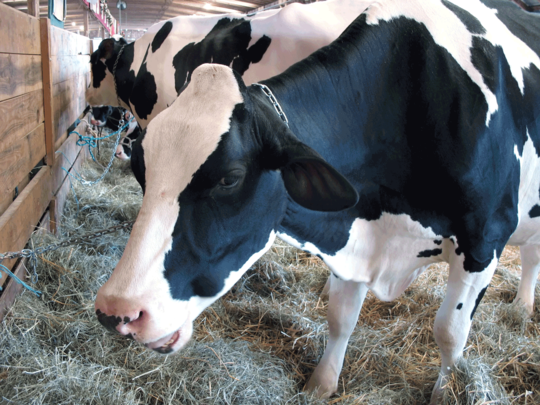
The Shiga toxin-producing E. coli (STEC) pathotype is the one most commonly heard about in the news in association with foodborne outbreaks. Escherichia coli (E. coli) bacteria normally live in the intestines of people and animals. Most E. coli are harmless and actually are an important part of a healthy human intestinal tract. However, some E. coli are pathogenic, meaning they can cause illness, either diarrhea or illness outside of the intestinal tract. The types of E. coli that can cause diarrhea can be transmitted through contaminated water or food, or through contact with animals or persons.
Ottawa County has a thriving farm culture and many people have contact with livestock in their work or at fairs and events. With this additional interaction between people and animals there is more opportunity for exposure to STEC, which is an enteric bacteria that can cause serious complications. In Ottawa County, there have been 11 cases of STEC this year, higher than the five cases last year at this time. Many of the 2019 cases have either animal exposure or travel out the state or country, suggesting known exposure or exposure outside of Michigan.
LEARN MORE
You received this email as a subscriber to Diseases & Outbreaks or Disease & Health Reports. To find other Ottawa County health-related reports, please visit miOttawa.org/healthdata. For more Ottawa County topics or to make any changes to your subscriptions, please click here.
|