 |
|
A new staff report issued by the FTC
finds that many mobile apps that help people shop don’t provide key information
— like how the apps manage payment-related disputes or handle consumer data —
prior to download. FTC staff looked at popular apps that allow users to compare
prices across retailers, find deals and coupons, or pay for purchases while
shopping in brick-and-mortar stores. The report recommends that companies that
provide shopping apps clarify how
they handle unauthorized purchases, explain how consumer information will be
collected and shared, and ensure that their data security promises
translate into sound data security practices. The FTC also released new tips for people who use shopping apps. |
 |
|
The FTC charged
six companies with taking
hundreds — sometimes thousands — of dollars for mortgage modifications, and
then leaving homeowners worse off. According to the complaints, some companies
pretended to be associated with the government; others guaranteed that they
could get loan modifications regardless of the circumstances. The FTC’s actions
are part of a joint federal and state enforcement sweep, Operation
Mis-Modification. The Consumer Financial Protection Bureau brought charges
against three other mortgage relief operations, and state agencies announced 32
similar actions. Since 2008, the FTC has brought 48 lawsuits against companies
peddling fraudulent mortgage relief schemes.
|
 |
|
At the
request of the FTC, a federal court temporarily halted a scheme that crammed more than $100 million
in charges on people’s mobile phone bills without their permission. In its
complaint, the FTC seeks to shut down the operation permanently and recover
money consumers lost. The defendants allegedly used deceptive practices,
including websites with bogus offers of “freebies” or gift cards, to trick
people into providing their mobile phone numbers. In addition to law
enforcement, the agency is using consumer education and policy discussions to
combat mobile cramming. The agency recently released a
new report with five recommendations for the industry and testified
before Congress about the
problem.
|
 |
|
When
possible, the FTC provides refunds to people affected by unfair or deceptive
business practices. This month, the FTC sent checks totaling $9.3 million to nearly 200,000 people who bought Ab
Circle Pro. The marketers allegedly claimed that exercising on the device for
just three minutes a day would cause users to lose 10 pounds in two weeks. The
FTC also sent refund checks totaling more than $16 million to 18,000 people who paid American Tax
Relief to reduce their tax debts. In a separate case, $800,000 was returned to
some 1,300 consumers who fell prey to mortgage relief scams.
|
 |
|
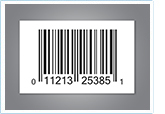
Two internet resellers of UPC
barcodes, used by retailers for price scanning and inventory purposes, have settled
charges that they acted illegally by inviting
competitors to join in a collusive scheme to raise the prices of barcodes sold
online. The FTC charged executives from InstantUPCCodes.com and Nationwide
Barcode with exchanging email messages proposing that the two companies — along
with a third barcode seller — together raise their prices. The allegedly
improper discussions stopped only after the FTC started its investigation.
|
|
"As
mobile apps become more central to the shopping experience, it’s important that
consumers have meaningful information about how those apps work before they
download them. Consumers should not be left in the dark about their potential liability
for erroneous or unauthorized charges or about the way shopping apps handle
their data."
— Jessica
Rich, Director, Bureau of Consumer Protection
|
|
TicketNetwork
— the third largest online exchange for event tickets in the U.S. — and two of
its sales partners have agreed to settle allegations brought by the FTC and the State
of Connecticut that they
misled consumers. According to the complaint, the defendants’ websites and
advertisements led people to believe they were buying event tickets from the
original venue at face value. Instead, they were getting resale tickets
and often paying more than the venue’s original price.
To settle
FTC charges, the Quebec-based marketers of “fat burning” and “calorie blocking”
diet pills will pay $500,000 for making allegedly deceptive
weight loss claims. According
to the FTC, the defendants called themselves “Freedom Center Against Obesity”
and claimed that their Double Shot pills would
cause rapid, substantial and permanent weight loss — without diet or exercise.
But they didn’t have any research to back up these claims.
A U.S.
District Court recently ordered the operators of several international tech support scams
to pay more than $5.1 million for convincing people that their computers were
riddled with viruses and then charging for bogus support services. The
operations were mostly based in India and targeted English-speaking consumers
in the United States and several other countries.
|
IN OTHER NEWS:
FTC Announces Agenda for Upcoming Big Data Workshop
FTC Sues Online ‘Yellow Pages’ Operation for Scamming Small Businesses, Doctors’ Offices, Retirement Homes, and Religious Schools
Debt Collectors in Memphis
and New York State Settle with FTC Concerning Multiple Federal Law Violations
More >
|
|
SHARE THIS:
If
you want to sell a timeshare, don’t hire someone who asks for money before they
do any work: http://go.usa.gov/UkkP
Work
at a small business or nonprofit? Here’s what to know about unexpected invoices
for online business listings: http://go.usa.gov/UQYG
Need
materials for Hispanic Heritage Month? Check out the FTC’s free fotonovela
about government imposter scams: http://go.usa.gov/Upxj
|




