Offering Meats and Meat Alternates in the Child Nutrition Programs
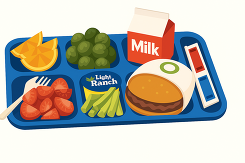
Meats and meat alternates (M/MA) play a key role in USDA child nutrition programs (CNP) — they provide protein, iron, zinc, and other essential nutrients that support healthy growth, development, and overall well‑being. When you provide nutrient-packed options like beef, chicken, eggs, beans, and seafood, kids won’t just enjoy their meals—they’ll be excited to come back for more!
Keep reading for practical tips and helpful resources that program operators can use to offer and credit meats and meat alternates, along with guidance for local producers interested in bringing their products to schools and child care organizations.
|
Prioritize Protein Foods at Meals and Snacks
 |
|
"Beef up" breakfast with eggs, beans, yogurt, and meats. Breakfast bowls, burritos, sandwiches, yogurt parfaits, and omelets are popular ways schools offer M/MA at breakfast. Check out these resources for schools and child care with menu planning ideas, crediting tips, and more. |
 |
|
Feature fish for lunch. Fish has healthy fats and other key nutrients that can support children's brain development. Read the Schools in Action section for ideas to offer fresh fish for fish cakes, sandwiches, tacos, and wraps! |
 |
|
Use healthy cooking methods. Swap deep-fried and partially fried cooking methods with baked, broiled, roasted, stir-fried, or grilled cooking methods. Learn more with the Methods for Healthy Cooking training worksheet. |
Schools in Action: As a part of the Healthy Meals Incentives Initiative, School Food System Transformation Challenge sub-grantees have been leading sea to school efforts across the country.
-
Maine is leading the way with Maine Coast Fisherman’s Association and the Gulf of Maine Research Institute who are introducing fresh-caught monkfish, hake, pollock, and dab culinary creations to students.
- In Virginia, Real Good Fish is turning invasive blue catfish into fish cakes and more to feed students and improve the local ecosystem.
- Anchorage and Petersburg School Districts in Alaska are partnering with local seafood companies to ensure students can experience fresh halibut, salmon, and more for lunch!
How Much Counts?

M/MA are credited in ounce equivalents (oz eq). Examples include:
- 1 oz eq = 1 oz cooked meat
- 1 oz eq = 4 oz yogurt
- 1 oz eq = ½ large egg
- 1 oz eq = 1 oz tempeh or cheese
The minimum creditable amount is 0.25 oz eq per serving. Use the Food Buying Guide for Child Nutrition Programs to check yields and crediting information for all M/MA items. For a quick reference, check out the Crediting Meats/Meat Alternates in the Child Nutrition Programs Tip Sheet.
Crediting Specific Meat Alternates
Some products have unique crediting. Use these USDA memos for guidance:
-
Surimi Seafood: 3.0-ounce portion of surimi seafood credits as 1.0-ounce equivalent meat/meat alternate.
-
Tofu and Soy Yogurt: 2.2 ounces by weight, or ¼ cup by volume, of commercially prepared tofu (containing at least 5 grams of protein) is creditable as 1.0-ounce equivalent of meat alternate.
|
Tools for Local Producers and Food Industry

Local sourcing supports fresh, high-quality protein options and strengthens community food systems, and schools want local proteins, including beef, poultry, eggs, and plant-based items. Producers can learn how to sell to schools through USDA’s Farm to School resources: Selling Local Food to Schools.
New Resource Hub for Food Industry Partners
The Child Nutrition Programs Food Industry Toolkit gives food industry partners the resources needed to understand the meal pattern requirements for USDA CNP, determine how their food products may contribute toward the meal pattern requirements, and navigate the food product documentation needed in the CNP. Explore the toolkit today!
|
Order Team Nutrition Materials
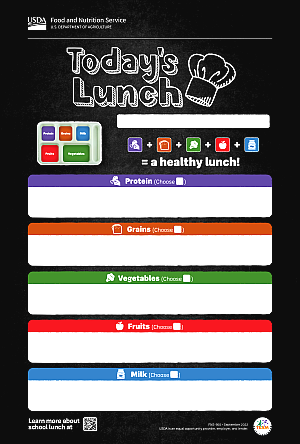
Team Nutrition encourages schools, summer meal sites, and child care organizations to place orders of print materials by August 14, 2026 to ensure they’re stocked and ready for a successful start to the school year. Please note that several print materials will be retired after August 17, 2026 and it’s uncertain which items will remain available for printing going forward. Ordering now helps programs prepare for fall activities and ensures they have the resources they need for the upcoming season.
For all bulk orders, please email Team Nutrition at teamnutrition@USDA.gov.
|
|