Summer Safety Zone: Protecting Older Workers | Head Protection | Work Zone Safety

White text on an orange background that reads: The Safety Zone, trends and updates for a safer workplace

Summer 2026

Protecting Safety & Health of Older Workers

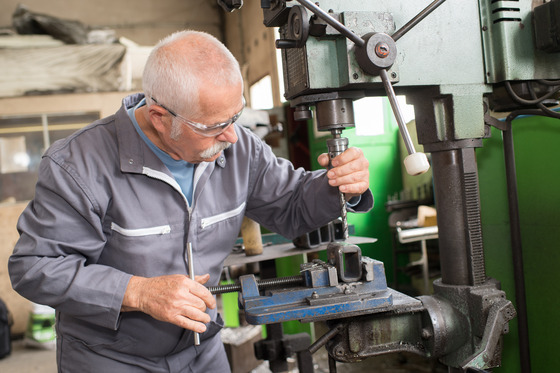
An older worker adjusts a piece of machinery

Due to increased longevity and a trend toward later retirement, the segment of older workers is increasing. According to the Bureau of Labor Statistics (2023), the number of workers aged 55 or older is expected to reach 4 out of every 10 by the year 2030.

While experienced workers offer clear benefits, this demographic shift presents new considerations for health and safety. Normal, age-related physiological changes include a decrease in visual acuity, reduced musculoskeletal strength and flexibility, and changes in cognitive functioning. Implementing age-friendly workplace practices protects worker safety, supports regulatory compliance, and improves organizational performance through knowledge retention and reduced recruitment costs.

Key Areas for Workplace Modifications

  • Visual Acuity: Aging workers often have trouble focusing on close objects and small text, reduced contrast sensitivity, increased sensitivity to glare, and slower adaptation to low light. According to the CDC (2024), individuals over age 60 require approximately three times more light to complete the same visual task as someone in their 20s.
    • Modifications: Evaluate lighting in office and manufacturing environments. Ensure monitors feature higher contrast ratios, larger text and anti-glare properties. Optimize monitor positioning to reduce eye and neck strain for employees using bi-focal or progressive lenses.
  • Musculoskeletal Capability: Muscle strength can decrease by 20% to 30% between ages 30 and 65, accompanied by reduced range of motion, less flexible joints/tendons and declined balance or coordination. This increases vulnerability to falls, strains and repetitive motion injuries.
    • Modifications: Review tasks involving strained postures, heavy lifting, repetitive motions or extended standing. In offices, provide height-adjustable desks, ergonomic keyboards and lumbar-supportive chairs. In manufacturing, utilize lift-assist devices, height-adjustable assembly tables and ergonomic tools. Implement age-aware job rotation systems, which can lead to a 40% reduction in musculoskeletal disorders for workers over 55. Provide more frequent, shorter rest breaks to prevent fatigue.
  • Cognitive Functioning: Age brings increased accumulated knowledge, judgment and wisdom. It also brings stronger strategic thinking, superior risk assessment, predictable performance, emotional stability under stress, fewer safety violations and stronger adherence to a safety culture. However, processing speed for novel information and reaction times for complex, time-critical tasks typically decrease.
    • Modifications: Consider these cognitive profiles when assigning high-pressure tasks or those requiring rapid decision-making.

Building an Age-Inclusive Culture

Managers and safety professionals should pair workers of different age and experience levels to facilitate knowledge transfer through mentoring. Employers should also offer health promotion programs, wellness incentives and supportive technology solutions. A proactive, age-inclusive safety culture results in lower workers’ compensation costs, lower insurance premiums, reduced absenteeism, improved quality and enhanced knowledge retention.


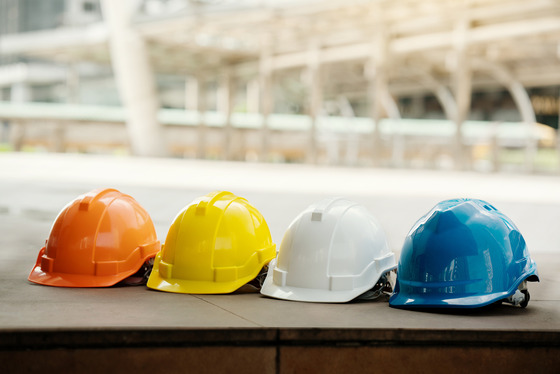
A row of safety helmets of different colors

Proper Selection & Use of Head Protection

Proper head protection is essential where risks from overhead obstructions, falling objects or electrical hazards exist—such as construction sites, mining operations and utility work. Consider the following factors for an effective head protection program:

  • What is the right type to use? Choose between bump caps (minimal hazards), Type I hard hats (top-of-head impact) or Type II helmets with full chin straps (side/back impact protection that stays secure during falls). Also evaluate electrical class ratings: Class C (conductive), Class E (nonconductive for electrical hazards) or Class G (general use).
  • Has a hazard assessment been completed? Conduct a thorough hazard assessment to match the specific site conditions to the correct level of protection. Identify if integrated accessories are required, such as face shields, hearing protection or miner lights.
  • Is it being properly worn? Ensure proper sizing and comfort adjustments. Helmets with chin straps must fit snugly. Suspension systems must be correctly installed to maintain the necessary impact-absorbing gap. Accessories like winter warmers or sunshades must meet manufacturer standards. Headwear must be worn in its designated orientation—never backward or cocked sideways.
  • Is it inspected regularly and replaced after an accident? Wearers should perform a visual inspection at the start of every shift checking for dents, cracks or shell damage. Verify that the suspension system and chin straps are free of frays or cuts. Track expiration dates and replace head protection immediately following any impact event.


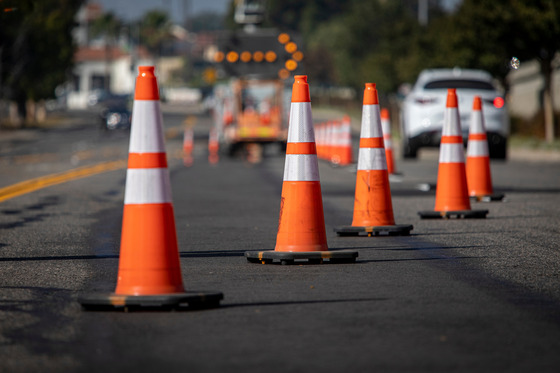
A row of traffic cones in the foreground with road work, signs, and a vehicle in the background

Roadway Safety in Construction Zones

Significant road construction is underway across Missouri, notably the multi-year widening of Interstate 70 from St. Louis to Kansas City. While these improvements are vital, construction zone safety must remain a top priority.

According to the Center for Construction Research and Training, fatal crashes in construction zones increased by over 30% over a 12-year period. In 2012, 439 people were killed in 392 work zone crashes; by 2023, that number rose to 568 fatalities in 514 crashes. This represents an increase of 29.4% in fatalities and 31.1% in crashes. While injury rates remained steady during this study period, the spike in fatalities occurred primarily in recent years, rising from under 240 annually in 2013 and 2021 to 261 in 2022 and 256 in 2023.

Safe Driving Practices in Work Zones

To prevent roadway construction incidents, drivers should adhere to the following rules:

  • Obey posted speed limits throughout construction zones.
  • Eliminate distractions to give the driving task full attention. Turn off or put away cell phones; do not use them at all, including "hands-free" modes. Turn down or turn off radios and media devices.
  • Minimize passenger distractions by suspending conversations and keeping children engaged so the driver can focus.
  • Keep hands on the wheel by avoiding food, drinks, or other secondary activities.
  • Stay alert for signage and equipment. Watch for warnings regarding merging lanes, lane closures, or trucks entering/leaving the highway. Watch for slow-moving or parked construction machinery, warning lights, and flaggers.
  • Maintain safe spacing. Increase following distances, giving extra room to large trucks and semi-trailers navigating narrow lanes.
  • Exercise extreme caution during inclement weather or when following detour instructions.

Additional Resources: Find further research and safety tips at cpwr.com/research/data-center/data-reports.

UPCOMING EVENTS/LABOR NEWS

  • August 18–19, 2026: Division of Workers’ Compensation Educational Seminar – Tan-Tar-A Conference Center, Lake of the Ozarks. Visit the Missouri Department of Labor website for details.
  • August 27, 2026: Safety and Health Management System Training – Jefferson City. Hosted by the On-Site Safety and Health Program. To register, contact Program Manager Daniel Stark at 573-751-1223 or Daniel.Stark@labor.mo.gov.
  • September 21–24, 2026: Missouri Mine Rescue Competition – Missouri S&T Experimental Mine, Rolla, MO.
  • National Safety Council events: Check the NSC safety calendar online for additional national events.

Contributing authors:

David K. Attebery
M.S., CSP, Mine and Cave Safety Program Manager

Cited Source Material:

Professional Safety Journal (ASSP), April 2026; Safety and Health Magazine, March & April 2026 issues

Safety Zone Subscribe Button